
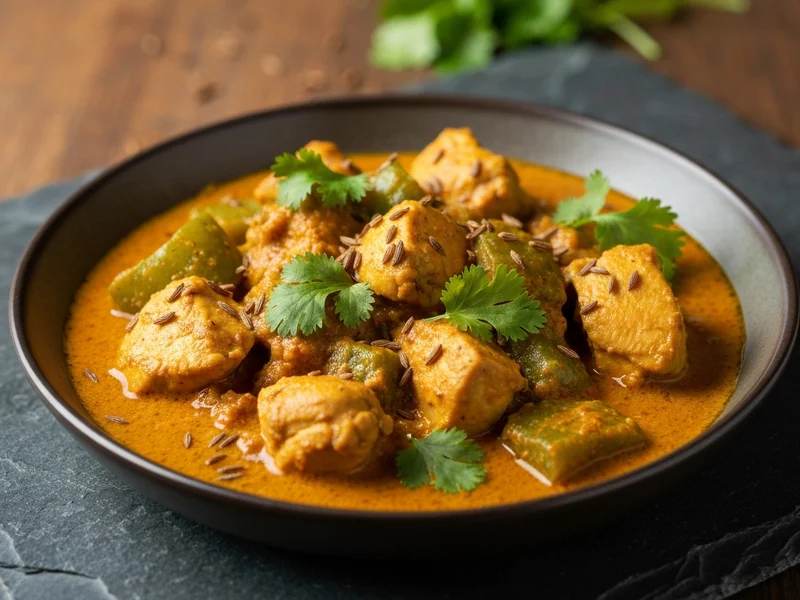
Azad Kashmir cuisine
Kashmiri Tabak Maaz
Kashmiri Tabak Maaz is a traditional Azad Kashmir Pakistani dish. The showstopper Wazwan starter — lamb ribs boiled in spiced milk until tender, then fried in their own reduced milk and ghee until golden-crispy outside and meltingly soft inside. A 500-year-old double-cook technique.
A plate of Tabak Maaz arriving at your table is a statement. The ribs are golden, glistening, their edges crisped in caramelised milk. You pick one up — it's heavier than you expect because it's dense with slow-cooked collagen. You bite in, and the outside gives a faint crunch before the interior yields completely: tender beyond description, infused with fennel and cardamom and the rich sweetness of reduced milk.
The dish is literally named after its cooking vessel — which tells you something about how central the technique is to the identity of the dish. Tabak Maaz is always the first substantial dish in the Wazwan sequence — the opener that signals to guests that this is going to be a serious, exceptional meal. The double-cook technique — boiling in milk first, then frying in the reduced milk — is a direct inheritance from ancient Persian and Central Asian court cuisine. Persian royal cooks used milk-poaching to tenderise meats as far back as the Sassanid Empire. Mughal trade routes brought these techniques to Kashmir in the 15th and 16th centuries, where Kashmiri wazas (hereditary cooks) absorbed them and never let go.
Ingredients
Instructions
- PREPARE THE RIBS: Separate the lamb/mutton ribs into individual pieces if your butcher hasn't done so already. Each piece should have a rib bone with a good flap of meat attached. Rinse under cold water and pat dry with kitchen paper. WHY: Dry ribs absorb the milk more effectively than wet ribs — moisture on the surface dilutes the milk and can cause it to splash when first added to the hot pot. HINT: Look for ribs with a decent layer of fat on top — this fat will render during the long poach and then crisp up gloriously in the final frying stage. Very lean ribs will be less flavourful and won't get the same crispy finish. FUN FACT: In the traditional Wazwan kitchen, tabak maaz ribs would be cut by the waza with a single decisive chop of a heavy cleaver — the Wazwan kitchen has its own rhythm and choreography developed over generations. A Wazwan feast requires the waza to arrive the night before and cook through the night.
- MAKE THE SPICED MILK POACH: In a large, wide degh (pot) or heavy pateela, pour in 1.5 litres of full-fat milk. Add to the cold milk: whole fennel seeds, lightly crushed green and black cardamom pods, cinnamon sticks, cloves, turmeric, dry ginger powder, and salt. Stir to combine. Add all the rib pieces into the spiced milk — they should be mostly submerged. Bring to a boil over medium heat, stirring gently to prevent the milk from catching and burning on the bottom. HINT: Milk burns very easily on the bottom of the pot. Stir every 2-3 minutes as it heats up, especially in the first 10 minutes before it comes to the boil. Once boiling, reduce heat to low-medium — a gentle boil, not a vigorous one. WHY: A vigorous boil will break the ribs apart as they cook and also causes the milk to over-foam and potentially boil over. Gentle is the word.
- THE LONG MILK POACH — 60 TO 90 MINUTES: Cook the ribs in the spiced milk at a gentle simmer for 60-90 minutes, stirring every 10 minutes and scraping the bottom of the pot. The milk will gradually reduce, thicken, and turn a beautiful golden colour as the milk solids begin to caramelise. You will notice the milk foaming less as it concentrates — this is correct. HINT: Keep a close eye after the 45-minute mark — as the milk reduces significantly, it can catch and burn on the bottom more easily. If you see any brownness at the bottom that smells burnt rather than caramelised, reduce the heat immediately. After 60-70 minutes (for lamb) or 75-90 minutes (for mutton), test a rib by pressing the meat with the back of a chamcha — it should yield easily and feel very tender but still hold its shape. The ribs should NOT be falling completely apart — they need to survive the frying stage.
- REMOVE RIBS AND RESERVE THE REDUCED MILK: With tongs or a slotted spoon, carefully remove the ribs from the milk and set them on a plate. At this point, they will look pale and unimpressive — do not be disheartened. Remove and discard the whole spices from the milk (cardamom pods, cinnamon, cloves). The remaining reduced milk should be thick and creamy — much less than you started with. You want roughly 1 cup of this concentrated, spiced milk remaining. If there's more, continue boiling it down (without the ribs in) for a few more minutes. WHY: This concentrated milk is your frying medium and sauce — it will caramelise around the ribs in the final stage and create the golden crust that defines Tabak Maaz. FUN FACT: This technique of reducing milk to a concentrate before frying is almost identical to the Persian 'qavurma' technique and the Mughal 'do pyaza' milk-finishing method — evidence of the direct lineage from Persian court cooking to Kashmiri Wazwan.
- THE FRYING STAGE — WHERE THE MAGIC HAPPENS: In a wide, heavy-bottomed karahi or a deep frying pan (the wider the better — you want space), heat 3 tbsp of ghee over medium-high heat. Add the reduced spiced milk. It will immediately begin to sizzle, bubble, and reduce further as it hits the hot ghee. HINT: Stand back slightly when you add the milk — it will sputter and sizzle dramatically. Let it cook for 1-2 minutes, stirring, until the milk and ghee combine into a thick, golden, bubbling sauce. Now add the poached ribs to this hot ghee-and-milk mixture in a single layer. WHY: The ribs need maximum contact with the hot pan surface for crisping. If you pile them, only the bottom ribs get the crust. Work in batches if your pan isn't wide enough.
- CRISP THE RIBS ON ALL SIDES: Cook the ribs in the hot ghee-milk mixture over medium-high heat, turning every 3-4 minutes. As the milk caramelises, it will coat the ribs and turn them deep golden-brown. You will hear a satisfying sizzle. The milk solids will stick to the surface of the meat and caramelise into a golden crust. HINT: Do not rush this stage. Medium-high heat is correct. Too high and the outside burns before the caramelisation develops properly. Too low and the ribs just absorb the fat without crisping. Each rib piece should spend time on all surfaces — bone side, fat side, meat side. Total frying time is about 12-15 minutes. The smell in your kitchen at this point — caramelised spiced milk, ghee, and meat — is extraordinary. You will have people wandering in from every room.
- FINAL COLOUR CHECK: The finished Tabak Maaz should be deep golden-brown to amber in colour on the outside, with some darker caramelised spots — especially on the fatty sections of the ribs where the fat has rendered and crisped. Press the ribs lightly — they should feel firm on the outside but yield in the centre. HINT: If the ribs look pale golden but not deep amber, give them 2-3 more minutes per side. If they're starting to look very dark brown (not amber), remove them immediately — there's a fine line between caramelised and bitter. The ribs should look, quite simply, like the most beautiful thing you've ever seen. FUN FACT: The contrast between the golden, slightly crispy exterior and the butter-soft interior is the result of the double-cook technique. The long milk poach builds tenderness from within; the frying builds crust from without. Neither stage can achieve both alone — the two-stage process is the only path to this specific texture.
- SERVE IMMEDIATELY: Transfer the Tabak Maaz to a wide serving bartan or platter. Pour any remaining caramelised milk from the pan over the top — this is the sauce. Serve immediately while the exterior is at its crispiest. HINT: Tabak Maaz does not wait. The crust softens within minutes of leaving the pan. Serve it the moment it's ready, while guests are ready to eat. In the Wazwan, guests are seated and ready before the cooking is finished — food comes to them hot and immediate. No garnish is traditional — the golden colour speaks for itself. Eaten with plain naan or plain rice, pulling the meat from the bone, the marrow accessible for those who want it.
Chef's Secrets
- Do not walk away from the milk during the poaching stage — especially in the last 20-30 minutes when it has reduced significantly and is prone to catching. A ruined burnt-milk pot is the main failure mode for this dish.
- Wide pan for the frying stage is crucial. All ribs need to be in a single layer touching the hot pan. A too-small pan means the ribs steam each other rather than frying.
- The ribs must be tender but structurally intact when you transfer from poaching to frying. If they're falling apart, they won't survive the frying stage and you'll end up with fragments. Check tenderness at the 60-minute mark and don't over-poach.
- Make the Tabak Maaz up to the end of the poaching stage 1-2 hours in advance. Keep the ribs and reduced milk separate, at room temperature. Do the frying stage right before serving — this way you control the timing perfectly.
- Any leftover reduced milk (after the frying) is intensely flavourful. Drizzle it over the serving platter, or keep it as a base for a quick soup — add hot water, simmer for 2 minutes, and you have a deeply spiced meat broth.
Common Questions
How long does Kashmiri Tabak Maaz take to make?
Total time is 2h — 15m prep and 1h 45m cooking.
How many servings does this recipe make?
This recipe makes 4 servings, and is rated medium difficulty.
Which region of Pakistan is Kashmiri Tabak Maaz from?
Kashmiri Tabak Maaz is from Azad Kashmir, Pakistan — one of the country's most distinctive culinary traditions.
What do you serve with Kashmiri Tabak Maaz?
Serve as the opening dish of a Kashmiri meal, before any other curries or main dishes. Plain naan is the traditional accompaniment — use it to pull meat from the bone. No chutney or sauce is needed; the caramelised milk coating is its own sauce. A simple raw onion and fresh coriander garnish is occasionally added — a cultural nod to freshness after the richness of the dish.
Goes Well With
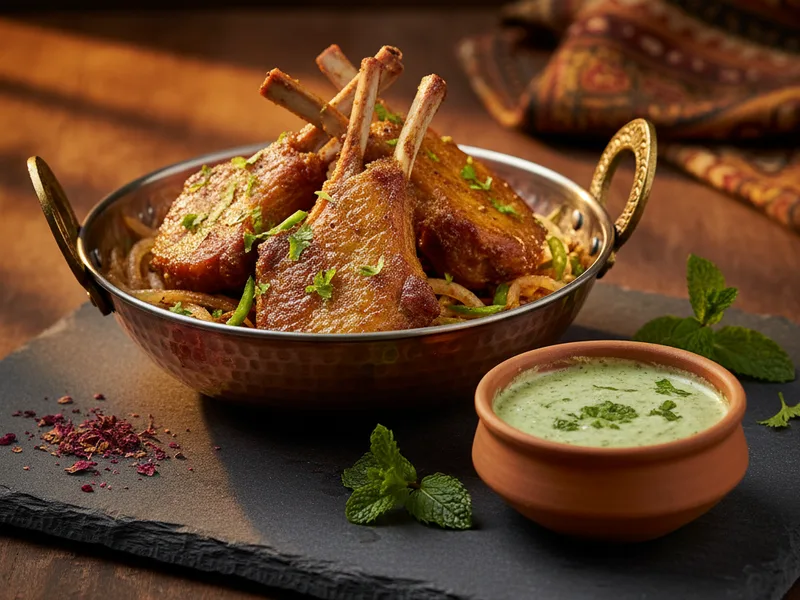
Tabak Maaz — Crispy Kashmiri Rib Chops
Kashmiri wazwan's beloved fried lamb ribs — par-boiled in a spiced milk broth until tender, then pan-fried in ghee until the exterior is caramelized and crackling. A dish of extraordinary textural contrast.
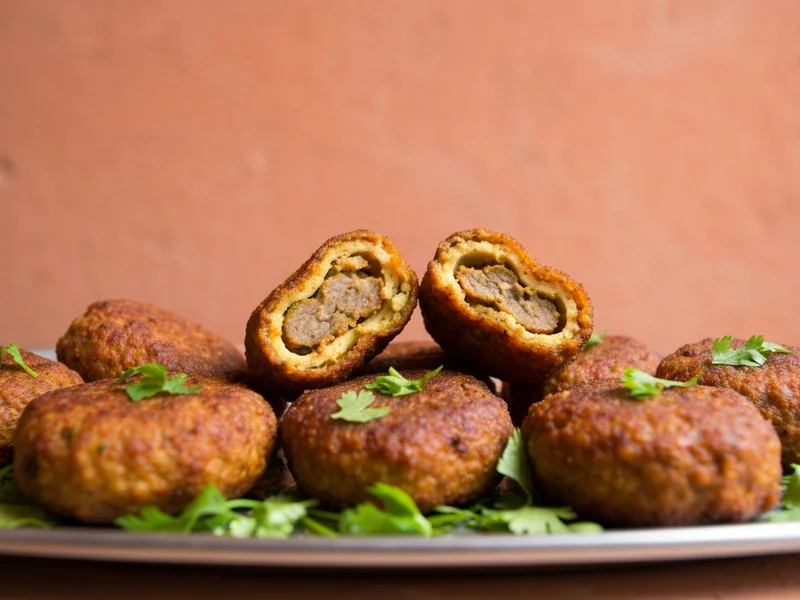
Peshawari Chapli Kebab
Flat, sizzling meat patties from Peshawar — loaded with tomatoes, coriander, and pomegranate seeds, fried in bone marrow fat until crispy on the outside, juicy within.
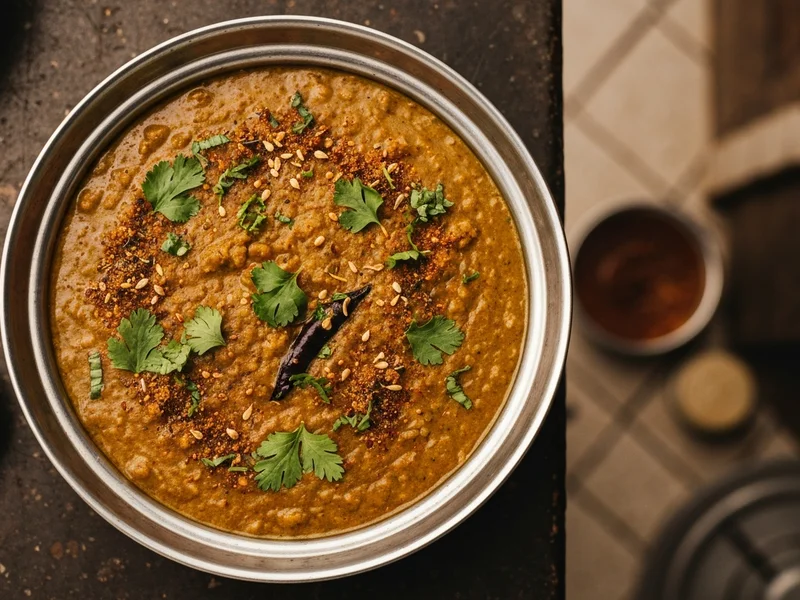
Chicken Malai Tikka
Cream and cheese-marinated chicken grilled until charred and smoky — Lahore's favourite non-spicy appetiser that melts on your tongue.
What Cooks Are Saying
I was nervous to try this but the instructions made it so easy. Turned out amazing.
My husband said it's the best he's ever had. Coming from him that means everything!
Solid recipe. Added a bit more ginger than suggested and it was excellent.
Leave a Review
Tried this recipe? Share your experience — your review helps other cooks.