
Punjab cuisine
Lahori Shami Kebab
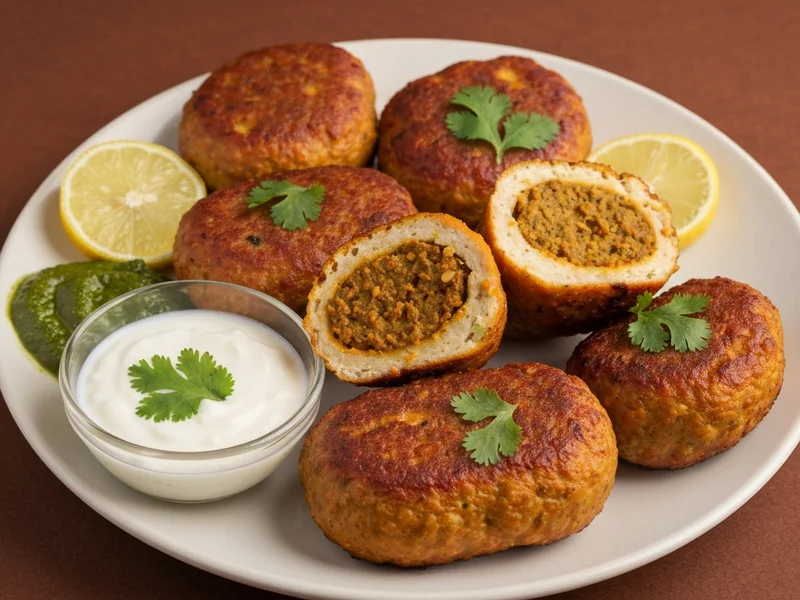
Lahori Shami Kebab is a traditional Punjab Pakistani dish. Lahori Shami Kebab are silky-smooth pan-fried patties made from slow-cooked beef and split chickpeas — spiced, herb-flecked, and crispy at the edges. The quintessential Pakistani tea-time snack.
Shami kebab might be the most deceptively simple-sounding dish in Pakistani cooking — and also one of the most technically demanding to do well. When they're right, they're transcendent: a thin, crisp crust giving way to a centre so smooth it's almost creamy, studded with finely diced onion and green chilli.
True or not, the result is glorious. In Lahore, shami kebabs are the definitive chai-time snack — a plate of them arrives with adrak wali chai (ginger tea), and no further explanation is required. They also freeze beautifully, which is why most Pakistani mothers make large batches.
Ingredients
Instructions
- SLOW-COOK THE MEAT AND DAL: In a degh (heavy pot), combine the gosht (beef), soaked chana dal, half the pyaz (onion), adrak (ginger), lehsan (garlic), 2 hari mirch (green chillies), all the kharay masalay (whole spices), lal mirch powder (red chilli), and salt. Add just enough water to cover — about 2.5 cups. Bring to a boil over high heat. Skim off the foam. Reduce to low heat, cover, and simmer for 1.5–2 hours, until the meat is completely falling apart and the dal has turned to mush. HINT: The water should be mostly absorbed or evaporated by the end — you want a thick, paste-like mixture, not a soupy one. If there's still liquid, cook uncovered until it dries out completely.
- DRY OUT AND COOL: Once the meat is completely tender, remove the lid and cook on medium heat, stirring constantly, until all remaining liquid has evaporated. The mixture should look almost dry — it will stick to the base of the pot slightly as it dries. WHY: Excess moisture in the mixture causes kebabs to fall apart during frying. A dry mixture holds together and gives a crispy crust. Spread the cooked mixture on a large tray and allow to cool completely to room temperature — about 30 minutes. HINT: Don't try to grind hot mixture. The heat creates steam that makes it gummy and impossible to work with.
- REMOVE WHOLE SPICES AND GRIND: Pick out and discard all the whole spices you can find — the tej patta (bay leaves), dalchini stick (cinnamon), and any visible elaichi (cardamom). Don't worry if you miss a peppercorn or two — they'll grind fine. Transfer the cooled mixture to a food processor. Pulse in short bursts to create a smooth, cohesive paste. It should look like a smooth, slightly sticky dough. FUN FACT: Traditional shami kebab is ground in a patthar ki chakki (stone mill) for an extremely fine, silky texture — the food processor is a very acceptable modern shortcut that gives excellent results.
- MAKE THE MIXTURE: Transfer the ground mixture to a large bartan (bowl). Add the beaten anda (egg), finely diced raw pyaz (onion), 2 finely chopped raw hari mirch (green chillies), and the hara dhaniya (fresh coriander). Mix thoroughly with your hands — really work the egg through the mixture. The mixture should be slightly tacky and hold its shape when squeezed. Taste and adjust salt. HINT: If the mixture feels too wet and sticky, refrigerate it for 20–30 minutes — it firms up significantly when cold and becomes much easier to shape.
- SHAPE THE KEBABS: Wet your hands slightly to prevent sticking. Take a portion of mixture (about 2 tablespoons per kebab — roughly a large lemon's worth). Roll into a smooth ball between your palms. Flatten between your hands into a round patty about 1 cm thick and 6 cm across. The edges should be smooth, not cracked. HINT: Cracks on the edge = kebab will break during frying. If the edges crack, add another tablespoon of the mixture to the portion and re-shape. Lay shaped kebabs on a lightly oiled plate. You should get 16–18 pieces.
- PAN FRY: Heat oil in a flat tawa (griddle) or wide frying pan over medium heat. The oil should be hot but not smoking — drop a small piece of mixture in; it should sizzle steadily without spitting wildly. Carefully place kebabs in the pan — don't crowd them. Fry for 3–4 minutes on the first side without moving. The underside should develop a deep golden-brown crust — this crust is what holds the kebab together. Flip gently once with a flat spatula. Cook the second side for 2–3 minutes. HINT: If a kebab cracks when you try to flip it, it's not ready — give it another minute. A fully set crust won't crack.
- DRAIN AND SERVE: Remove finished kebabs onto a plate lined with paper towels. They should be deep golden-brown on both sides, firm to the touch, and smell incredible — like spiced, roasted meat. Serve immediately while hot and crisp. FUN FACT: Shami kebabs freeze brilliantly — lay uncooked shaped kebabs on a tray, freeze until solid, then bag them up. Fry directly from frozen on medium-low heat for 5–6 minutes per side. This is how most Pakistani mothers maintain a stockpile for unexpected guests.
Chef's Secrets
- For a filling, make a small well in the centre of each unbaked kebab and tuck in a small piece of paneer (cottage cheese) mixed with chopped onion and mint — seal and shape around it. Stuffed shamis are show-stoppers.
- The mixture can be made up to 2 days ahead and refrigerated — the cold actually makes it easier to shape. Shape and fry just before serving.
- If your kebabs keep falling apart, the mixture is too wet. Try adding 1 tablespoon of besan (gram flour) to bind it, or refrigerate for 30 minutes before shaping.
- For a lighter version, shallow fry in just a teaspoon of oil in a non-stick pan, or brush with oil and air-fry at 180°C for 12 minutes, flipping halfway.
- Mutton makes a more traditional, richer shami kebab than beef. If using mutton, the slow-cook time extends to 2–2.5 hours.
Common Questions
How long does Lahori Shami Kebab take to make?
Total time is 2h 30m — 30m prep and 2h cooking.
How many servings does this recipe make?
This recipe makes 6 servings, and is rated medium difficulty.
Which region of Pakistan is Lahori Shami Kebab from?
Lahori Shami Kebab is from Punjab, Pakistan — one of the country's most distinctive culinary traditions.
What do you serve with Lahori Shami Kebab?
Serve on a platter with mint chutney, sliced pyaz (onion rings), and lemon wedges. The traditional Pakistani way: tuck a shami kebab inside a slice of naan with raw onion, green chutney, and a squeeze of lemon — street food perfection. Excellent alongside adrak wali chai (ginger tea) for a full tea-time spread.
Goes Well With
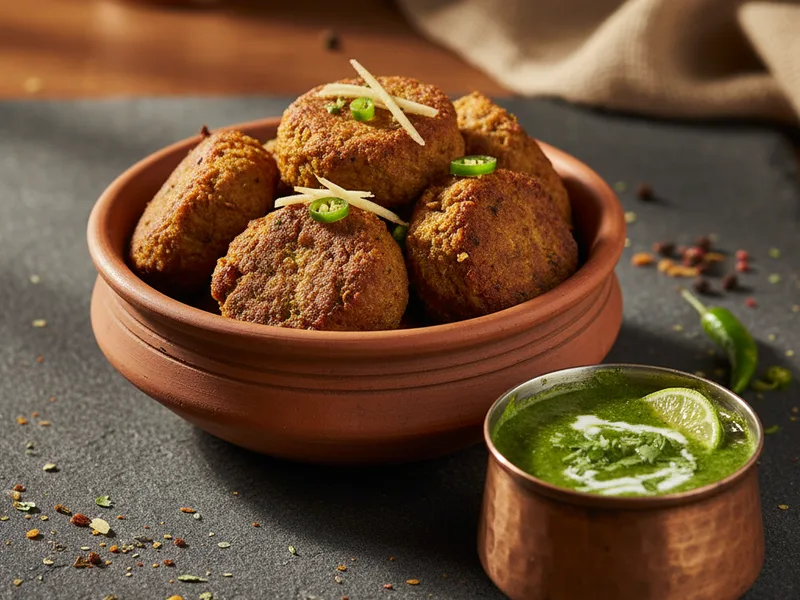
Lahori Shami Kebab — A Classic Variation
Classic Lahori-style shami kebab made with beef mince and chana dal slow-cooked with whole spices, ground and shaped into patties and fried to a golden crust. Served with green chutney and salad, this is Punjab's favourite kebab — at every dawat table from Lahore to Faisalabad.
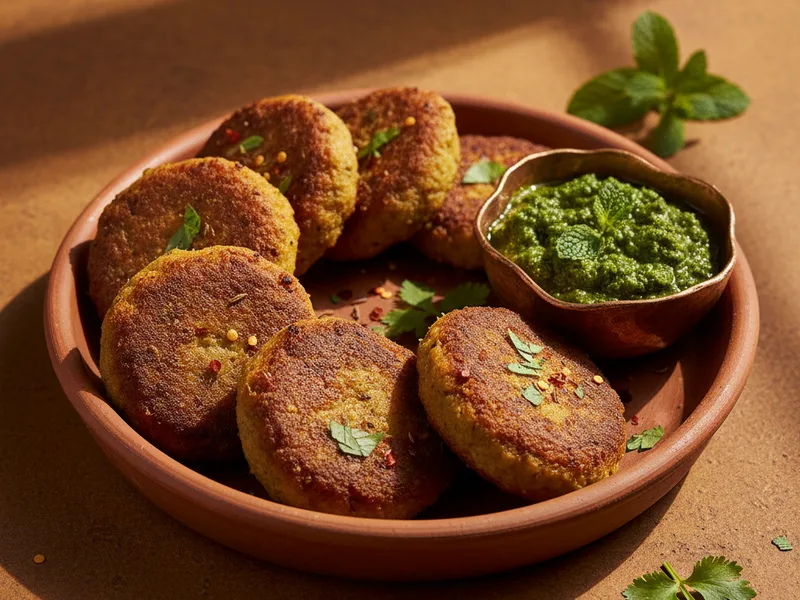
Sindhi Shami Kebab — with Potato
Sindhi-style shami kebab sets itself apart by incorporating boiled aloo (potato) into the mince mixture, making it softer, more economical, and distinctly texturally different from Punjabi versions. Cooked with a Sindhi spice profile and served with Sindhi-style green chutney.
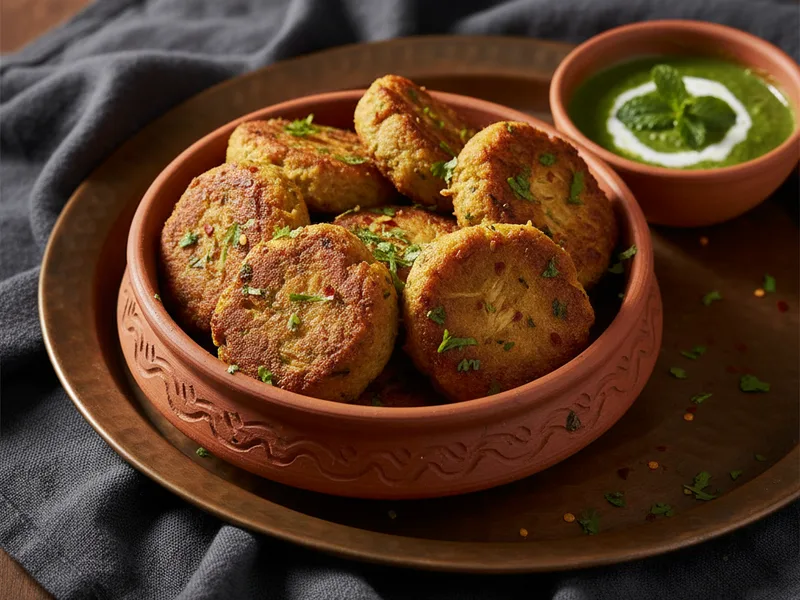
Chicken Shami Kebab
Light and flavourful chicken shami kebab made with chicken mince and chana dal, seasoned with fresh herbs and whole spices. A leaner alternative to the classic beef version that is quicker to cook, easier to shape, and just as delicious with green chutney.
What Cooks Are Saying
I was nervous to try this but the instructions made it so easy. Turned out amazing.
I've tried many recipes for this dish but this one is the best by far.
Leave a Review
Tried this recipe? Share your experience — your review helps other cooks.