
Punjab cuisine
Safed Karahi — The Creamy White Karahi
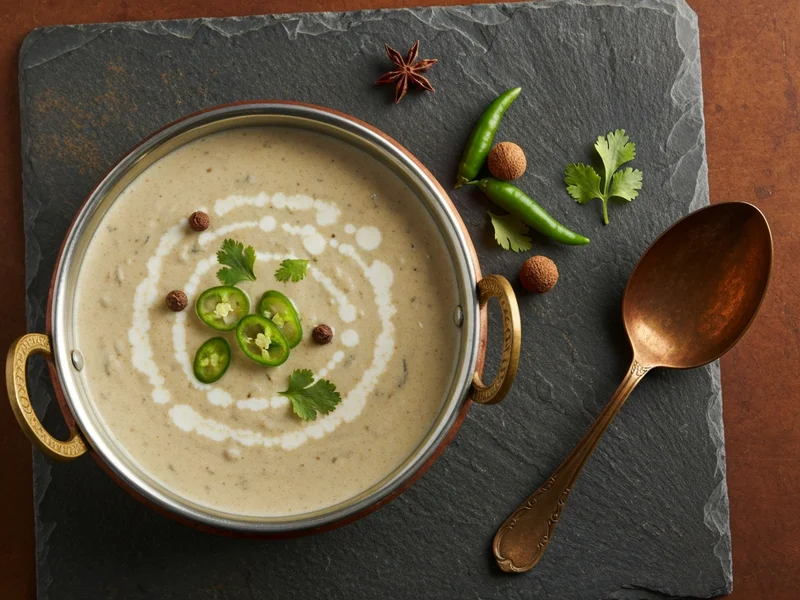
Safed Karahi — The Creamy White Karahi is a traditional Punjab Pakistani dish. A pale, ivory karahi with zero red chilli and zero tomatoes — chicken slow-cooked in cream, yoghurt, white pepper, and cashew paste. Don't let the colour fool you: this is one of the most complex karahis in Pakistani cooking.
Safed Karahi (safed = white in Urdu) is Pakistani cooking's best-kept secret. If you judge Pakistani food by heat level and red colour, this will confuse everything you thought you knew.
These white Mughal gravies were made for nobles who wanted to show off the quality of their ingredients rather than their masala shelf. The modern safed karahi is made across Punjab and has become particularly popular in Lahore's upscale restaurant scene as a 'milder option' — but calling it mild is like calling a fine Parisian sauce bland. The complexity comes from: yoghurt's lactic tang, cream's richness, white pepper's floral heat (completely different from red chilli), cashew paste's nuttiness and body, and the bhunna technique — patiently cooking the cream down until it separates and re-emulsifies into a coating sauce. The result is a pale ivory, intensely savoury, luxurious chicken karahi that makes red karahi look one-dimensional.
Ingredients
Instructions
- PREP THE CASHEW AND ONION PASTES: Soak 50g raw cashews in warm water for 20 minutes — this softens them for easier blending. Drain and blend with 4 tablespoons fresh water until completely smooth. A powerful blender works better than a food processor here. Set aside. Separately, blend 2 medium onions with 2 tablespoons water until completely smooth. Set aside. WHY: Both pastes must be completely smooth — any gritty or chunky texture will survive the cooking process and create an unpleasant mouthfeel in the final dish. If your blender isn't powerful enough, pass the onion paste through a fine sieve.
- COOK THE ONION BASE: Heat oil in a heavy karahi on medium-high heat. Add the raw blended onion paste. It will sputter and spit in the hot oil — step back. Cook the onion paste, stirring frequently, for 8-10 minutes until the raw smell disappears and it turns a pale golden colour. WHY: Raw onion paste needs time to cook out its sharpness and develop sweetness. You're not frying — you're cooking the onion paste until it's almost dry and caramelised. If it sticks, add a splash of water. The paste should reduce significantly and look almost pasty.
- ADD GINGER-GARLIC AND CHICKEN: Add ginger-garlic paste to the cooked onion and stir for 2 minutes until the raw garlic smell is gone — your nose will tell you. Then add the chicken pieces. Turn heat to high. Sear the chicken pieces, turning every 2 minutes, until they're sealed on all sides — pale golden, not brown (we're keeping it white). HINT: You're not going for the deep brown sear of a regular karahi. Just seal the surface so juices stay in. This takes about 6-8 minutes. The chicken will release its own water — keep cooking until that water evaporates.
- ADD CASHEW PASTE: Add the cashew paste to the karahi and stir it through the chicken and onion mixture. Cook for 3-4 minutes on medium heat, stirring constantly. The cashew paste will absorb the oil and turn slightly golden — it should smell nutty and toasty. WHY: Cooking the cashew paste before adding dairy removes the raw taste and blooms its flavour. It also begins to build the gravy's body. HINT: The mixture will look quite thick and possibly sticky at this stage — that's correct. It will loosen when the yoghurt and cream go in.
- THE CREAM BHUNNA: Add the heavy cream to the karahi. Turn heat to medium-high. Stir constantly as the cream heats up. After 4-5 minutes, you'll notice the cream beginning to 'break' — the fat separates as small golden droplets and the milk solids dry slightly around the edges. This is exactly what you want. Keep stirring and cooking for another 3-4 minutes. WHY: This is the bhunna technique applied to cream — cooking it past the liquid stage into a concentrated, toasted cream that carries far more flavour. The separated fat then re-emulsifies when yoghurt is added, creating a thick, clingy sauce. HINT: The smell shifts from sweet cream to something richer and more complex — almost like brown butter. Don't rush this step.
- ADD YOGHURT AND SPICES: Reduce heat to medium. Add whisked yoghurt slowly — one tablespoon at a time, stirring after each addition. Adding cold yoghurt too fast to a hot pan causes curdling (the proteins seize). Once all yoghurt is incorporated, add white pepper, cracked black pepper, slit green chillies, and salt. Stir well. The sauce should be pale ivory-white with green flecks from the chillies. Cover and cook on medium-low heat for 15-20 minutes until the chicken is fully cooked through. HINT: To test if chicken is cooked, pierce the thickest piece — the juices should run completely clear, not pink.
- FINAL BHUNNA AND SERVE: Remove the lid. Turn heat to high for the final 3-4 minutes, stirring constantly. This final high-heat bhunna evaporates excess water and concentrates the sauce so it coats the back of a spoon. The oil/fat should be visibly separating at the edges — this is called 'tail coming out' in Pakistani cooking and signals the dish is perfectly done. Taste and adjust salt. The flavour should be complex — creamy, tangy, peppery, nutty — with the chicken tender and completely coated in the ivory sauce. Finish with a final pinch of white pepper over the top.
Chef's Secrets
- The cashew paste must be blended completely smooth. Any grainy texture will survive cooking and ruin the dish's silky character. Soak cashews in warm water before blending.
- Add yoghurt one tablespoon at a time on reduced heat. The most common mistake with safed karahi is adding yoghurt too fast and splitting the sauce — once split, it's very hard to bring back.
- Taste before you add salt — the yoghurt and cashew both carry natural sodium. You need less salt here than in a red karahi.
- Safed karahi reheats beautifully but needs a splash of cream when reheating — it thickens significantly as it cools and needs a little liquid to loosen.
- For a deeper flavour, add 2 tablespoons of ghee at the very end instead of (or in addition to) finishing with white pepper. The ghee adds richness and a glossy sheen to the sauce.
Common Questions
How long does Safed Karahi — The Creamy White Karahi take to make?
Total time is 1h 5m — 20m prep and 45m cooking.
How many servings does this recipe make?
This recipe makes 4 servings, and is rated medium difficulty.
Which region of Pakistan is Safed Karahi — The Creamy White Karahi from?
Safed Karahi — The Creamy White Karahi is from Punjab, Pakistan — one of the country's most distinctive culinary traditions.
What do you serve with Safed Karahi — The Creamy White Karahi?
Serve with fresh naan or paratha — the creamy sauce demands bread for scooping. Garnish with thin ginger julienne, slit green chillies, and a drizzle of fresh cream if desired. Safed karahi is stunning served in a white karahi or dark iron karahi — the colour contrast is dramatic. Pair with a simple kachumbar salad (tomato, onion, cucumber) whose acidity cuts through the richness.
Goes Well With
White Mutton Karahi (Safed Karahi)
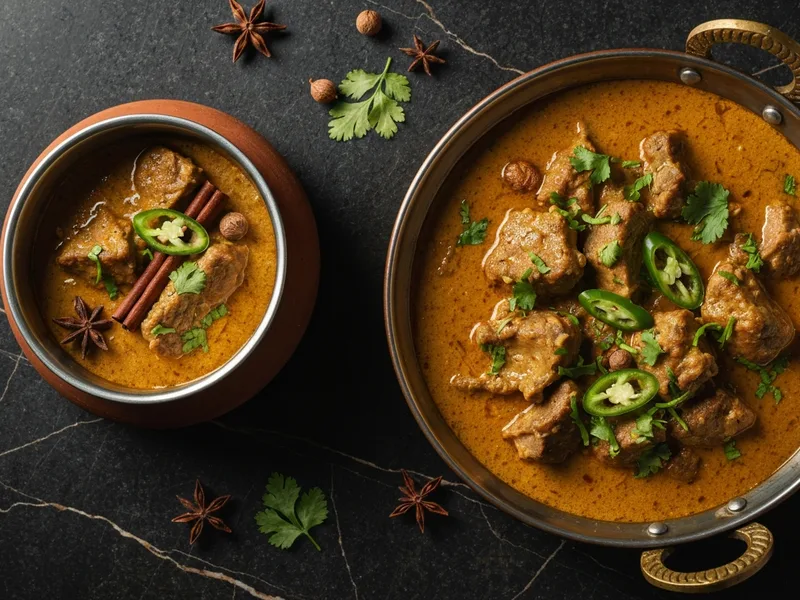
White Mutton Karahi — known as Safed (white) Karahi — is KP's most elegant dish: no red chillies, no tomatoes, no turmeric. Just mutton, cream, yoghurt, green chillies, and whole spices producing a pale, aromatic karahi of extraordinary refinement.
Sindhi Safed Karahi
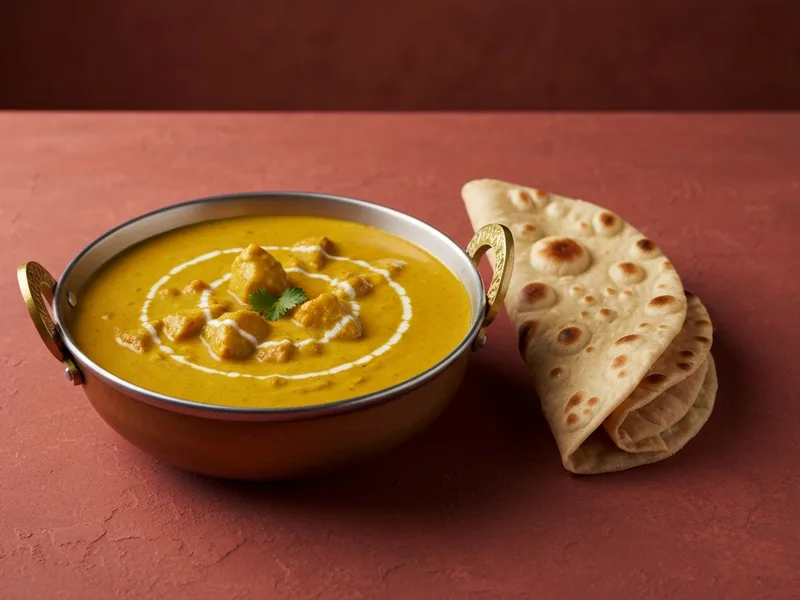
Sindhi Safed Karahi brings the white karahi concept southward, adding Sindh's characteristic touch of whole spice complexity and a slightly more generous use of cream. Elegant, aromatic, and deeply comforting.
Classic Lahori Nihari
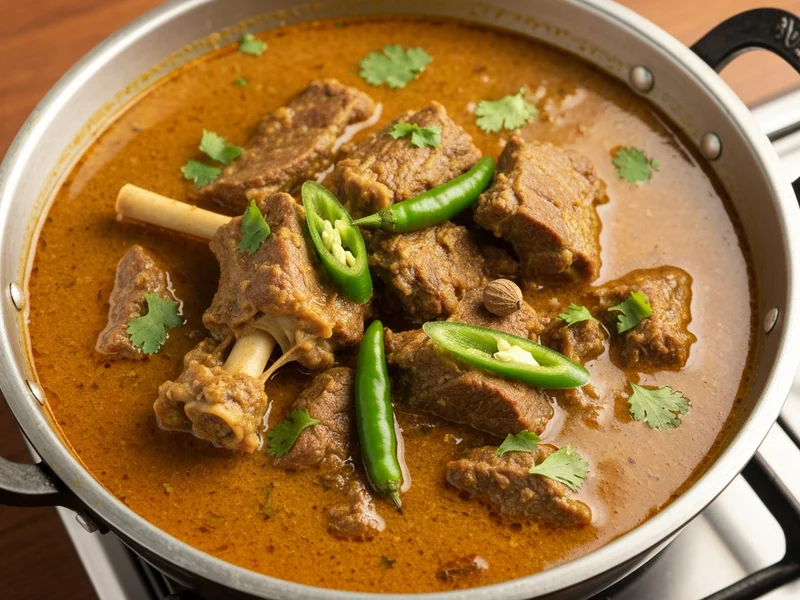
The ultimate slow-cooked breakfast stew — beef shank and bone marrow simmered overnight in a dozen spices. Old Lahore's most legendary dish.
What Cooks Are Saying
This recipe is a keeper. Followed it exactly and it turned out perfect.
Delicious and fairly straightforward. A few steps took longer than expected but the result was worth it.
Leave a Review
Tried this recipe? Share your experience — your review helps other cooks.