
Punjab cuisine
Yakhni Pulao
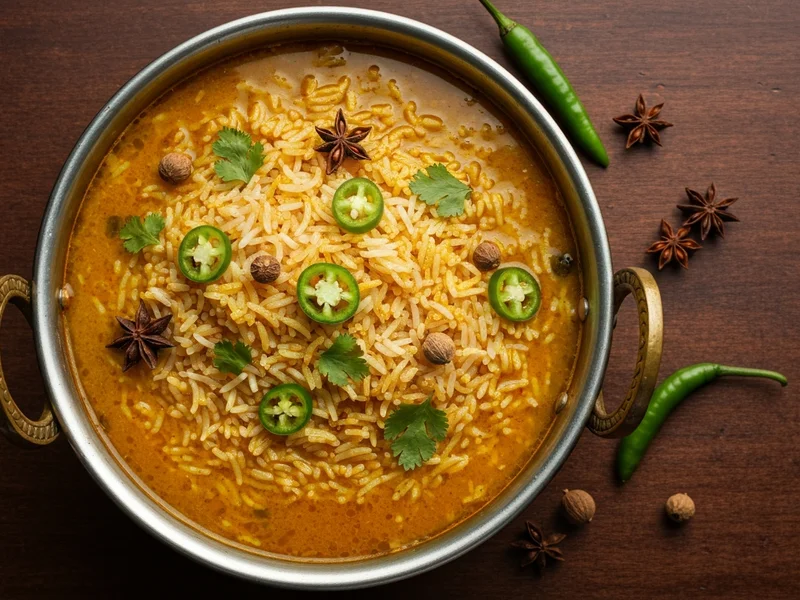
Yakhni Pulao is a traditional Punjab Pakistani dish. Yakhni Pulao is fragrant, one-pot rice cooked in a slow-simmered meat broth (yakhni) with whole spices. Lighter and more delicate than biryani, this is the dish that proves understated can be unforgettable.
If biryani is the extrovert of Pakistani rice dishes — loud, spiced, and dressed to impress — then yakhni pulao is its quietly confident cousin who doesn't need to show off.
The magic of yakhni pulao is its broth: you slowly simmer gosht (meat) with whole spices for an hour, building a deeply aromatic stock (the yakhni), then cook your rice in that flavoured liquid. Every grain absorbs the essence of the broth. No food colouring, no layers, no fuss — just the pure flavour of good meat and spice. It's the rice dish your dadi made on cold winter mornings and still makes you feel like everything is okay.
Ingredients
Instructions
- MAKE THE YAKHNI (STOCK): In a large degh (pot), add the gosht (meat), 1 whole pyaz (onion, halved), adrak (ginger), lehsan (garlic), and all the large kharay masalay (whole spices for yakhni). Add 5 cups of water and 1 teaspoon salt. Bring to a boil over high heat, skimming off the grey foam that rises to the surface. WHY: This foam is coagulated protein — removing it keeps the stock clear and clean-tasting. Once it stops foaming (about 5 minutes), reduce heat to low, cover, and simmer for 60–70 minutes. FUN FACT: A properly made yakhni should be golden-amber and smell like a spice bazaar — it's doing double duty as a fragrant meat broth and a spice infusion.
- STRAIN AND MEASURE THE YAKHNI: Remove the cooked gosht pieces and set aside. Strain the broth through a fine sieve or muslin cloth, discarding all the boiled spices, onion, and aromatics. Measure the strained yakhni — you need exactly 4 cups (for 2.5 cups of rice, the ratio is 1:1.6). If you have more, reduce by boiling. If you have less, top up with hot water. HINT: Correct liquid measurement is the single most important factor in getting rice right. Too much water = mushy, gluey rice. Too little = crunchy, undercooked rice. Measure precisely.
- FRY THE ONIONS: Heat ghee in a wide, heavy degh over medium-high heat. Add the 2 sliced onions. Fry for 15–18 minutes, stirring frequently, until deep golden brown — darker than you might think is right. These fried onions add colour and caramelised sweetness to the pulao. Remove half the fried onions and set aside for garnish. Leave the rest in the pot. HINT: Don't skimp on this step. Pale onions give pale, bland pulao. You want deep caramel colour — almost at the edge of burnt but not quite there.
- FRY SPICES AND RETURN MEAT: Add the small kharay masalay (green cardamom, cinnamon, cloves) to the onion-oil in the pot. Sizzle for 30 seconds. Add the cooked gosht pieces back in. Fry the meat with the onions and spices for 3–4 minutes, turning occasionally, until the meat has picked up some colour. Add the whisked dahi (yoghurt) — stir it in quickly over medium heat until it's absorbed into the masala, about 3 minutes. This is where the layers of flavour build.
- ADD YAKHNI AND RICE: Pour the measured yakhni (stock) into the pot. Taste it — it should be pleasantly salty, slightly over-seasoned. Bring to a full rolling boil over high heat. Add the drained soaked chawal (rice). Stir once gently. Bring back to a boil — you'll see the rice grains begin to float. HINT: After adding rice, stir only once or twice maximum. Every stir breaks rice grains. WHY: The rice absorbs the yakhni as it cooks, taking on all the flavour of the stock and spices. This is the 'pulao method' — distinct from biryani where rice and curry are layered.
- DUM (STEAM-FINISHING): Once the yakhni has been mostly absorbed and the rice surface looks like a cratered moon (small steam holes forming), reduce heat to the absolute lowest setting. Cover the pot with a tight lid — seal the edges with a chapati dough rope or place a damp cloth under the lid to trap steam. Cook on dum for 20 minutes without lifting the lid. WHY: Dum cooking allows the rice to steam in its own moisture, cooking every grain to fluffy perfection. Lifting the lid releases the steam and ruins this process. HINT: If you don't trust your lowest burner setting, place a tawa (flat griddle) under the pot as a heat diffuser.
- REST AND FLUFF: Turn off the heat. Leave the pot sealed for another 5 minutes off the heat — the residual steam finishes the rice. Open the lid away from you (the steam is very hot). Use a large fork or spatula to fluff the rice from the bottom up gently — you should see beautifully separated, long grains. Each grain should be individually coated and glossy. Plate by garnishing with the reserved fried onions and fresh hara dhaniya (coriander). FUN FACT: 'Yakhni' in Urdu can also mean 'certainly' — as in 'yakhni karo' (make sure). Every Pakistani knows yakhni pulao for certain is better the next day warmed up.
Chef's Secrets
- Add a few strands of kesar (saffron) soaked in warm milk to the rice just before sealing for dum — it gives a subtle gold colour to certain parts of the pulao, very elegant.
- The yakhni can be made a day ahead and refrigerated. The fat will solidify on top — scoop it off for a leaner pulao, or leave it for richness.
- For a more aromatic pulao, add 1 tsp of dried rose petals (gulab ki patti) to the yakhni while it simmers. Very traditional, very Lahori.
- Guard or Kernel Extra Long Grain basmati rice is worth the extra price here — the longer the grain, the more dramatic and separate the finished rice looks.
- Place a clean kitchen towel under the lid during dum — it absorbs excess moisture and prevents condensed water from dripping back onto the rice, which causes gumminess.
Common Questions
How long does Yakhni Pulao take to make?
Total time is 2h 10m — 40m prep and 1h 30m cooking.
How many servings does this recipe make?
This recipe makes 5 servings, and is rated medium difficulty.
Which region of Pakistan is Yakhni Pulao from?
Yakhni Pulao is from Punjab, Pakistan — one of the country's most distinctive culinary traditions.
What do you serve with Yakhni Pulao?
Serve with a side of raita (yoghurt sauce with cucumber and mint), kachumber salad (diced tomato, onion, and cucumber with lemon), and achar (pickle). A bowl of fresh sliced pyaz with lemon is traditional alongside. This is a complete meal — no bread needed.
Goes Well With
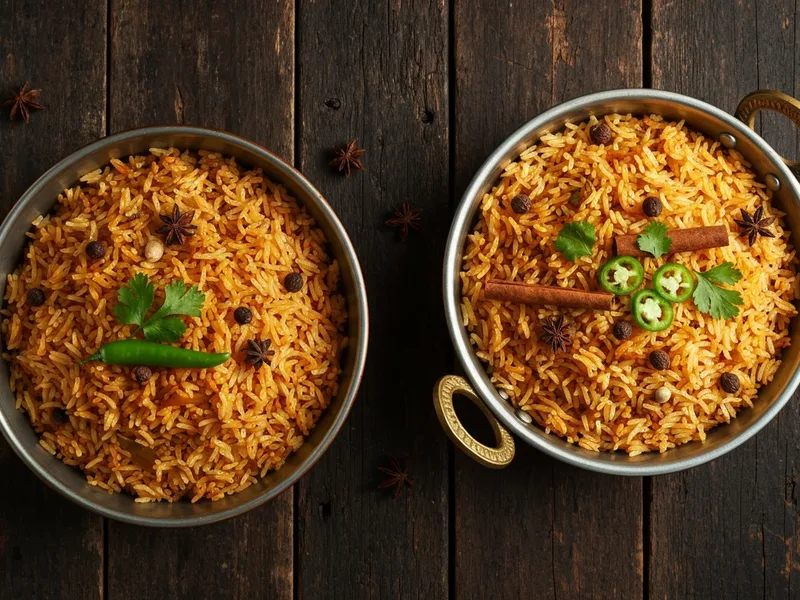
Kabuli Pulao (Afghan-Peshawari Rice)
Afghanistan's national dish — long-grain basmati rice cooked in rich lamb stock, crowned with caramelised julienned carrots, plump raisins, and slivered almonds. Mildly sweet, deeply fragrant, impossibly elegant.
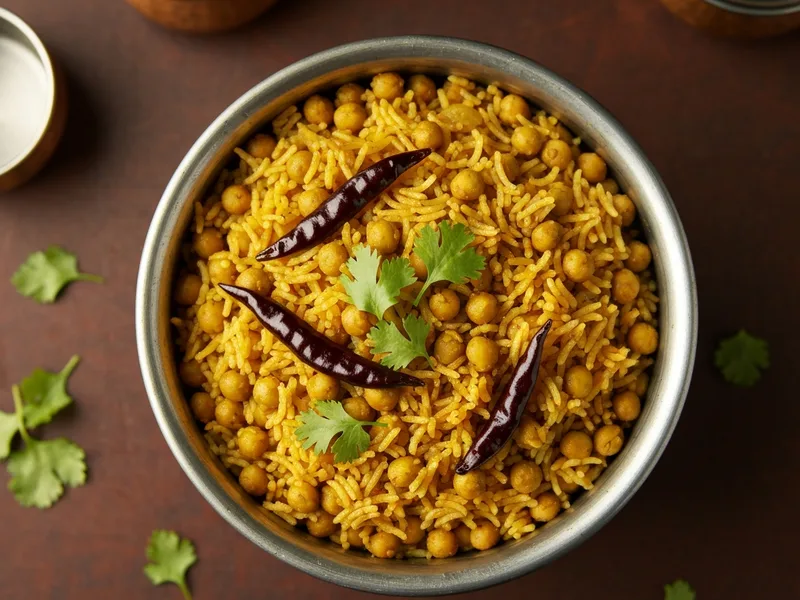
Chana Pulao
Fragrant basmati rice cooked with whole boiled chickpeas — no meat, loads of flavour. An economical, filling pulao made for large gatherings and beloved across Punjab.
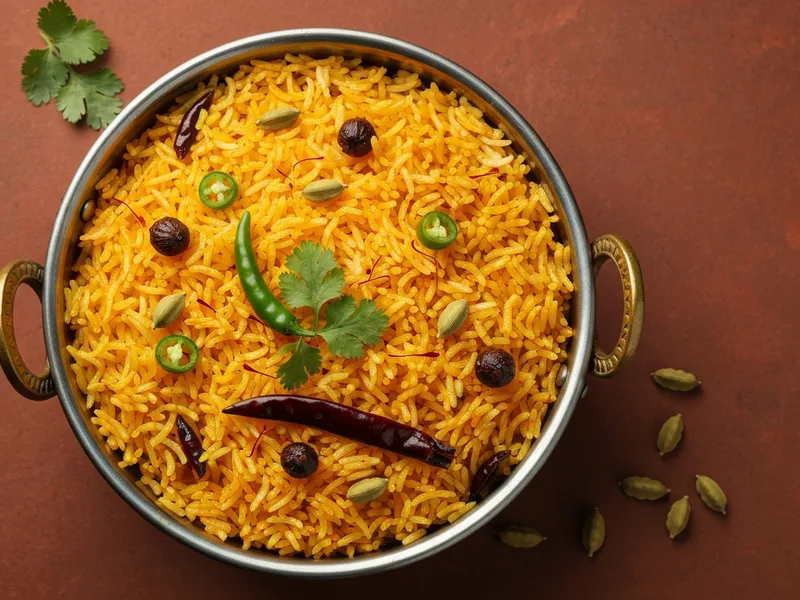
Zafrani Pulao (Saffron Rice)
Mughal festive rice — long-grain basmati perfumed with saffron-soaked milk, cooked in ghee, and crowned with dry fruits fried until golden. Mildly sweet, deeply fragrant, no meat. Served at weddings alongside korma or nihari.
What Cooks Are Saying
I've tried many recipes for this dish but this one is the best by far.
Made this for Eid and everyone asked for the recipe. Highly recommend.
Great flavours, took a little longer than the stated time but worth every minute.
Leave a Review
Tried this recipe? Share your experience — your review helps other cooks.