
KP cuisine
Kabuli Pulao (Afghan-Peshawari Rice)
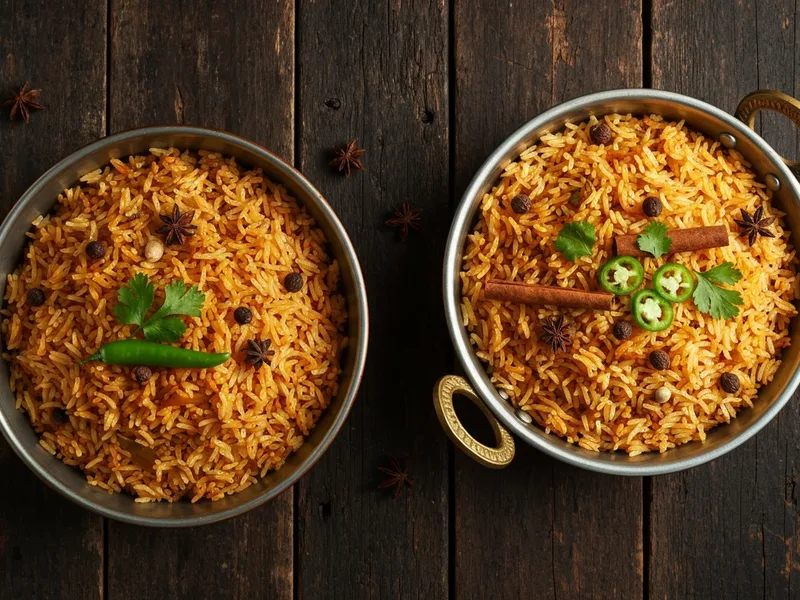
Kabuli Pulao (Afghan-Peshawari Rice) is a traditional KP Pakistani dish. Afghanistan's national dish — long-grain basmati rice cooked in rich lamb stock, crowned with caramelised julienned carrots, plump raisins, and slivered almonds. Mildly sweet, deeply fragrant, impossibly elegant.
Kabuli pulao is not Pakistani in origin — it's Afghanistan's national dish, the centrepiece of every celebration from Kabul to Kandahar. But Peshawar has claimed it so completely that it's impossible to imagine KP cuisine without it.
Kabuli pulao crossed that line as culture, not cargo. The dish is named after Kabul, the Afghan capital. In Peshawar's Namak Mandi and Qissa Khwani Bazaar, you'll find whole restaurants that serve nothing else — the rice is cooked in vast degs (cauldrons) over wood fire and the carrot topping is caramelised to order. What makes Kabuli pulao different from every other pulao: the TOPPING. Julienned carrots are cooked in ghee and sugar until they caramelise — not just softened, actually caramelised into a jammy, sweet, slightly sticky layer. Combined with plump raisins (soaked until fat), slivered almonds, and pistachios, it creates a sweet-savoury contrast that sounds strange until you try it. Char masala — four spices: cumin, coriander, black pepper, cardamom — is what gives the stock its particular Kabuli aroma.
Ingredients
Instructions
- BUILD THE STOCK: Heat 2 tbsp ghee in a heavy degh (pot) on medium-high. Add the sliced pyaz (onion) and cook, stirring, for 12-15 minutes until deep golden-brown. Add the mutton/lamb pieces and sear on all sides until browned — about 5-7 minutes. This browning builds the Maillard flavour that makes the stock rich and meaty. Add the crushed elaichi (cardamom pods), char masala, and salt. Add 3 cups of water. Bring to a boil, then reduce to a low simmer. Cover and cook for 45-55 minutes until the meat is completely tender — it should fall off the bone when you press it. HINT: The stock should taste distinctly savoury and aromatic — if it tastes watery, cook it uncovered for 10 more minutes to concentrate.
- STRAIN AND MEASURE THE STOCK: Remove the meat pieces from the stock and set aside — they'll be placed back on top of the finished rice. Strain the stock through a fine sieve into a measuring jug. Skim off excess fat from the surface if you want (or leave it for flavour). You need exactly 3 cups of stock for 2 cups of rice — add water if you're short, or boil down if you have too much. WHY this matters: too little liquid and the rice burns; too much and it turns into khichdi. The ratio is everything in pulao.
- CARAMELISE THE CARROT TOPPING: This is the step that defines Kabuli pulao. Heat 2 tbsp ghee in a separate karai (wok) on medium heat. Add the julienned gaajar (carrots) and stir for 3-4 minutes until they begin to soften. Add the cheeni (sugar) and stir continuously — the sugar will melt, coat the carrots, and slowly caramelise. You're looking for the carrots to turn from pale orange to a deep amber-orange, and the sugar to become jammy and slightly sticky. This takes 8-10 minutes on medium heat. HINT: Don't rush with high heat — the sugar burns before the carrots caramelise, and burnt sugar is bitter. Add the drained kishmish (raisins) in the last 2 minutes and stir to combine. Remove from heat.
- FRY THE NUTS: In the same karai with remaining ghee, fry the slivered badam (almonds) on medium heat for 60-90 seconds, stirring constantly, until pale golden. They go from raw to golden to burned very fast — watch carefully. Remove immediately. If using pista (pistachios), add for the last 30 seconds. Set nuts aside on kitchen paper.
- COOK THE RICE IN STOCK: Bring the 3 cups of strained stock to a boil in the cleaned degh. Add the soaked, drained basmati chawal (rice). Stir once, then reduce heat to medium. Cook uncovered until the stock is absorbed to the level of the rice — you'll see the surface of the rice appear and small steam holes form in the surface. This takes about 8-10 minutes. Taste a grain — the outside should be cooked but the centre still slightly firm. HINT: This is the absorption method — the rice finishes cooking in its own steam, not in boiling water.
- DUM (STEAM FINISH): Once the stock is absorbed, reduce heat to the absolute lowest setting. Place the cooked meat pieces gently on top of the rice. Spread the caramelised carrots and kishmish (raisins) over the rice in a beautiful layer. Cover the degh tightly with foil first, then the lid — the foil seals in the steam better than the lid alone. Cook on the lowest flame for 15-20 minutes. The steam finishes the rice and warms the meat through. DO NOT open before the time is up.
- PLATE WITH CEREMONY: Kabuli pulao deserves a proper presentation. Spread the rice onto a large platter. Arrange the meat pieces on top. Scatter the caramelised carrot and raisin topping generously. Finish with the fried badam (almonds) and pista (pistachios). The colours — saffron rice, amber carrots, jewel-dark raisins, golden nuts — make this one of the most beautiful dishes in South and Central Asian cooking. FUN FACT: In Afghanistan, the quality of a host is judged by the kabuli pulao they serve. Showing up at a gathering and seeing kabuli pulao is the highest compliment.
Chef's Secrets
- The carrot topping must be caramelised, not just sautéed. The transformation from 'cooked carrots' to 'jammy, sweet, slightly sticky ribbons' only happens when the sugar has properly caramelised — this takes patience and medium heat.
- Use bone-in meat. The collagen from the bones makes the stock gelatinous and rich — when cool, a good kabuli stock should set like jelly. Boneless meat makes a thinner stock that produces flat-tasting rice.
- Char masala (four-spice blend) is what makes Kabuli pulao taste different from every other pulao. Make your own by toasting and grinding cumin, coriander, black pepper, and cardamom in equal parts — the freshness is incomparable.
- The rice-to-stock ratio (1:1.5) is tighter than biryani — get it wrong and the rice is either crunchy or mushy. Measure precisely and trust the process.
- Soak the raisins until they're plump and soft before adding to the caramelised carrots. Dry raisins absorb moisture from the rice during dum and can create dry patches.
Common Questions
How long does Kabuli Pulao (Afghan-Peshawari Rice) take to make?
Total time is 2h 30m — 1h prep and 1h 30m cooking.
How many servings does this recipe make?
This recipe makes 5 servings, and is rated medium difficulty.
Which region of Pakistan is Kabuli Pulao (Afghan-Peshawari Rice) from?
Kabuli Pulao (Afghan-Peshawari Rice) is from KP, Pakistan — one of the country's most distinctive culinary traditions.
What do you serve with Kabuli Pulao (Afghan-Peshawari Rice)?
Serve with a bowl of simple dahi (yoghurt) on the side — the cooling yoghurt balances the sweet-savoury rice perfectly. A salad of fresh tomatoes, cucumber, and raw onion dressed with lemon and salt completes the meal. In KP tradition, kabuli pulao is often the entire meal — the meat, rice, and toppings are self-contained.
Goes Well With
Yakhni Pulao
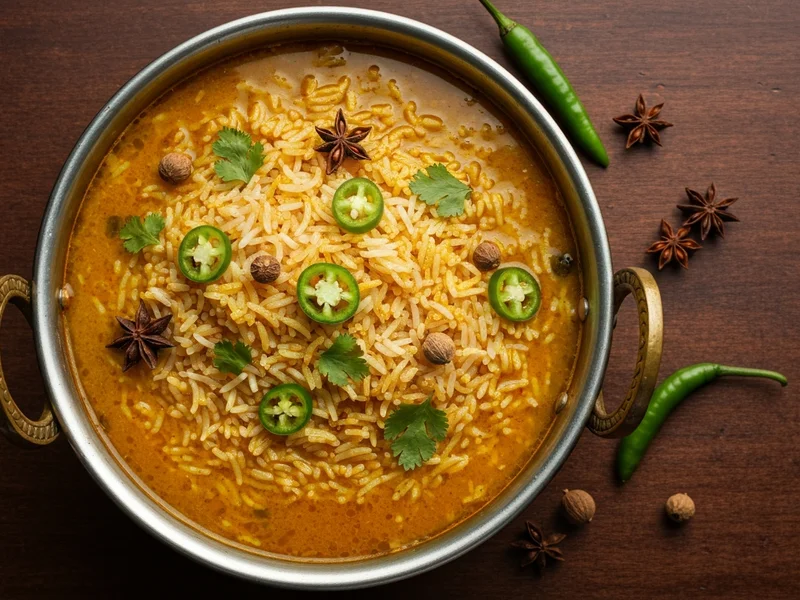
Yakhni Pulao is fragrant, one-pot rice cooked in a slow-simmered meat broth (yakhni) with whole spices. Lighter and more delicate than biryani, this is the dish that proves understated can be unforgettable.
Chana Pulao
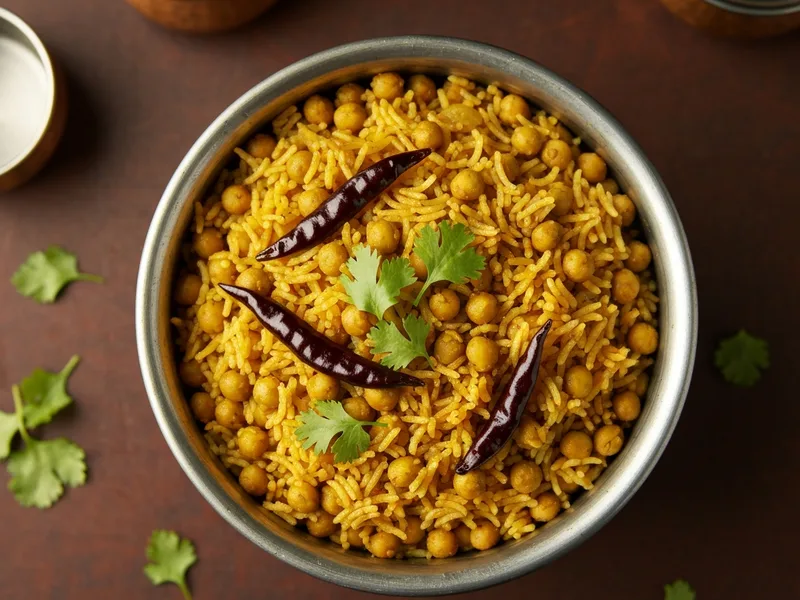
Fragrant basmati rice cooked with whole boiled chickpeas — no meat, loads of flavour. An economical, filling pulao made for large gatherings and beloved across Punjab.
Zafrani Pulao (Saffron Rice)
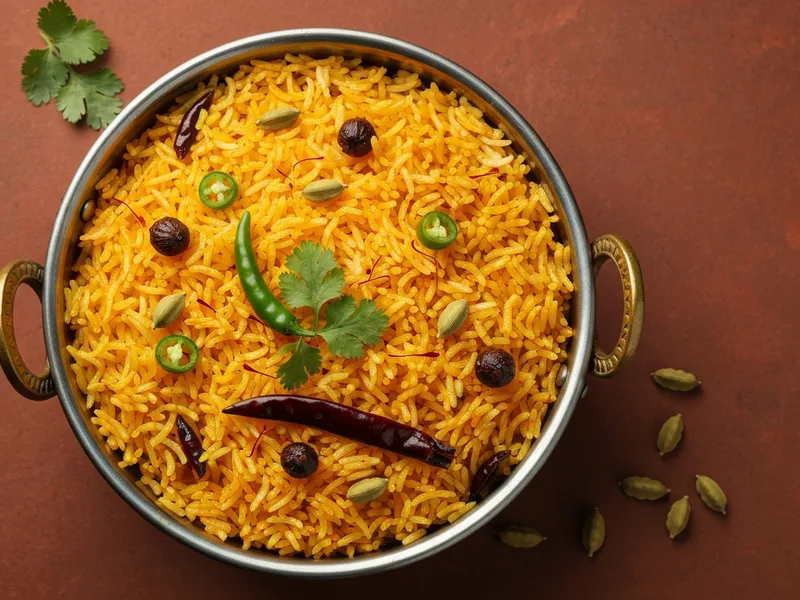
Mughal festive rice — long-grain basmati perfumed with saffron-soaked milk, cooked in ghee, and crowned with dry fruits fried until golden. Mildly sweet, deeply fragrant, no meat. Served at weddings alongside korma or nihari.
What Cooks Are Saying
I've tried many recipes for this dish but this one is the best by far.
Made this for Eid and everyone asked for the recipe. Highly recommend.
Great flavours, took a little longer than the stated time but worth every minute.
Leave a Review
Tried this recipe? Share your experience — your review helps other cooks.