
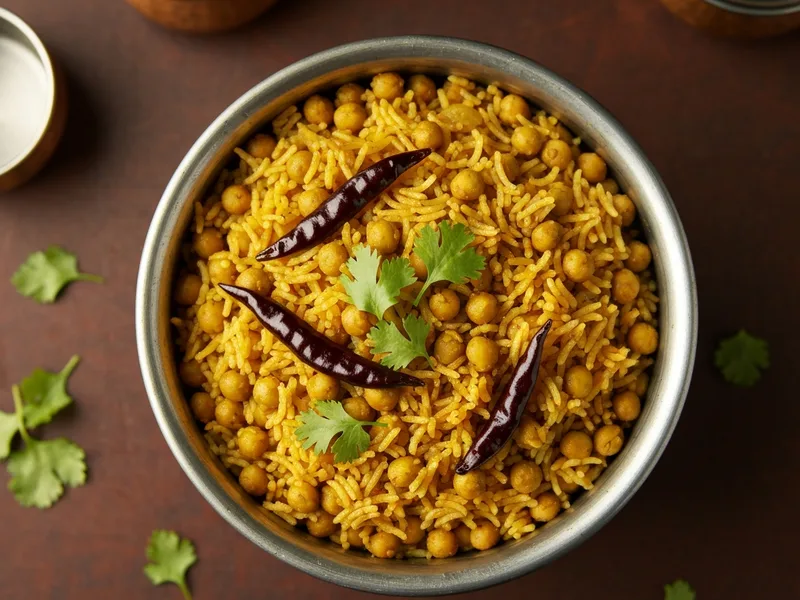
Punjab cuisine
Chana Pulao
Chana Pulao is a traditional Punjab Pakistani dish. Fragrant basmati rice cooked with whole boiled chickpeas — no meat, loads of flavour. An economical, filling pulao made for large gatherings and beloved across Punjab.
Chana pulao is the unsung hero of Pakistani gatherings. While biryani and pilau gosht (meat rice) get all the attention, chana pulao is the one that actually feeds the most people for the least money — and more importantly, everyone loves it.
The kabuli chana (round white chickpeas) in this recipe are named after Kabul — they're the larger, pale variety that traveled from Afghanistan into South Asia, as opposed to the smaller, darker desi chana. In this pulao, those chickpeas soak up the whole spice-scented stock and take on a savoury depth that's completely different from how they taste in chaat or curries. This is a no-meat recipe, but it doesn't taste like it's missing anything — the chickpeas provide protein and a meaty bite, and the whole spice-infused absorption method builds a fragrance that fills the room. It's made using the classic Pakistani absorption method: spices bloom in ghee, rice and chickpeas go in together, stock covers everything, and dum (steam) finishes it.
Ingredients
Instructions
- MAKE THE BARISTA PYAZ: Fry half the sliced onions in 2 tbsp ghee in a heavy degh (pot) on medium-high heat, stirring frequently, until they turn deep golden-amber — 10-12 minutes. Remove with a slotted chamcha (ladle) onto a plate lined with kitchen paper. These will be used as garnish and they'll crisp up as they cool. Leave the remaining ghee in the pot.
- BLOOM THE SPICES: With the ghee still hot, add the remaining sliced pyaz (onion) to the pot. Cook until translucent — just 4-5 minutes, not deep golden this time. Add the adrak lehsan paste (ginger-garlic paste) and stir for 2 minutes until the raw smell cooks off. Now add all the kharay masalay (whole spices): they should sizzle immediately in the hot ghee. HINT: This blooming step is critical — whole spices in hot fat release their essential oils in a way they simply can't when added to water. The fragrance should hit you in a wave within 30 seconds.
- ADD CHICKPEAS AND RICE: Add the boiled kabuli chana (chickpeas) to the pot and stir to coat them in the spiced ghee. Add the dahi (yoghurt) and stir until it's absorbed — about 1 minute. Add half the chopped hara dhaniya (coriander) and the slit hari mirch (green chillies). Add namak (salt) generously. Now drain the soaked rice and add it to the pot. Stir gently once to combine — be careful not to break the rice grains.
- ADD LIQUID AND COOK: Pour in the 3 cups of water or stock. The liquid should just cover the rice. Bring to a boil on high heat. Once boiling, stir once more gently, then reduce heat to medium. Cook uncovered, watching the surface. As the water absorbs and approaches the level of the rice, small craters or holes will form in the surface — this is the steam escaping and it means you're close. When the water level drops to just below the surface of the rice (about 8-10 minutes), reduce heat to the absolute lowest setting.
- DUM (STEAM FINISH): Place a piece of aluminium foil across the top of the degh, fold the edges tight, then put the lid on firmly. Cook on the lowest possible heat for 15 minutes. DO NOT LIFT THE LID. The steam trapped inside finishes cooking the rice from the outside in. FUN FACT: The word 'dum' comes from Persian and means 'breath' — the rice is literally breathing in its own steam.
- SERVE: Open the lid — the rice should be fluffy and fragrant, with the chickpeas nestled throughout. Using a large chamcha (ladle), gently fold the rice from the bottom once or twice to distribute the chickpeas evenly. Mound onto a large platter, scatter the crispy barista pyaz (fried onions) over the top, and garnish with the remaining fresh hara dhaniya (coriander). Serve immediately.
Chef's Secrets
- Fully cooked chickpeas are essential — if they're even slightly undercooked when you start, they'll still be firm after the dum. The test: a chickpea should mash between your thumb and finger with very little pressure.
- Don't skip the barista pyaz (fried onion) garnish. It adds crunch, sweetness, and colour — the contrast against the white rice is what makes the final dish look like it came from a proper restaurant.
- The 1:1.5 rice-to-liquid ratio is firm for absorption-method pulao. More water = mushy. Less water = crunchy bottom and uncooked top. Measure carefully.
- For a more aromatic pulao, add a small piece of mace (javitri) and a star anise (baadiyan) to the whole spices. These are warming, slightly floral notes that lift the entire fragrance.
- Chana pulao reheats beautifully — sprinkle a tablespoon of water over the surface, cover, and heat on low until steaming. The dum effect restores the fluffy texture.
Common Questions
How long does Chana Pulao take to make?
Total time is 1h 5m — 20m prep and 45m cooking.
How many servings does this recipe make?
This recipe makes 5 servings, and is rated medium difficulty.
Which region of Pakistan is Chana Pulao from?
Chana Pulao is from Punjab, Pakistan — one of the country's most distinctive culinary traditions.
What do you serve with Chana Pulao?
Serve with a fresh cucumber and tomato raita — whisk dahi (yoghurt) with grated kheera (cucumber), salt, and a pinch of zeera powder. A bowl of achaar (pickle) on the side and fresh hari mirch (green chillies) for anyone who wants extra heat. At gatherings, chana pulao is often served alongside a simple kali daal to make a complete meal.
Goes Well With
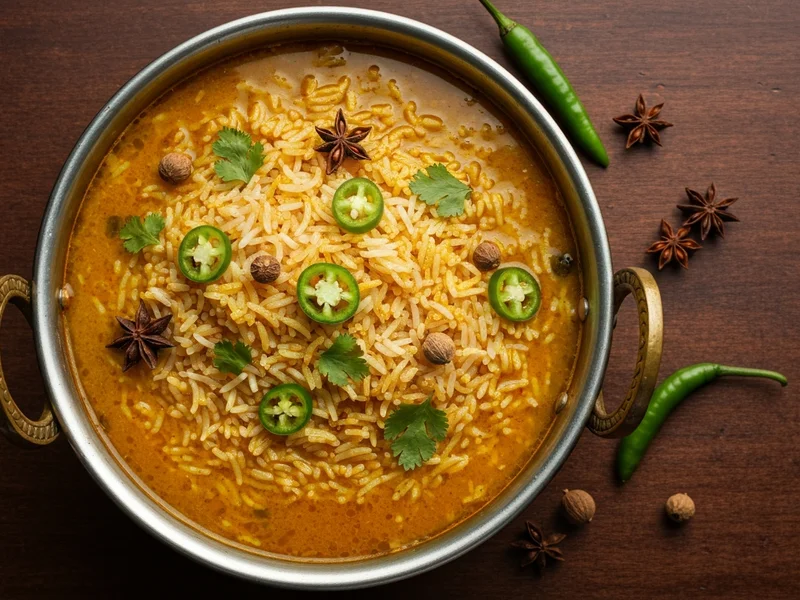
Yakhni Pulao
Yakhni Pulao is fragrant, one-pot rice cooked in a slow-simmered meat broth (yakhni) with whole spices. Lighter and more delicate than biryani, this is the dish that proves understated can be unforgettable.
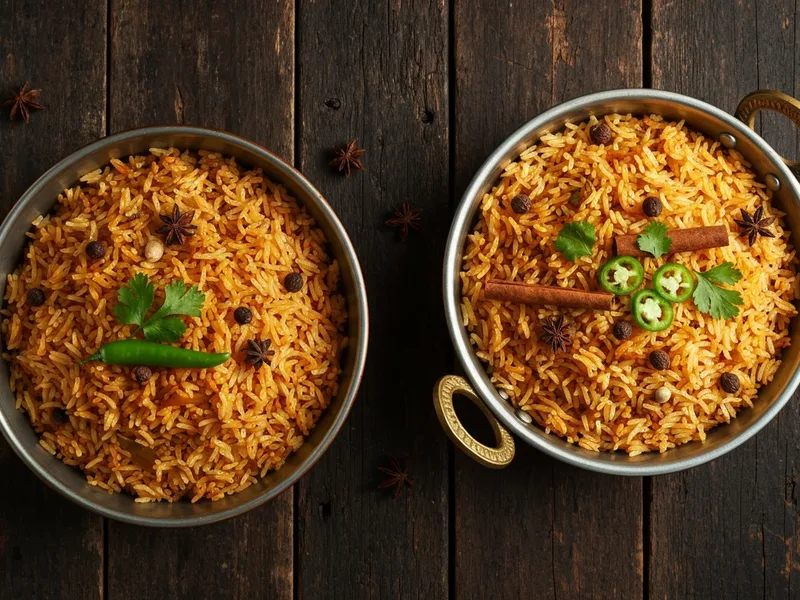
Kabuli Pulao (Afghan-Peshawari Rice)
Afghanistan's national dish — long-grain basmati rice cooked in rich lamb stock, crowned with caramelised julienned carrots, plump raisins, and slivered almonds. Mildly sweet, deeply fragrant, impossibly elegant.
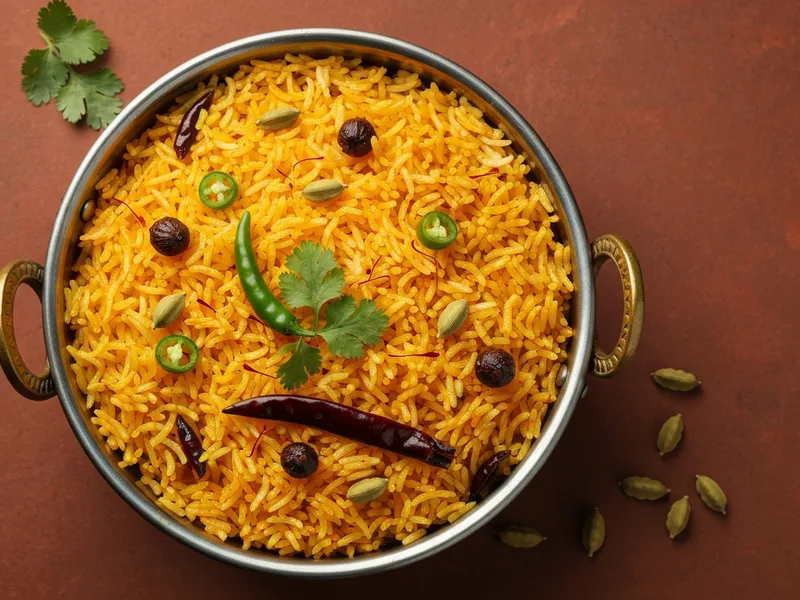
Zafrani Pulao (Saffron Rice)
Mughal festive rice — long-grain basmati perfumed with saffron-soaked milk, cooked in ghee, and crowned with dry fruits fried until golden. Mildly sweet, deeply fragrant, no meat. Served at weddings alongside korma or nihari.
What Cooks Are Saying
I've tried many recipes for this dish but this one is the best by far.
Made this for Eid and everyone asked for the recipe. Highly recommend.
Great flavours, took a little longer than the stated time but worth every minute.
Leave a Review
Tried this recipe? Share your experience — your review helps other cooks.