
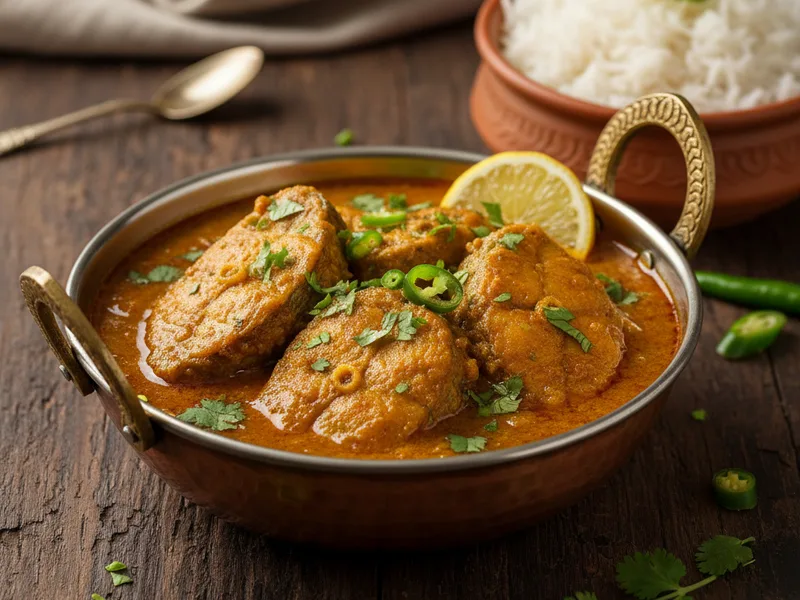
Sindh cuisine
Pallo Fish Curry Sindhi
Pallo Fish Curry Sindhi is a traditional Sindh Pakistani dish. Sindhi Pallo Fish Curry is a rich, aromatic masala preparation of hilsa fish — the bold Sindhi spice profile complements pallo's natural richness, creating a curry worthy of the king of Indus fish.
When pallo isn't being fried (which is most of the time), it's being simmered in a thick, fragrant Sindhi masala.
The fish were so plentiful during these runs that they were caught by hand in shallow waters — and the tradition of pallo fishing festivals along the Indus has roots going back to Indus Valley Civilisation times. The curry version of pallo machli is slower, more complex, and allows the rich, oily fish to meld beautifully with the spiced tomato-onion gravy. The result has a depth that fried pallo doesn't quite achieve — the fish fat renders into the gravy, enriching it in a way that only the most flavourful fish can manage. Fun fact: pallo is so oily that Sindhi cooks often use less cooking oil than usual when making a curry — the fish provides its own fat to the dish. This makes pallo curry naturally self-basting. The key technique is adding fish late in the cooking process — once the masala is completely ready — and cooking it gently so the delicate flesh doesn't fall apart. Treat pallo like the royalty it is.
Ingredients
Instructions
- MARINATE FISH: Rub fish pieces with salt, a pinch of haldi, and ajwain. Set aside 15 minutes.
- BUILD MASALA: Heat oil in a flat-bottomed pan. Add kari patta and let sizzle. Add chopped piyaz and cook until golden brown. Add adrak lahsun paste, cook 2 minutes. Add pureed tamatar, laal mirch powder, dhania powder, and remaining haldi. Cook until oil separates and masala is thick, about 10 minutes.
- ADD WATER: Add 200ml water to masala. Stir and bring to a gentle simmer.
- ADD FISH GENTLY: Lower fish steaks into the simmering masala very carefully. Don't stir — pallo is delicate and will break apart. Just spoon masala over the fish pieces gently.
- SIMMER COVERED: Cover and cook on low heat for 12-15 minutes until fish is cooked through. The fish is done when it flakes easily at the thickest part.
- FINISH: Squeeze nimbu juice over the curry. Garnish with hara dhania. Serve carefully, keeping fish pieces intact.
Chef's Secrets
- Never stir fish curry aggressively — pallo falls apart easily and you want whole beautiful pieces
- The minimal oil instruction is real — pallo releases its own fat into the curry
- Curry leaves are non-negotiable for Sindhi fish curry authenticity
- If pallo isn't available, hilsa or pomfret are the best substitutes
Common Questions
How long does Pallo Fish Curry Sindhi take to make?
Total time is 55m — 20m prep and 35m cooking.
How many servings does this recipe make?
This recipe makes 4 servings, and is rated medium difficulty.
Which region of Pakistan is Pallo Fish Curry Sindhi from?
Pallo Fish Curry Sindhi is from Sindh, Pakistan — one of the country's most distinctive culinary traditions.
What do you serve with Pallo Fish Curry Sindhi?
Serve with plain boiled chawal (rice) — the gravy-soaked rice with pallo is one of life's great combinations.
Goes Well With
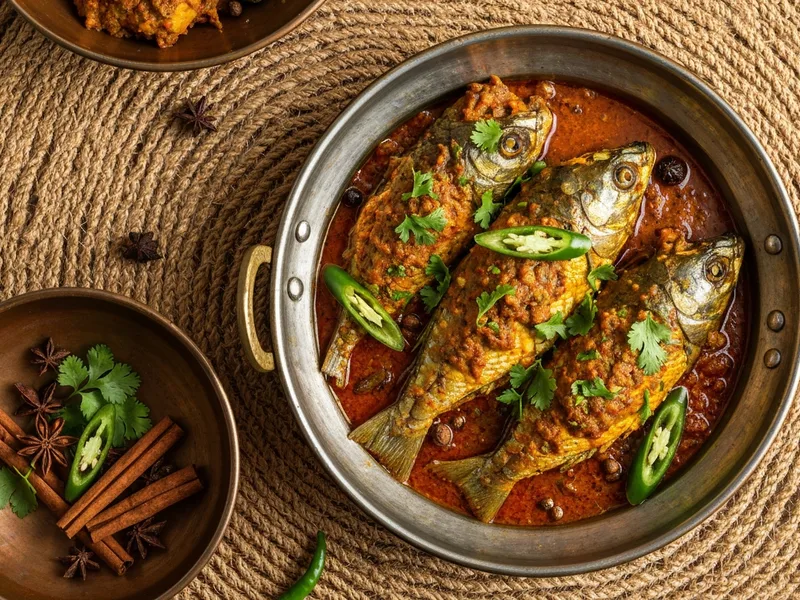
Pallo Machli (Stuffed Sindhi River Fish)
Sindh's sacred migratory river fish — pallo (Tenualosa ilisha, the Pakistani hilsa) — stuffed with green coriander-chilli masala and cooked. Only available fresh in Sindh from February to April. Substitute: surmai (kingfish) or frozen hilsa. NEVER rohu or catla — they are a completely different fish family.
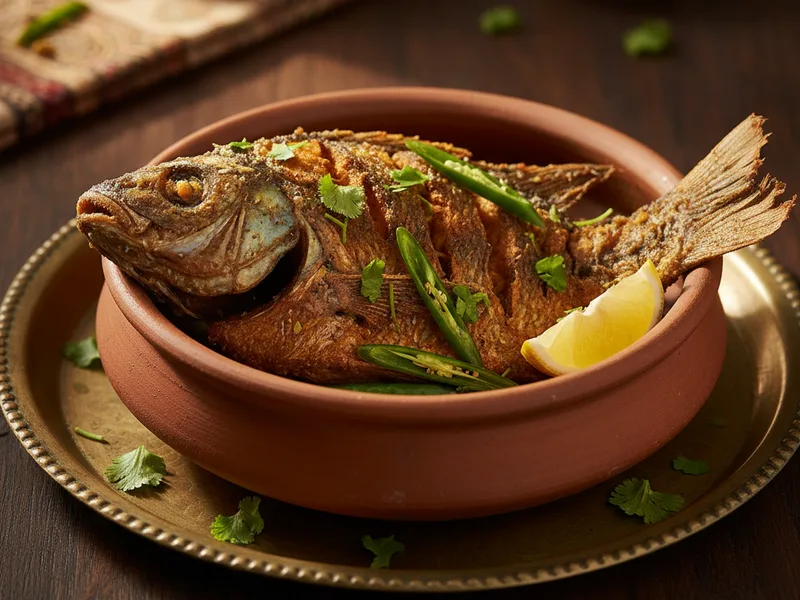
Sindhi Fried Pallo Fish
Sindhi Fried Pallo Machli is the celebration dish of the Indus — hilsa fish marinated in bold spices and deep-fried to a shattering, golden crisp. A seasonal treasure that Sindhis wait all year for.
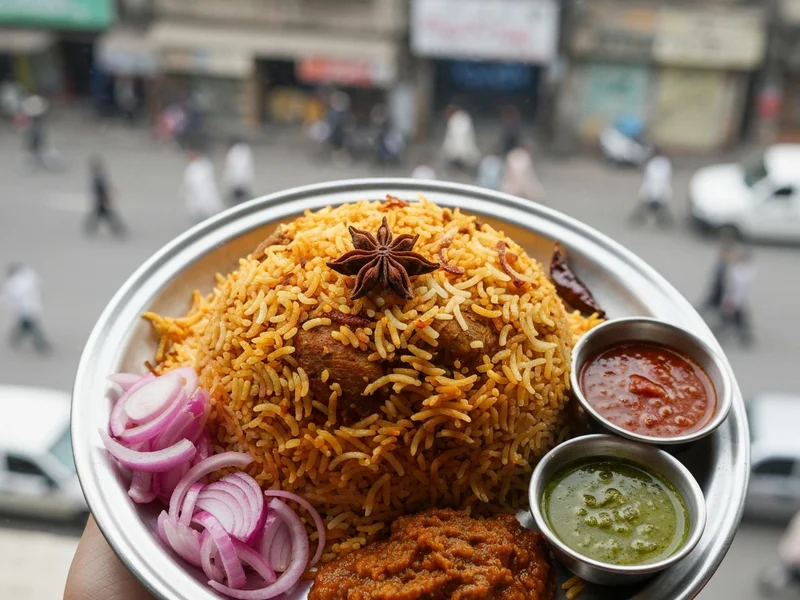
Authentic Karachi Biryani
The iconic Karachi-style biryani — fiery, tangy, loaded with potatoes and prunes. Born in the streets of Karachi, perfected by generations of Muhajir cooks.
What Cooks Are Saying
Made this last weekend and the whole family loved it. Will definitely make again.
Incredible depth of flavour. The spice balance is just right — not too hot, not too mild.
Leave a Review
Tried this recipe? Share your experience — your review helps other cooks.