
KP (Peshawar — Afghan Community) cuisine
Peshawari Mantu
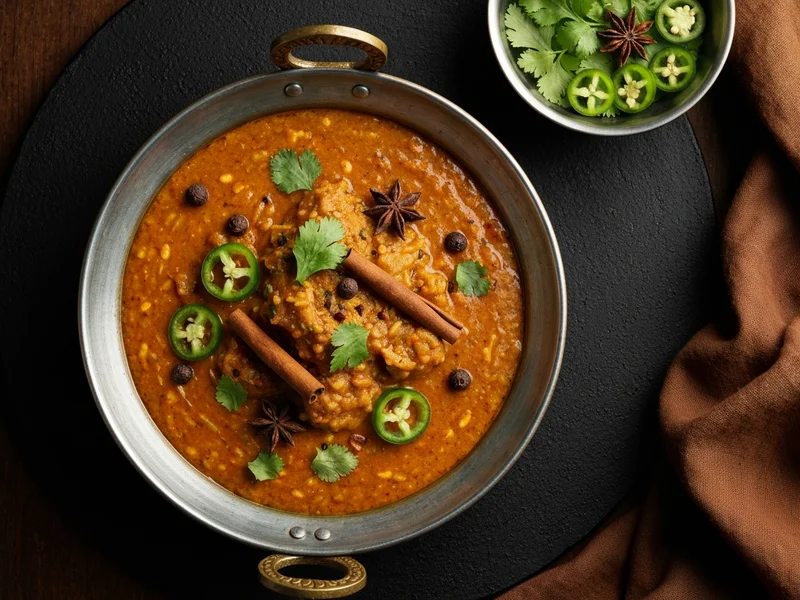
Peshawari Mantu is a traditional KP (Peshawar — Afghan Community) Pakistani dish. Afghan-origin steamed dumplings beloved in Peshawar — thin pasta dough filled with spiced minced beef, served on garlicky yoghurt with a tomato sauce and dried mint. A dish that crossed continents.
Mantu arrived in Peshawar tucked inside the collective memory of millions of Afghan refugees. As one of the largest refugee populations in the world settled across KP in the 1980s and 1990s, their food culture wove itself permanently into Peshawar's street food fabric. Today, Mantu is as Peshawari as chapli kebab — you find it in dedicated Mantu shops, in Afghan restaurants in Hayatabad, and in family kitchens across the city.
The Mongols spread their stuffed dumplings across their vast empire — from China (where they became 'mantou', an ancestor of baozi) to Central Asia, to the Caucasus (Georgia's 'khinkali'), to Turkey ('manti'), to Korea ('mandu'), and eventually to Afghanistan and Pakistan. One dish, a dozen cultures, one ancient root. The hot-cold contrast that defines a plate of Mantu — steaming hot dumplings against icy cold garlicky yoghurt — is one of the most interesting flavour experiences in Pakistani street food. Do not skip the yoghurt. It is not a garnish. It is the point.
Ingredients
Instructions
- MAKE THE DOUGH: In a large bartan (bowl), combine 2 cups maida (plain flour) with half a teaspoon of salt. Make a well in the centre, add 1 whisked egg, and begin adding warm water a little at a time — start with a quarter cup, mix, then add more as needed. Mix with your fingers until a shaggy dough forms, then turn it out onto a clean surface and knead firmly for 8-10 minutes. WHY: The longer you knead, the more gluten develops — and gluten is what makes the wrappers stretchy, thin, and strong enough to hold the filling without splitting during steaming. The finished dough should feel smooth, firm, and slightly elastic — like Play-Doh but firmer. HINT: If the dough sticks to your hands, add a pinch of flour. If it cracks when you fold it, it's too dry — add a teaspoon of water at a time. Wrap the dough in a damp cloth and rest for 30 minutes. This rest is non-negotiable — it relaxes the gluten and makes rolling much easier.
- MAKE THE FILLING: In a bartan, combine the minced qeema (beef or mutton) with 1 finely chopped onion, 1 tsp black pepper, half tsp cumin, and 1 tsp salt. Mix thoroughly with your hands — squeezing and pressing until everything is uniformly combined. HINT: The onion must be chopped very fine — almost minced. Large pieces of onion create uneven lumps that are difficult to wrap and can tear the thin dough. The filling should feel firm and cohesive, not wet or sloppy. If your qeema feels very wet (some freshly minced meat is quite moist), squeeze it in a clean cloth for a minute to remove excess liquid. A wet filling steams and releases liquid, which can make the dumplings soggy. FUN FACT: In Afghanistan, Mantu filling sometimes includes lamb tail fat (dumba), which gives an extraordinary richness — if you can source it from a Balochi or Afghan butcher, try substituting 50g of the mince with diced tail fat.
- ROLL AND CUT THE WRAPPERS: Divide the rested dough into two halves. On a lightly floured surface, roll one half as thin as you can — aim for about 2mm, roughly the thickness of a thin playing card. HINT: Thick wrappers turn gummy and chewy when steamed — thin wrappers become tender and slightly translucent, which is what you want. You need to roll aggressively here. Using a sharp knife or a pastry cutter, cut the rolled dough into squares of about 8cm x 8cm (roughly palm-sized). You should get about 20-24 squares per batch. Stack them lightly with a tiny dusting of flour between each so they don't stick together while you work.
- FOLD THE MANTU: Place a square of dough on your palm. Add a heaped teaspoon of filling in the centre — do not overfill. WHY: Overfilling causes the wrapper to split during steaming as the filling expands with heat. Bring two opposite corners of the square up and pinch them together firmly at the top. Then bring the remaining two corners up to meet at the same point and pinch all four together. Finally, pinch the four seam lines running from the centre to each corner closed — pinch firmly and decisively. The finished Mantu should look like a small, sealed parcel with a gathered top. HINT: Dip your fingers in water and run them along the seam edges before pinching — moist dough seals more firmly than dry. Place finished Mantu on an oiled tray or plate so they don't stick.
- MAKE THE GARLIC YOGHURT: In a bartan, combine 1.5 cups of full-fat yoghurt with 4-5 cloves of raw garlic (crushed or very finely minced) and half a teaspoon of salt. Whisk until completely smooth. Taste — it should taste strongly garlicky and slightly tart. Adjust salt. Refrigerate until serving. WHY: The yoghurt must be cold when served — the temperature contrast between hot steamed dumplings and cold garlicky yoghurt is intentional and essential. If the yoghurt is at room temperature, you lose the hot-cold contrast that makes Mantu exciting. FUN FACT: Garlicky yoghurt as a sauce base for dumplings and pastries is a culinary signature that runs across the entire Middle East and Central Asia — from Turkish cacık to Afghan chutney. The Mongol food traditions spread these combinations alongside the dumplings themselves.
- MAKE THE TOMATO SAUCE: In a small karahi, heat 2 tbsp oil over medium heat. Add 1 sliced onion and fry until soft and slightly golden, about 8 minutes. Add 3 chopped tomatoes, 1-2 green chillies (slit), salt, and half tsp red chilli powder. Cook on medium heat, stirring occasionally, until the tomatoes have completely broken down and the oil begins to separate on the edges — about 15 minutes. The sauce should be thick and jammy. HINT: If the sauce looks too watery, raise the heat for the last 3-4 minutes and stir constantly until it thickens. A thin, watery tomato sauce will make the Mantu soggy. Keep warm until serving.
- STEAM THE MANTU: Fill a large pateela (pot) with about 3 cups of water and bring to a rolling boil. Brush a steamer basket or colander with oil — generously, otherwise the Mantu will stick and tear. HINT: If you don't have a steamer, you can improvise: place a metal colander over the boiling pateela and cover tightly with a lid or foil. The key is that the Mantu are sitting in steam, not touching the water. Arrange the Mantu in the oiled steamer in a single layer, not touching each other. Place over the boiling water, cover tightly, and steam for 18-20 minutes. WHY: The steam must be vigorous and consistent. If the steam drops (you can hear the water boiling — if the sound goes quiet, the water has run low), the Mantu will cook unevenly. Keep the heat on medium-high. After 18 minutes, test one dumpling — the dough should be tender and the filling fully cooked through.
- ASSEMBLE AND SERVE — THIS IS THE MOMENT: Spread the cold garlic yoghurt in a thick, generous layer on a large flat serving bartan (plate or tray). Place the hot steamed Mantu directly on top of the cold yoghurt. Ladle the warm tomato sauce over and around the Mantu. Finish with a generous pinch of crushed dried mint (podina) and a scattering of red chilli flakes. Eat immediately — Mantu do not wait. The hot-cold contrast is the experience. HINT: Each bite should have dumpling + yoghurt + tomato sauce together. Eating a dumpling on its own misses the point. The three components are designed to be eaten as one bite. FUN FACT: In Kabul, a city that considers Mantu its national dish, dedicated Mantu shops open at 6am and sell out before noon. The fastest Mantu-folder in a professional kitchen can fold 60 dumplings per minute.
Chef's Secrets
- Rest the dough. Unrested dough fights back when you try to roll it thin — the gluten is too tense. After kneading, 30 minutes under a damp cloth is the minimum; 1 hour is better.
- Oil your steamer basket generously — more than you think necessary. Mantu dough is sticky and delicate. A torn dumpling releases all its filling into the steamer and is a tragedy.
- Make the Mantu in batches if cooking for a crowd — do not crowd the steamer. Overcrowding means the steam can't circulate properly and some dumplings will cook more slowly than others.
- The garlic yoghurt can be made up to 24 hours in advance and refrigerated. The garlic flavour actually deepens overnight — it gets sharper and more complex.
- Leftover unsteamed Mantu freeze beautifully. Lay them flat on a tray, freeze until solid (1 hour), then transfer to a bag. Steam from frozen for 25 minutes — no defrosting needed.
Common Questions
How long does Peshawari Mantu take to make?
Total time is 1h 45m — 1h prep and 45m cooking.
How many servings does this recipe make?
This recipe makes 4 servings, and is rated medium difficulty.
Which region of Pakistan is Peshawari Mantu from?
Peshawari Mantu is from KP (Peshawar — Afghan Community), Pakistan — one of the country's most distinctive culinary traditions.
What do you serve with Peshawari Mantu?
Mantu is a complete meal on its own — the yoghurt, tomato sauce, and dumplings together need no accompaniment. Serve on a large flat tray so everyone can see the layers. A glass of doogh (salted lassi) or fresh lemon water alongside cuts through the richness beautifully.
Goes Well With
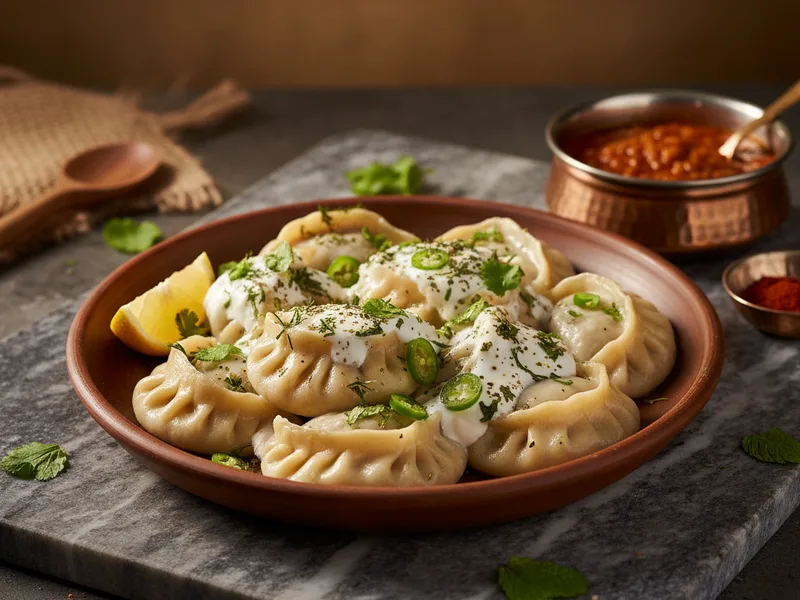
Afghan Mantu — Steamed Dumplings
KP's Afghan-heritage steamed dumplings — thin dough pockets filled with spiced minced beef and onion, served over a bed of yogurt and topped with a rich tomato-lentil sauce. One of the most complete and underappreciated dishes in Pakistani cuisine.
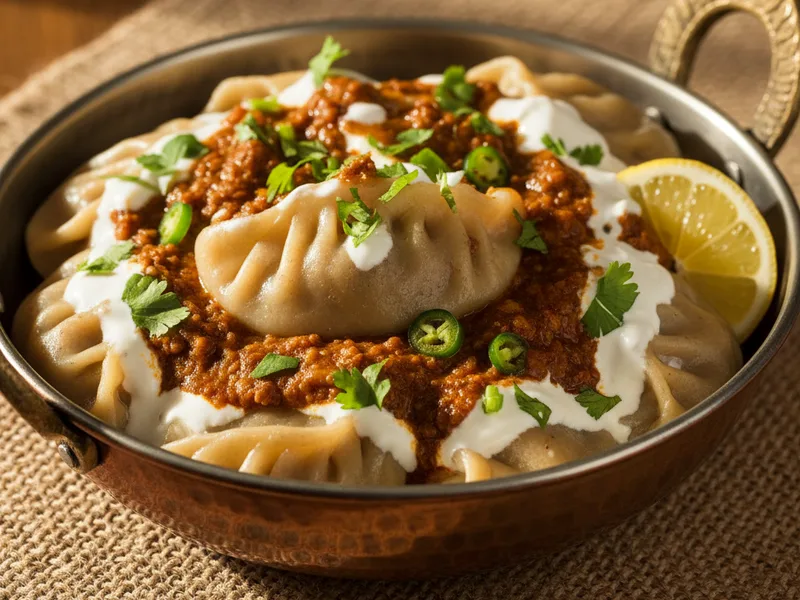
Beef Mantu — Hearty Filling Version
A heartier beef-heavy mantu variation with a spicier filling and a richer qurma sauce — the weekday version favored by KP families who make mantu regularly rather than as a special occasion dish.
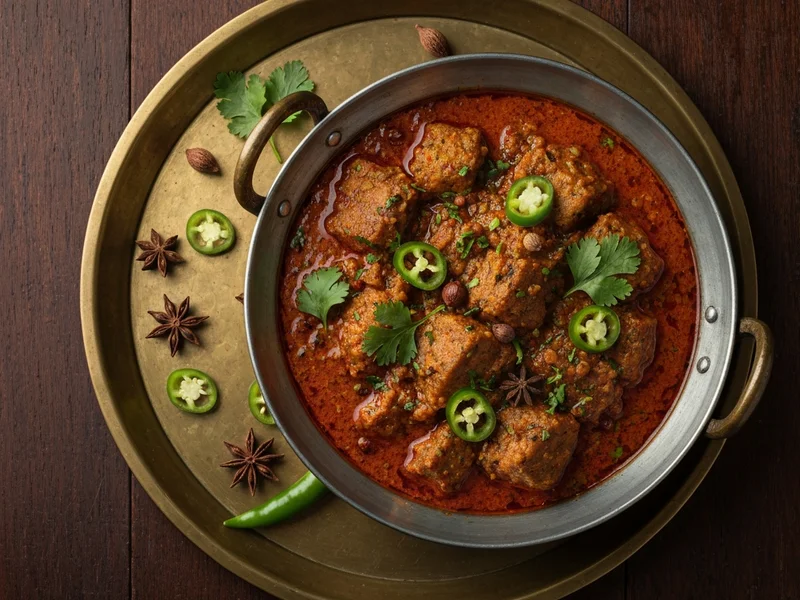
Peshawari Namkeen Gosht
Peshawari salt meat — lamb or mutton cooked with just salt, pepper, and fat until it surrenders all its flavour. Pashtun simplicity at its most profound.
What Cooks Are Saying
Turned out well. I used boneless meat which changed the cook time slightly but flavour was great.
Average result for me. The technique is good but the proportions needed tweaking.
I've tried many recipes for this dish but this one is the best by far.
Leave a Review
Tried this recipe? Share your experience — your review helps other cooks.