
Punjab cuisine
Safed Korma Mughal
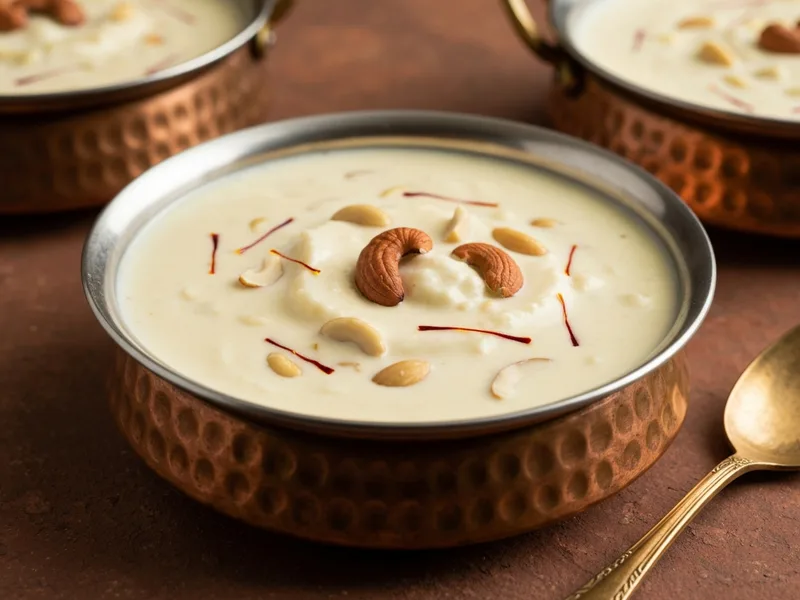
Safed Korma Mughal is a traditional Punjab Pakistani dish. The regal white korma of the Mughal tradition — pale, aromatic, and finished with cream, cashew paste, and white pepper. No red chilli, no turmeric. Just elegance in a pot.
Safed (white) korma is possibly the most refined dish in the entire Pakistani culinary canon.
This aesthetic preference for pale-coloured food was a deliberate cultural statement in Mughal courts, where white represented purity and refinement. No red chillies, no turmeric, no darkening spices — the final dish is pale ivory to creamy white, and its flavour comes entirely from whole aromatic spices, nut paste, yogurt, and cream. This was the Mughal court's answer to the question: 'what if we made a curry that looked as elegant as it tasted?' The answer is safed korma. Fun fact: white and pale dishes were historically served at Mughal banquets as a contrast to the dark, intensely coloured other curries — the colour contrast was considered aesthetically significant. Safed korma is technically medium difficulty because the discipline it requires is real: you cannot go dark on the onions, you cannot add any colouring spices, and the nut paste must be perfectly smooth. But if you follow the steps precisely, what you produce will be one of the most impressive dishes you've ever put on a table. Your guests will think you spent a week learning.
Ingredients
Instructions
- GOLDEN ONIONS — STOP BEFORE BROWN: Heat ghee in a wide, pale-coloured pot (so you can monitor colour accurately). Add sliced pyaaz and fry on medium heat only — no high heat. Fry for 10-12 minutes, stirring constantly, until soft and just turning golden. The moment they're golden, remove them from heat immediately. HINT: This is the hardest discipline in safed korma — resisting the urge to go darker. Golden, not brown. Any browning will show in your final pale gravy.
- BLEND ONIONS SMOOTH: Transfer golden onions to a blender. Add 2 tablespoons water and blend to a completely smooth, creamy paste. This pale onion cream is the base of safed korma's colour.
- ADD WHOLE SPICES AND ONION PASTE: In the same pot with remaining ghee, add cloves, cinnamon, and crushed green cardamom seeds. Sizzle 30 seconds. Add the blended onion paste. Fry gently for 5 minutes. Do not let it darken. Add adrak-lehsan paste — use as little as possible for safed korma as it introduces colour — or omit entirely for the purest white version.
- ADD CHICKEN: Add chicken pieces and kali mirch. Bhuno gently on medium heat — no high heat that causes browning — for 6-7 minutes. The chicken will turn white-opaque as it cooks in the pale masala.
- ADD YOGURT WITH EXTREME CARE: This is the most delicate moment. Reduce heat to very low. Add yogurt 1 tablespoon at a time, stirring smoothly after each addition. Take 15 minutes to add all the yogurt. The mixture should remain pale and smooth — if it splits or turns grainy, you went too fast or heat was too high. HINT: Use a silicon spatula and stir in figure-8 motions rather than circular — it incorporates more gently.
- SLOW COOK COVERED: Once yogurt is in, add 1/3 cup water, cover and cook on the lowest heat for 25-30 minutes. The chicken should cook through gently in the creamy yogurt environment.
- FINISH WITH CASHEW PASTE AND CREAM: Stir in cashew paste. Cook uncovered 8 minutes until gravy thickens. Add cream, stir gently, cook 3 minutes. Add kewra water off-heat. The korma should be pale, almost white, creamy and fragrant. Garnish with sliced almonds. Serve on a white platter for full visual impact.
Chef's Secrets
- Every single step in safed korma is about maintaining pallor — never rush any step with high heat.
- White pepper instead of black pepper keeps the dish completely pale — worth seeking out from a spice shop.
- The cashew paste can be made the night before and refrigerated — it thickens when cold, which actually makes it easier to control adding it to the pot.
- If your safed korma has gone slightly golden rather than white, it still tastes correct — call it 'zarda korma' (golden korma) and own it.
Common Questions
How long does Safed Korma Mughal take to make?
Total time is 1h 45m — 30m prep and 1h 15m cooking.
How many servings does this recipe make?
This recipe makes 5 servings, and is rated medium difficulty.
Which region of Pakistan is Safed Korma Mughal from?
Safed Korma Mughal is from Punjab, Pakistan — one of the country's most distinctive culinary traditions.
What do you serve with Safed Korma Mughal?
Serve on a white platter garnished with blanched almond slivers and a sprinkle of green cardamom powder. Pair with white rice, sheermal, or plain naan. The visual contrast of white korma next to a dark haleem or red qeema on a dawat table is spectacular.
Goes Well With
Shahi Chicken Korma
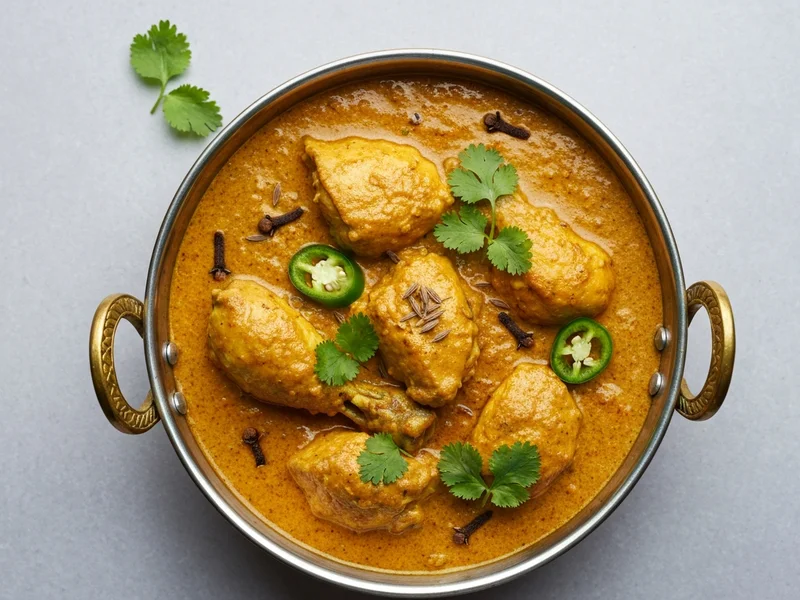
Shahi Chicken Korma is the crown jewel of Pakistani wedding food — rich, creamy, fragrant with whole spices, and built on a base of fried onions and whisked yoghurt. 'Shahi' means royal, and this curry earns the title.
Simple Chicken Korma
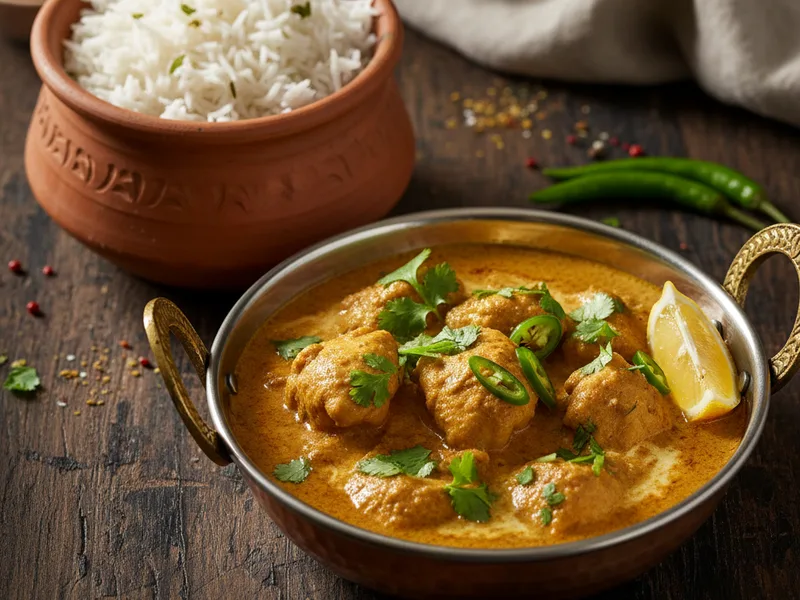
A beginner-friendly Punjabi chicken korma with a creamy yogurt-based gravy, warming whole spices, and that signature korma golden colour. Rich enough for a dinner party, simple enough for a Tuesday.
Beef Korma Dawat
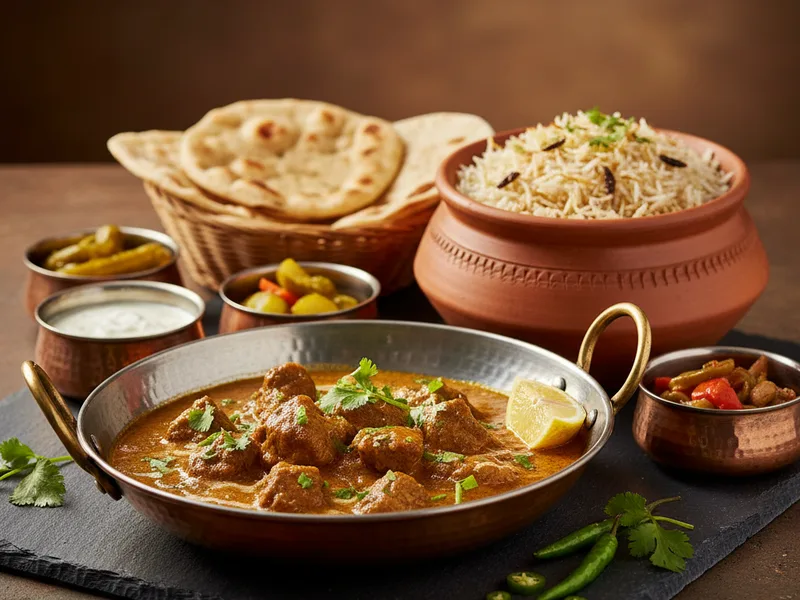
South Punjab's grand dawat (banquet) beef korma — deeply spiced, richly finished with nut paste, and bearing the generous character of Multani hospitality. This is the curry you make when you want to impress.
What Cooks Are Saying
Turned out well. I used boneless meat which changed the cook time slightly but flavour was great.
Really enjoyed this. Leftovers tasted even better the next day.
This recipe is a keeper. Followed it exactly and it turned out perfect.
Leave a Review
Tried this recipe? Share your experience — your review helps other cooks.