
Punjab cuisine
Khameeri Roti
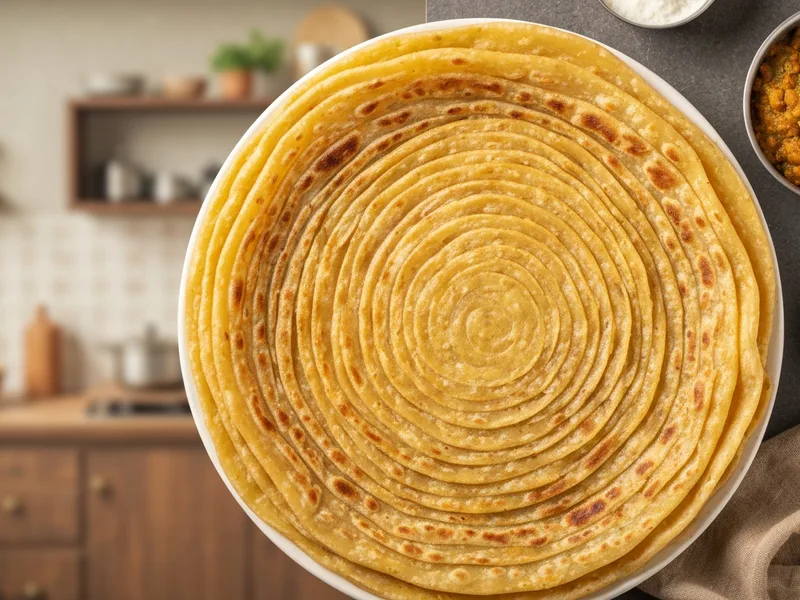
Khameeri Roti is a traditional Punjab Pakistani dish. Khameeri Roti is the leavened cousin of the everyday chapati — yeast-risen, slightly tangy, and wonderfully soft with a chewy pull that plain roti just can't match. It's the bread that Lahori roti shops start preparing before sunrise. Once you taste a fresh khameeri roti slathered with makhan, you'll understand the queue outside those shops.
The word 'khameer' means yeast or fermentation in Urdu, and this roti has been leavened the old-fashioned way for centuries in the subcontinent.
The tradition of maintaining a live culture for bread fermentation was standard before commercial yeast became available. Before commercial yeast was available, bakers would maintain sourdough-like starters passed down through families. Today, active dry yeast makes the process foolproof for home cooks. Khameeri Roti sits between a naan and a chapati in texture — softer and more substantial than the latter, but without the richness of a butter-brushed naan. Lahore's specialist roti walas are famous for it, baking them in clay tandoors at dawn for neighbourhoods that have relied on them for generations.
Ingredients
Instructions
- ACTIVATE THE YEAST: In a small cup or bowl, combine the warm water, sugar, and yeast. Stir gently and leave it undisturbed for 8–10 minutes. After this time, the surface should look foamy and bubbly — like the head on a lassi. This means the yeast is alive and ready to work. HINT: If nothing happens after 10 minutes and the water looks flat, your yeast is dead. Don't proceed — get fresh yeast and start again. FUN FACT: Yeast is a living organism. It eats the sugar and breathes out carbon dioxide, which is exactly what makes bread fluffy. You are essentially feeding tiny creatures to make your bread better.
- COMBINE THE FLOURS: In a large bowl (paraat), mix the maida and atta together. Add the salt and mix it in. Make a well in the centre. WHY: Adding salt directly to the yeast can kill it. Mixing salt into the flour first keeps the yeast safe.
- MAKE THE DOUGH: Pour the foamy yeast mixture into the well in the flour. Add the oil or ghee. Using your hand, bring the mixture together into a shaggy dough, then knead for 8–10 full minutes. The dough should become smooth, soft, and slightly tacky (it should pull away from the bowl cleanly but feel slightly sticky on your palm). This kneading is not optional — it develops the gluten that traps the gas the yeast produces. HINT: If the dough sticks to your hands like glue, add flour one tablespoon at a time. If it's too dry and cracking, add water a teaspoon at a time.
- FIRST PROOF — LET IT RISE: Shape the dough into a ball. Lightly oil the inside of a large bowl, place the dough ball in it, and turn it so it's lightly coated in oil (this stops it drying out). Cover the bowl tightly with a damp cloth or cling wrap. Leave in a warm place for 1 to 1.5 hours. The dough should double in size. WHY: This is where the magic happens. The yeast ferments the dough, producing gas bubbles and a gentle tang. A warm spot near the stove or inside a turned-off oven with just the light on works perfectly. FUN FACT: The slight sourness in khameeri roti is that fermentation tang — the same principle as sourdough bread, just faster.
- KNOCK BACK AND DIVIDE: Once the dough has doubled, punch it down gently with your fist. You'll hear a satisfying whoosh of air releasing. Divide the dough into 6 equal balls. Let them rest uncovered for 10 minutes — this relaxes the gluten and makes rolling much easier.
- PREHEAT YOUR COOKING SURFACE: If using an oven: place a heavy baking tray or pizza stone on the top rack and preheat the oven to its maximum temperature (usually 250°C / 480°F) for at least 20 minutes. The tray must be scorching hot. If using a tawa: heat it on high flame for 3–4 minutes until very hot. HINT: The hotter the surface, the better the oven spring (the last puff the roti gets when it hits heat).
- ROLL THE ROTI: On a lightly floured chakla (rolling board), roll each dough ball into a circle about 6–7 inches across and 5–6mm thick. Khameeri Roti is thicker than chapati — don't roll it thin. You want substance here.
- COOK THE ROTI: On tawa: place the roti on the hot tawa over high heat. Cook 60–90 seconds until the bottom has brown patches and the surface is bubbling. Flip and cook another 60 seconds. You can then hold it directly over the flame with chimta (tongs) for 10–15 seconds per side for char spots. In oven: slide the roti onto the preheated tray. Bake for 4–5 minutes until puffed, golden, and showing dark patches. The roti may puff dramatically — this is excellent. HINT: Don't open the oven repeatedly. Leave it alone and let the heat do its thing.
- BRUSH WITH GHEE AND SERVE: Remove from heat and immediately brush with ghee. The ghee will pool in the surface pockets and make this roti smell incredible. Serve while hot — khameeri roti is a live-in-the-moment bread. It softens and becomes chewier as it cools, which is also delicious, just different.
Chef's Secrets
- Use 100% maida (no atta) for a softer, more naan-like texture. The atta version is more rustic and nutritious.
- For a more tangy flavour, let the dough proof in the fridge overnight (cold fermentation). Take it out 30 minutes before rolling.
- Stacking the cooked rotis and wrapping in a clean cloth keeps them soft and warm for up to 30 minutes.
- The dough can be frozen after the first proof. Thaw in the fridge overnight and roll fresh.
Common Questions
How long does Khameeri Roti take to make?
Total time is 50m — 20m prep and 30m cooking.
How many servings does this recipe make?
This recipe makes 6 servings, and is rated medium difficulty.
Which region of Pakistan is Khameeri Roti from?
Khameeri Roti is from Punjab, Pakistan — one of the country's most distinctive culinary traditions.
What do you serve with Khameeri Roti?
Traditionally served with nihari, paye (trotters), or haleem for breakfast in Lahore. Also excellent with any daal, or simply with white butter and a glass of chai. The slight tang of the bread cuts through rich, fatty gravies beautifully.
Goes Well With
Butter Naan (Home Tawa Method)
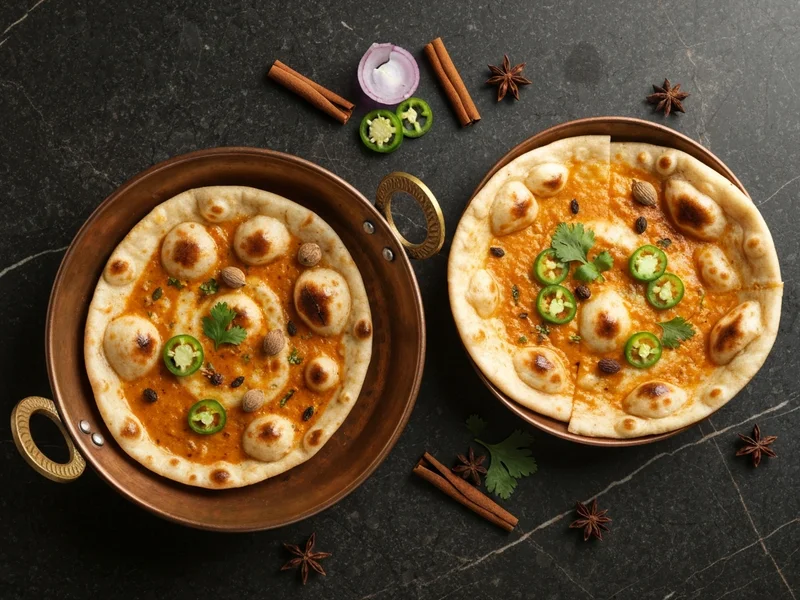
Soft, pillowy butter naan made at home on a tawa (flat griddle) — no tandoor required. Brushed with makhan (butter) the moment it comes off the heat, this leavened flatbread is the perfect vehicle for any Pakistani curry.
Roghni Naan
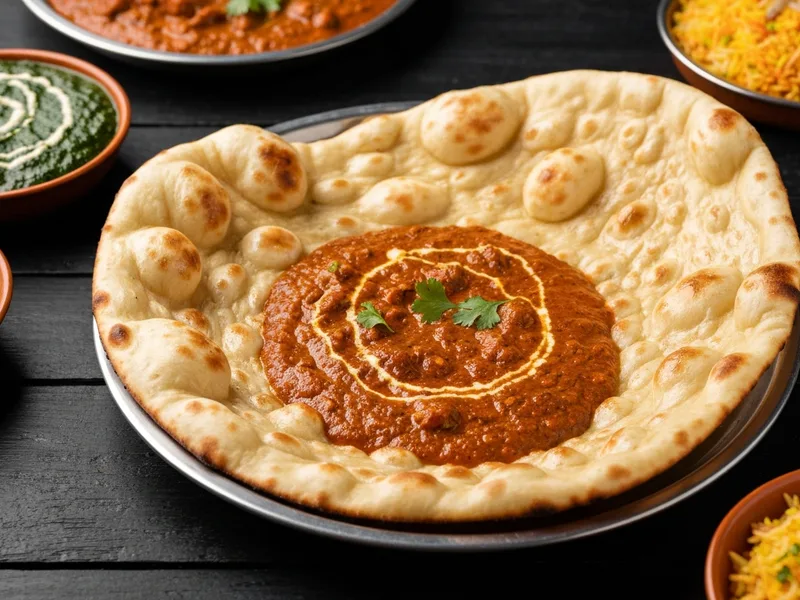
Roghni Naan is the Rolls-Royce of Pakistani bread — leavened, egg-enriched, oil-glossed, and studded with sesame and nigella seeds, baked until golden and billowy. It is the bread that makes any meal feel like a celebration, and once you've baked your own, the bakery version will never quite measure up.
Garlic Naan
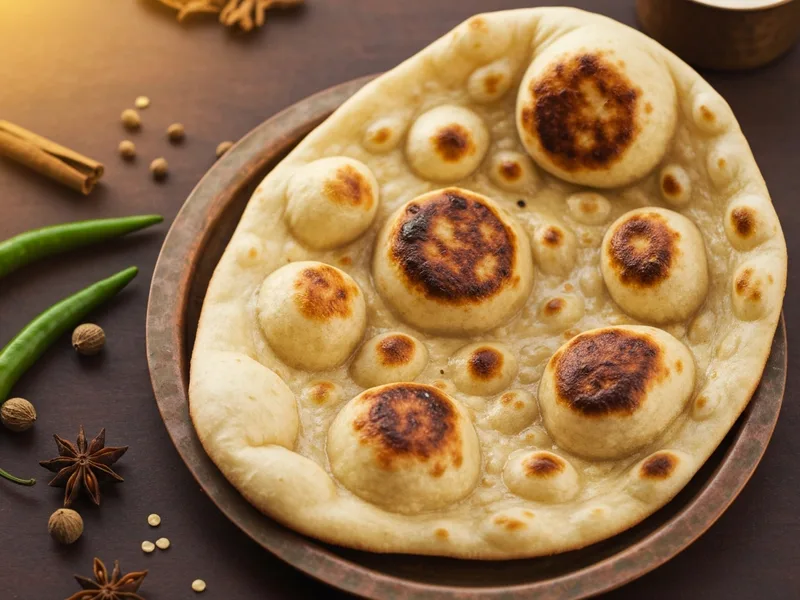
Garlic Naan takes everything great about a classic leavened naan and then — at the very last second — hits it with raw garlic butter and fresh coriander that cook against the bread's scorching heat. It is aggressively good, impossible to stop eating, and ready in under 10 minutes of baking.
What Cooks Are Saying
The instructions are so clear and easy to follow. Came out perfectly first try.
Leave a Review
Tried this recipe? Share your experience — your review helps other cooks.