
Punjab cuisine
Lahori Katakat — The Chopping Rhythm Street Food
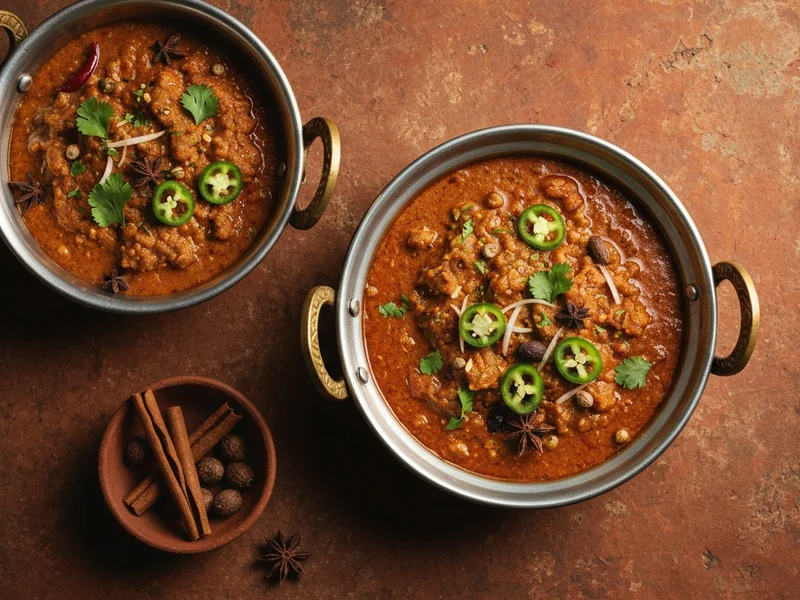
Lahori Katakat — The Chopping Rhythm Street Food is a traditional Punjab Pakistani dish. Lahore's most theatrical street food — offal and meat chopped rhythmically on a convex iron tawa with two metal spatulas, spiced on the fly. Named for the sound the blades make.
Katakat is performance cooking. The name comes directly from the sound — kata kata kata — that metal spatulas make against a convex iron tawa (griddle) when a skilled ustad (master cook) is simultaneously chopping, folding, and cooking meat all at once.
The convex iron tawa is specific to this dish and cannot be replicated by a flat griddle: the dome shape means the cook can push ingredients up the sides to control heat zones, and the curved surface means liquids naturally flow back to the centre. Traditional katakat is made from offal — brain (maghaz), kidneys (gurde), liver (kaleji), heart (dil), and sometimes lamb testicles — all chopped and cooked together. Don't run. Offal katakat is extraordinary. But for home cooks, we're also giving you a chicken version that captures the technique and flavour without requiring a trip to the offal section of the butcher. The dish is finished tableside with a theatrical drizzle of ghee, fresh ginger julienne, a squeeze of lemon, and a scattering of green chillies. This is Lahore in a pan.
Ingredients
Instructions
- PREP THE OFFAL (if using): If using lamb brain (maghaz): remove the outer membrane carefully (it peels off like a thin skin), then soak in salted cold water for 30 minutes to remove any blood. Brain is very delicate — handle gently. Kidneys: halve them and remove the white fatty core using scissors or a small knife. Soak kidneys in salted water for 20 minutes to reduce their strong smell. Liver: trim any green bile spots (they're bitter) and cut into 3cm chunks. Heart: trim the fatty top and cut into quarters. HINT: If all this sounds daunting, start with the chicken version and work up to the offal. The technique is identical.
- SET UP YOUR TAWA: A flat-bottomed heavy wok or large cast-iron skillet is your best home substitute for the convex iron tawa. Place it on the highest heat your stove allows and let it pre-heat for 3-4 minutes until it's smoking hot. Add oil. WHY: The extreme heat is what creates the signature char of katakat — meat that hits a merely warm pan steams in its own juices. You need the tawa so hot that it sears on contact. The smoking tawa is a good sign, not a bad one. HINT: Open a window or turn on your kitchen exhaust fan. Katakat produces significant smoke — this is part of why it's traditionally cooked outdoors on Lahore's food streets.
- THE CHOPPING BEGINS: Add whole cumin seeds to the smoking oil — they'll pop and hiss immediately. Add the meat in a single layer (or as close as possible in your pan). Now the technique: using two heavy metal spatulas (or one spatula and one wide metal spoon), begin chopping the meat into smaller pieces directly in the pan while simultaneously pushing it around with the other spatula. You are cooking and cutting at the same time. FUN FACT: Professional katakat cooks develop a rhythmic kata-kata-kata sound as their spatulas strike the pan — this rhythm maintains even chopping pressure and keeps the meat moving so nothing burns. At home, work in a similar rhythm: chop-stir-chop-stir. Speed matters — sluggish stirring leads to steam, not sear.
- ADD SPICES ON THE FLY: While continuously chopping and stirring, add the ingredients one by one directly to the pan: ginger-garlic paste first (it will splutter — stand back), then the chopped tomatoes, then the green chillies, then the coriander powder, red chilli, turmeric, and salt. The spices hit the hot surface and immediately bloom — you'll smell each one arrive as it hits the tawa. Keep chopping constantly. WHY: Traditional katakat spicing is done by the cook while working the spatulas — there's no pre-mixing of spices. Everything is added by feel and experience. At home, have all your spices measured and ready in small bowls so you can add without stopping the chopping rhythm.
- COOK UNTIL MIXED AND CHARRED: Continue the chopping and stirring for 12-15 minutes on high heat. The tomatoes will break down into the meat. Everything becomes one cohesive mass — you should see: patches of caramelised brown char on the meat surfaces, the tomato moisture has evaporated, and the oil has separated and is visible as small shiny pools around the edges. HINT: For offal, the brain will almost dissolve into the mixture (this is correct — it becomes the 'sauce'). Kidneys firm up and get slightly chewy at the edges. Liver should be cooked through but still slightly pink in the centre — overcooked liver is chalky. For chicken, it should be fully cooked through with no pink.
- TASTE AND ADJUST: Reduce heat to medium. Taste the katakat. It should be intensely savoury, slightly charred, spicy, and complex. Adjust salt. If it's too dry and sticking, add 2-3 tablespoons of water and continue stirring — the water will immediately evaporate and help release any stuck bits from the pan (those stuck bits are flavour). If it's too salty, a squeeze of lemon juice will help balance. A pinch more red chilli if you want more heat. This is cooking by taste, not by measurement.
- THE THEATRICAL FINISH: Turn off the heat. Drizzle the ghee directly over the hot katakat in the pan — it will sizzle and melt immediately, creating an aromatic cloud. Scatter the raw ginger julienne over the top. Squeeze half a lemon over everything. Scatter the reserved fresh green chillies. Serve immediately, directly from the tawa if possible. WHY: The raw ginger, lemon, and chillies are not decoration — they are functional flavour layers that contrast with and cut through the richness of the ghee-coated meat. This final tableside finish is the signature move of Lahori katakat culture. Don't skip it.
Chef's Secrets
- Pre-soak all offal in cold salted water — kidneys for 20 minutes, brain for 30. This removes blood and significantly reduces the strong smell that puts beginners off.
- The single most important thing: get the tawa or pan smoking hot before adding anything. Katakat cooked on medium heat produces steamed, grey, sad meat. Maximum heat is non-negotiable.
- Keep both spatulas moving constantly. The moment you stop chopping, the meat stops searing and starts steaming in its juices. The rhythm of chopping is what creates the dish.
- Have all spices pre-measured in small bowls before starting. Once you start chopping, you cannot stop to measure — everything goes in by eye and feel, on the fly.
- Chicken liver + chicken thigh is the best beginner offal combination — more forgiving than lamb organs, but still gives you the characteristic richness that makes katakat special.
- Serve from the pan immediately. Katakat deteriorates quickly — the texture of the offal changes as it sits, and the char aromatics dissipate. It's a make-and-eat dish.
Common Questions
How long does Lahori Katakat — The Chopping Rhythm Street Food take to make?
Total time is 50m — 30m prep and 20m cooking.
How many servings does this recipe make?
This recipe makes 4 servings, and is rated medium difficulty.
Which region of Pakistan is Lahori Katakat — The Chopping Rhythm Street Food from?
Lahori Katakat — The Chopping Rhythm Street Food is from Punjab, Pakistan — one of the country's most distinctive culinary traditions.
What do you serve with Lahori Katakat — The Chopping Rhythm Street Food?
Served directly from the tawa on a flat plate or the tawa itself with fresh naan. Garnish with ginger julienne, fresh green chillies, lemon wedges, and a drizzle of extra ghee. Accompanied by: raw onion rings, sliced tomatoes, and fresh coriander. A dahi (plain yoghurt) on the side to cool the heat. At Lahori dhabas, katakat is always served with sheermal (sweet saffron-flavoured bread) as a contrast to the savoury meat.
Goes Well With
Karachi Katakat
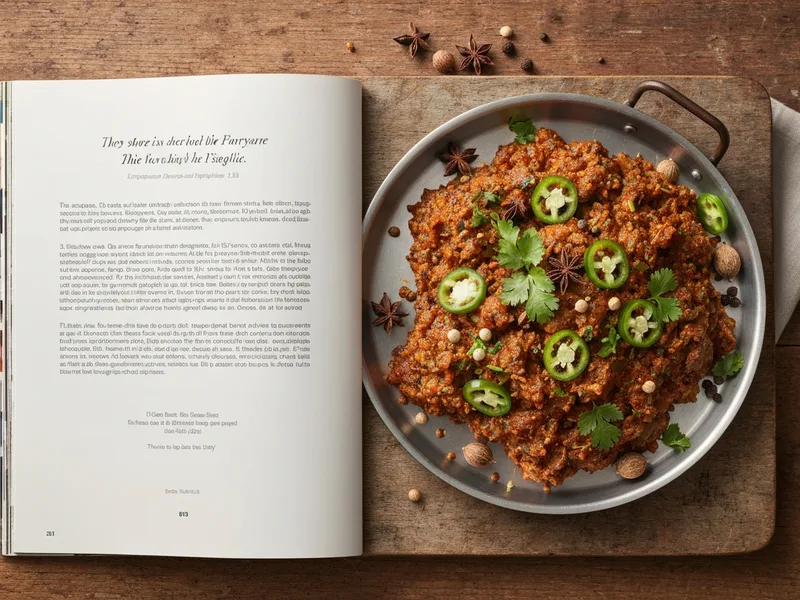
Karachi Katakat brings the famous chopped organ meat dish to Sindhi territory — with characteristic Karachi boldness, more tomato, and a spice profile that's both familiar and distinctly different from the Lahori original.
Mutton Katakat
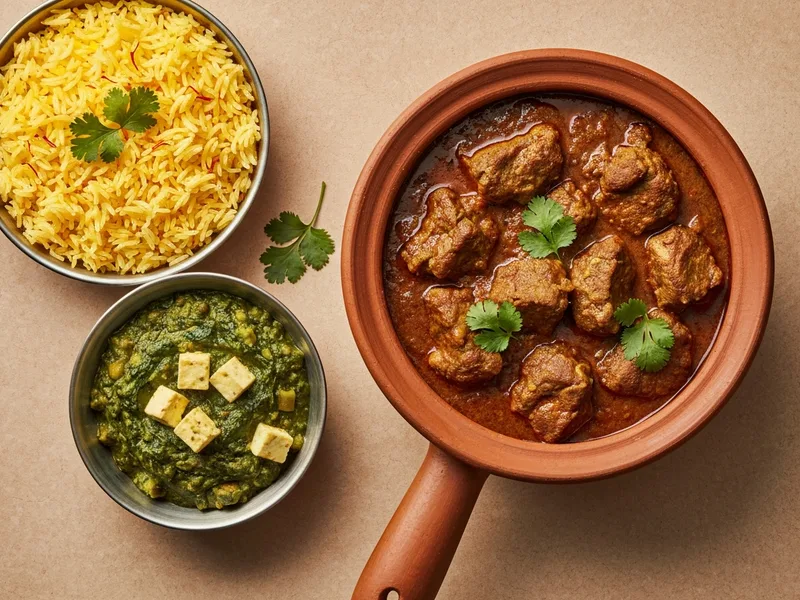
Mutton Katakat replaces organ meats with boneless mutton pieces for those who want the authentic katakat technique and flavour experience without the offal. Richly spiced, intensely bhunoed, and deeply satisfying.
Classic Lahori Nihari
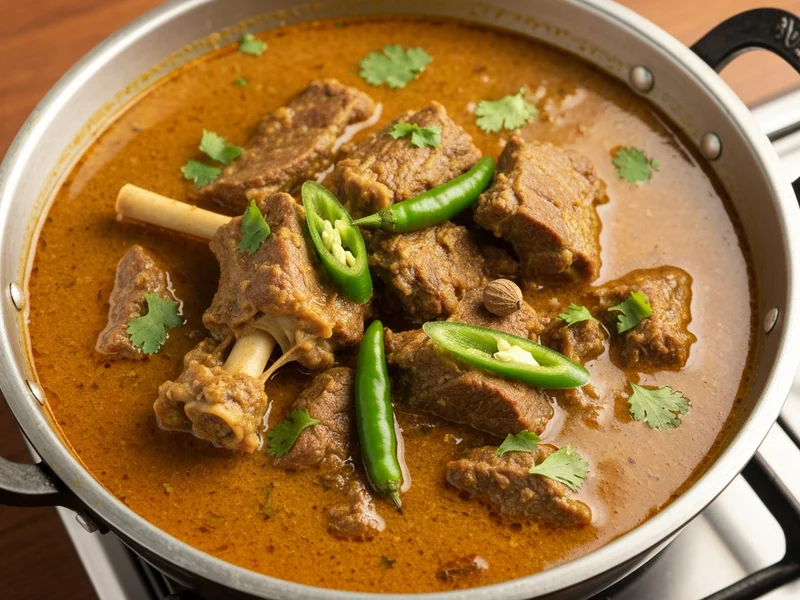
The ultimate slow-cooked breakfast stew — beef shank and bone marrow simmered overnight in a dozen spices. Old Lahore's most legendary dish.
What Cooks Are Saying
This recipe is a keeper. Followed it exactly and it turned out perfect.
Delicious and fairly straightforward. A few steps took longer than expected but the result was worth it.
Leave a Review
Tried this recipe? Share your experience — your review helps other cooks.