
KP cuisine
KP Kaak — Mountain Version
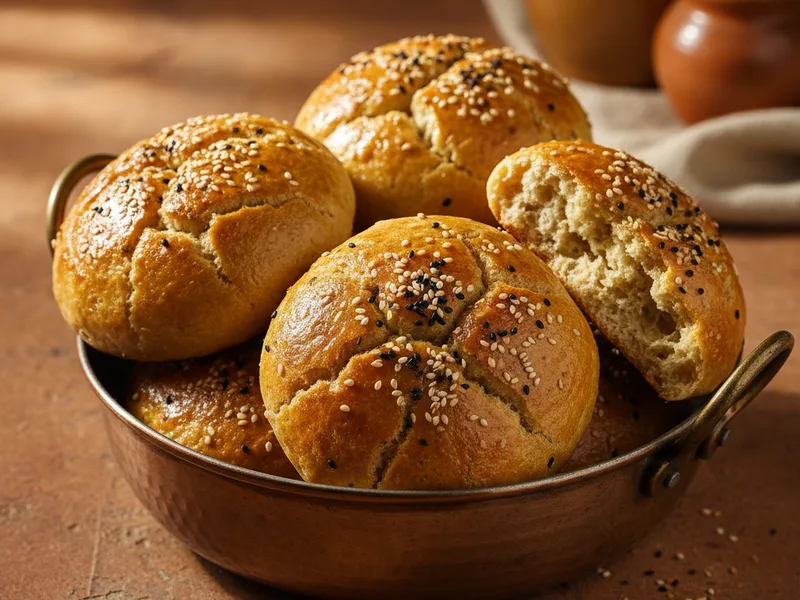
KP Kaak — Mountain Version is a traditional KP Pakistani dish. The KP mountain version of double-baked kaak — slightly richer with a touch of oil and sesame seeds, reflecting the different ingredients available to mountain communities compared to the desert Balochi version.
The kaak tradition extends from Balochistan into KP, where the mountain and valley communities have their own version of long-storing, double-baked bread.
Like its Balochi counterpart, it was designed for long storage, but the KP version is typically thicker and less completely dried, giving it a shorter shelf life but a better eating texture. The KP kaak differs slightly from the Balochi version: it tends to incorporate a small amount of oil or ghee for slightly more richness, and sesame seeds (til) are pressed onto the surface before baking, giving it a nuttier flavor. It is particularly associated with the Dir, Swat, and Chitral districts, where long winters and remote locations made long-storing foods essential. Today it's made and eaten as a cultural tradition and tasty snack rather than necessity, but the recipe is unchanged. Fun fact: In Chitral, traditional kaak is sometimes flavored with dried mulberry powder — the mulberry tree grows abundantly throughout Chitral and is a cornerstone of Chitrali food and economy. Dried mulberry kaak has a subtly sweet-tart flavor that is genuinely extraordinary.
Ingredients
Instructions
- ACTIVATE YEAST: Dissolve yeast and honey in 0.25 cup warm water. Wait 10 minutes until foamy.
- MAKE DOUGH: Combine flour and salt. Add oil and yeast mixture. Add remaining water gradually to form a firm (not soft) dough. Knead 8-10 minutes until smooth.
- RISE: Cover and let rise 60-90 minutes until doubled.
- SHAPE AND TOP WITH SESAME: Shape into small rounds or ovals 1cm thick. Press sesame seeds firmly into the surface. Pierce all over with a fork.
- FIRST BAKE: Bake at 200°C for 20-25 minutes until golden. Cool completely.
- SECOND BAKE: Bake at 110°C for 70-80 minutes until completely bone dry. Cool and store airtight.
Chef's Secrets
- The oil in this version means it takes slightly longer to fully dry out in the second bake — don't rush it.
- Sesame seeds must be pressed firmly before baking so they adhere — they will fall off after baking if applied loosely.
- For the Chitral variation: add 2 tbsp dried mulberry powder (or dried mulberries blended) to the dough. The subtle sweetness is remarkable.
- KP kaak is excellent dipped in honey — the mountain tradition is to eat kaak with honey and walnuts as a quick energy meal.
Common Questions
How long does KP Kaak — Mountain Version take to make?
Total time is 3h 30m — 2h prep and 1h 30m cooking.
How many servings does this recipe make?
This recipe makes 8 servings, and is rated medium difficulty.
Which region of Pakistan is KP Kaak — Mountain Version from?
KP Kaak — Mountain Version is from KP, Pakistan — one of the country's most distinctive culinary traditions.
What do you serve with KP Kaak — Mountain Version?
Eat as a snack with tea, honey, or walnuts. The mountain tradition is to eat with kahwah and fresh apricot jam. Also works broken into pieces alongside any Pashtun curry.
Goes Well With

Kaak
Kaak is the ancient hard bread of Balochistan's shepherds — thick wheat discs baked until iron-hard, deliberately designed to survive weeks in a saddle bag without spoiling. Dip it in tea, soak it in broth, or break off a piece and eat it with Rosh. Once you try it, you'll understand why it has been feeding mountain communities for centuries.
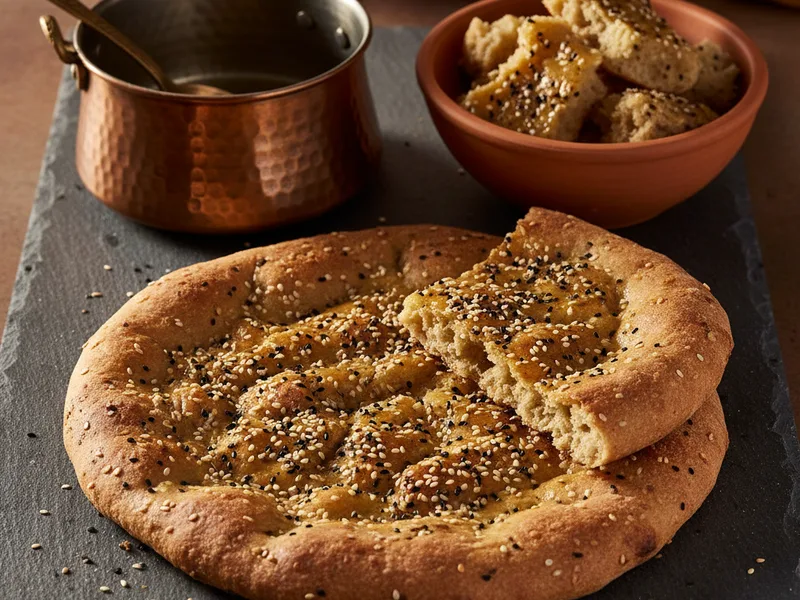
Balochi Kaak — The Desert Dry Bread
Balochistan's ancient hardtack-like dry bread — double-baked until completely moisture-free, it keeps for weeks without refrigeration and was the traditional bread of Baloch nomads, shepherds, and desert travelers.
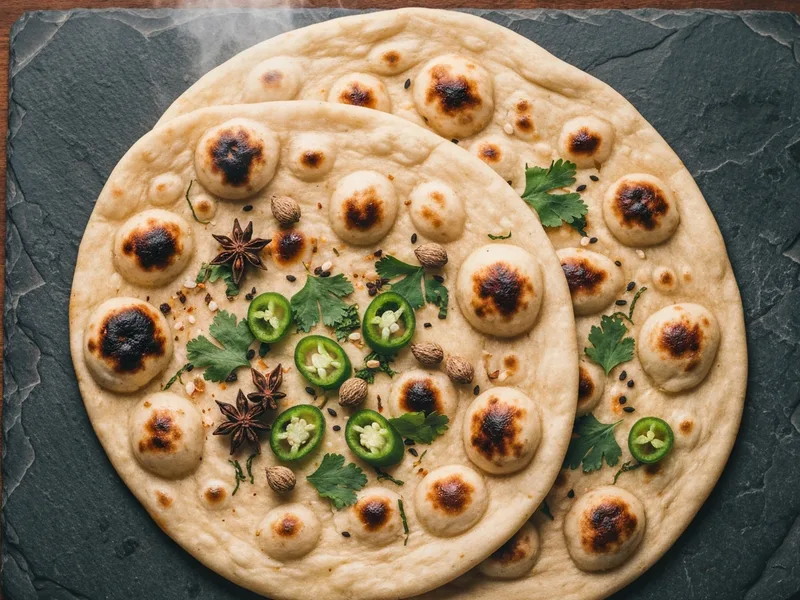
Kashmiri Naan
Kashmiri Naan is a sweet, fragrant stuffed bread filled with khoya, dried fruits, and cardamom — the kind of bread that makes you question why you ever ate plain naan. It is brushed with butter and rose water straight from the oven and is equally at home beside morning chai or as a dessert bread after a big meal.
What Cooks Are Saying
Authentic taste, clear steps. Exactly what I was looking for.
Solid recipe. Added a bit more ginger than suggested and it was excellent.
Leave a Review
Tried this recipe? Share your experience — your review helps other cooks.