
Balochistan cuisine
Balochi Kaak — The Desert Dry Bread
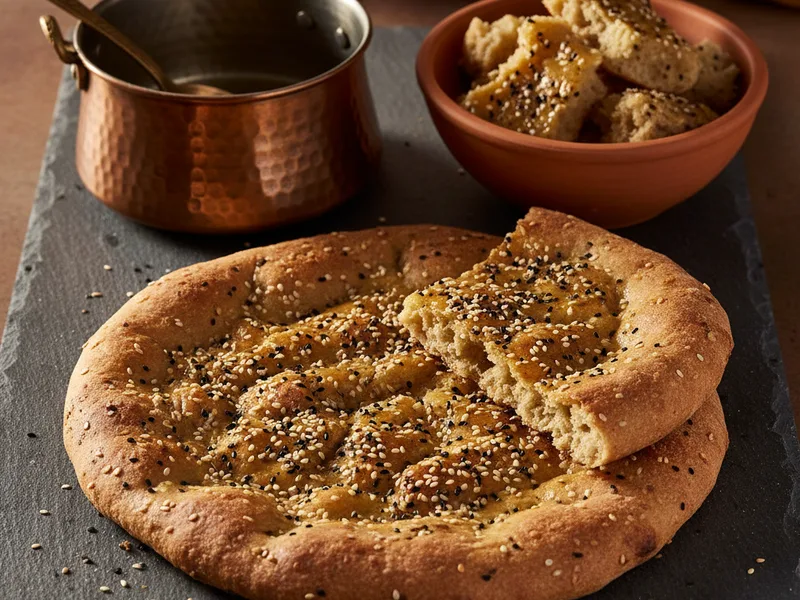
Balochi Kaak — The Desert Dry Bread is a traditional Balochistan Pakistani dish. Balochistan's ancient hardtack-like dry bread — double-baked until completely moisture-free, it keeps for weeks without refrigeration and was the traditional bread of Baloch nomads, shepherds, and desert travelers.
Kaak is one of the most practical breads ever invented.
Its design as a survival food rather than a fresh bread makes it unique among Pakistan's dozens of regional flatbreads. In Balochistan's vast desert landscapes — where temperatures swing from sub-zero winters to 50°C summers and refrigeration was historically non-existent — the Baloch developed a bread designed to last. Kaak is double-baked: first like regular bread, then baked a second time at lower temperature until all moisture is driven out, creating a hard, rusk-like bread that stores without spoiling for weeks or even months. Nomadic Baloch shepherds would carry kaak on long migrations — it was rehydrated with water or tea before eating, or eaten as-is as a crunchy snack. Today, kaak is experiencing a revival as Balochi food culture gets more attention, and its satisfying crunch and nutty wheat flavor make it appealing far beyond its utilitarian origins. Fun fact: Kaak has cousins in food cultures from the Mediterranean to Scandinavia — humans across dry and cold climates independently invented the concept of double-baked, long-storing bread. Swedish knäckebröd, Italian friselle, and Lebanese ka'ak are all structural relatives.
Ingredients
Instructions
- ACTIVATE YEAST: Dissolve yeast and sugar in 0.25 cup warm water. Let stand 10 minutes until foamy.
- MAKE DOUGH: Mix flour, salt, cumin, and ajwain (if using). Add activated yeast and enough remaining water to make a firm dough — firmer than regular bread dough. Kaak dough should not be soft or sticky. Knead 8-10 minutes.
- FIRST RISE: Cover dough and let rise in a warm spot for 60-90 minutes until doubled.
- SHAPE: Punch down dough. Shape into small rounds or ovals about 1cm thick and 8-10cm across. Pierce all over with a fork — this prevents puffing.
- FIRST BAKE: Bake in a preheated 200°C oven for 20-25 minutes until golden and hollow-sounding when tapped. Cool completely.
- SECOND BAKE: Reduce oven to 120°C. Return the cooled kaak to the oven and bake for 60-70 minutes until completely dry, hard, and crunchy throughout. Test by breaking one piece — no soft interior should remain.
- COOL AND STORE: Cool completely on a wire rack before storing in an airtight container. Kaak will last 2-4 weeks at room temperature if kept dry.
Chef's Secrets
- The key is removing ALL moisture in the second bake — any residual moisture and it will mold. If in doubt, bake an extra 15-20 minutes at 100°C.
- Traditional Balochi kaak uses a clay tanoor (tandoor) for both bakes — the wood-smoke flavor is part of the character. If you have outdoor access, try charcoal-smoking the first bake.
- To eat: soak in tea or water for 5 minutes for the traditional traveler experience, or eat dry as a crunchy snack (it's surprisingly good).
- Cumin is the traditional Balochi flavoring — but you can also experiment with sesame seeds or nigella seeds mixed into the dough.
Common Questions
How long does Balochi Kaak — The Desert Dry Bread take to make?
Total time is 3h 30m — 2h prep and 1h 30m cooking.
How many servings does this recipe make?
This recipe makes 8 servings, and is rated medium difficulty.
Which region of Pakistan is Balochi Kaak — The Desert Dry Bread from?
Balochi Kaak — The Desert Dry Bread is from Balochistan, Pakistan — one of the country's most distinctive culinary traditions.
What do you serve with Balochi Kaak — The Desert Dry Bread?
Eat dry as a crunchy snack, or soak in hot tea or water for 3-5 minutes to reconstitute. Serve with Balochi rosh or dampukht — break pieces off and use to scoop the curry.
Goes Well With
Kaak
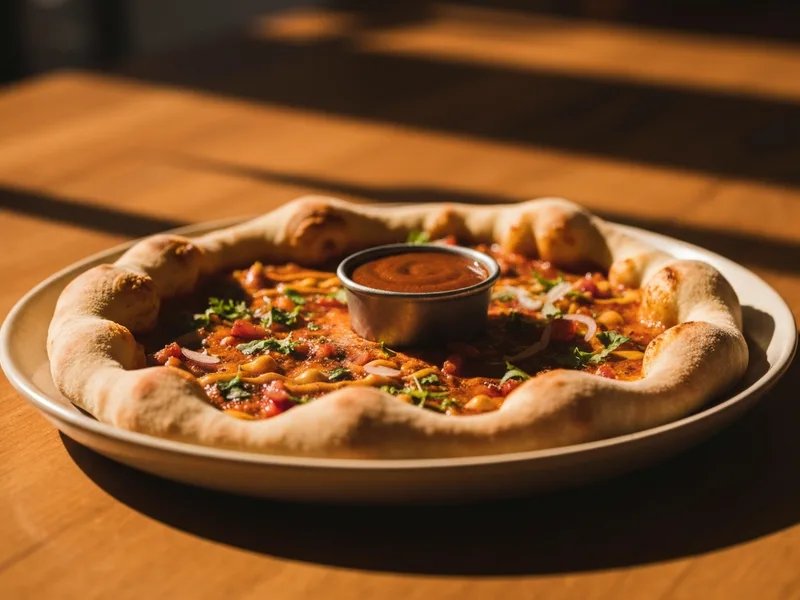
Kaak is the ancient hard bread of Balochistan's shepherds — thick wheat discs baked until iron-hard, deliberately designed to survive weeks in a saddle bag without spoiling. Dip it in tea, soak it in broth, or break off a piece and eat it with Rosh. Once you try it, you'll understand why it has been feeding mountain communities for centuries.
KP Kaak — Mountain Version
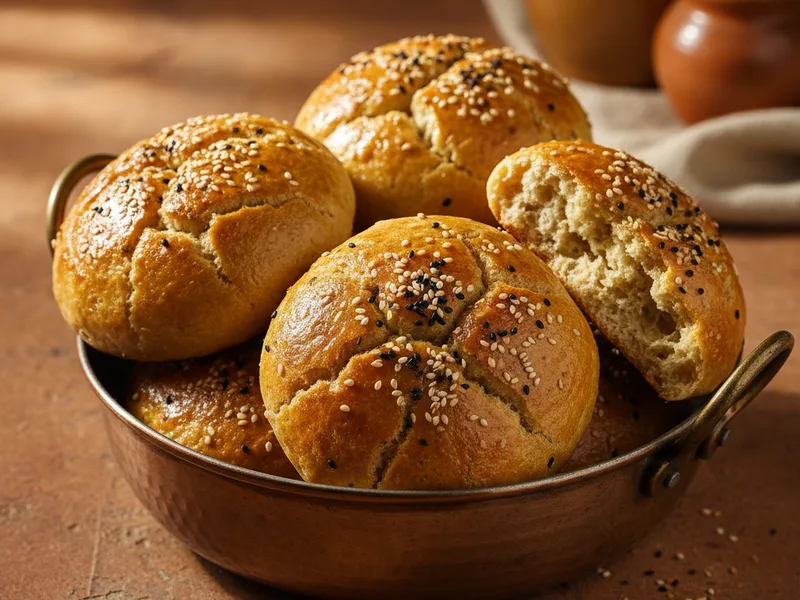
The KP mountain version of double-baked kaak — slightly richer with a touch of oil and sesame seeds, reflecting the different ingredients available to mountain communities compared to the desert Balochi version.
Butter Naan (Home Tawa Method)
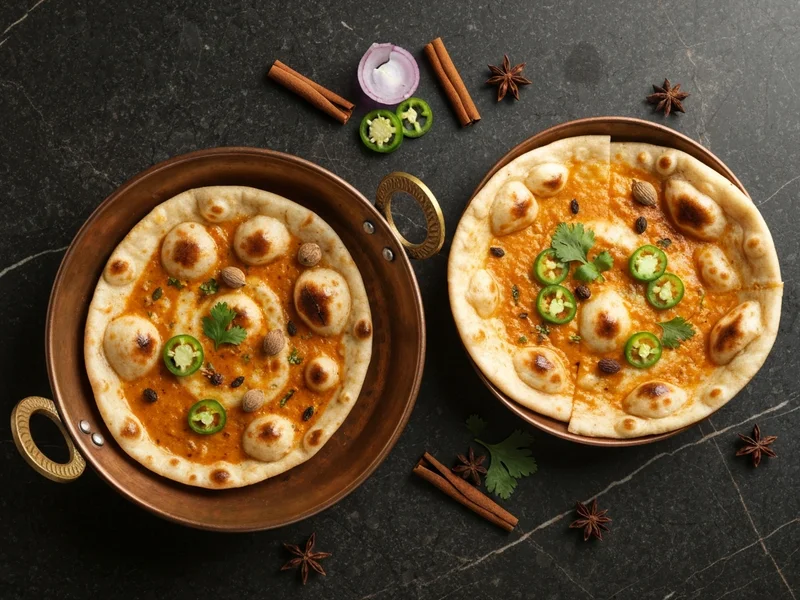
Soft, pillowy butter naan made at home on a tawa (flat griddle) — no tandoor required. Brushed with makhan (butter) the moment it comes off the heat, this leavened flatbread is the perfect vehicle for any Pakistani curry.
What Cooks Are Saying
Incredible depth of flavour. The spice balance is just right — not too hot, not too mild.
Came out beautifully. Would have given 5 stars but I found the sauce a bit thin — easy fix though.
This recipe is a keeper. Followed it exactly and it turned out perfect.
Leave a Review
Tried this recipe? Share your experience — your review helps other cooks.