
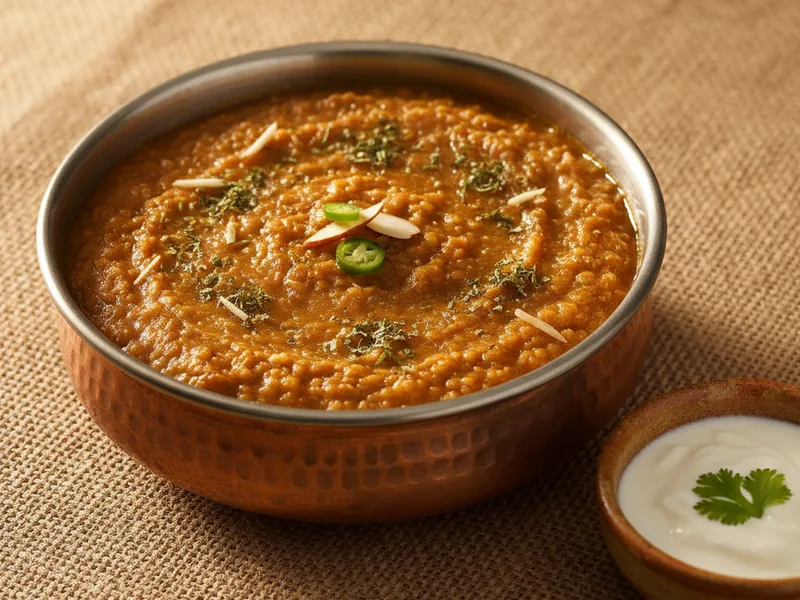
KP cuisine
Afghani Hareesa — Cross-Border Style
Afghani Hareesa — Cross-Border Style is a traditional KP Pakistani dish. The Afghan-influenced hareesa popular in Peshawar's Qissa Khwani Bazaar — richer with more ghee, finished with a cinnamon-scented tarka, and reflecting the cross-border culinary exchange that defines this frontier city.
Peshawar has always been a city of crossings.
The simplicity of the dish — just wheat, meat, and fat — made it ideal for large-scale communal cooking. The Khyber Pass is 20km from the city, and for millennia, traders, armies, and migrants have flowed through — bringing their food with them. The Afghani hareesa of Peshawar's refugee neighborhoods and the old bazaars reflects this blending: more ghee-rich than the Pashtun tribal version, finished with a tarka scented with cinnamon and cloves, and sometimes topped with a drizzle of saffron-infused ghee for celebrations. The Afghan refugees who settled in KP through the 1980s and 1990s brought their cooking traditions and enriched the local cuisine in ways that are only now being documented. Fun fact: Qissa Khwani Bazaar (Street of Story-Tellers) was described by British colonial officers as 'the noisiest spot in Asia' — it was the main stopping point for Silk Road caravans, and its tea houses served hareesa to travelers for centuries. The bazaar still operates today.
Ingredients
Instructions
- COOK THE MUTTON: In a large pot, heat 4 tbsp ghee. Fry 3 large onions until deep gold. Add ginger-garlic paste, cumin, 2 cinnamon sticks. Add mutton with salt and 5 cups water. Cover and simmer 60 minutes until meat is completely soft.
- DEBONE AND SHRED: Remove bones, shred meat fine, return to pot with broth.
- ADD WHEAT: Add soaked drained wheat and 4 more cups water. Cook on low heat for 5-7 hours, stirring every 20-30 minutes. The Afghani version cooks slightly longer for a smoother, more uniform texture.
- MASH SMOOTH: When done, mash vigorously with a wooden masher or use a hand blender briefly — Afghani hareesa is smoother than the Pashtun version, though still not completely uniform.
- MAKE THE SPICED TARKA: In a small pan, heat remaining 4 tbsp ghee until shimmering. Add 1 sliced onion, the remaining cinnamon stick, and cloves. Fry until onion is deeply golden and cinnamon is fragrant — about 8-10 minutes. Pour over hareesa.
- SAFFRON FINISH (optional): Drizzle the saffron-steeped water over the tarka-topped hareesa. The golden color and floral aroma mark this as the celebratory version.
Chef's Secrets
- The clove and cinnamon tarka is the Afghani marker — it adds a warm, festive note absent from the simpler Pashtun version.
- Afghani hareesa should be almost spoonable — not as thick as haleem. Add water as needed to achieve a porridge you can pour slowly from a ladle.
- Saffron in hareesa is for weddings and Eid — don't skip it if you're cooking for a special occasion. It elevates the dish dramatically.
- Some Peshawar Afghani restaurants serve hareesa with a side of small, thin fried puris instead of naan — try it.
Common Questions
How long does Afghani Hareesa — Cross-Border Style take to make?
Total time is 8h 30m — 30m prep and 8h cooking.
How many servings does this recipe make?
This recipe makes 6 servings, and is rated hard difficulty.
Which region of Pakistan is Afghani Hareesa — Cross-Border Style from?
Afghani Hareesa — Cross-Border Style is from KP, Pakistan — one of the country's most distinctive culinary traditions.
What do you serve with Afghani Hareesa — Cross-Border Style?
Serve in wide bowls with the spiced ghee tarka on top, fresh coriander, and naan. The Afghani tradition is to serve with a small side of fresh pickled vegetables (torshi).
Goes Well With
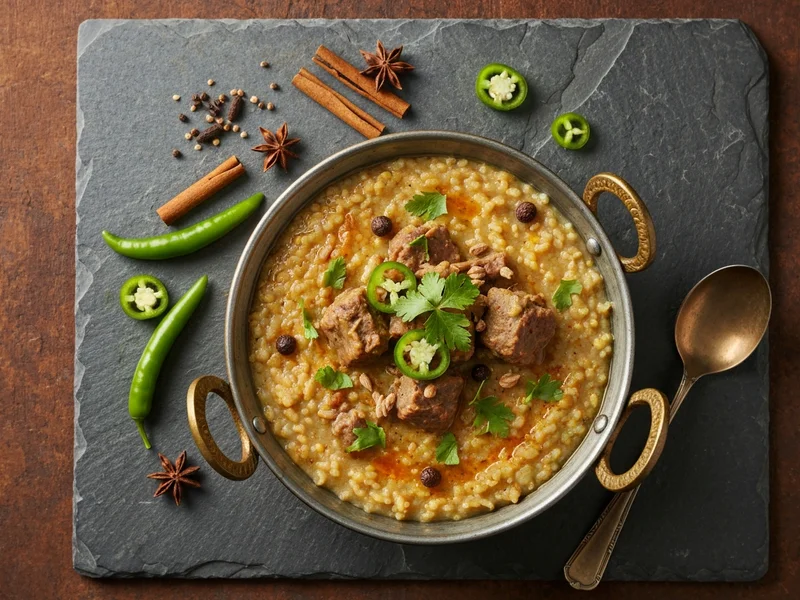
Hareesa — KP Slow-Cooked Wheat and Mutton Porridge
Hareesa is haleem's ancient ancestor — whole wheat berries and mutton slow-cooked together for 4-6 hours until they completely dissolve into a thick, silky, porridge-like dish that is simultaneously humble and extraordinary. Finished with a sizzling ghee tarka poured dramatically over the top, this is the dish that sustained armies, fed pilgrims, and defines winter mornings in KP.
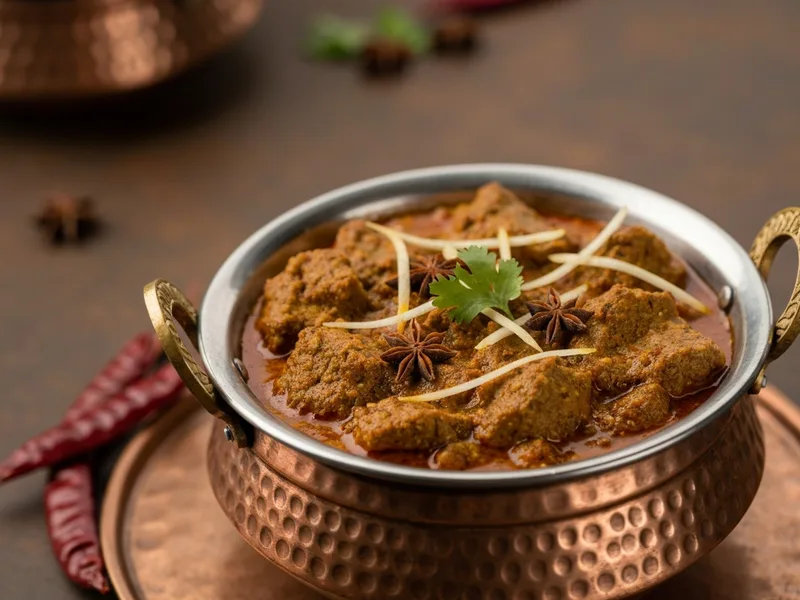
KP Hareesa Gosht
The ancient grain-and-meat porridge of KP — hareesa is simpler than haleem, celebrating wheat and lamb in their most elemental form. Warm, sustaining, and profoundly comforting.
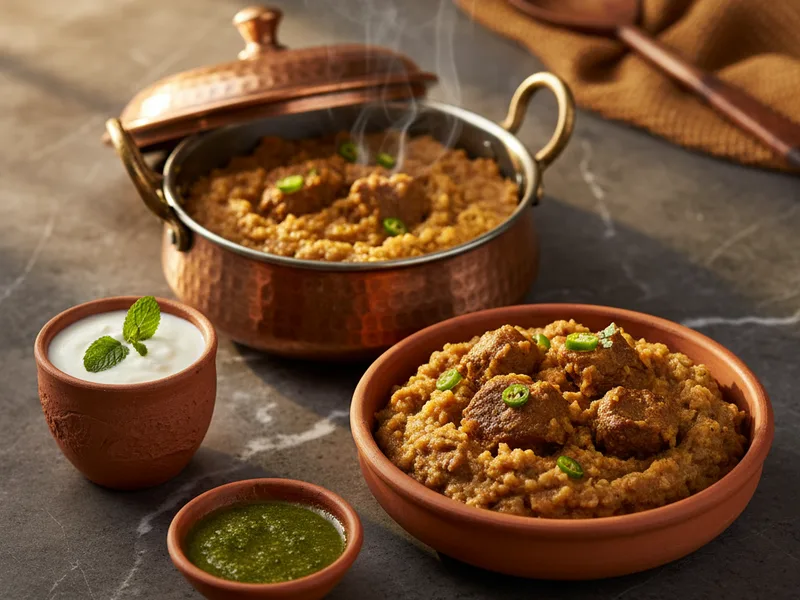
Pashtun Hareesa — Wheat and Mutton Porridge
KP's ancient wheat-and-mutton slow-cooked porridge — an overnight dish that requires patience but delivers extraordinary depth. Hareesa has been a Pashtun winter breakfast and celebration food for over a thousand years.
What Cooks Are Saying
The instructions are so clear and easy to follow. Came out perfectly first try.
My husband said it's the best he's ever had. Coming from him that means everything!
Leave a Review
Tried this recipe? Share your experience — your review helps other cooks.