
Sindh cuisine
Karachi Haleem
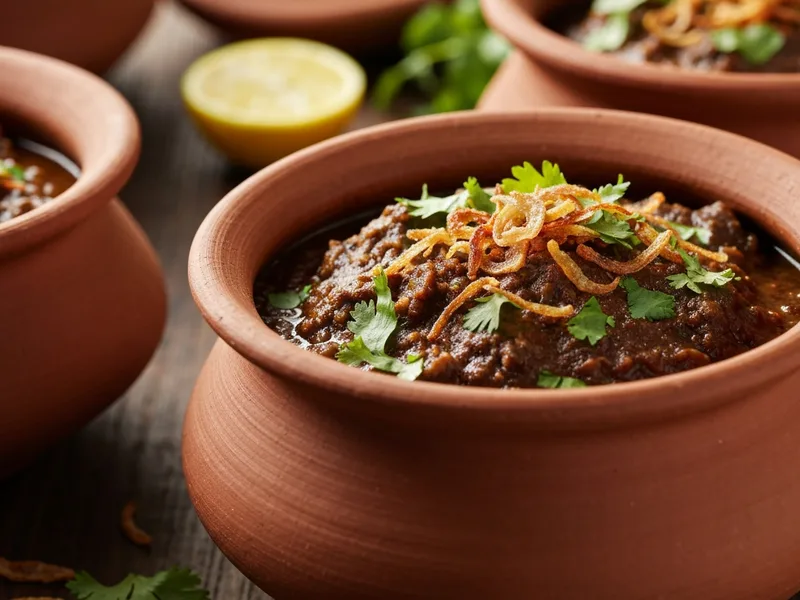
Karachi Haleem is a traditional Sindh Pakistani dish. The iconic Karachi haleem — slow-cooked beef with lentils and wheat, pounded to a velvety, fibre-rich stew that feeds the soul and the neighbourhood. This is street food royalty.
Karachi haleem has a cult following that crosses every social class, neighbourhood, and background in the city.
It spread from Arabia to Persia and then to the Mughal subcontinent, absorbing spices and complexity at each step. On any given Friday afternoon, you'll find degchi waalas (pot vendors) ladling haleem outside mosques, office buildings, and wedding halls simultaneously. What makes Karachi haleem distinctive is its texture — smoother than other regional versions, almost silky, with the beef completely broken down and incorporated into the lentils and wheat. It's a grain-and-protein masterpiece that's been feeding this city for over a century. Fun fact: haleem is considered a complete protein meal — the combination of meat and legumes provides all essential amino acids, which is why it's offered at mosques during religious occasions to ensure everyone gets a full, nourishing meal. Making haleem at home is a labour of love and an act of generosity. Double the recipe and share with neighbours — that's the whole point.
Ingredients
Instructions
- SOAK EVERYTHING OVERNIGHT: The night before, wash gehu thoroughly and soak in plenty of cold water. Separately soak chana dal in cold water. In the morning, soak masoor and maash dal for 1 hour. This pre-soaking is not negotiable — it dramatically reduces cooking time and ensures the grains cook evenly. HINT: If you forgot to soak the wheat, boil it in fresh water for 30 minutes before starting, drain, and continue. It's not ideal but it works.
- COOK BEEF WITH AROMATICS: In a large, heavy deg, heat 3 tablespoons ghee. Fry 2 sliced pyaaz until deep golden. Add adrak-lehsan paste, haleem masala, haldi, and salt. Bhuno 5 minutes. Add beef pieces and bhuno on high heat for 8 minutes. Add 1 litre of hot water and cook on medium-low heat for 1.5 hours until beef is very tender. HINT: The beef should be so soft it falls apart when pressed with a spoon — if it's not there yet, cook longer. Under-cooked beef won't blend into the haleem properly.
- COOK GRAINS AND LENTILS SEPARATELY: In another large pot, add soaked gehu with 1.5 litres of water, bring to boil and cook on medium heat for 1 hour. Add all soaked dals to the wheat pot and continue cooking for 45 more minutes until everything is very soft and starting to break down. Add more water if needed — the mixture should stay submerged. HINT: Cooking separately gives you control over each element's texture.
- SHRED THE BEEF: Remove beef from its pot. Remove bones and discard. Shred the meat by pulling it apart with two forks, or chop roughly with a knife. You want small, rough shreds rather than a fine mince. Reserve the beef cooking liquid — this is flavoured stock that goes back into the pot.
- COMBINE AND START BLENDING: Add shredded beef to the wheat-dal pot along with all the beef cooking liquid. Stir well and bring to a gentle boil. Now begin the traditional pounding: using a wooden laddle (karchi) or a potato masher, vigorously stir and mash the mixture in a circular motion for 15-20 minutes continuously. The haleem should start to become smooth and porridge-like. HINT: Real haleem waalas use a special wooden pestle called a 'moi' to pound for hours. You can use an electric hand mixer briefly for extra smoothness — pulse in short bursts to avoid over-blending.
- ADJUST CONSISTENCY AND SEASON: Haleem should be thick like porridge — thick enough to hold a spoon upright but pourable. Add hot water to loosen if needed, or cook uncovered to thicken. Taste and adjust salt. This is a large pot — season boldly. Heat remaining ghee until smoking, add a pinch of red chilli and pour as tarka over haleem.
- FRY ONION GARNISH: Slice remaining pyaaz into thin rings. Fry in oil until golden and crispy — these birista (fried onions) are non-negotiable on haleem. Drain on paper towel. FINAL ASSEMBLY: Ladle haleem into bowls or a large serving dish. Top with fried ginger strips, hara dhania, fried onion rings, slit hari mirch, lemon wedges, and the ghee tarka. Serve immediately.
Chef's Secrets
- Soaking wheat overnight is the single most important step — don't skip it even if you're short on time.
- The pounding and stirring motion is what creates haleem's distinctive sticky, velvety texture — mechanical blending is a shortcut but doesn't replicate it exactly.
- Karachi haleem is spicier than other regional versions — if serving children, hold back some of the haleem masala.
- Haleem freezes beautifully. Make a massive batch, freeze in portions, and you have the best instant meal for months.
- A squeeze of lemon right before eating is not optional — the acid brightens all the flavours and cuts through the richness.
Common Questions
How long does Karachi Haleem take to make?
Total time is 7h — 1h prep and 6h cooking.
How many servings does this recipe make?
This recipe makes 10 servings, and is rated hard difficulty.
Which region of Pakistan is Karachi Haleem from?
Karachi Haleem is from Sindh, Pakistan — one of the country's most distinctive culinary traditions.
What do you serve with Karachi Haleem?
Serve in deep bowls with generous garnishes on top. Karachi-style haleem is accompanied by naan or sheermal (sweet flatbread). Offer mint chutney, tamarind chutney, and raw sliced onions on the side. Sweet chai or fresh lassi complete the experience.
Goes Well With
Punjabi Haleem
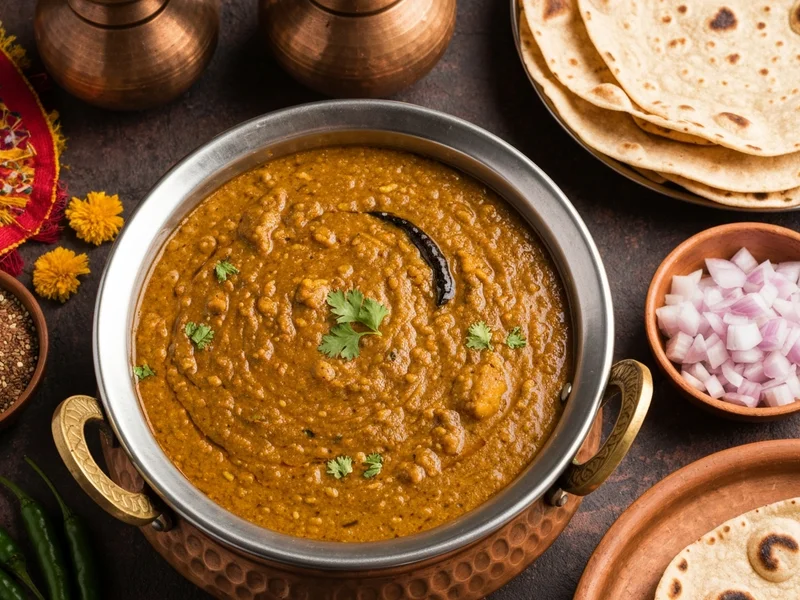
The Ramadan staple — shredded beef slow-cooked with wheat, barley, and lentils into a thick, silky stew, crowned with fried onions, ginger, lemon, and a drizzle of hot oil.
Beef Haleem Lahori
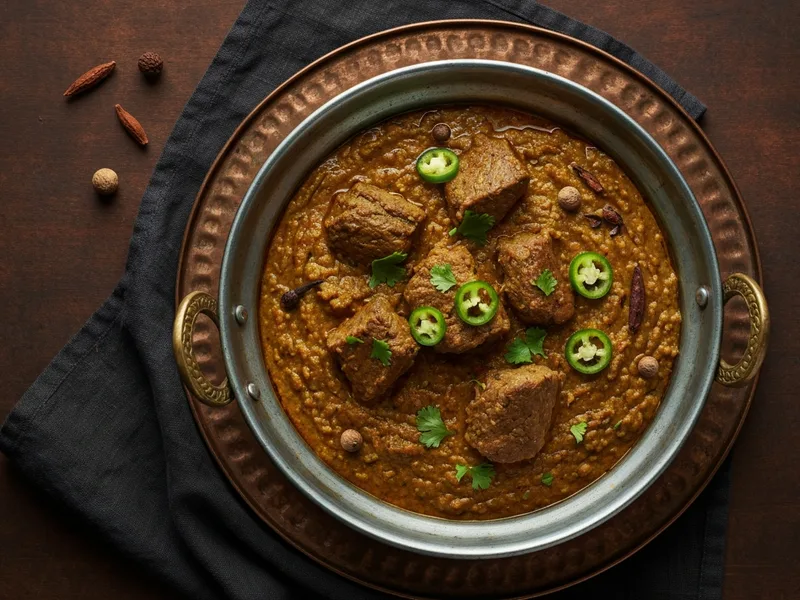
Lahori beef haleem — the Punjab version features a spicier, more assertive masala profile with a distinctly thick, hearty consistency. Classic winter comfort food at its finest.
Beef Haleem South Punjab
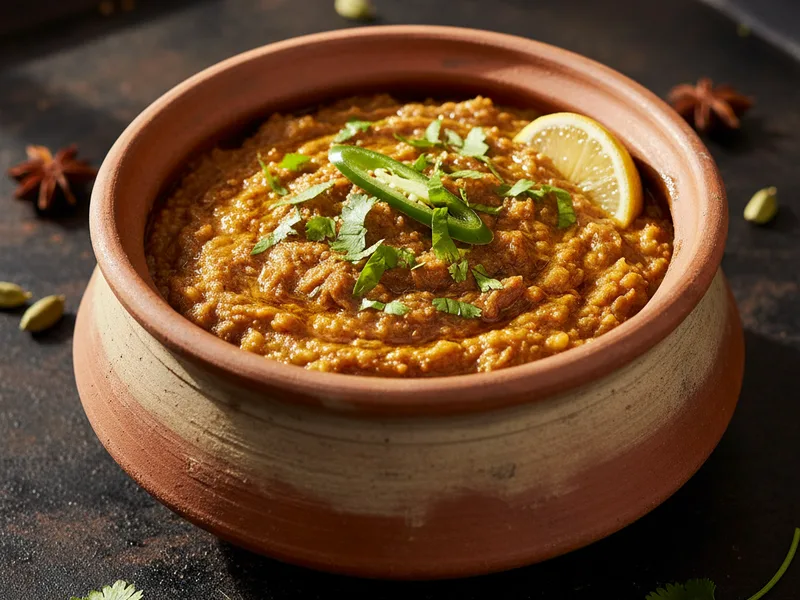
South Punjab's generous, heavily spiced beef haleem — cooked in the daig tradition with extra masala and a more assertive spice profile than northern Punjab. Multan's answer to Karachi and Lahore's versions.
What Cooks Are Saying
Average result for me. The technique is good but the proportions needed tweaking.
I was nervous to try this but the instructions made it so easy. Turned out amazing.
Leave a Review
Tried this recipe? Share your experience — your review helps other cooks.