
Intermediate Pakistani Recipes
Pakistani recipes for the home cook with some experience — dishes that reward attention to timing and technique but are absolutely achievable on a weekend. Karahis, stuffed breads, and layered rice dishes that will genuinely impress.
188 recipes
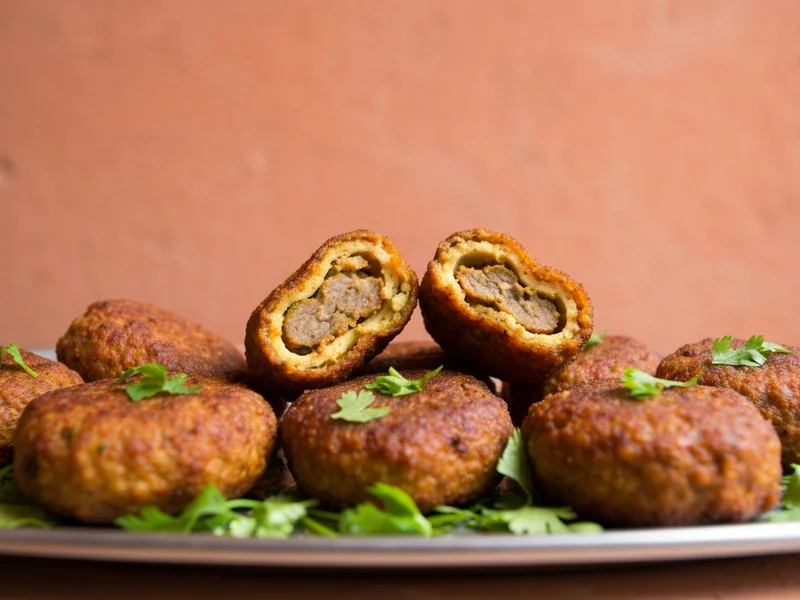
Peshawari Chapli Kebab
Flat, sizzling meat patties from Peshawar — loaded with tomatoes, coriander, and pomegranate seeds, fried in bone marrow fat until crispy on the outside, juicy within.
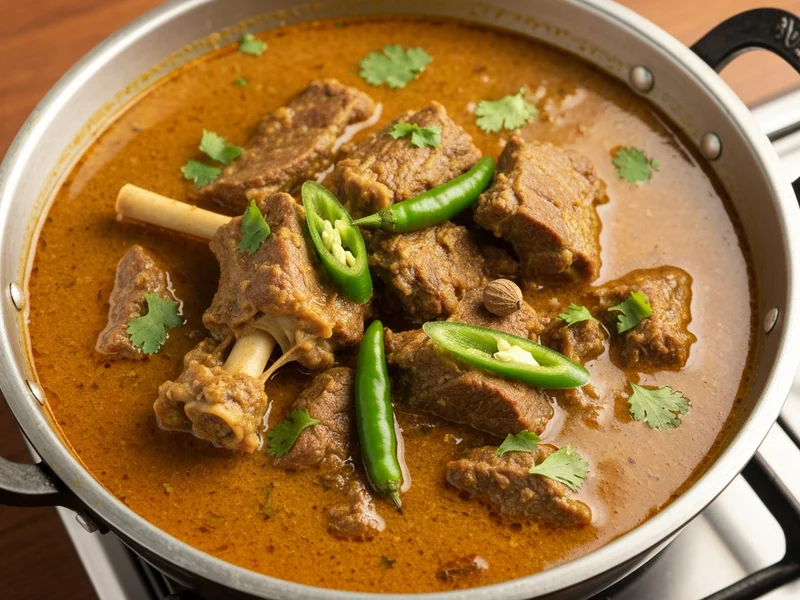
Classic Lahori Nihari
The ultimate slow-cooked breakfast stew — beef shank and bone marrow simmered overnight in a dozen spices. Old Lahore's most legendary dish.
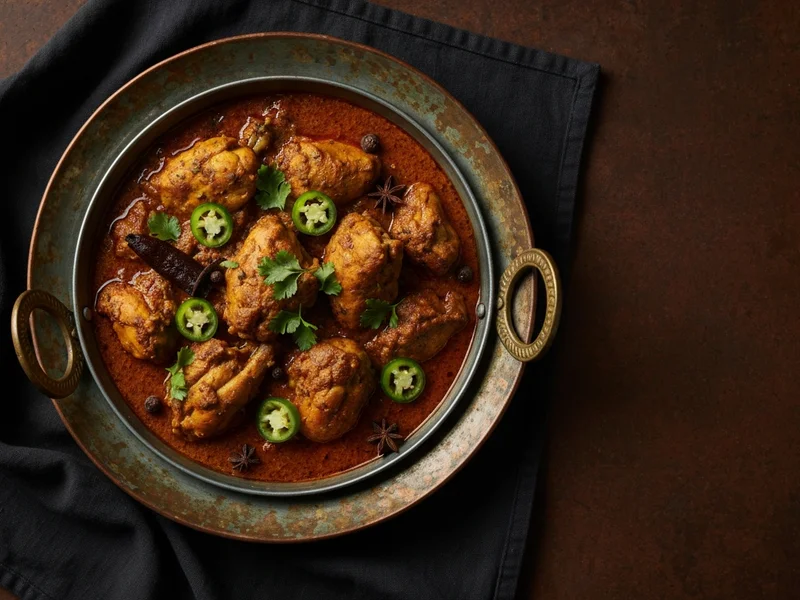
Lahori Chicken Karahi
The quintessential Lahori karahi — chicken pounded with tomatoes, ginger, and green chillies in a wok over roaring heat. No onions, no yoghurt, no shortcuts.
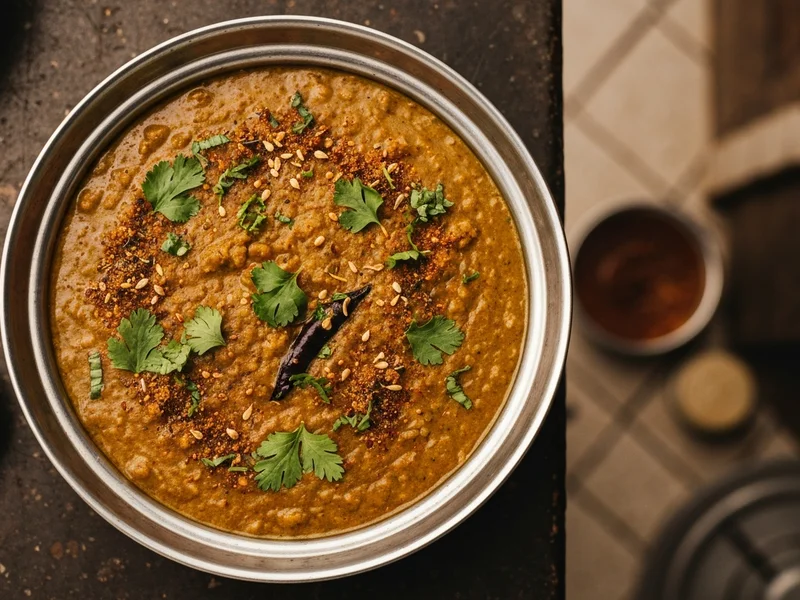
Chicken Malai Tikka
Cream and cheese-marinated chicken grilled until charred and smoky — Lahore's favourite non-spicy appetiser that melts on your tongue.
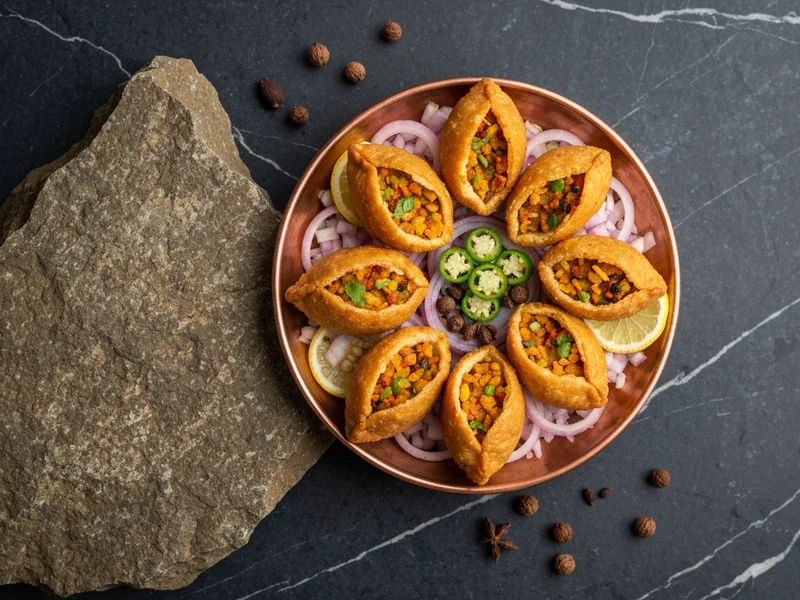
Gol Gappay
Crispy hollow puris filled with spiced chickpeas and tangy tamarind water — Pakistan's most addictive street snack. Once you start, you physically cannot stop at one.
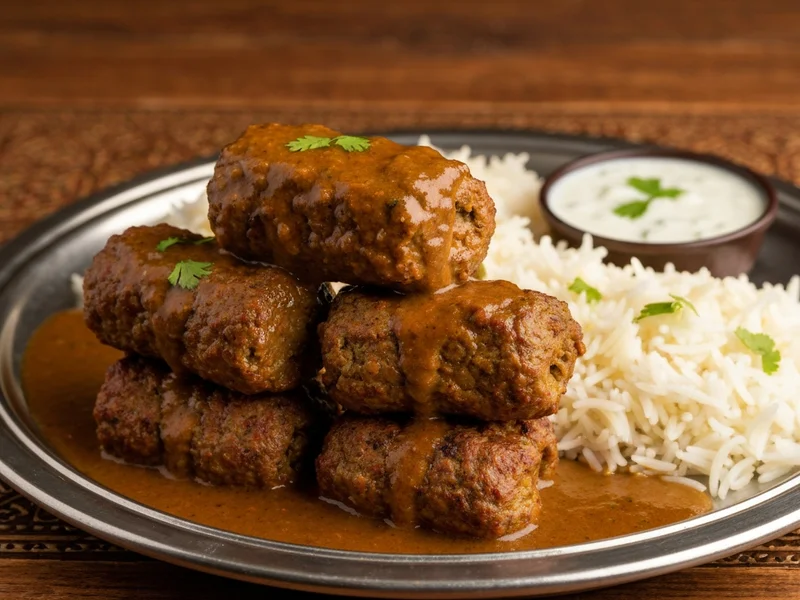
Lahori Seekh Kebab
Juicy, spiced minced meat kebabs grilled on skewers over live charcoal — the smell alone will bring your entire neighbourhood to the gate. Lahori seekh kebab is richer and spicier than its Peshawari cousin, packed with herbs and fried onion for moisture and depth.
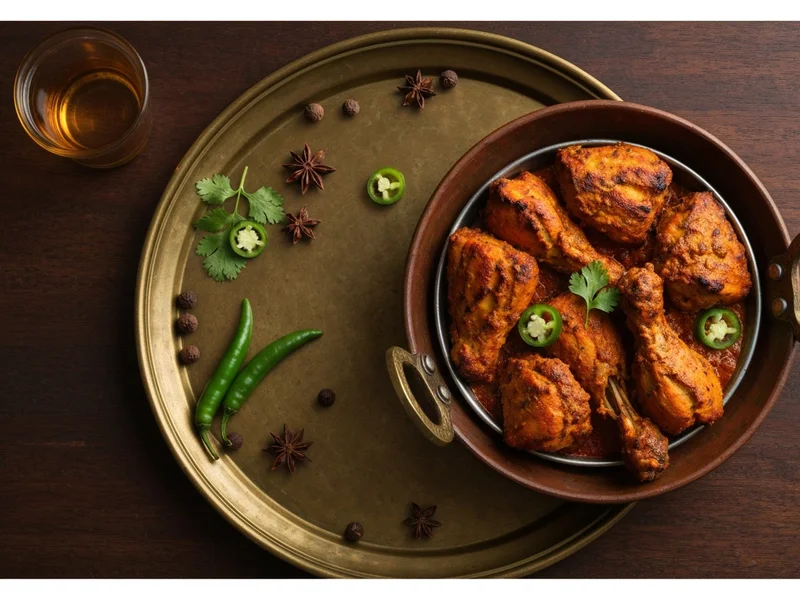
Lahori Chicken Tikka
Lahori chicken tikka — yoghurt and spice-marinated chicken pieces grilled in a tandoor until smoky, charred, and deeply flavoured. This is not the pale orange mild tikka of British-Indian restaurants; this is the real thing: fiery, caramelised, and smoky with a yoghurt-based marinade that has been doing its job overnight.
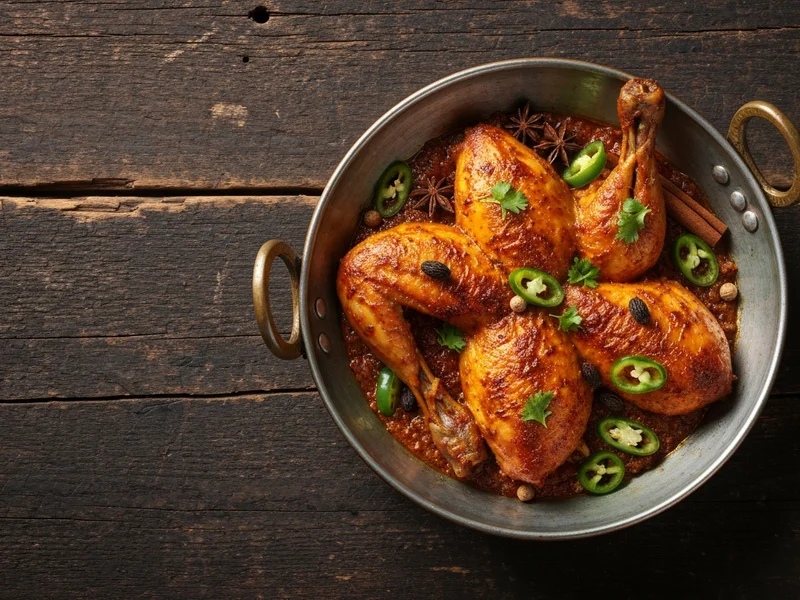
Balochi Sajji — Whole Roasted Chicken
Balochi Sajji is a whole chicken marinated in just salt and basic spices, skewered on a long stick, and slow-roasted vertically over a wood fire until the skin crisps and the meat falls off the bone. This is Balochistan's most iconic dish — minimalist, ancient, and absolutely extraordinary.
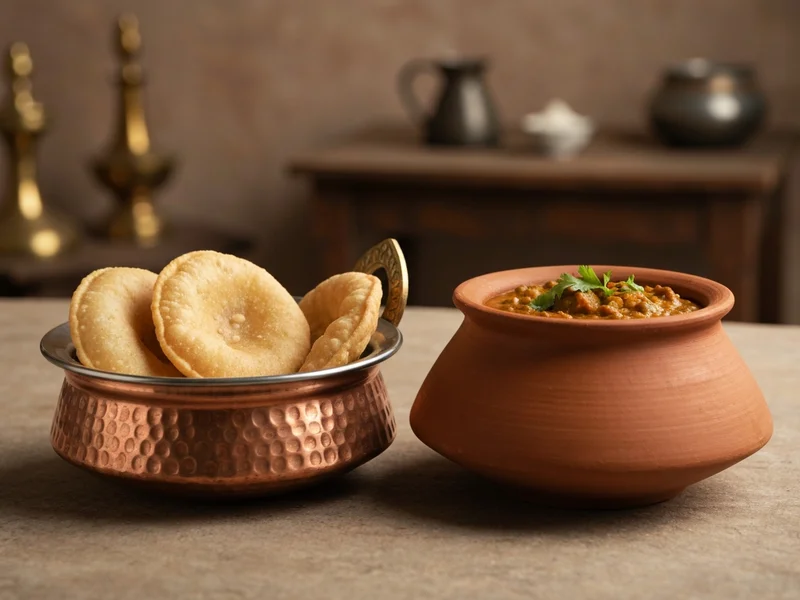
Lahori Halwa Puri with Channay
Lahori Halwa Puri is the iconic Pakistani Sunday breakfast — a full spread of suji (semolina) halwa, deep-fried puri bread, and spiced channay (chickpeas), served together as a feast. It is the meal that families plan weekends around, the one that means everything is okay with the world.
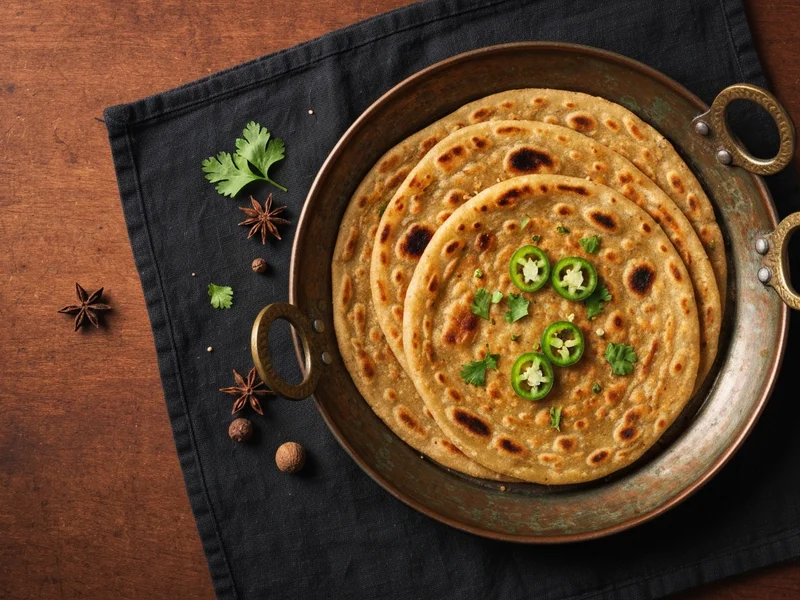
Aloo Paratha — Spiced Potato Stuffed Flatbread
Aloo Paratha is Pakistan's most beloved breakfast bread — whole wheat flatbread stuffed with a spiced potato filling, cooked on a tawa (griddle) with butter or ghee until crisp and golden on the outside, soft within. It is the meal that gets children out of bed without argument.
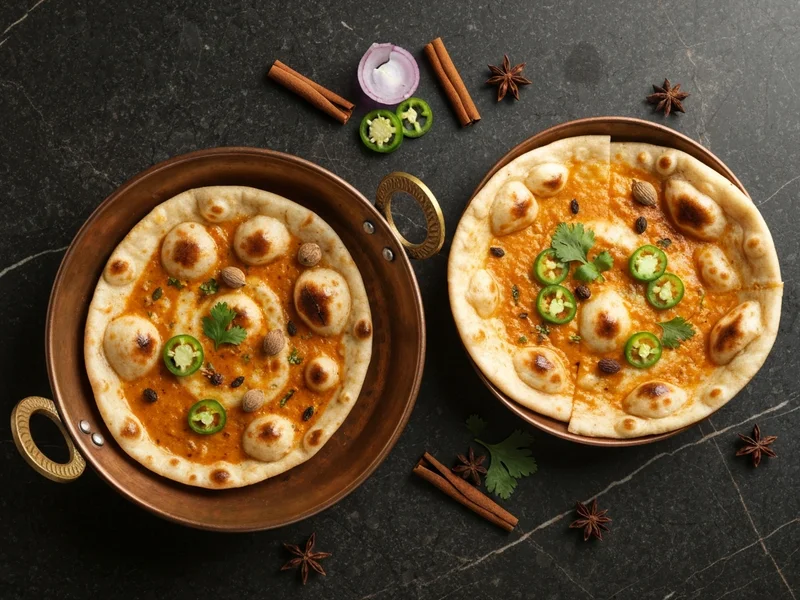
Butter Naan (Home Tawa Method)
Soft, pillowy butter naan made at home on a tawa (flat griddle) — no tandoor required. Brushed with makhan (butter) the moment it comes off the heat, this leavened flatbread is the perfect vehicle for any Pakistani curry.
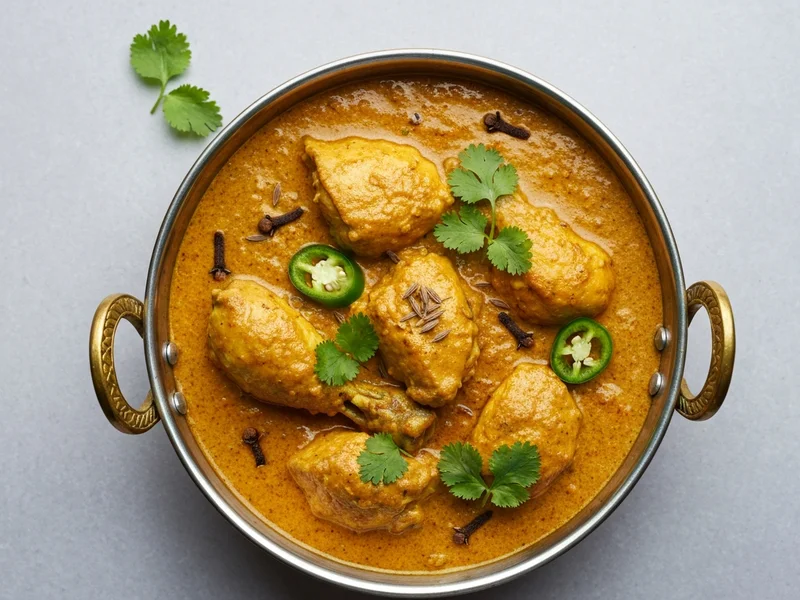
Shahi Chicken Korma
Shahi Chicken Korma is the crown jewel of Pakistani wedding food — rich, creamy, fragrant with whole spices, and built on a base of fried onions and whisked yoghurt. 'Shahi' means royal, and this curry earns the title.
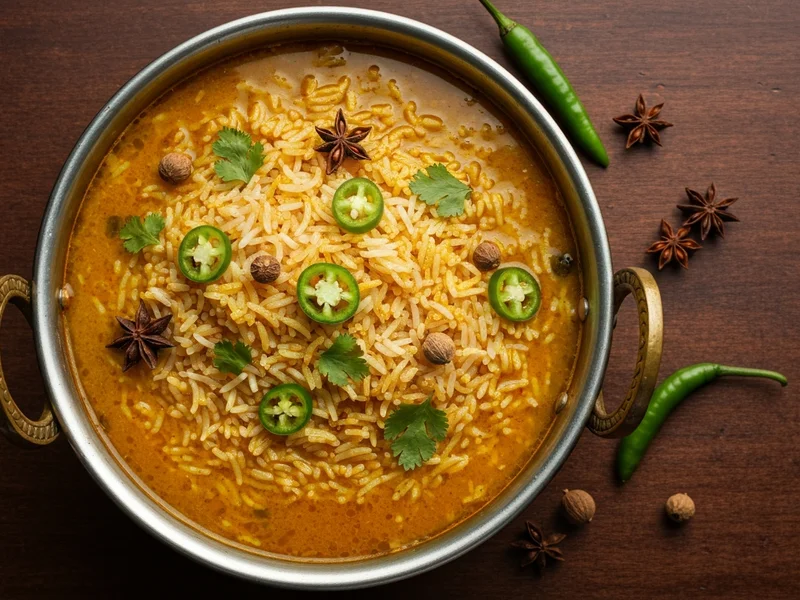
Yakhni Pulao
Yakhni Pulao is fragrant, one-pot rice cooked in a slow-simmered meat broth (yakhni) with whole spices. Lighter and more delicate than biryani, this is the dish that proves understated can be unforgettable.
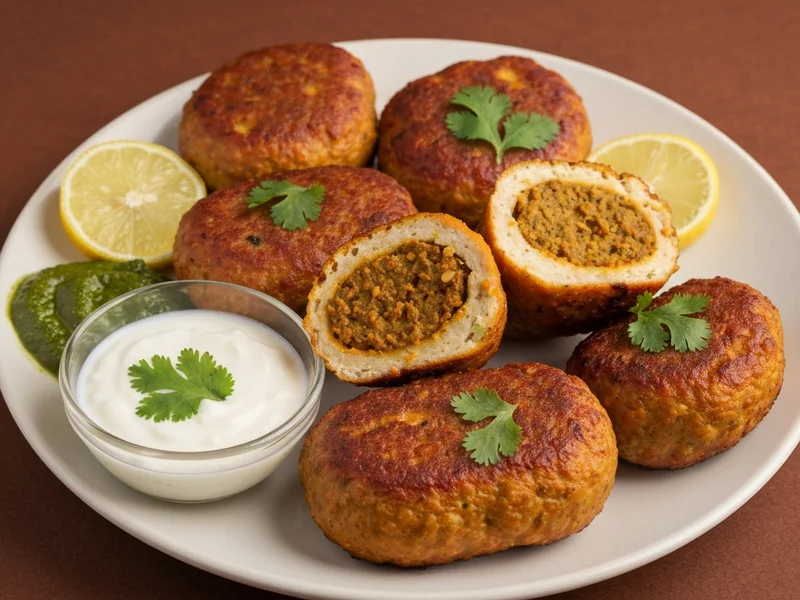
Lahori Shami Kebab
Lahori Shami Kebab are silky-smooth pan-fried patties made from slow-cooked beef and split chickpeas — spiced, herb-flecked, and crispy at the edges. The quintessential Pakistani tea-time snack.
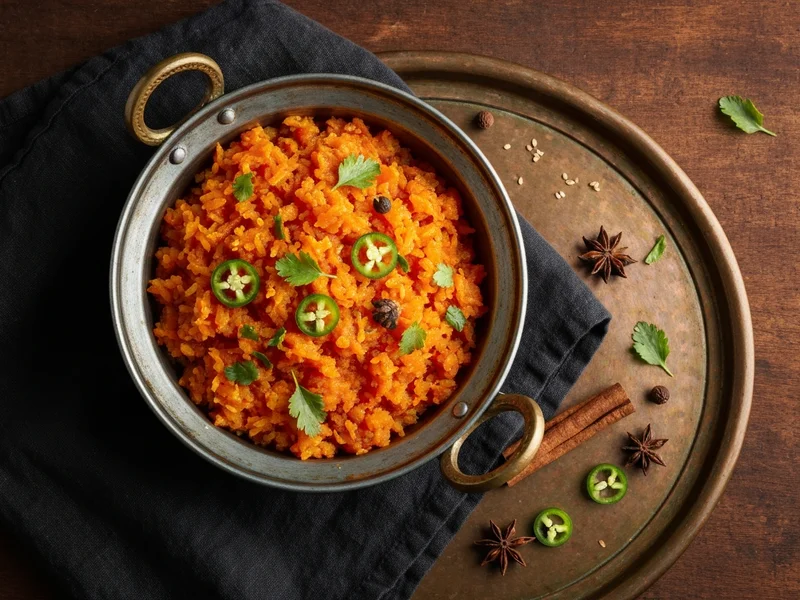
Gajar Ka Halwa — Classic Pakistani Carrot Dessert
Gajar ka halwa is Pakistan's most beloved winter dessert — slow-cooked grated carrots in full-fat milk, sugar, and cardamom, finished with a shower of nuts and a knob of ghee. Rich, aromatic, and impossibly comforting, it turns a humble root vegetable into something genuinely spectacular.
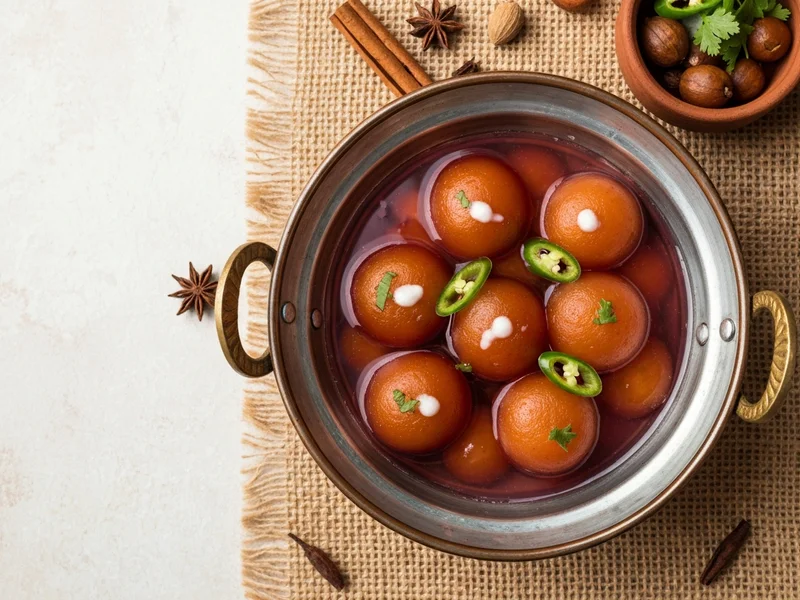
Gulab Jamun — Soft Milk Dumplings in Rose Syrup
Gulab jamun are soft, spongy milk dumplings deep-fried to a deep golden-brown and soaked in a fragrant sugar syrup perfumed with rose water and cardamom. Pakistan's most popular mithai (sweet), found at every wedding, celebration, and chai break.
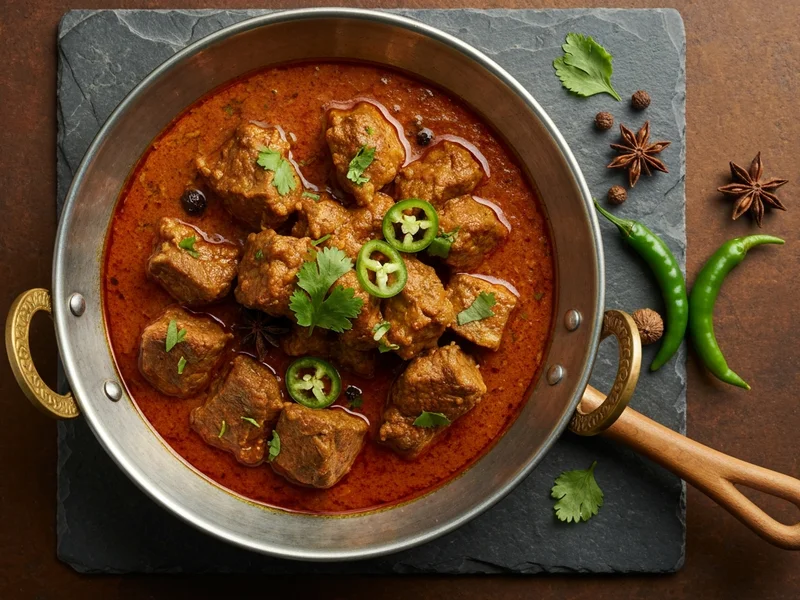
Lahori Mutton Karahi — Restaurant-Style Wok Curry
Lahori mutton karahi is the king of Pakistani restaurant cooking — bone-in mutton cooked fast and furiously in a heavy steel karahi (wok) with tomatoes, ginger, green chillies, and a final flourish of fresh coriander and cream. Bold, fiery, and deeply satisfying.
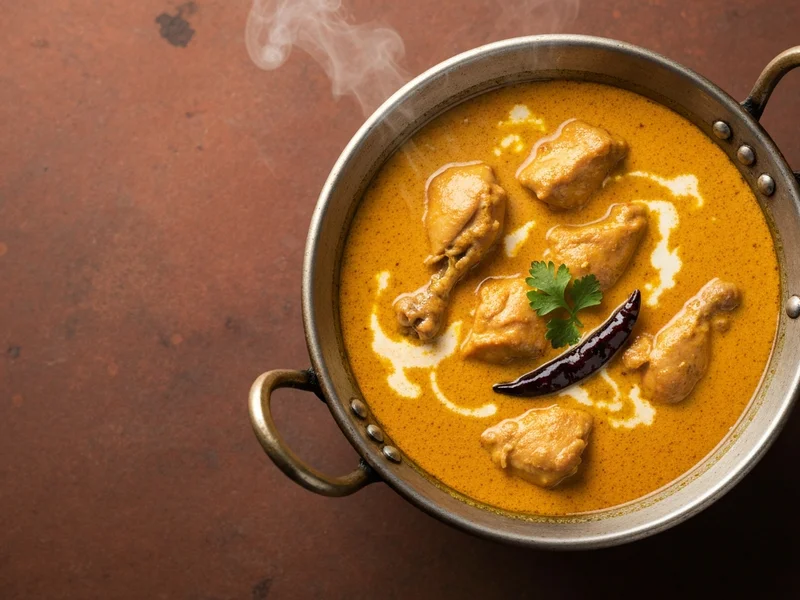
Creamy Chicken Handi
Chicken Handi is Pakistan's creamiest, richest curry — tender chicken simmered with malai (cream), makhan (butter), and aromatic spices in a traditional handi (clay pot). This mildly spiced dish is the go-to for anyone who wants restaurant-style flavour at home without setting their mouth on fire.
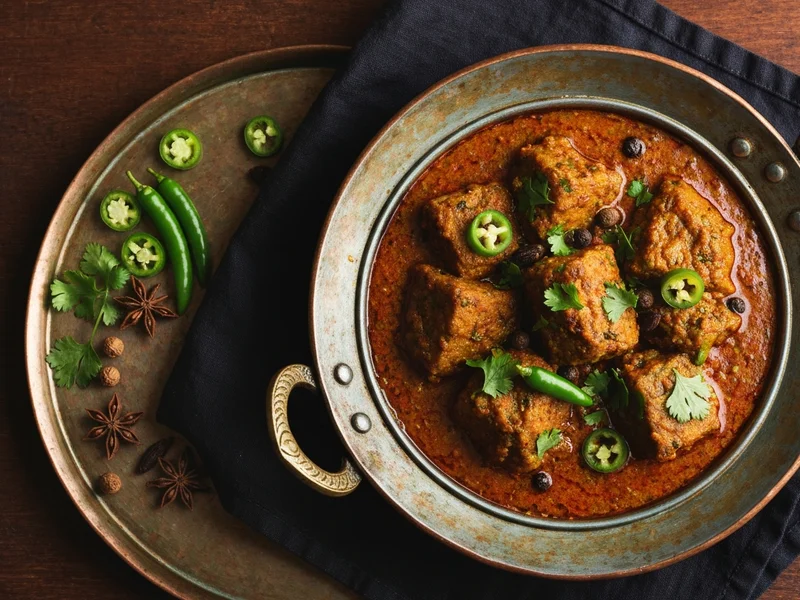
Punjabi Achar Gosht
Achar Gosht is a bold Punjabi meat curry spiked with achari masala (pickle spices) — tangy, aromatic, and unapologetically punchy. Whole mustard seeds, fennel, and nigella seeds give this curry its unmistakable pickled flavour that sets it apart from every other gosht (meat) dish.
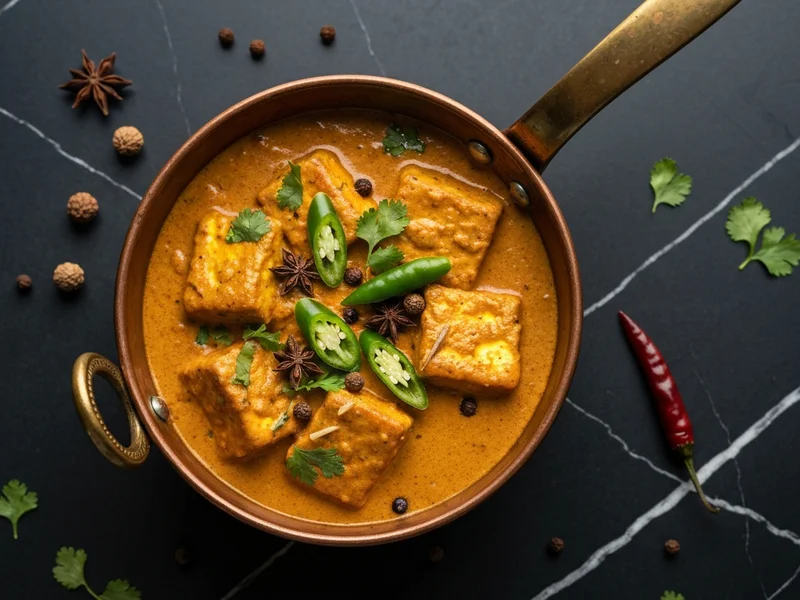
Malai Boti
Malai Boti is Pakistan's most indulgent BBQ dish — tender cubes of chicken or mutton marinated in a rich cream-cheese marinade, skewered and grilled until just charred at the edges. Mild, melt-in-mouth, and dangerously easy to eat too many of.
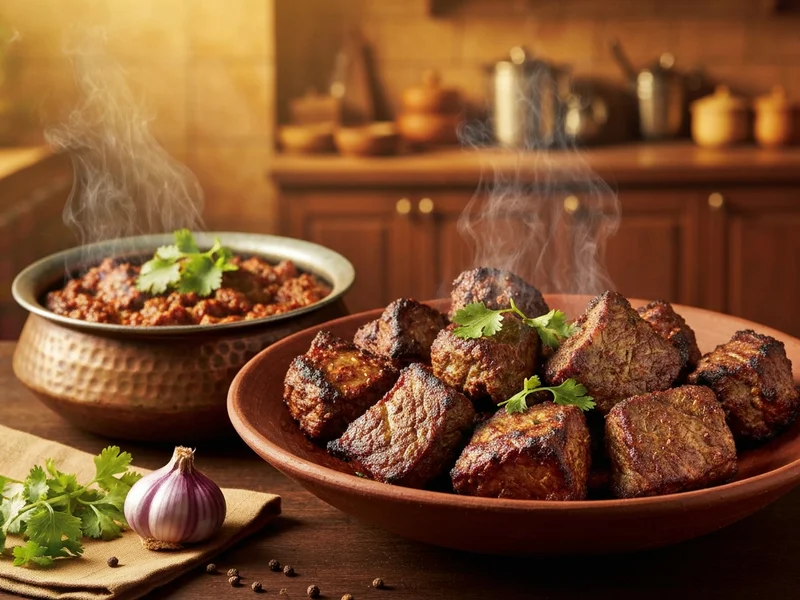
Charcoal Beef Boti
Beef Boti is the cornerstone of Pakistani BBQ — spiced cubes of beef threaded onto seekhs (skewers) and grilled over live charcoal until smoky, charred, and deeply flavoured. This is street-food BBQ at its most honest: bold spices, high heat, and that irreplaceable smell of meat over coal.
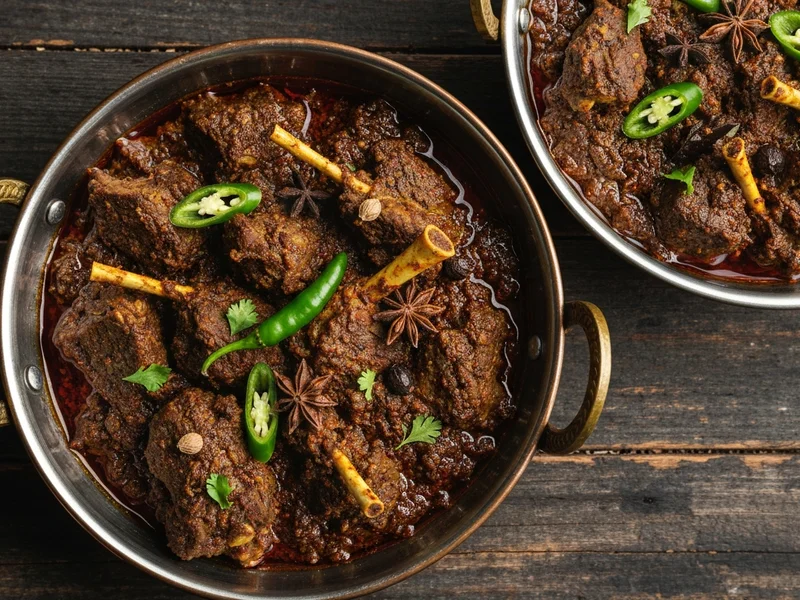
Peshawari Karahi Gosht
Peshawari Karahi Gosht is the original Pakistani karahi — bone-in goat cooked blazing hot with tomatoes, ginger, and green chillies, nothing else. No onions, no yoghurt, no shortcuts. This is the purist's karahi, straight from the dhabas of Peshawar's Namak Mandi.
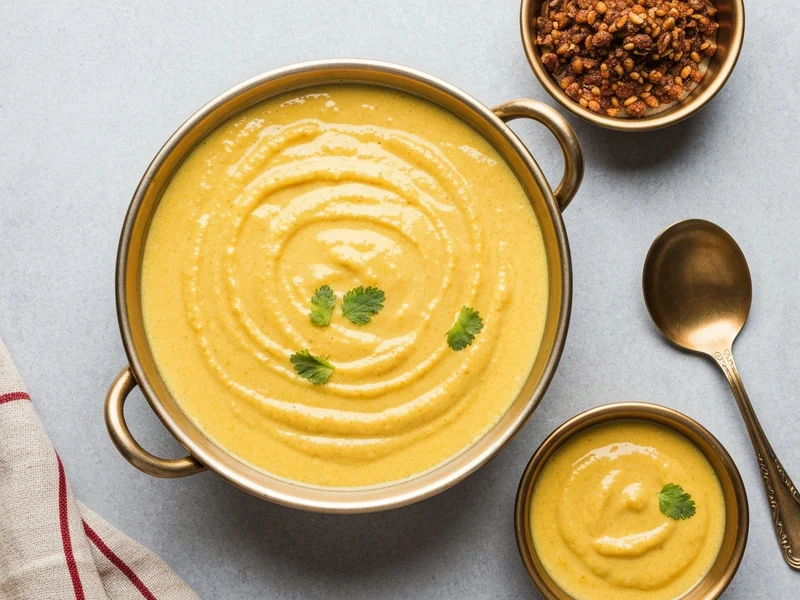
Traditional Rabri
Traditional Rabri is slowly reduced sweetened milk layered with thick cream, perfumed with saffron and cardamom — Pakistan's most regal milk dessert. Each spoonful is dense, intensely flavoured, and unapologetically rich.
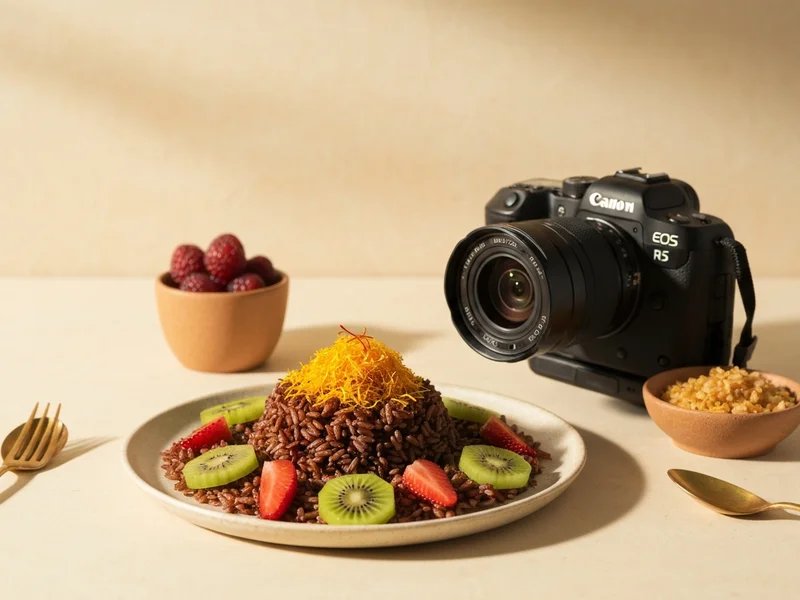
Shahi Zarda
Shahi Zarda is the jewelled sweet rice of Pakistani celebrations — fragrant basmati tinted gold with saffron, studded with dry fruits, nuts, and cardamom. A Mughal-era dish that still anchors every walima and mehndi spread.
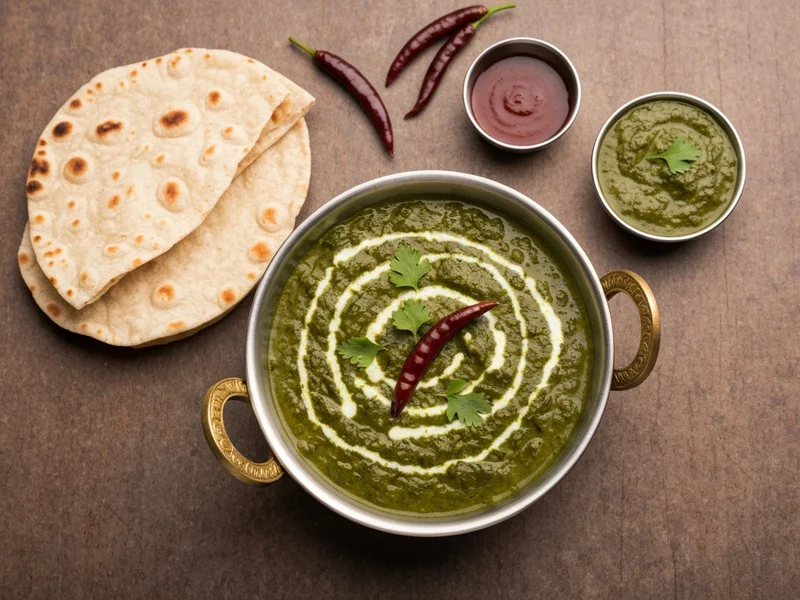
Sarson Ka Saag
Sarson Ka Saag is Punjab's winter soul food — slow-cooked mustard greens with spinach and spices, finished with ghee-fried garlic and served with makki ki roti (cornbread). A dish so tied to Punjabi identity that it's practically a passport.
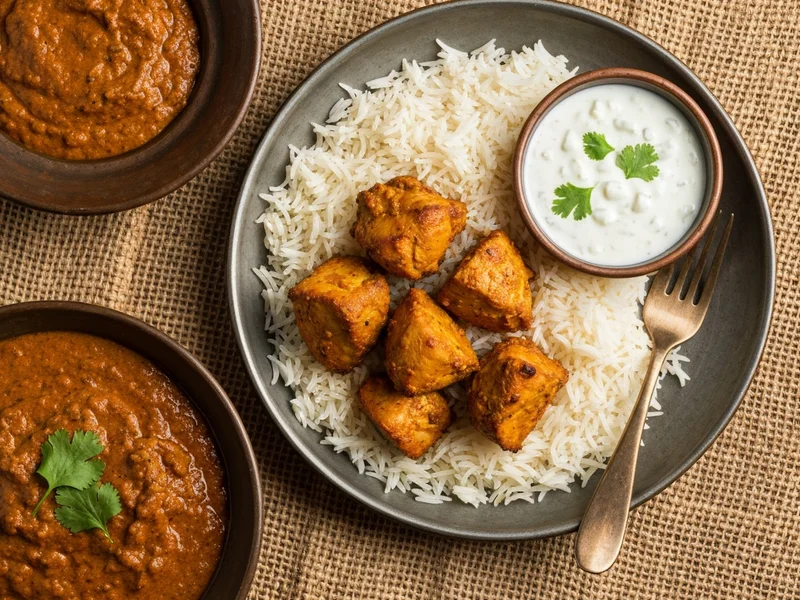
Lahori Tikka Boti
Lahori Tikka Boti is the smoky, spiced mutton centrepiece of Pakistani BBQ culture — bone-in chunks marinated in yoghurt, spices, and raw papaya, then grilled over coal until charred and juicy. The real one comes from the coal, not the oven.
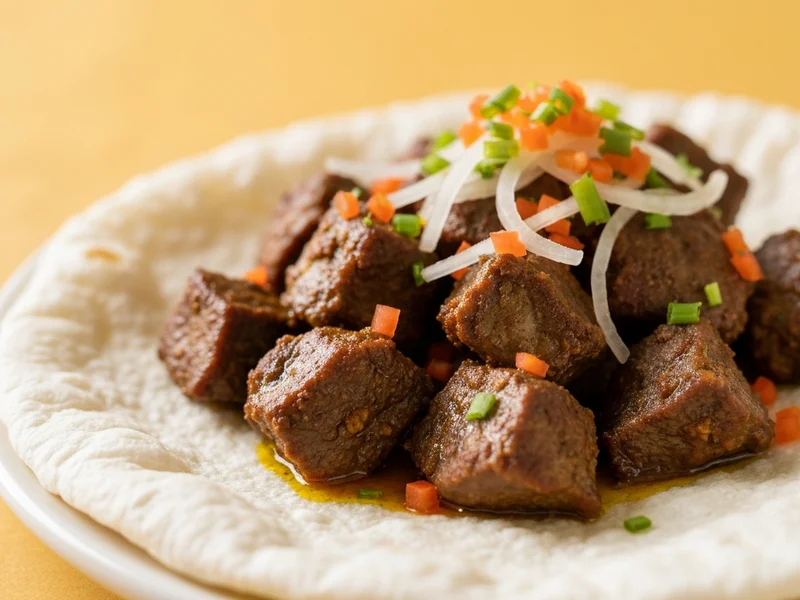
Lahori Gola Kebab
Lahore's most beloved kebab — silky ground beef and lamb balls skewered on wide seekhs, kissed by charcoal, and finished with dhungar smoke. A wedding staple and dhaba legend.
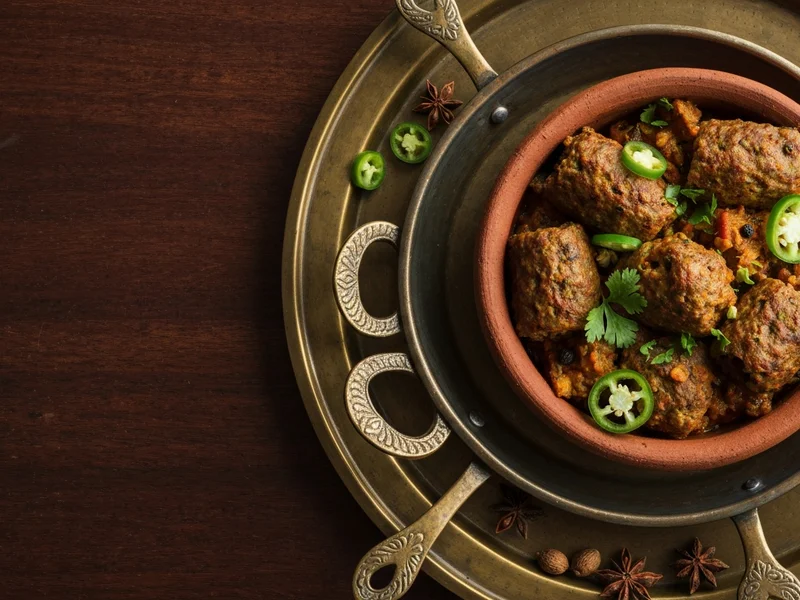
Bihari Boti — Karachi's Partition Kebab
Paper-thin strips of beef tenderloin, pounded flat, marinated overnight in mustard oil and poppy seeds, skewered flat and grilled. A Karachi classic born from the Bihari community's journey at Partition.
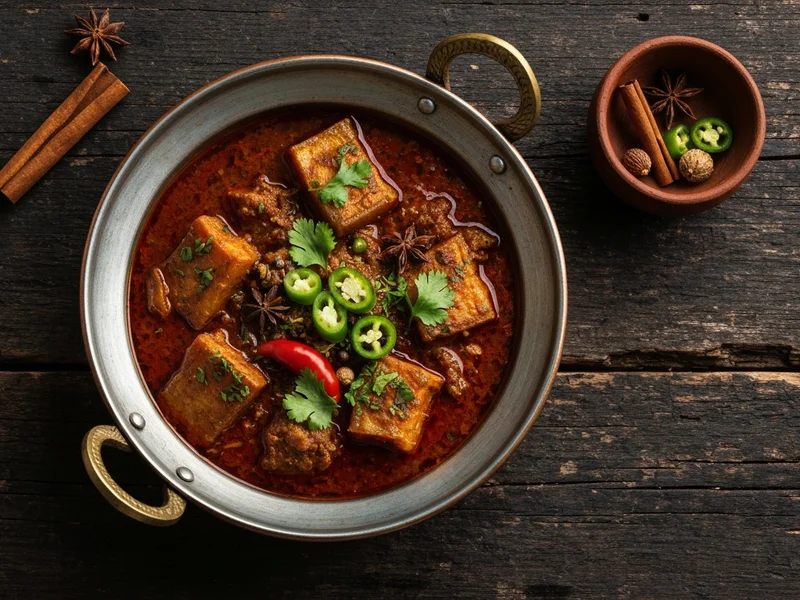
Shinwari Karahi — The Tribal Lamb Fat Karahi
The Shinwari tribe's legendary karahi — bone-in mutton cooked only in lamb tail fat, salt, cracked black pepper, and green chillies. No garlic, no tomatoes, no garam masala. Pure meat, pure fire, pure smoke.
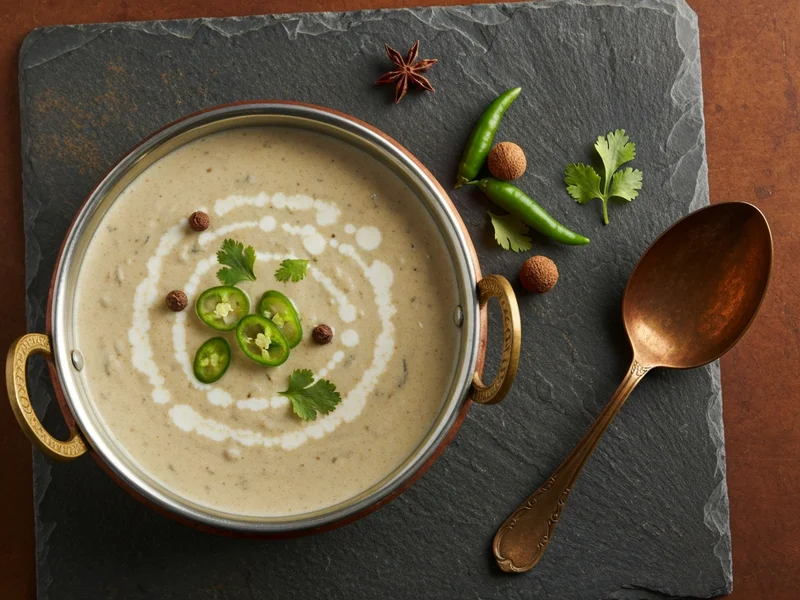
Safed Karahi — The Creamy White Karahi
A pale, ivory karahi with zero red chilli and zero tomatoes — chicken slow-cooked in cream, yoghurt, white pepper, and cashew paste. Don't let the colour fool you: this is one of the most complex karahis in Pakistani cooking.
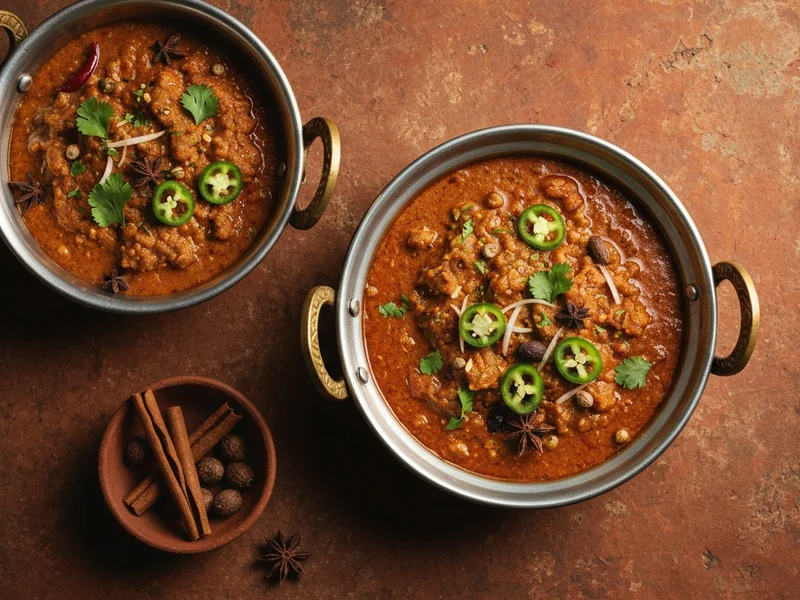
Lahori Katakat — The Chopping Rhythm Street Food
Lahore's most theatrical street food — offal and meat chopped rhythmically on a convex iron tawa with two metal spatulas, spiced on the fly. Named for the sound the blades make.
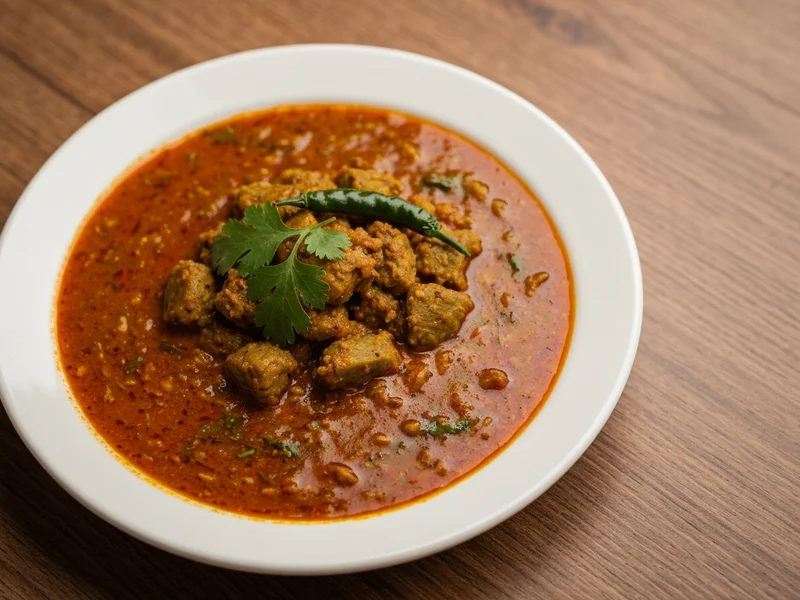
Balochi Dampukht
Balochistan's above-ground sealed-pot slow-cook — meat layered over charbi (sheep tail fat) with whole unpeeled vegetables, lid sealed with flour dough, cooked for 2-3 hours in its own steam with no added water. Salt and black pepper only. The charbi renders and bastes everything from below. NOT an underground dish — that is Khaddi Kabab.
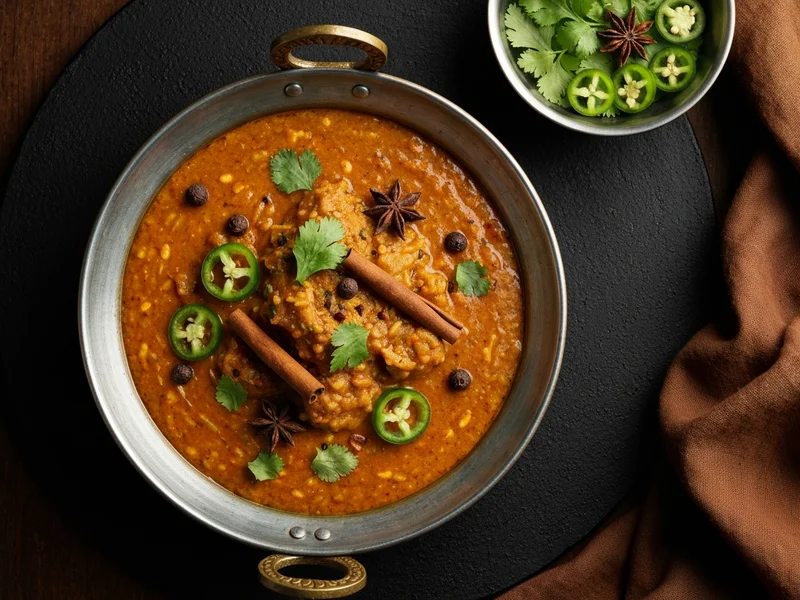
Peshawari Mantu
Afghan-origin steamed dumplings beloved in Peshawar — thin pasta dough filled with spiced minced beef, served on garlicky yoghurt with a tomato sauce and dried mint. A dish that crossed continents.
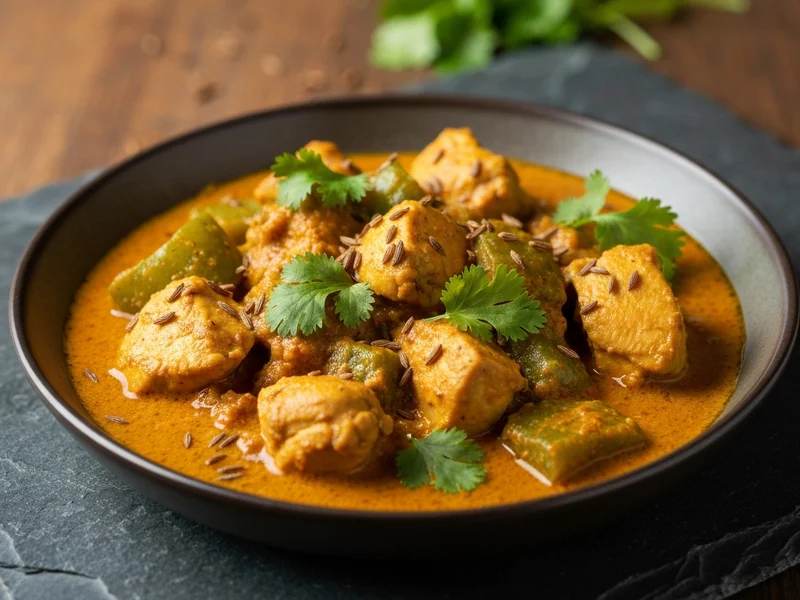
Kashmiri Tabak Maaz
The showstopper Wazwan starter — lamb ribs boiled in spiced milk until tender, then fried in their own reduced milk and ghee until golden-crispy outside and meltingly soft inside. A 500-year-old double-cook technique.
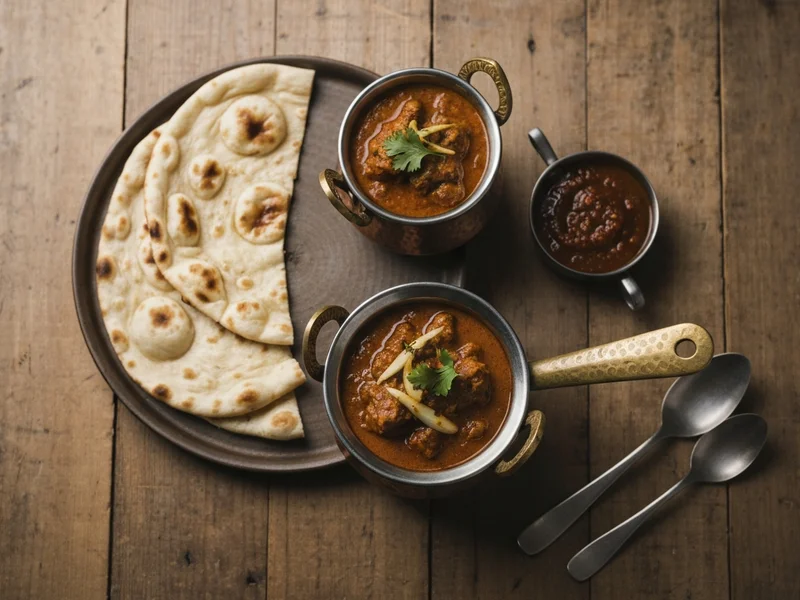
Kashmiri Rogan Josh
The crown jewel of Kashmiri cooking — a slow-braised lamb curry in a gorgeous mahogany-red gravy that gets its colour from Kashmiri chillies and alkanet root, not from heat. Aromatic, rich, and unlike any curry you've made before.
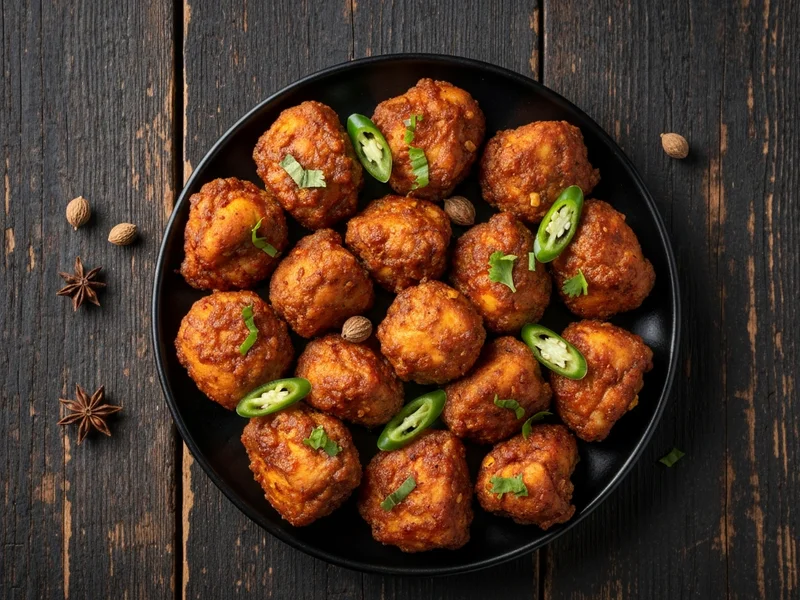
Chicken Manchurian
The undisputed king of Pakistani Chinese restaurants — crispy fried chicken tossed in a fiery, ketchup-red gravy that is nothing like anything you will find in China, and absolutely everything you want.
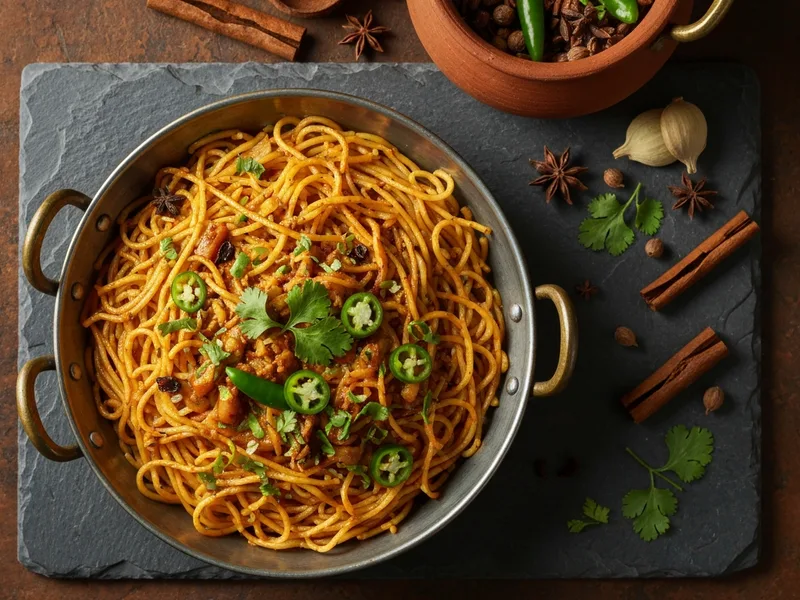
Pakistani Chowmein (Desi Chinese Hakka Noodles)
Spicier, oilier, and more aggressively seasoned than any Chinese noodle dish — Pakistani chowmein is its own glorious thing, born in Karachi's wok-fired kitchens and perfected on high heat.
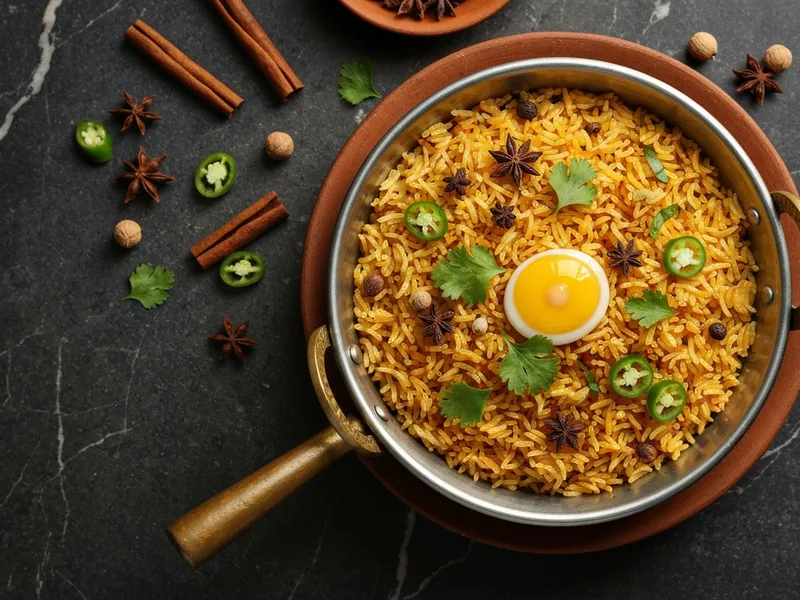
Pakistani Egg Fried Rice
The essential companion to Chicken Manchurian — Pakistani egg fried rice made with basmati, not jasmine, giving it a unique fluffy texture and aromatic character that sets it apart from every other version in the world.
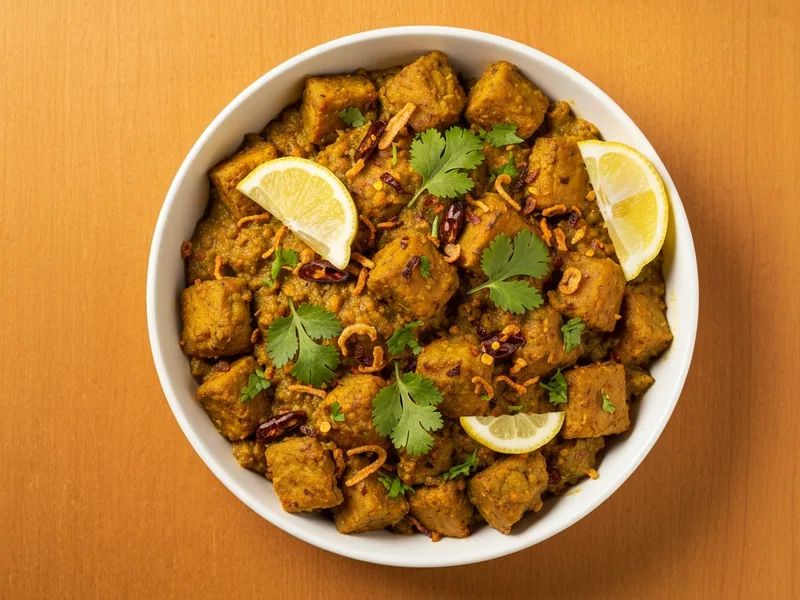
Honey Chilli Chicken
The showpiece Pakistani Chinese starter — shatteringly crispy chicken cubes in a glossy, fiery-sweet glaze that is all heat first, honey second, and completely impossible to stop eating.
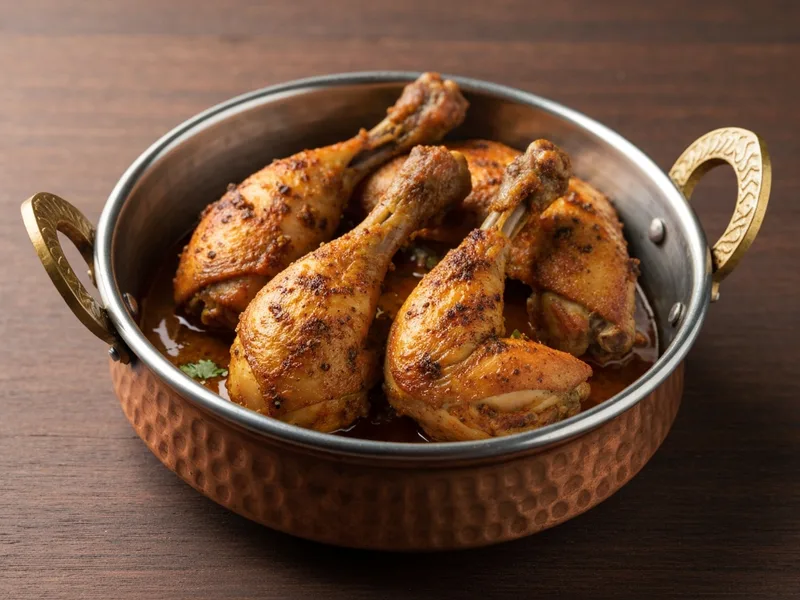
Salt and Pepper Chicken
The cleanest dish on any Pakistani Chinese menu — bone-in chicken stir-fried at blistering heat with cracked black pepper, green chillies, and spring onion. No gravy, no sauce, no apologies.
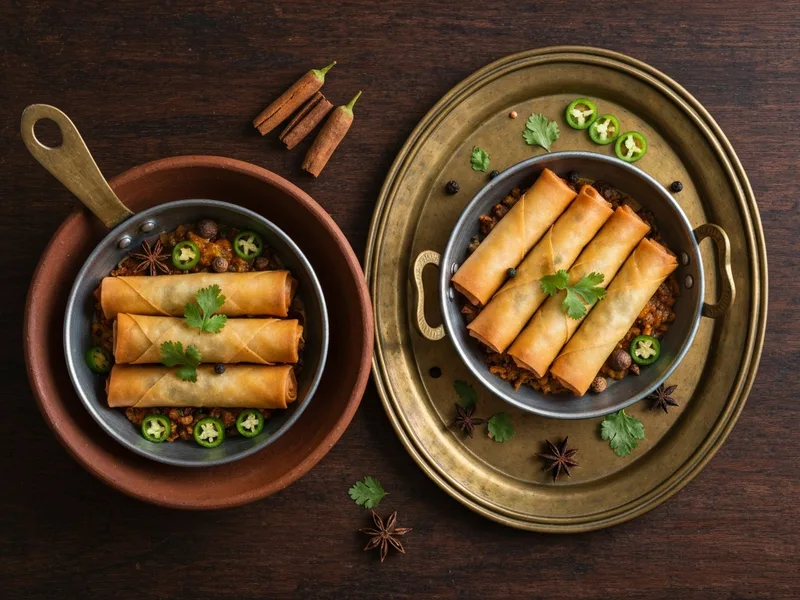
Pakistani Spring Rolls
Crispy golden rolls with a halal chicken and vegetable filling — a Pakistani Chinese staple that shows up at every family dawat, school canteen, and street-side Chinese stall from Karachi to Lahore.
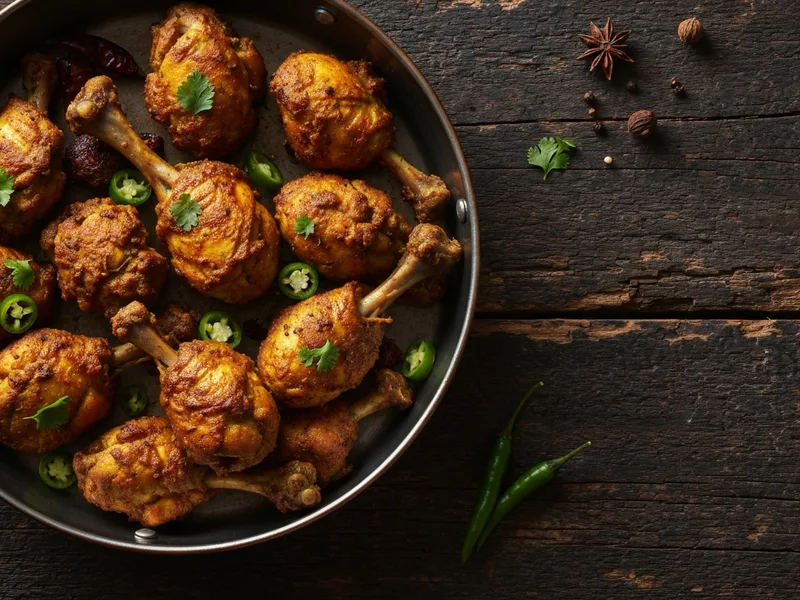
Chicken Lollipop
Chicken wingettes with the meat pushed down the bone into a dramatic lollipop shape, marinated in chilli-ginger-soy, battered crimson, and deep-fried to a crackling crisp. The showstopper starter of every Pakistani Chinese menu.
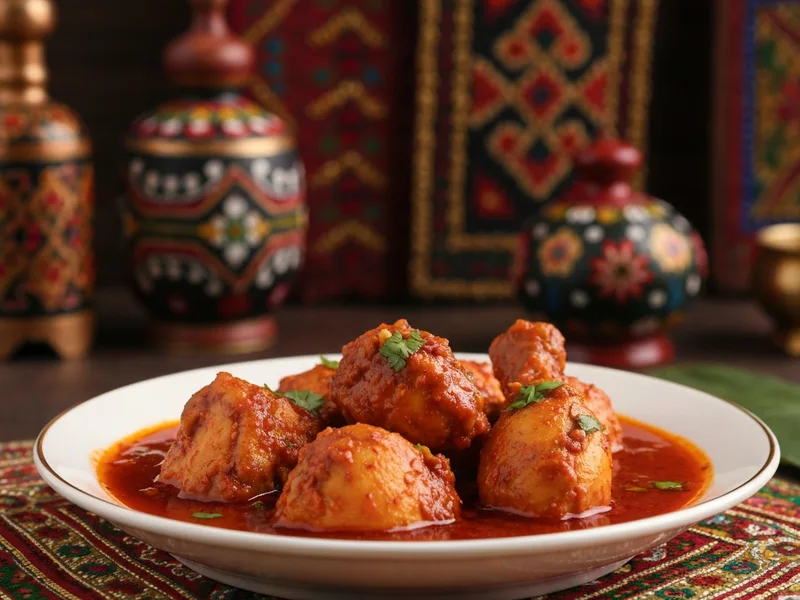
Schezwan Chicken
Fiery stir-fried chicken in a bold, tangy sauce built from dried red chillies, garlic, ginger, soy sauce, and a touch of vinegar. Pakistani Chinese at its most unapologetically spicy — served over egg fried rice.
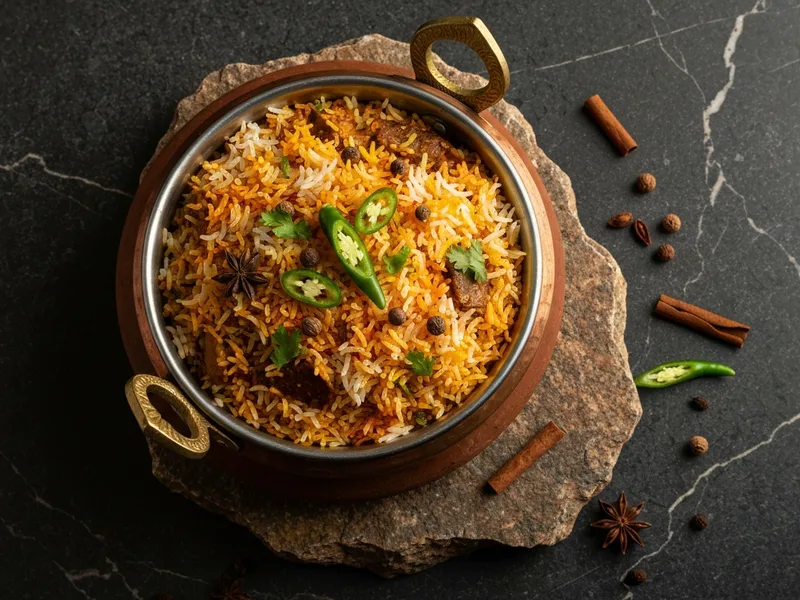
Afghani Biryani (Ruz Bukhari)
A completely different universe from Pakistani biryani — pale, mild, dairy-forward, with no tomatoes, no chilli masala, and a breathtaking garnish of caramelized carrot, plump raisins, and toasted almonds. Central Asian comfort food at its most beautiful.
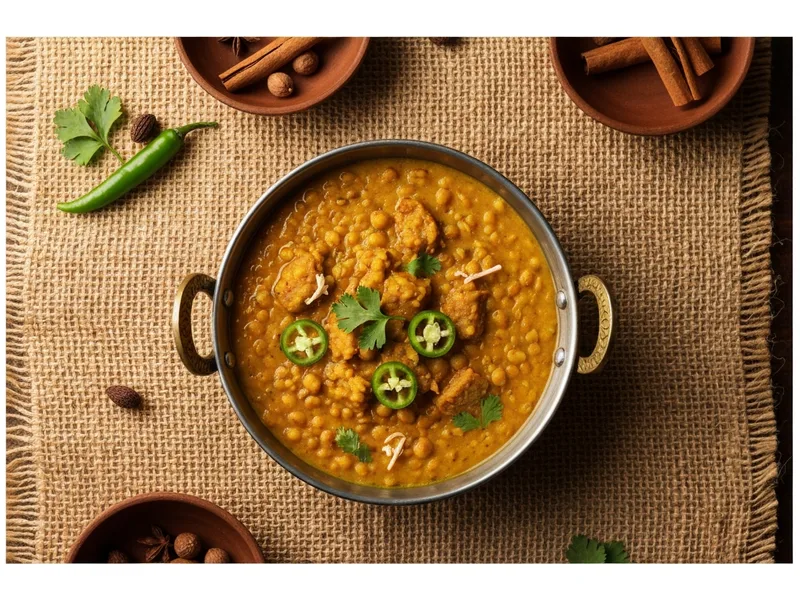
Daal Chana (Chanay Ki Daal)
Hearty, nutty split yellow chickpea daal — slow-cooked until thick, with optional lauki (bottle gourd) and a rich ghee tarka. Pakistan's most substantial everyday daal.
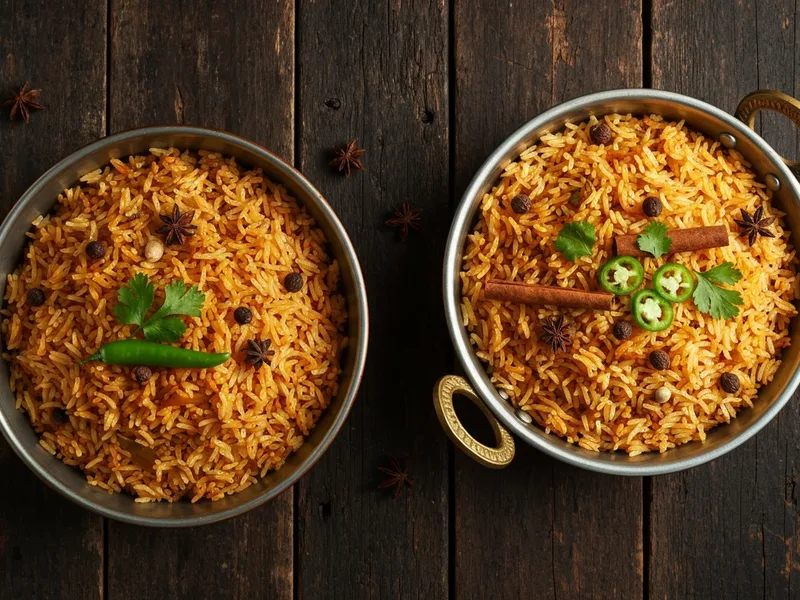
Kabuli Pulao (Afghan-Peshawari Rice)
Afghanistan's national dish — long-grain basmati rice cooked in rich lamb stock, crowned with caramelised julienned carrots, plump raisins, and slivered almonds. Mildly sweet, deeply fragrant, impossibly elegant.
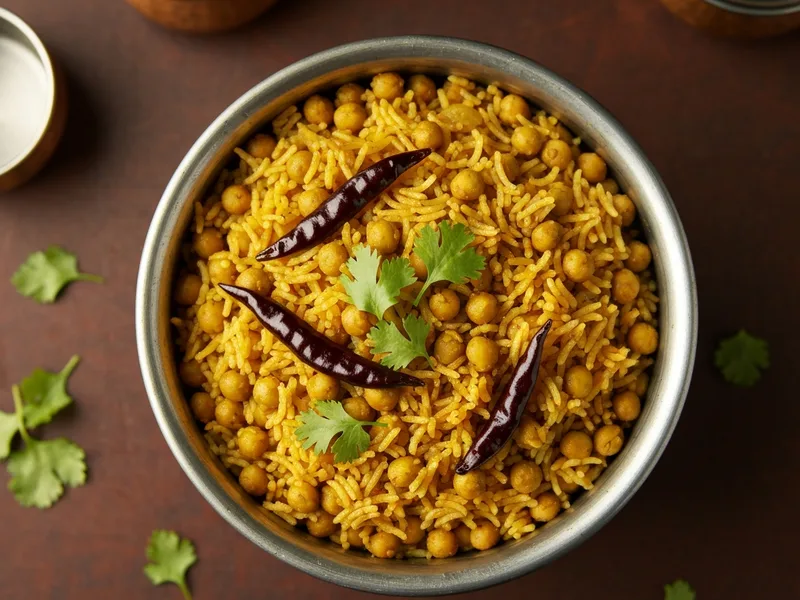
Chana Pulao
Fragrant basmati rice cooked with whole boiled chickpeas — no meat, loads of flavour. An economical, filling pulao made for large gatherings and beloved across Punjab.
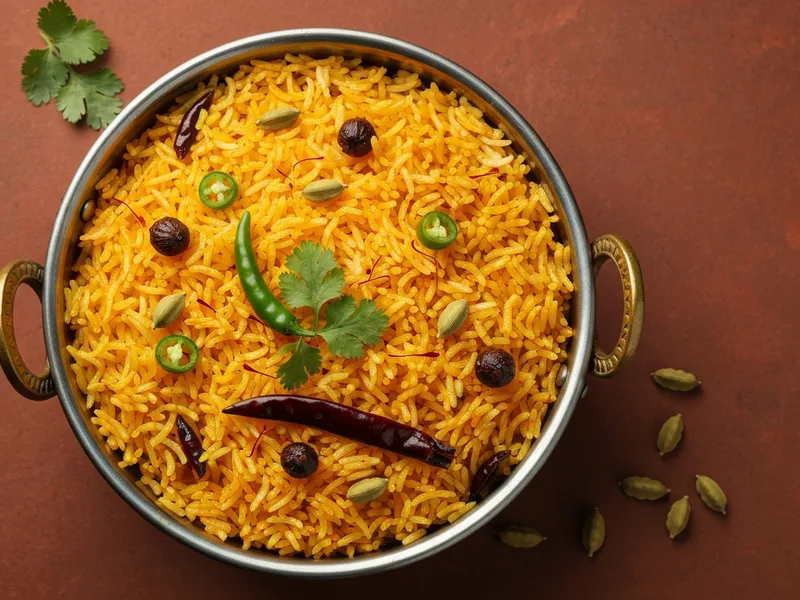
Zafrani Pulao (Saffron Rice)
Mughal festive rice — long-grain basmati perfumed with saffron-soaked milk, cooked in ghee, and crowned with dry fruits fried until golden. Mildly sweet, deeply fragrant, no meat. Served at weddings alongside korma or nihari.
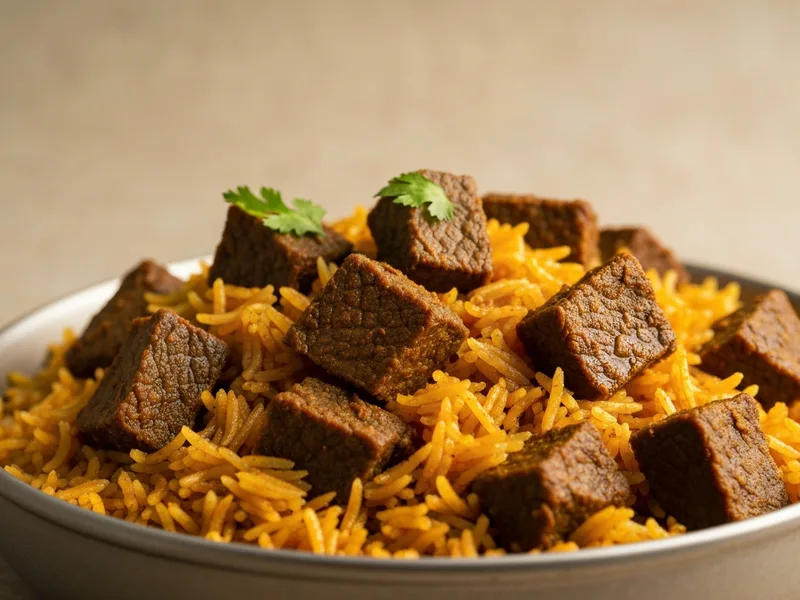
Bannu Beef Pulao
Bannu Beef Pulao is the purist's answer to rice — no colour, no masala packets, just beef, rice, and whole spices doing exactly what they're supposed to. The magic is in the yakhni (broth) that the rice cooks in, absorbing every ounce of beefy, aromatic goodness. This is KP cooking at its most majestic: simple, honest, and absolutely unforgettable.
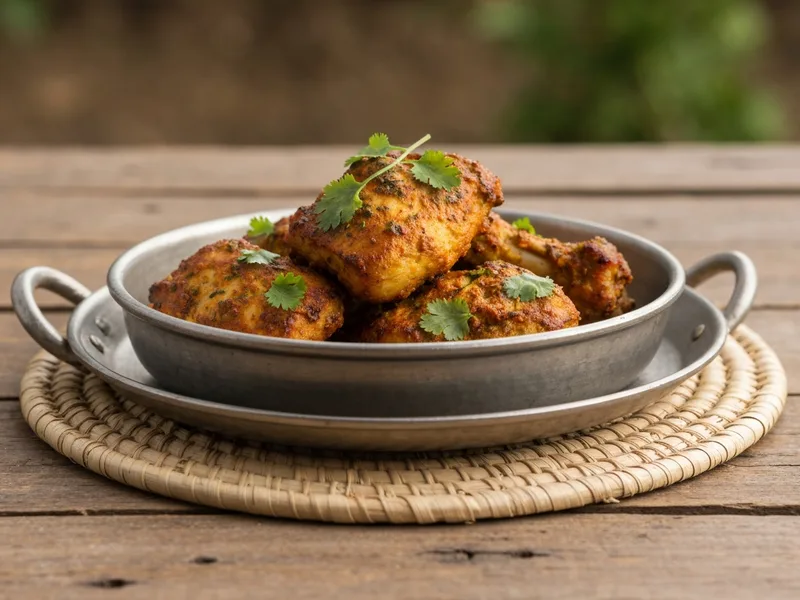
Charsi Tikka
Charsi Tikka from Peshawar's Namak Mandi is the most audaciously simple chicken you will ever eat — just salt, a whisper of lemon, and the alchemy of charcoal heat and lamb tail fat. No food colouring, no marinade box, no yoghurt — just fire, fat, and a whole chicken that emerges crackling and golden. It will make you question everything you knew about flavour.
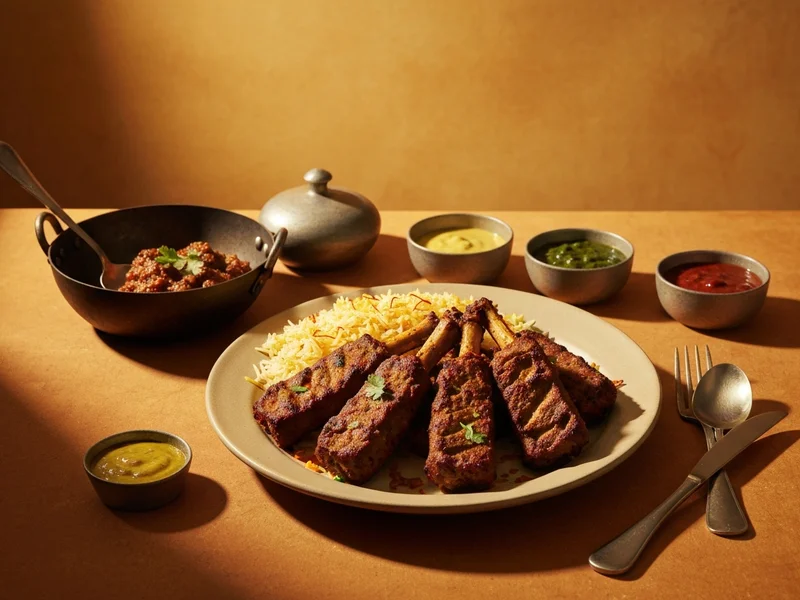
Lahori Chargha
Lahori Chargha is the crispy, mahogany, deeply spiced whole chicken that rules Lahore's food street scene — and its secret is a two-stage cooking process: first steaming with citric acid (tatri) and spices until completely cooked through, then deep frying until the skin is shatteringly crispy and bronzed. Skip either step and it's just chicken. Do both and it's a celebration.
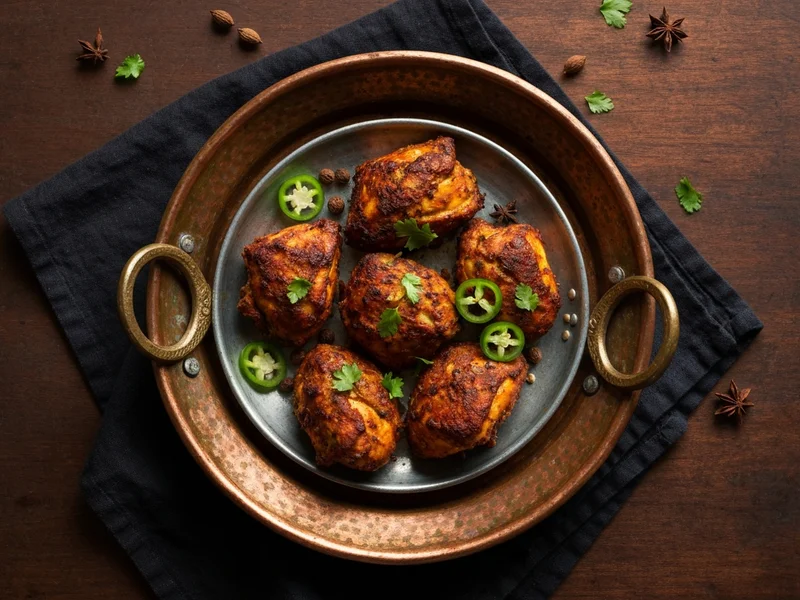
Tawa Chicken — Lahori Street Style
Tawa Chicken is Lahore's most theatrical street food — bone-in chicken cooked furiously on a massive iron tawa over high heat with tomatoes, green chillies, ginger, and butter, all chopped and stirred with a wide metal spatula in a cloud of steam and sizzle. It's fast, loud, intensely flavoured, and absolutely addictive.
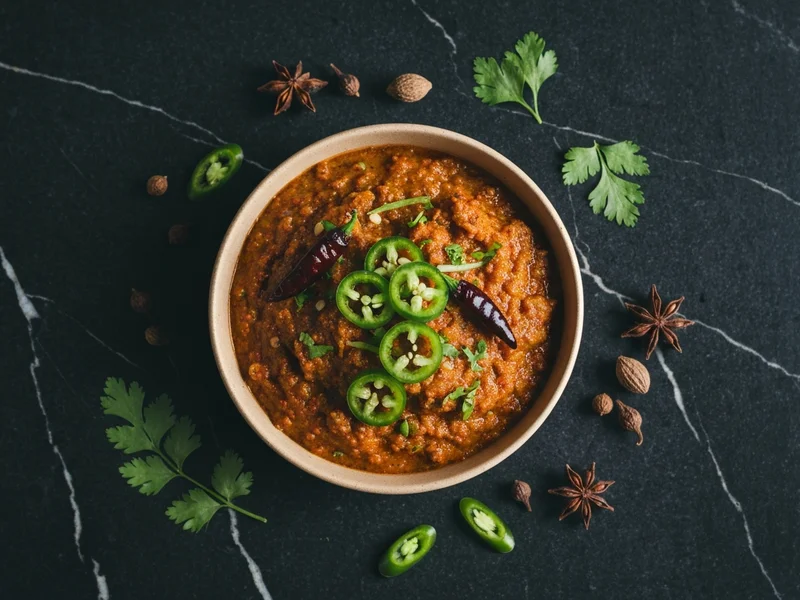
Kadhi Pakora
Tangy yoghurt curry made with besan (gram flour) that's so comforting it feels like a hug in a bowl. Crispy besan fritters are floated in the sour gravy and finished with a sizzling red chilli tarka that makes a dramatic entrance. A Punjabi staple that every household makes slightly differently — and everyone claims their version is the best.
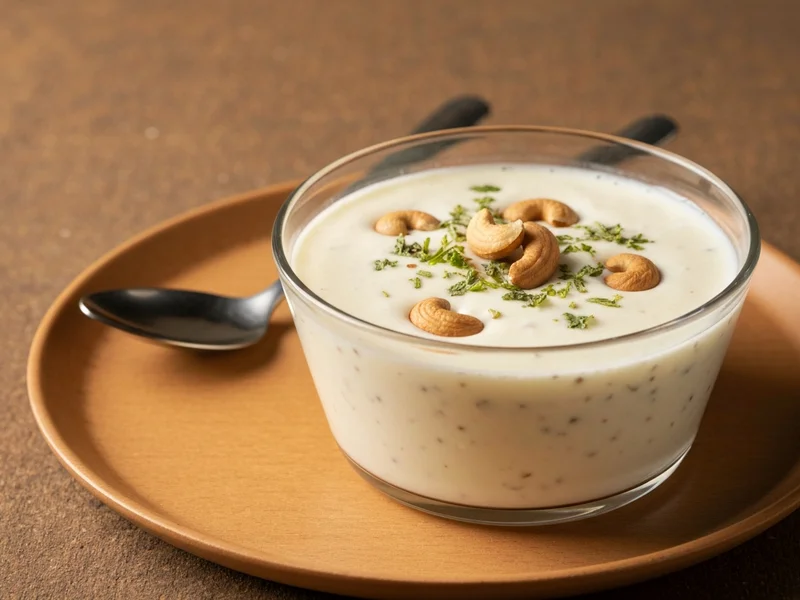
Phirni
A silky, chilled rice pudding that is the definition of elegant simplicity — creamy full-fat milk slowly thickened with coarsely ground soaked rice, perfumed with cardamom and saffron, and set in traditional clay shikoras (bowls) that give it an earthy, cool quality no modern container can replicate. Phirni is the dessert you serve when you want guests to feel truly looked after.
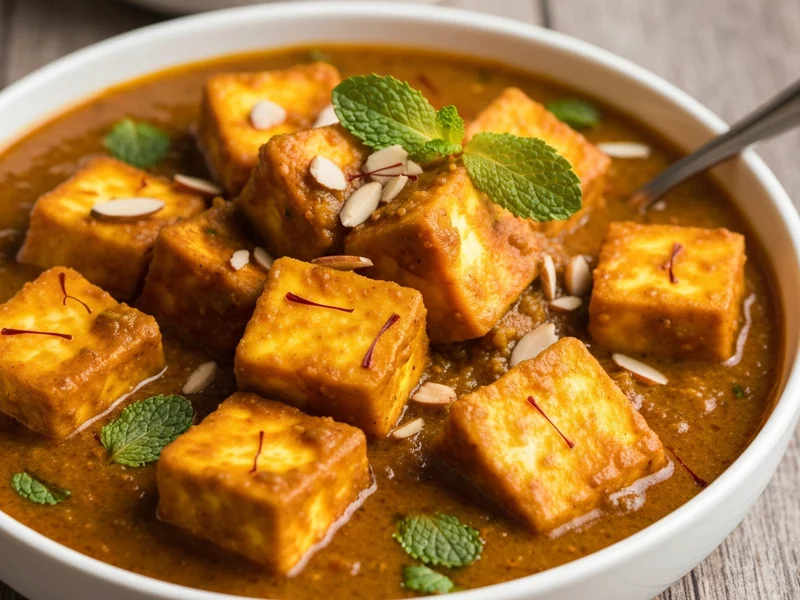
Shahi Tukda
The royal bread pudding of the Mughal kitchen — thick slices of day-old white bread fried until shatteringly golden, soaked in fragrant sugar syrup, then generously drowned in saffron-and-cardamom-scented rabri (thickened sweetened milk) and finished with silver leaf and pistachios. Every bite is rich, sweet, and unapologetically indulgent.
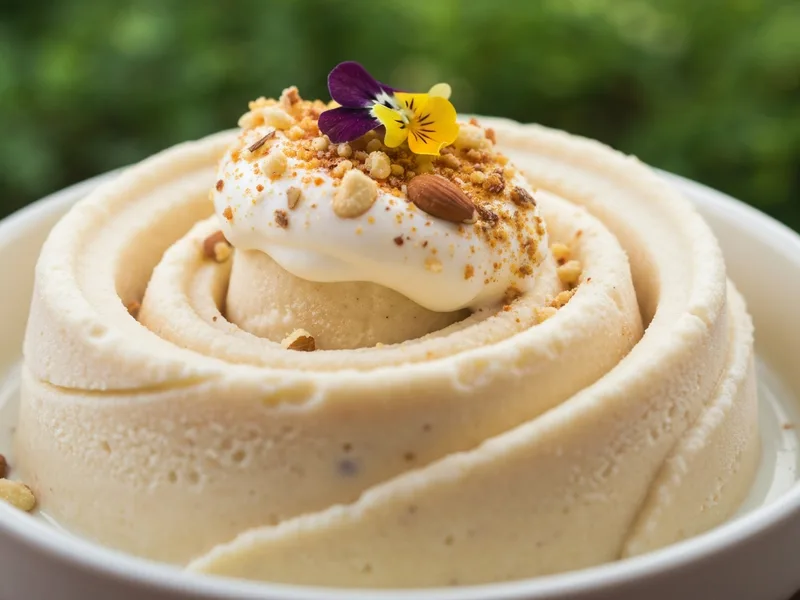
Kulfi
The original South Asian ice cream — denser, richer, and more intensely flavoured than anything you'll find in a tub. Made from full-fat milk slowly reduced to one-third its volume, sweetened and perfumed with cardamom and pistachios, then frozen solid in conical moulds. A single kulfi contains the concentrated goodness of three glasses of milk.
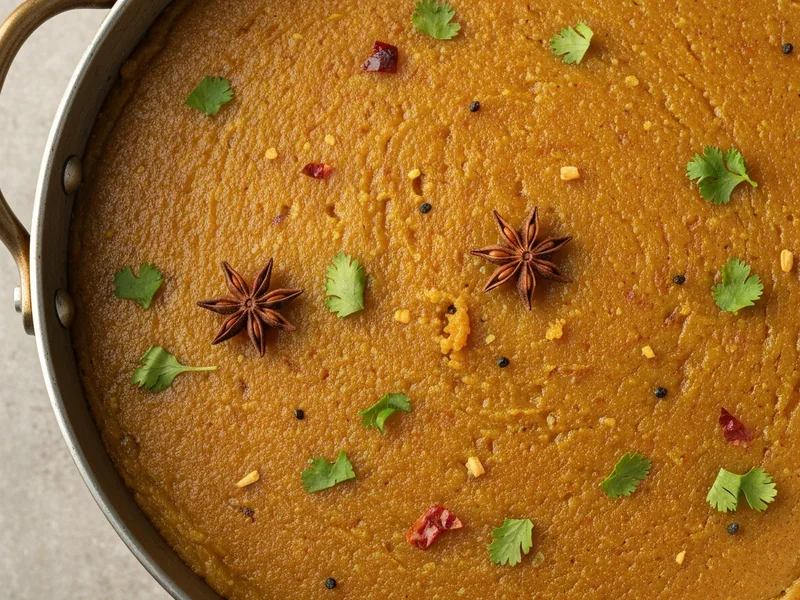
Besan Ka Halwa
A deeply satisfying Punjabi halwa made by slowly roasting gram flour in ghee until it turns a warm golden-brown and fills your kitchen with a nutty, almost butterscotch-like aroma — then enriched with fragrant sugar syrup and cooked until glossy and pulling away from the sides. Rich, warming, and wildly good.
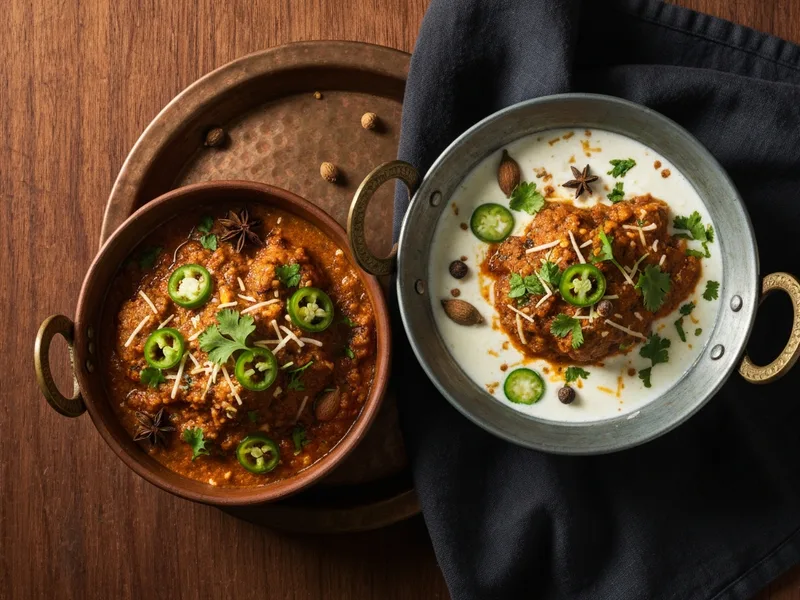
Dahi Baray Chaat
Soft, pillowy urad dal fritters dunked in cold, creamy yoghurt and showered with tangy chutneys and crunchy toppings — this is Pakistan's most-loved street snack. Every layer adds something: cool against spicy, soft against crunchy, sweet against tart. Once you make these at home, the street vendor version will never quite be enough.
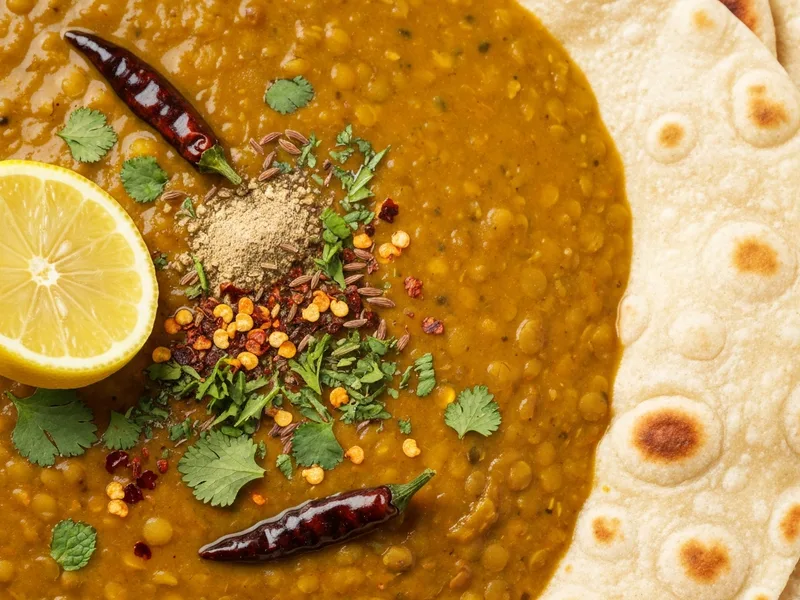
Dal Pakwan
Creamy chana dal poured over shatteringly crisp, sesame-flecked fried bread — Dal Pakwan is the Sindhi community's most beloved breakfast and one of the great unsung classics of Pakistani cuisine. It sounds simple, but the contrast of textures and the bold tadka make it something you'll dream about. Sunday morning will never be the same.
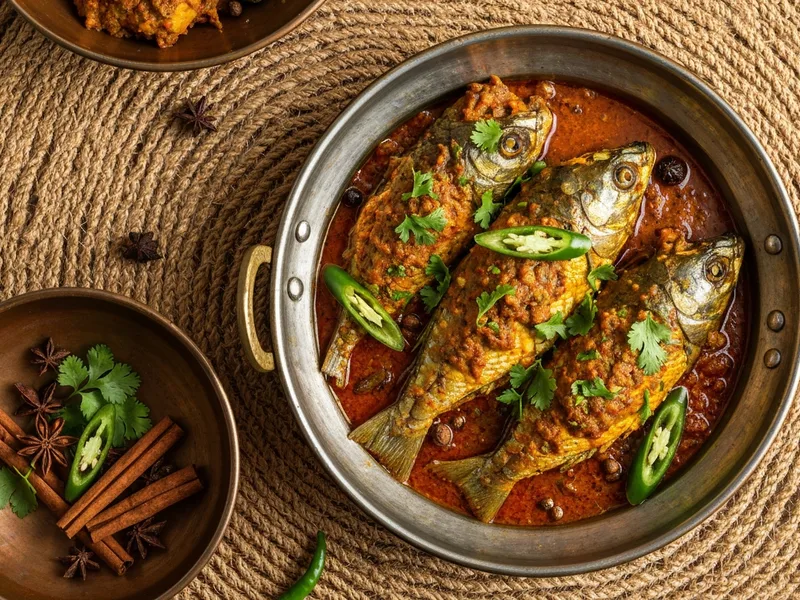
Pallo Machli (Stuffed Sindhi River Fish)
Sindh's sacred migratory river fish — pallo (Tenualosa ilisha, the Pakistani hilsa) — stuffed with green coriander-chilli masala and cooked. Only available fresh in Sindh from February to April. Substitute: surmai (kingfish) or frozen hilsa. NEVER rohu or catla — they are a completely different fish family.
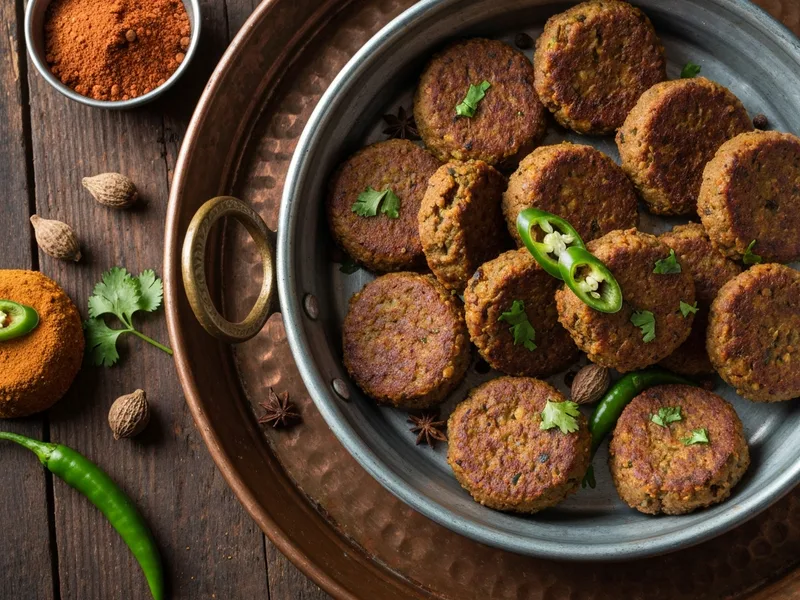
Khaddi Kabab
Balochistan's most spectacular dish — a whole lamb heavily marinated in a yoghurt-spice paste, then slow-roasted in a sealed earthen pit with hot coals. The animal is suspended ABOVE the coals on a spit, the pit is covered, and 4-6 hours of indirect heat bastes the meat. The belly stuffing of rice, dried fruits, and nuts is authentic tradition, not an embellishment.
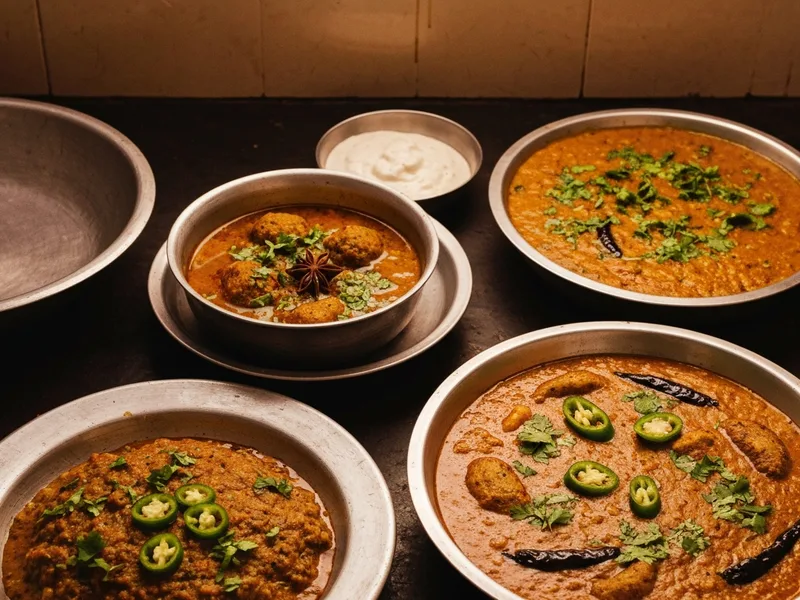
Landhi
Landhi is Balochistan's ingenious preserved meat dish — salted, dried mutton slow-cooked with whole spices in a clear, deeply savory broth. The drying process concentrates the meat's flavour to an intensity no fresh cut can match, and the result is a broth and meat combination that tastes like the essence of winter in the mountains.
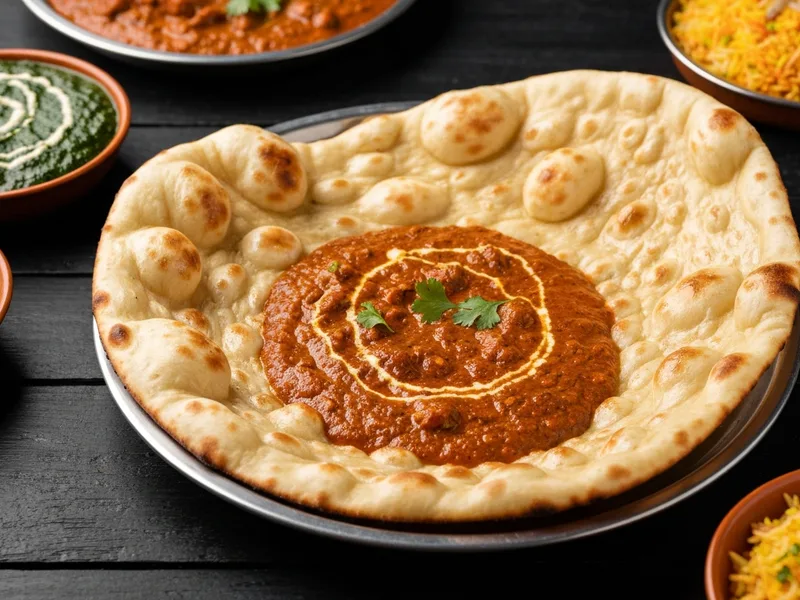
Roghni Naan
Roghni Naan is the Rolls-Royce of Pakistani bread — leavened, egg-enriched, oil-glossed, and studded with sesame and nigella seeds, baked until golden and billowy. It is the bread that makes any meal feel like a celebration, and once you've baked your own, the bakery version will never quite measure up.
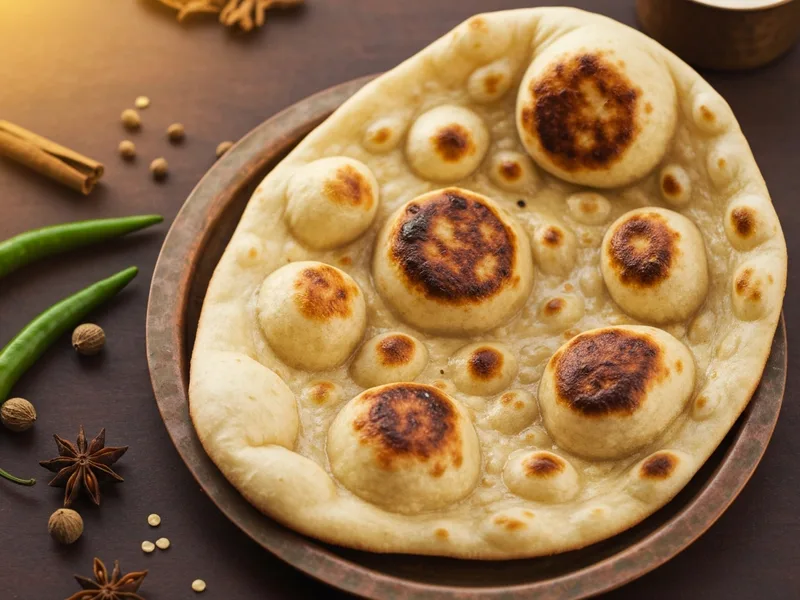
Garlic Naan
Garlic Naan takes everything great about a classic leavened naan and then — at the very last second — hits it with raw garlic butter and fresh coriander that cook against the bread's scorching heat. It is aggressively good, impossible to stop eating, and ready in under 10 minutes of baking.
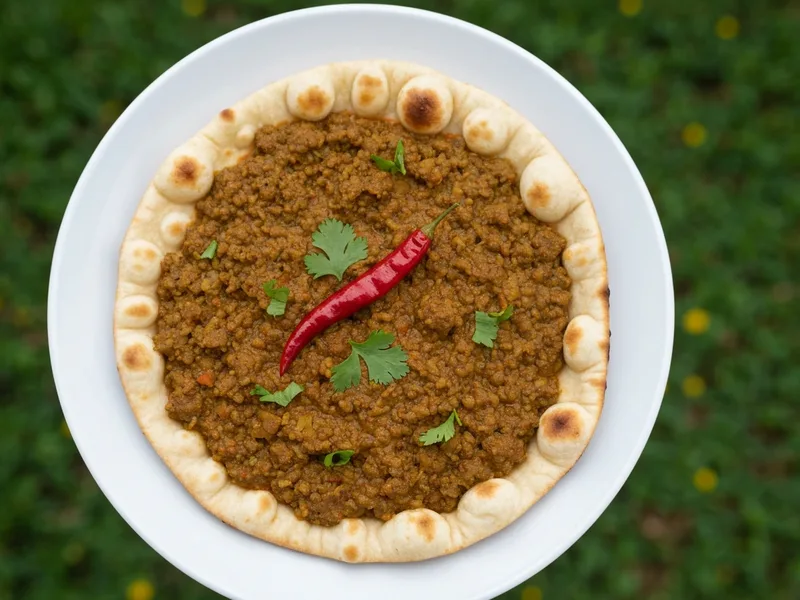
Keema Naan
Keema Naan is the ultimate Pakistani stuffed bread — spiced minced meat cooked dry and packed inside leavened naan dough, sealed, and baked until the crust is golden and the filling is fragrant and juicy. Served with cold yoghurt and mint chutney, it is a complete meal that happens to look like bread.
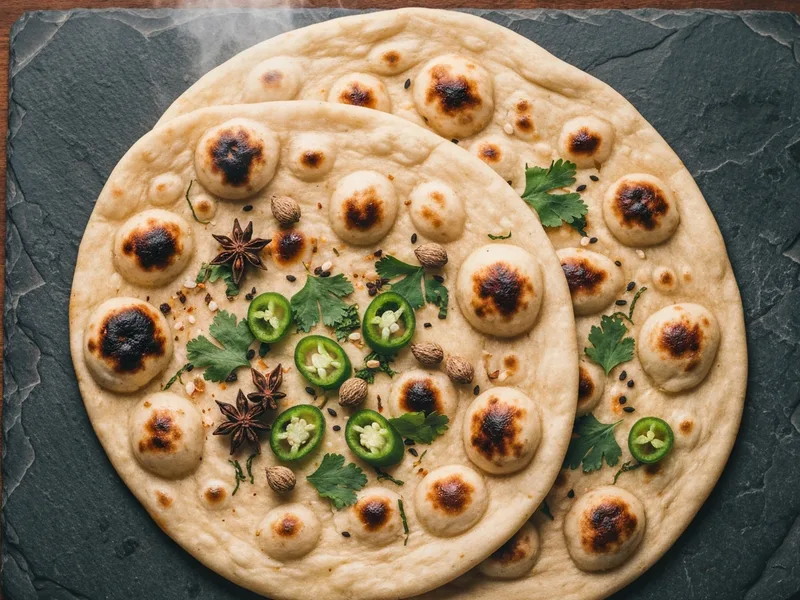
Kashmiri Naan
Kashmiri Naan is a sweet, fragrant stuffed bread filled with khoya, dried fruits, and cardamom — the kind of bread that makes you question why you ever ate plain naan. It is brushed with butter and rose water straight from the oven and is equally at home beside morning chai or as a dessert bread after a big meal.
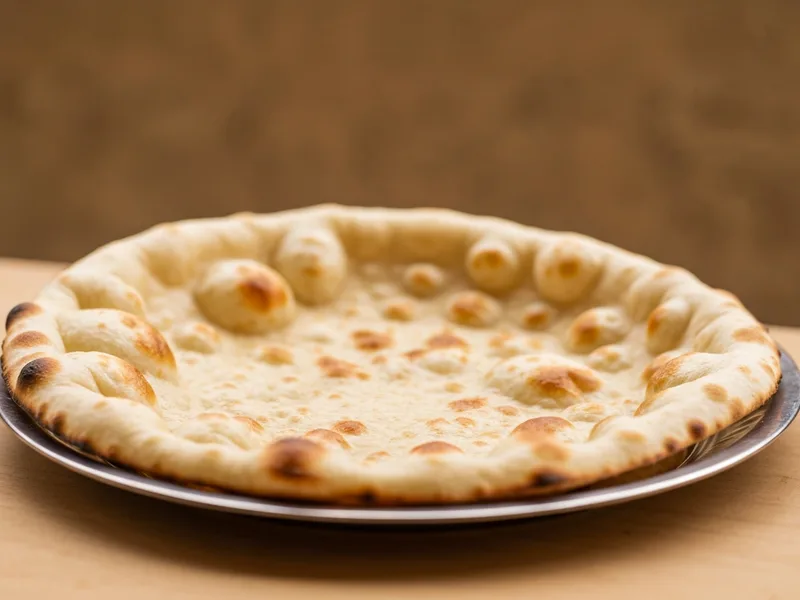
Peshawari Naan
Peshawari Naan is a thick, cloud-like flatbread from the ancient city of Peshawar — so large and puffy it barely fits on a standard plate. The dough is more hydrated than regular naan, giving it a pillowy interior with a slightly crisp exterior, and it is finished with nothing but a generous slick of butter.
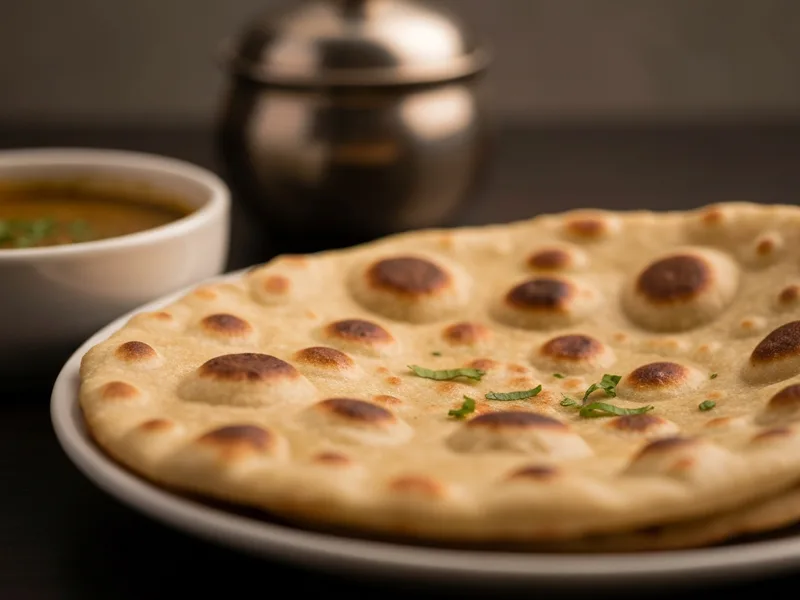
Kulcha
Kulcha is Lahore's beloved leavened flatbread — softer than naan, richer in fat, and baked on the floor of the tandoor where it develops a flat base and an irresistibly puffy top. Whether you eat it plain with just a slick of butter or stuffed with spiced potato or paneer, it is the kind of bread that ruins all other bread for you.
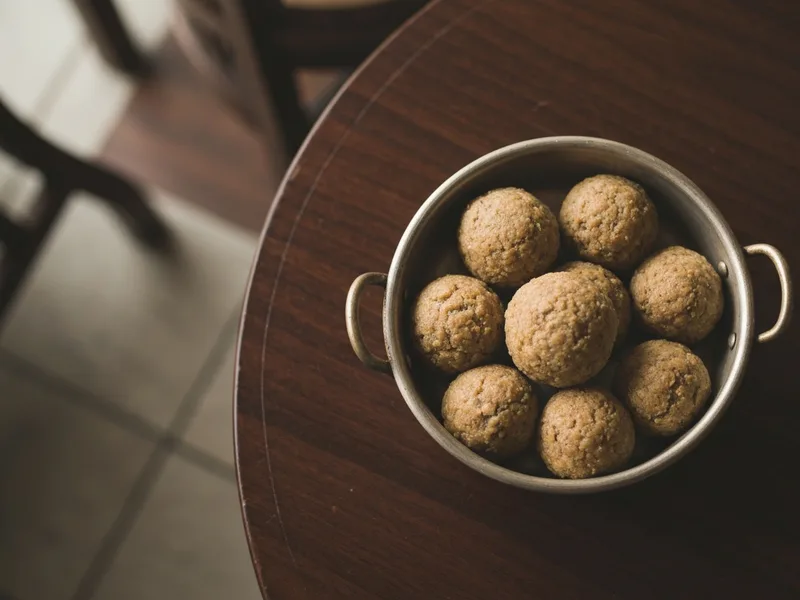
Sheermal
Sheermal is a royal saffron flatbread from Mughal kitchens — slightly sweet, impossibly fragrant, and golden enough to look like it was baked by the sun itself. The dough is enriched with milk, ghee, and saffron, then pricked all over before baking so it stays flat and tender rather than puffing up.
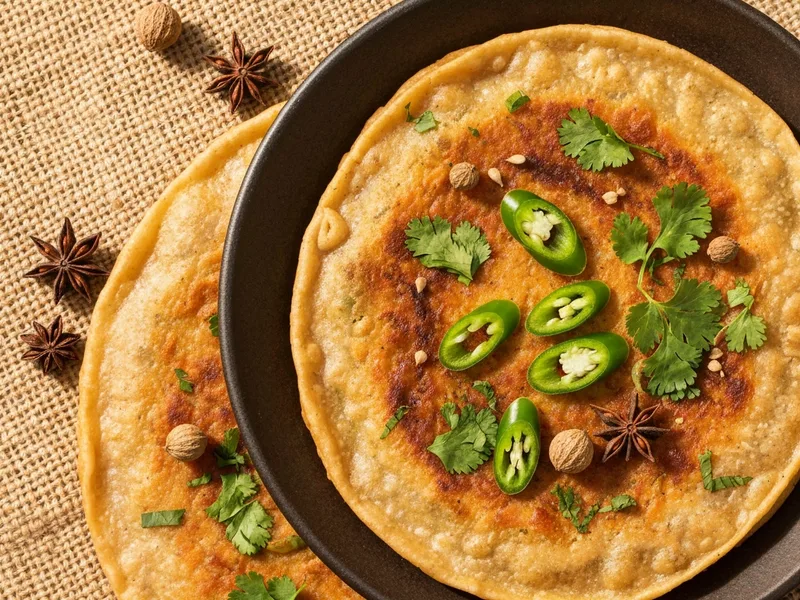
Bakarkhani
Bakarkhani is Lahore's layered, laminated breakfast bread — crisp on the outside, tender in the centre, with visible flaky layers that shatter satisfyingly when you break it. It is the Pakistani answer to a croissant, except it has been around longer than France, costs almost nothing, and tastes even better dunked in tea.
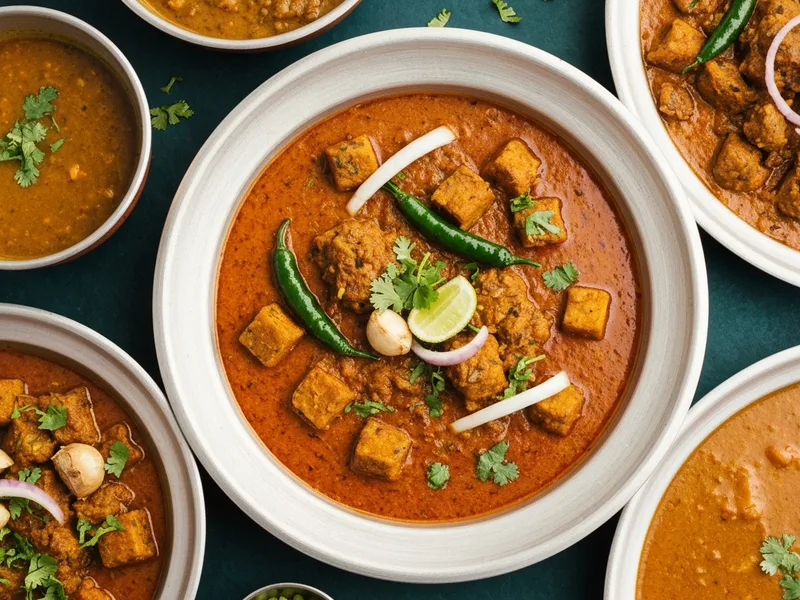
Taftan
Taftan is a delicate, Persian-heritage bread from Karachi's Iranian community — soft, slightly sweet, saffron-golden, and scattered with poppy seeds. It is more refined than a naan and more flavourful than a plain roti, sitting somewhere between bread and festive pastry.
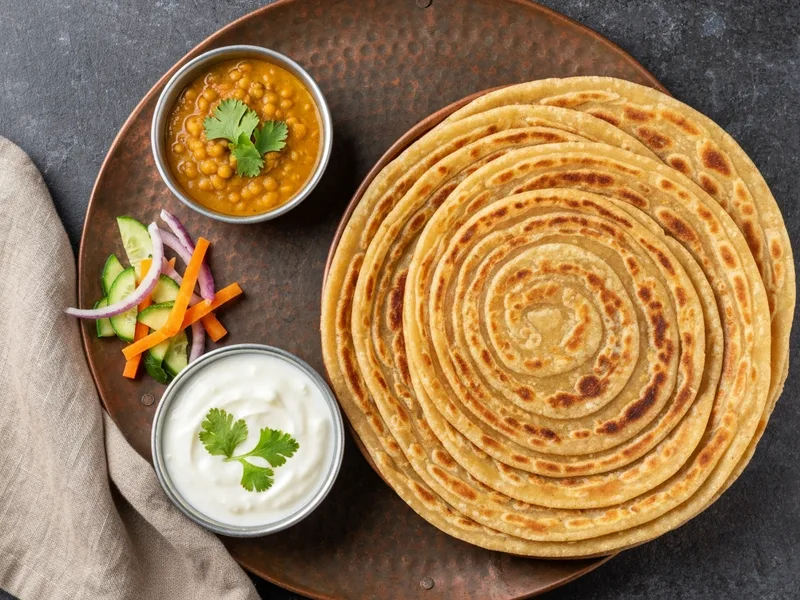
Lachha Paratha
Lachha Paratha is the showstopper of Pakistani flatbreads — a multi-layered, flaky paratha made by the coil method that creates dozens of crisp, butter-kissed layers visible when you hold it up to the light. When you pull it apart, it falls into beautiful golden ribbons. It is the kind of bread that makes people ask who made this and then look at you differently.
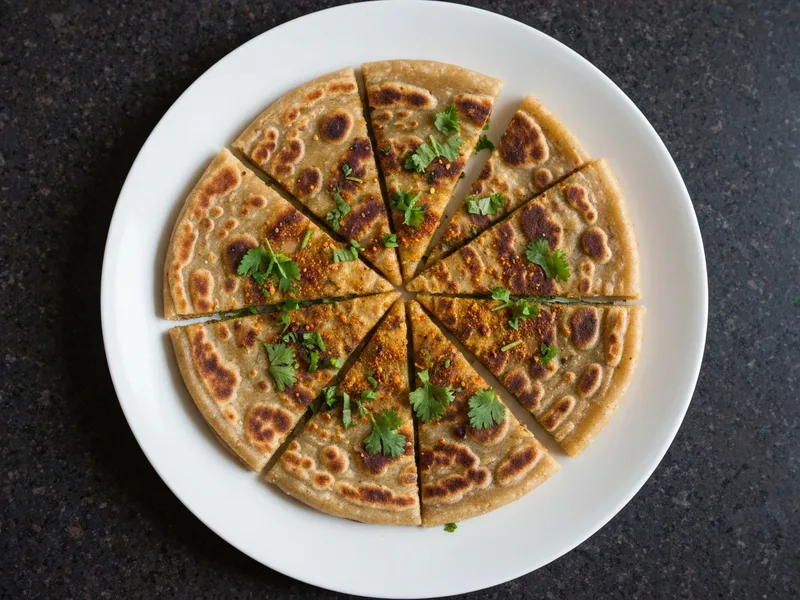
Mooli Paratha
Mooli Paratha is a Punjabi breakfast classic — a flaky whole-wheat flatbread stuffed with spiced grated daikon radish that packs a punchy, slightly peppery flavour. It is polarising in the best possible way: once you love it, you crave it on cold winter mornings with a cold glass of lassi. The secret is squeezing every last drop of water out of the radish, or your paratha will tear like a drama at dhabas.
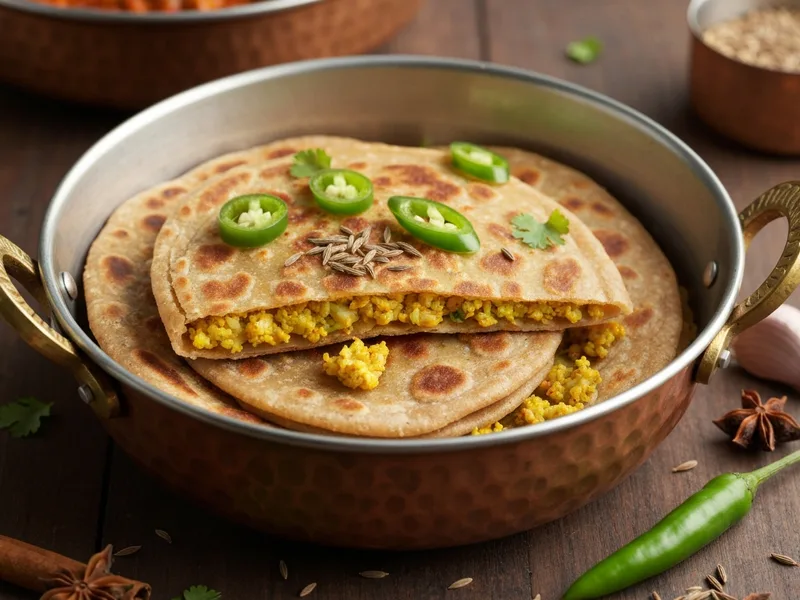
Gobi Paratha
Gobi Paratha is a golden, ghee-kissed Punjabi breakfast flatbread stuffed with spiced grated cauliflower — fragrant with ajwain, sharp with green chilli, and warming with ginger. It is the kind of breakfast that makes you feel properly fed before a long day. The trick, which every Punjabi aunt will tell you sternly, is squeezing the cauliflower bone-dry before it goes anywhere near the dough.
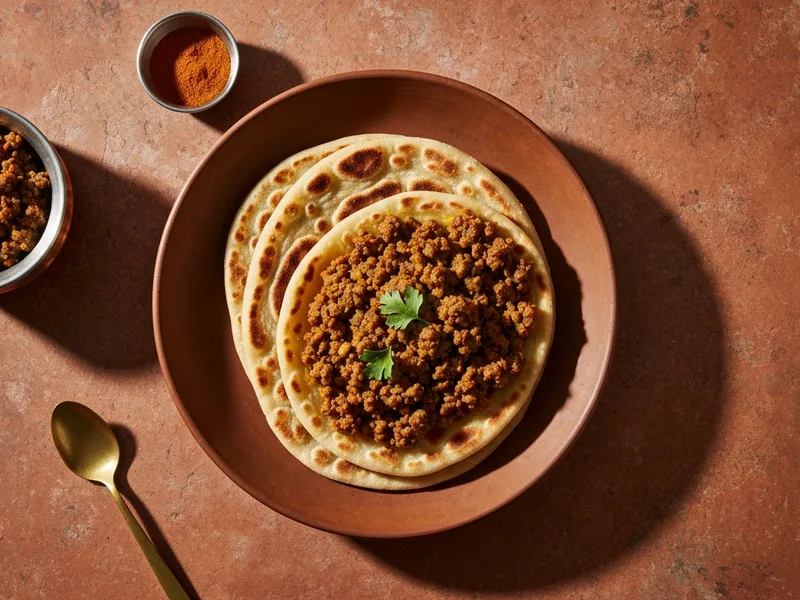
Keema Paratha
Keema Paratha is a Punjabi breakfast powerhouse — a whole-wheat flatbread stuffed with fragrant dry-cooked spiced minced beef, sealed shut, and cooked golden on a ghee-slicked tawa. It is substantial enough to carry you through a long morning and flavourful enough to ruin all other breakfasts for you permanently. The key word is DRY — your keema filling must have zero gravy or the paratha tears apart at the seams.
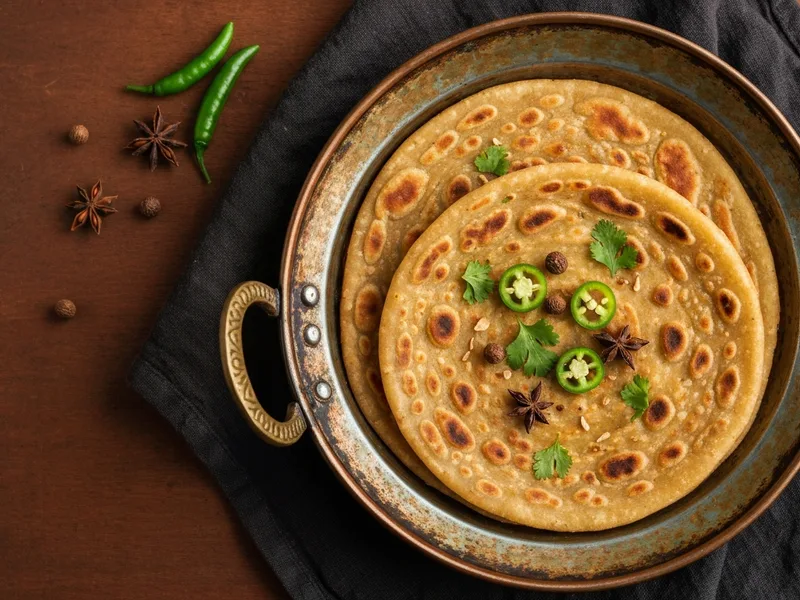
Anday Wala Paratha
Anday Wala Paratha — egg-stuffed paratha — is Lahore's most iconic street breakfast: a plain paratha that is half-cooked, slit open at one end, filled with beaten spiced egg, sealed, and cooked until the egg sets inside the bread itself. The egg becomes part of the paratha structure, creating layers of soft eggy bread within a golden, ghee-crisp shell. It is the kind of breakfast that you eat standing at a dhaba at 7 AM while holding a cup of chai and feeling completely at peace.
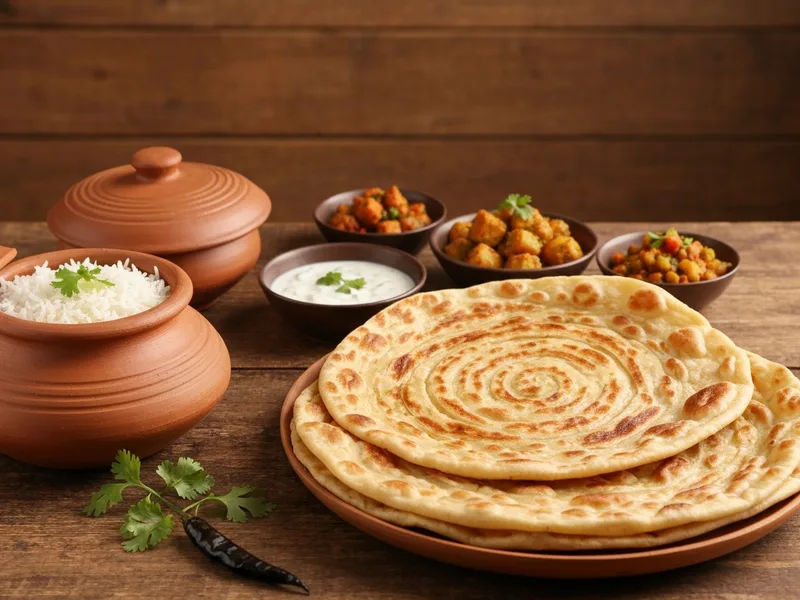
Tandoori Roti
Tandoori Roti is a thick, slightly smoky whole-wheat flatbread traditionally baked by slapping it onto the scorching inner wall of a clay tandoor oven — where it puffs, blisters, and develops charred spots in a matter of minutes. It is chewier and more substantial than chapati, with an unmistakable smoky char from the intense heat. A home oven method using a cast-iron pan on maximum grill heat gives you a genuinely good approximation.
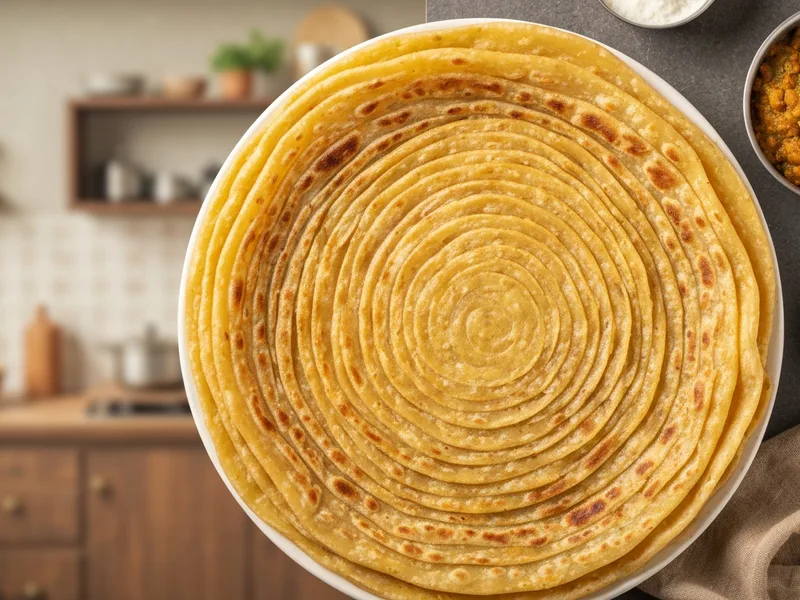
Khameeri Roti
Khameeri Roti is the leavened cousin of the everyday chapati — yeast-risen, slightly tangy, and wonderfully soft with a chewy pull that plain roti just can't match. It's the bread that Lahori roti shops start preparing before sunrise. Once you taste a fresh khameeri roti slathered with makhan, you'll understand the queue outside those shops.
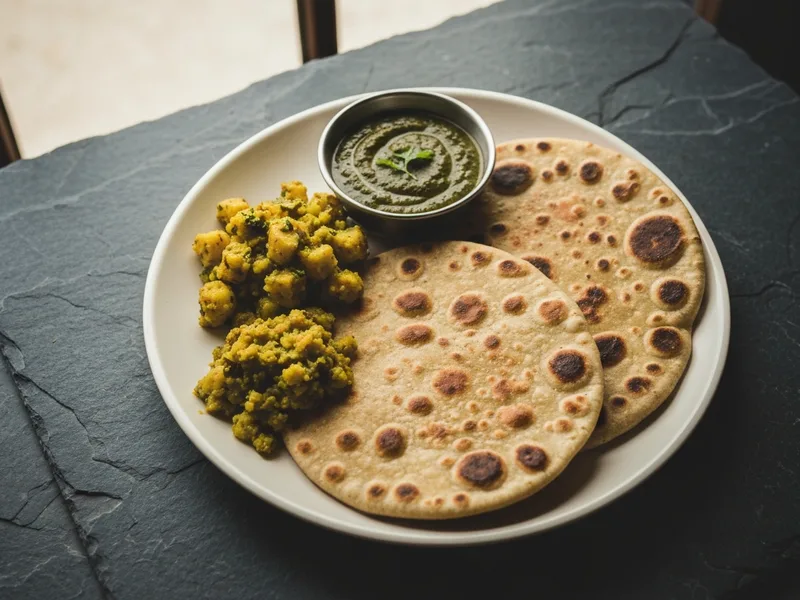
Makki Ki Roti
Makki Ki Roti is Punjab's golden corn flatbread — thick, slightly grainy, and impossibly satisfying when eaten hot off the tawa with a mountain of sarson ka saag and a pat of white butter. It is not rolled with a belan; it is shaped with love, patience, and wet hands. Getting your first one right is a rite of passage in every Punjabi kitchen.
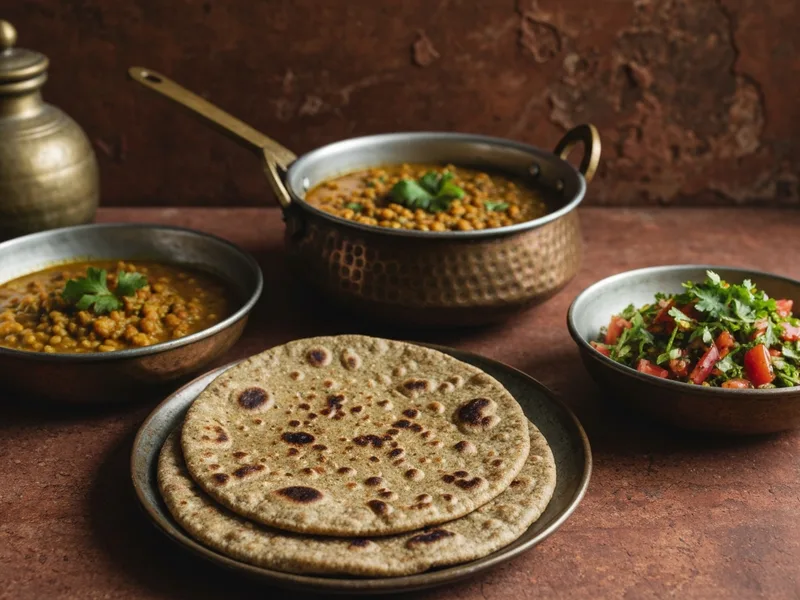
Bajra Roti
Bajra Roti is pearl millet flatbread — dense, dark, and deliciously earthy, with a deep nutty flavour that wheat roti simply cannot compete with. It's the bread of Sindh's farmers and herdsmen, built for cold winters and hard work. Modern nutritionists have caught up with what rural communities knew all along: bajra is remarkably good for you.
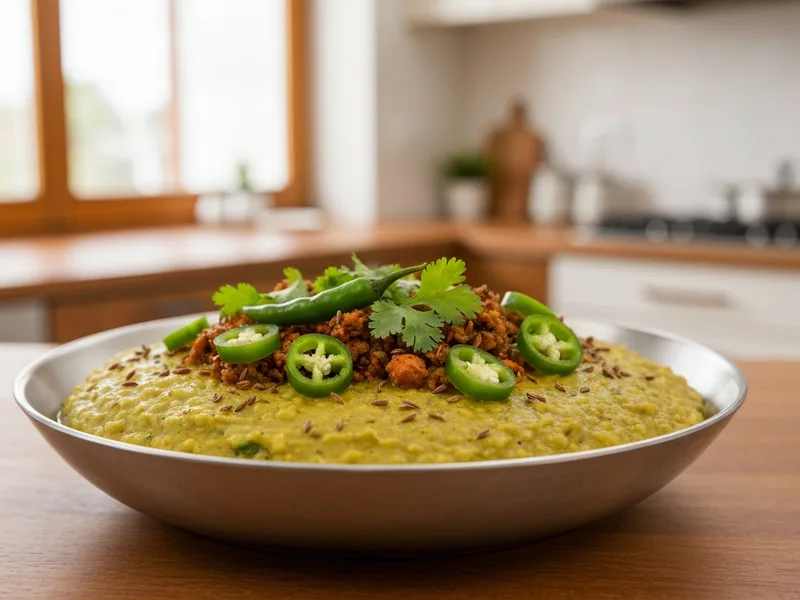
Beef Nihari Karachi Style
Karachi-style beef nihari slow-cooked with aromatic spices and finished with fresh garnishes. This iconic breakfast dish is a Karachi staple, rich with marrow and bold flavour. The ultimate Sunday morning flex.
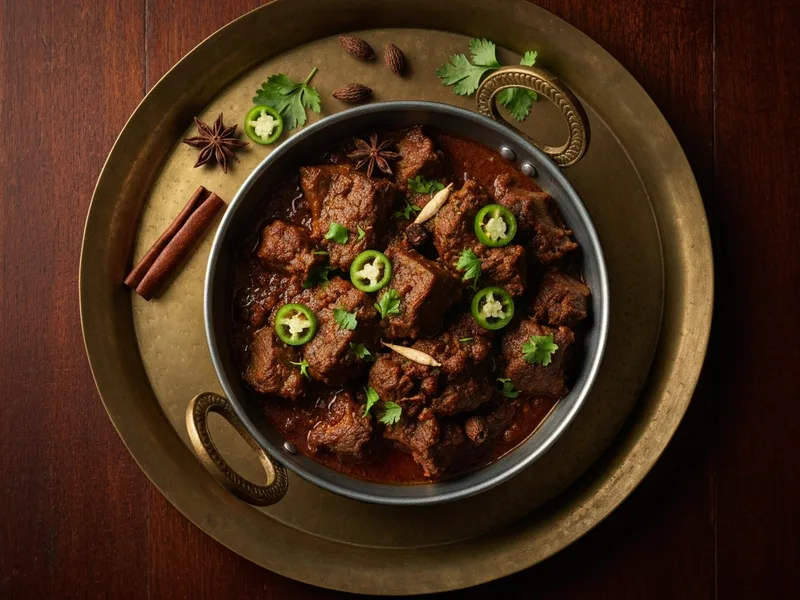
Mutton Nihari Slow Cooked
Lahori-style slow-cooked mutton nihari with a deeply spiced, velvety gravy — the kind that makes your whole house smell like a wedding. Rich, tender, and absolutely worth the wait.
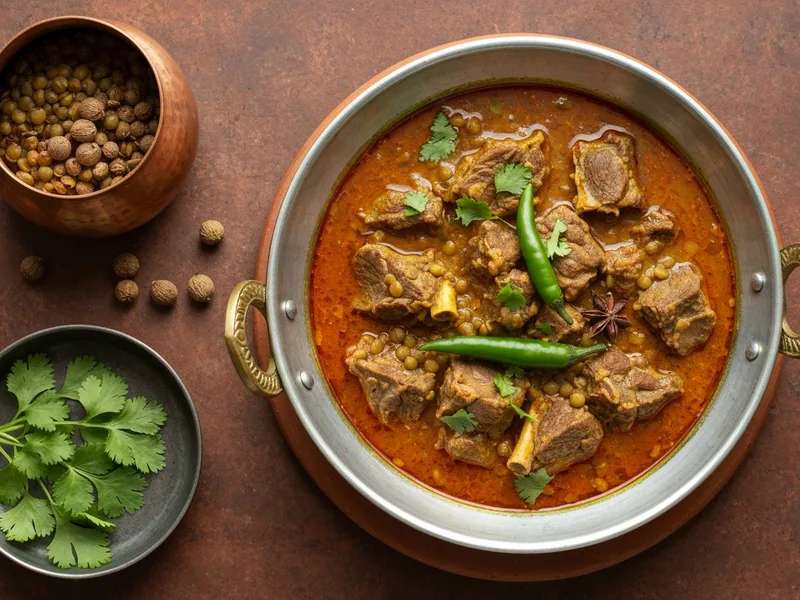
KP Style Nihari
Khyber Pakhtunkhwa's take on nihari — bolder with whole spices, less flour-thickened, and more about the pure flavour of good meat. Simple, confident, and deeply satisfying.
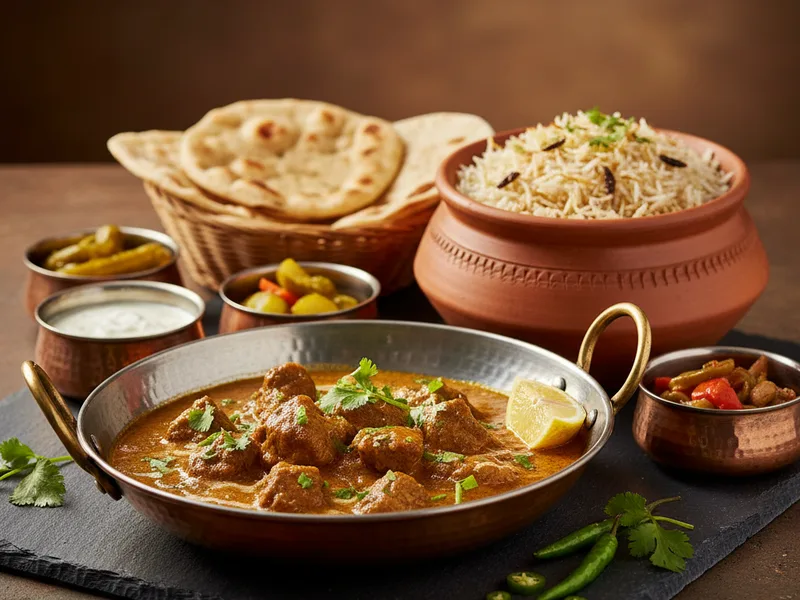
Beef Korma Dawat
South Punjab's grand dawat (banquet) beef korma — deeply spiced, richly finished with nut paste, and bearing the generous character of Multani hospitality. This is the curry you make when you want to impress.
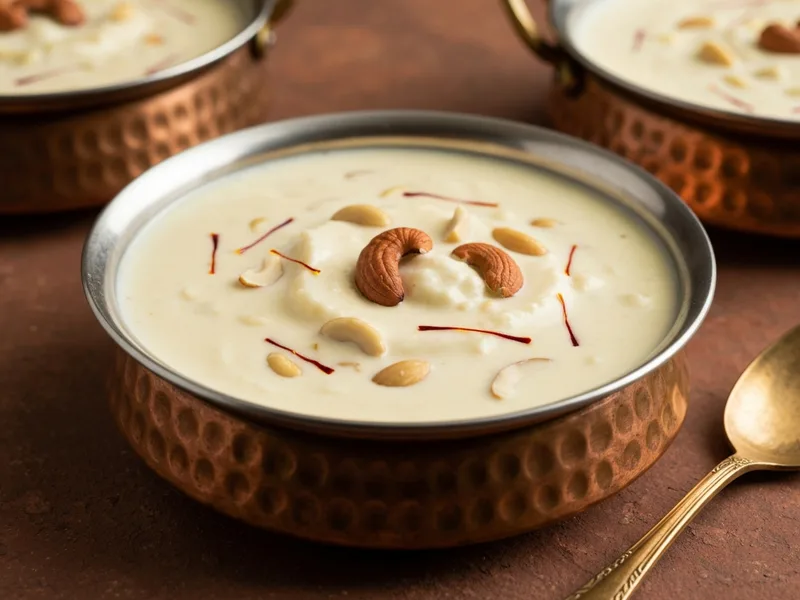
Safed Korma Mughal
The regal white korma of the Mughal tradition — pale, aromatic, and finished with cream, cashew paste, and white pepper. No red chilli, no turmeric. Just elegance in a pot.
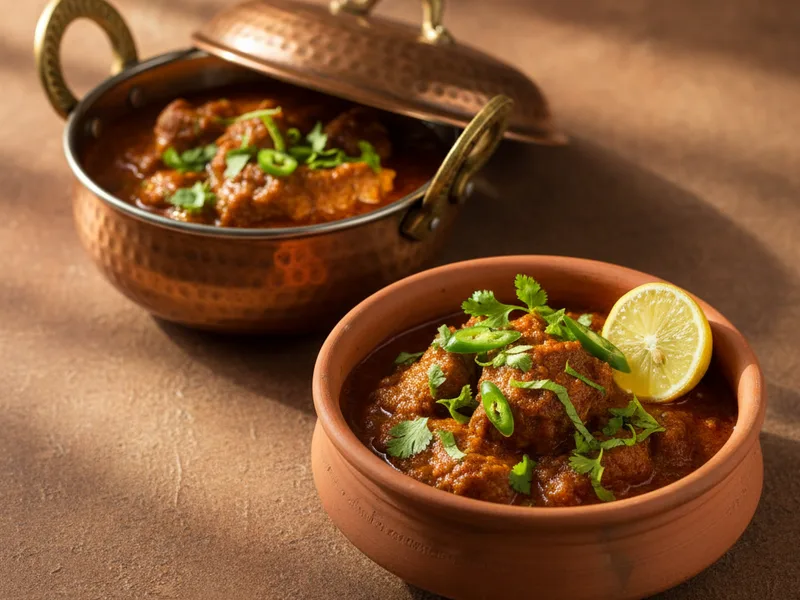
Sindhi Mutton Korma
Sindh's version of mutton korma — darker, spicier, and with a distinctive tang from extra onions and tomatoes. A bold, confident korma that doesn't apologise for having opinions.
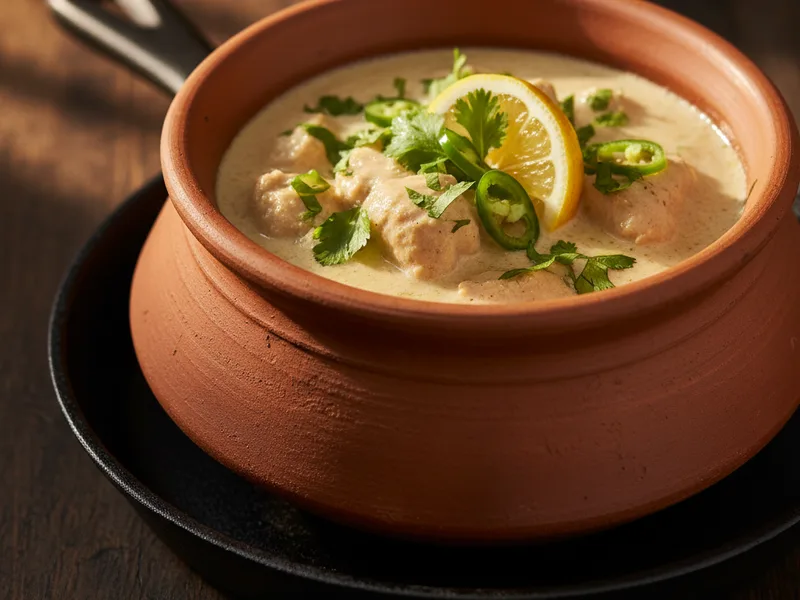
Creamy White Chicken Handi
Punjab's beloved restaurant-style white chicken handi — tender chicken in a creamy, mildly spiced gravy that's become one of Pakistan's most ordered dishes. Silky, indulgent, and surprisingly achievable at home.
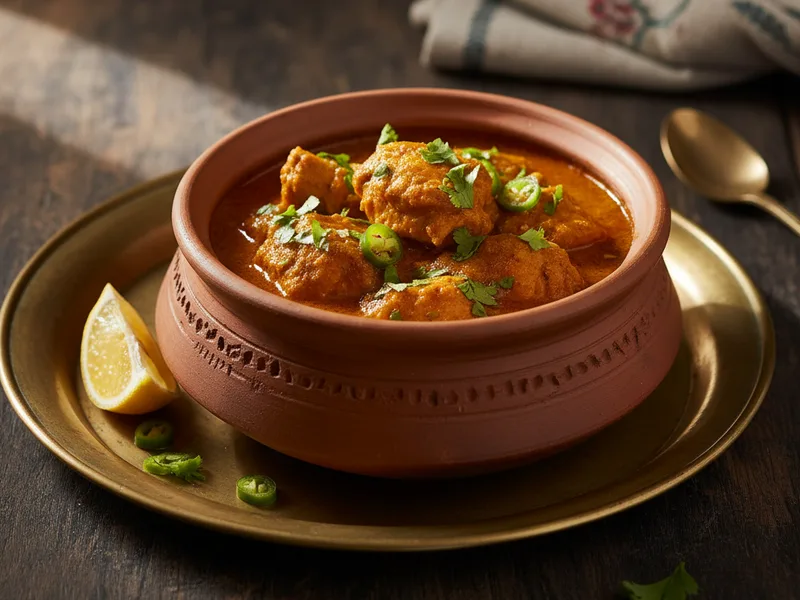
Karachi Chicken Handi
Karachi's bold, tomato-forward chicken handi — red-orange in colour, spicier than the Punjab white version, and finished with fresh herbs and green chillies. Urban street food confidence in a clay pot.
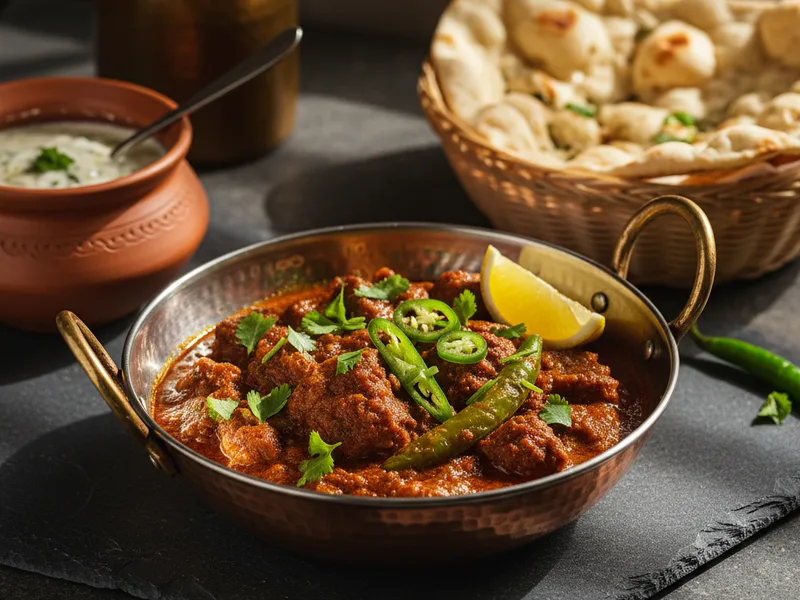
Sindhi Achar Gosht
Sindh's version of achar gosht with more tomatoes, extra heat, and that characteristic Sindhi boldness in every bite. The tangy pickle spices meet Sindhi assertiveness — a combination worth knowing.
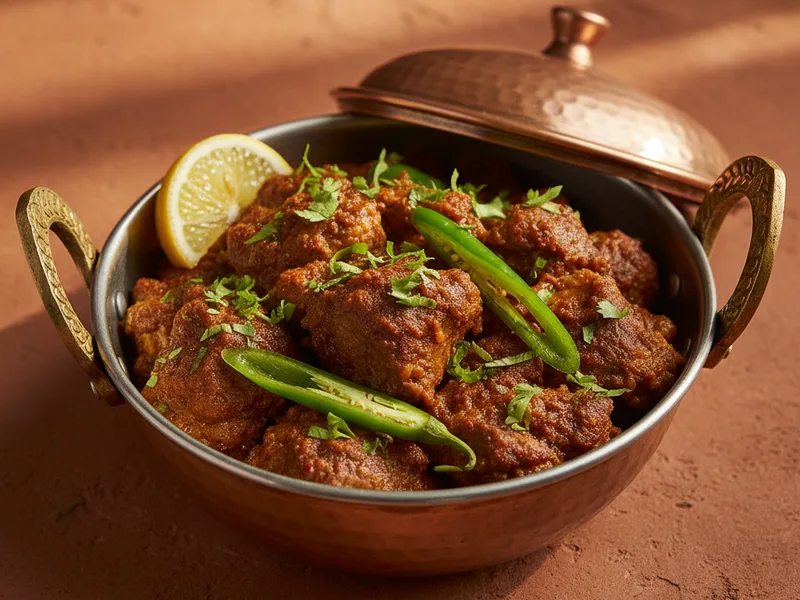
Dum Achar Gosht
Achar gosht cooked dum-style — sealed with dough and slow-cooked so the pickle spices fully permeate the meat. The sealed pot creates a flavour depth that open-pot cooking simply cannot match.
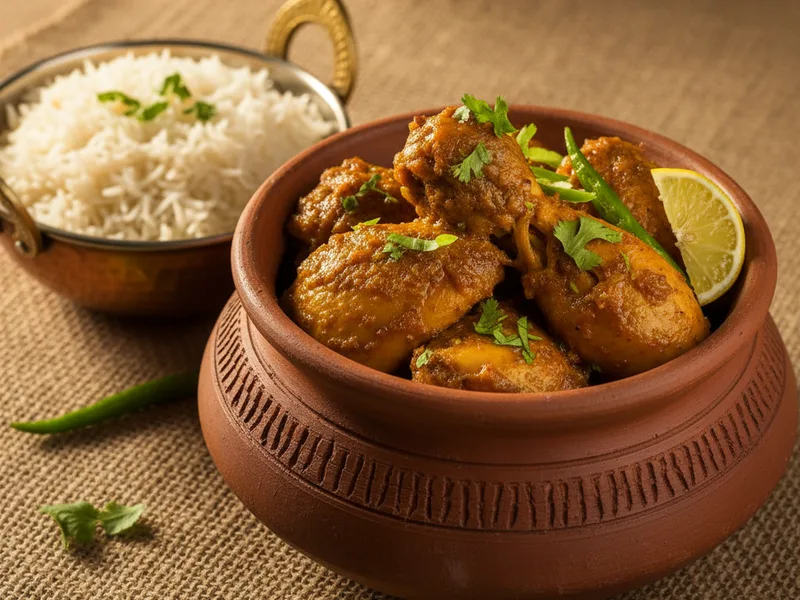
Slow Dum Chicken
Punjab's take on dum cooking applied to chicken — yogurt-marinated chicken sealed and slow-cooked so every piece is impossibly tender and infused with spiced aromatics. Restaurant quality at home.
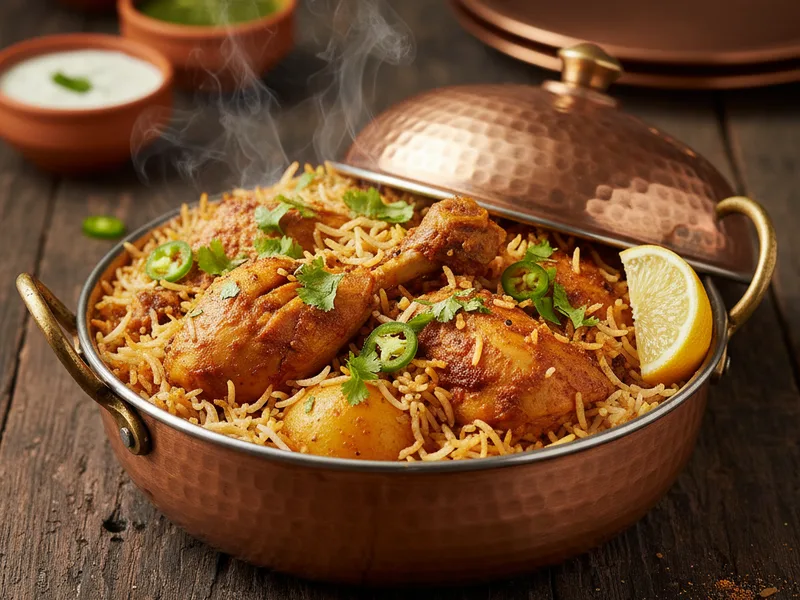
Lahori Chicken Biryani
Lahori Chicken Biryani is a bold, spice-forward rice dish from the heart of Punjab, layered with tender murgh and fragrant basmati. Unlike its Karachi cousins, the Lahori version leans heavy on whole garam masala and a generous hand with the lal mirch. This is weekend cooking at its finest.
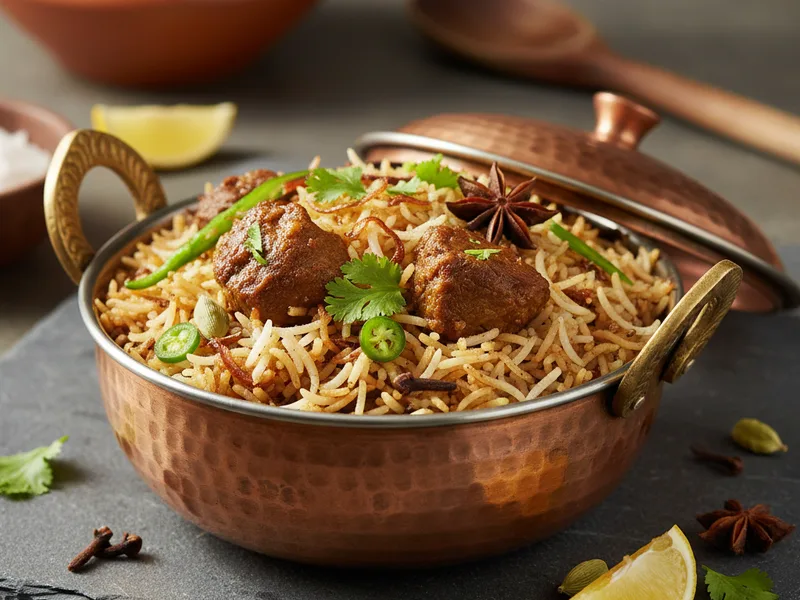
Karachi Beef Biryani
Karachi Beef Biryani is the city's unofficial love language — spicy, hearty, and unapologetically bold. Slow-cooked beef mingles with fragrant sela rice in a masala that's been building flavour for hours. This is the biryani that fuels a city of 20 million.
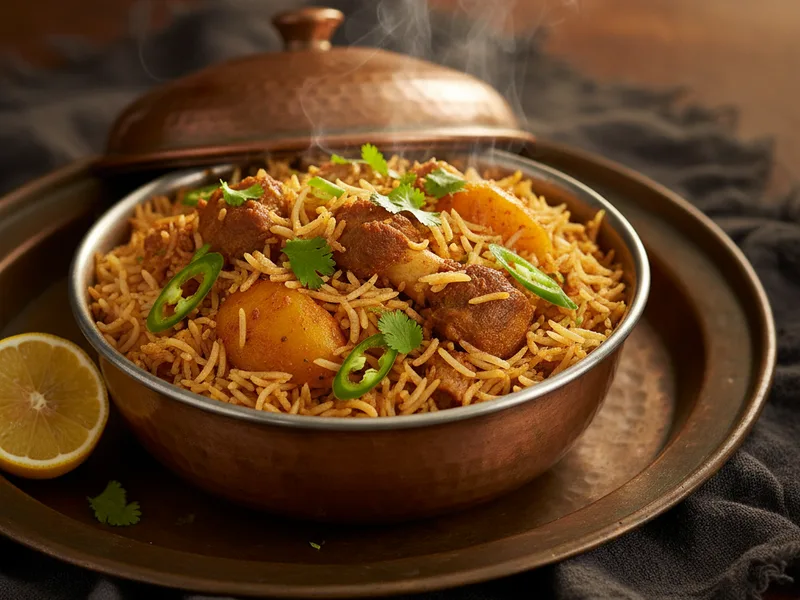
Peshawari Biryani
Peshawari Biryani is the KP take on Pakistan's favourite rice dish — aromatic, less spicy than its southern cousins, and heavy on the meat. Influenced by Afghani cooking traditions, this biryani relies on quality ingredients and restraint rather than complexity.
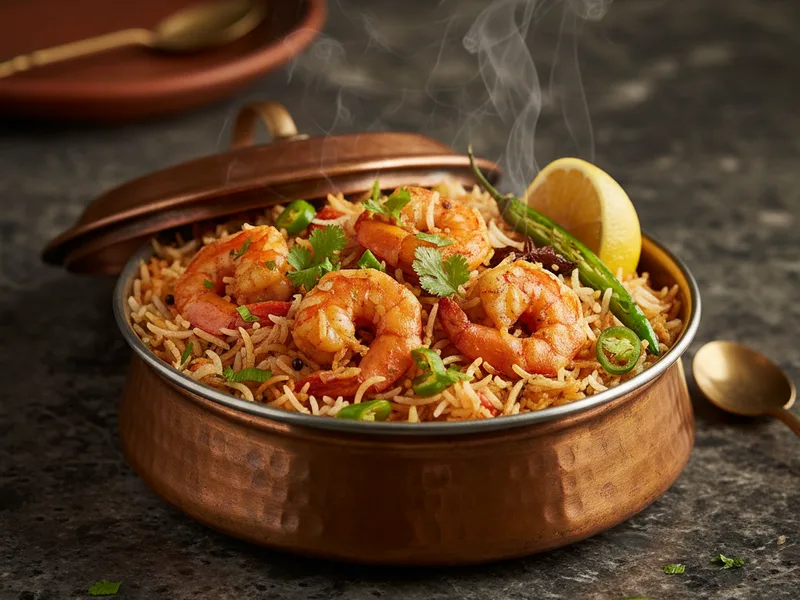
Karachi Prawn Biryani
Karachi Prawn Biryani brings together the Arabian Sea's freshest jheenga (prawns) with the city's signature bold masala and fragrant basmati. Faster to make than meat biryani but every bit as impressive, this coastal classic is a seafood lover's dream layered in a pot.
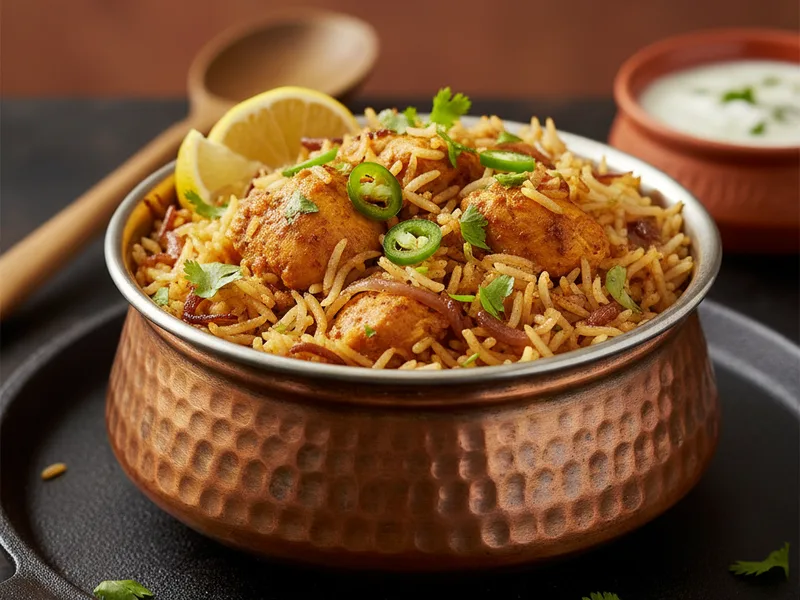
Multani Biryani
Multani Biryani is the grand showpiece of South Punjab's kitchen — slow-cooked mutton layered with saffron-kissed rice, dried fruits, and the unique Multani spice palette that sets it apart from every other biryani in Pakistan.
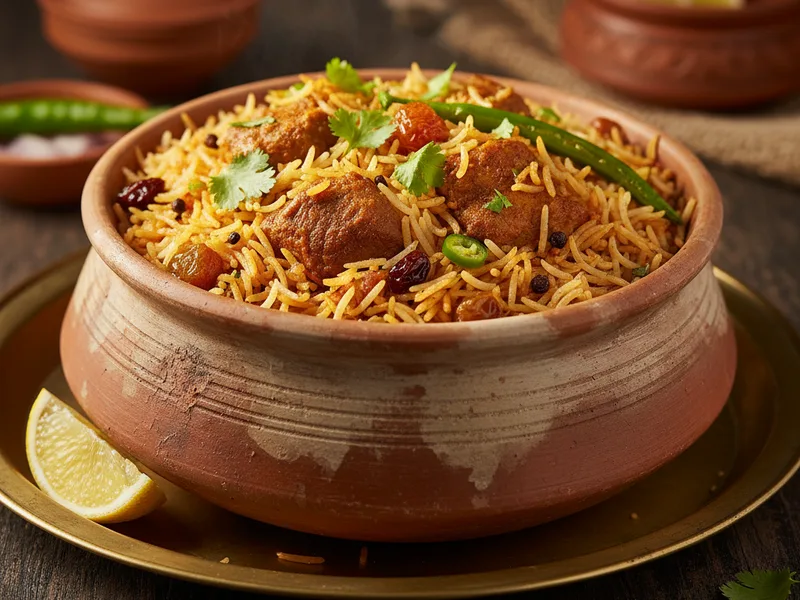
Balochi Biryani
Balochi Biryani is Pakistan's most underrated rice dish — a rugged, smoky, meat-forward biryani from the vast plateau of Balochistan that relies on the quality of its gosht and the simplicity of its spicing to create something deeply satisfying.
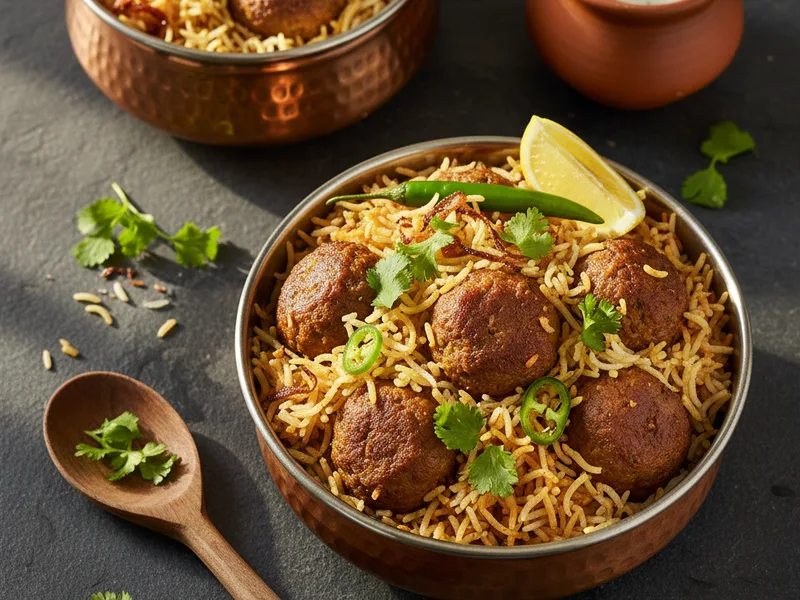
Kofta Biryani
Kofta Biryani layers fragrant basmati with spiced mince meatballs cooked in a rich tomato-based masala. The koftas stay whole through the dum, creating pockets of intensely flavoured meat in every serving — a biryani variation that will change how you think about mince.
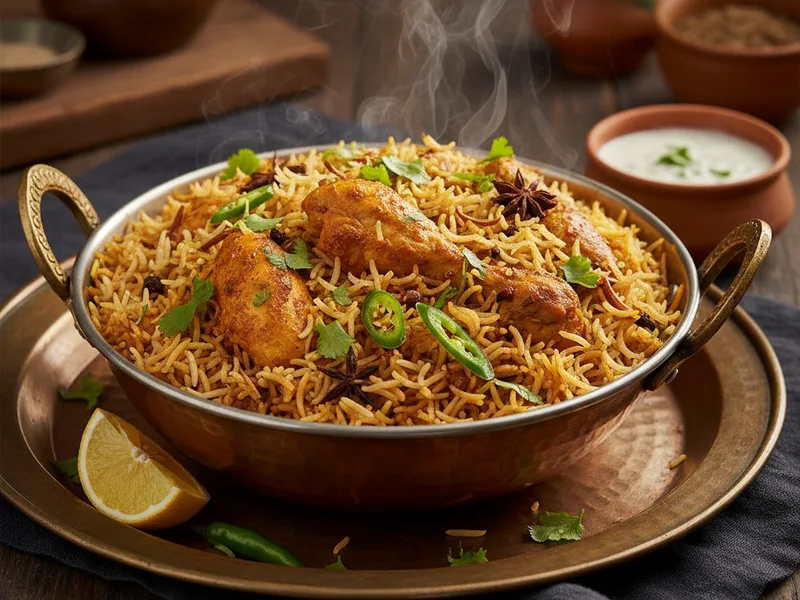
Biryani with Yogurt Marination
This Sindhi-style Biryani with Yogurt Marination showcases how a proper dahi marinade transforms chicken into something remarkably tender and flavourful. The yogurt not only tenderises but carries spices deep into the meat, creating a biryani that's complex from the very first layer.
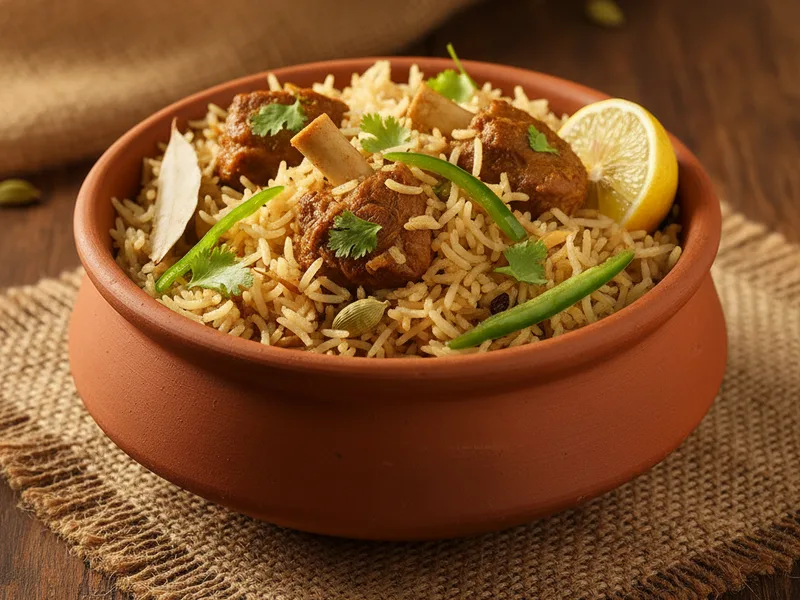
Lahori Mutton Pulao
Lahori Mutton Pulao is the city's answer to a one-pot celebration meal — tender mutton cooked until the stock is deeply fragrant, then basmati rice finished in that stock until every grain tells the story of the gosht below.
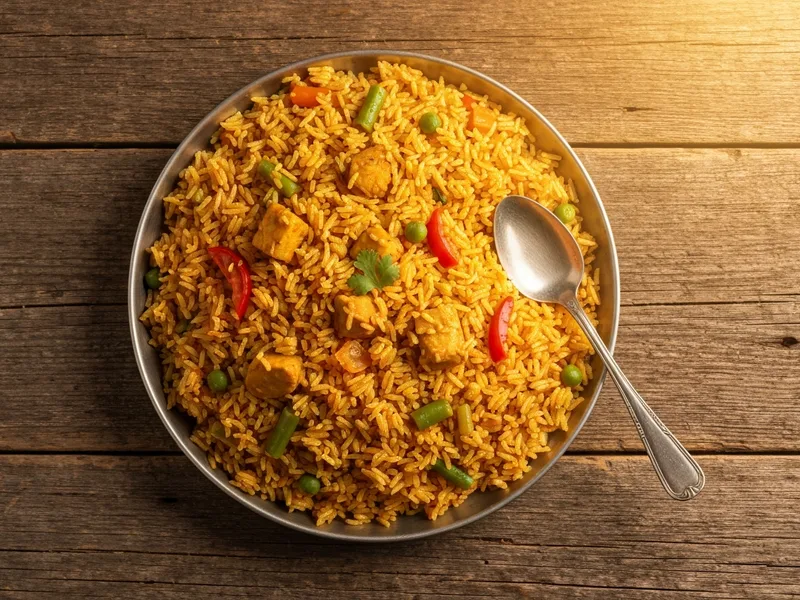
Sindhi Pulao
Sindhi Pulao is a rich, distinctive rice dish that sets itself apart with a masala base of fried onions, whole spices, and a generous hand with the ghee. More flavourful than most one-pot rice dishes, this is Sindhi cooking at its confident, satisfying best.
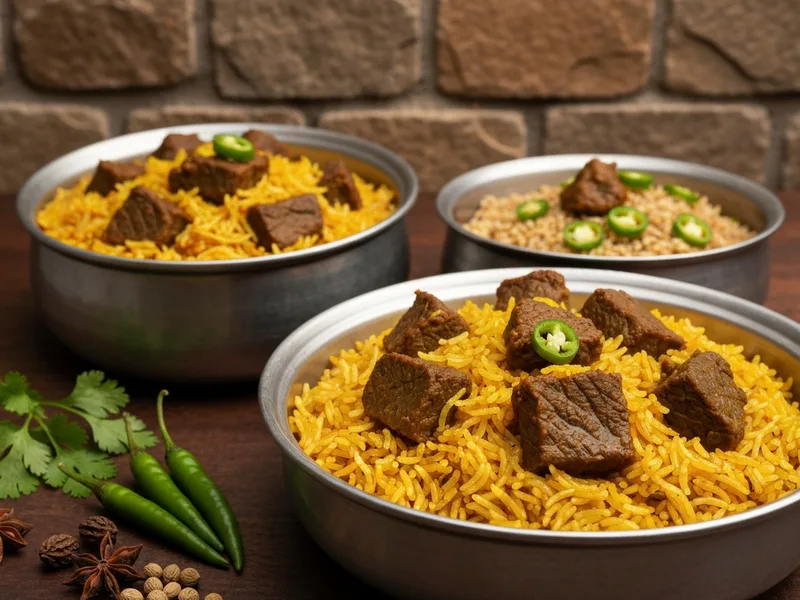
Balochi Beef Pulao
Balochi Beef Pulao is a hardy, deeply satisfying rice dish from Pakistan's largest province — slow-cooked beef in an aromatic stock that gives the rice a depth of flavour as vast and rugged as the Balochi landscape itself.
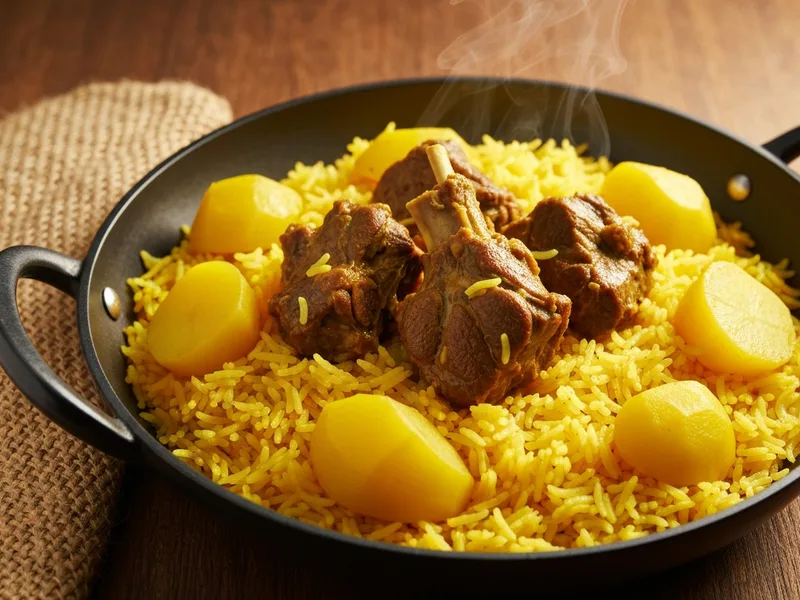
Aloo Gosht Pulao
Aloo Gosht Pulao combines Pakistan's most beloved curry — aloo gosht — with fragrant basmati in one pot. The potatoes absorb the spiced gosht stock, creating pockets of soft, flavourful aloo throughout the rice that make every bite a small discovery.
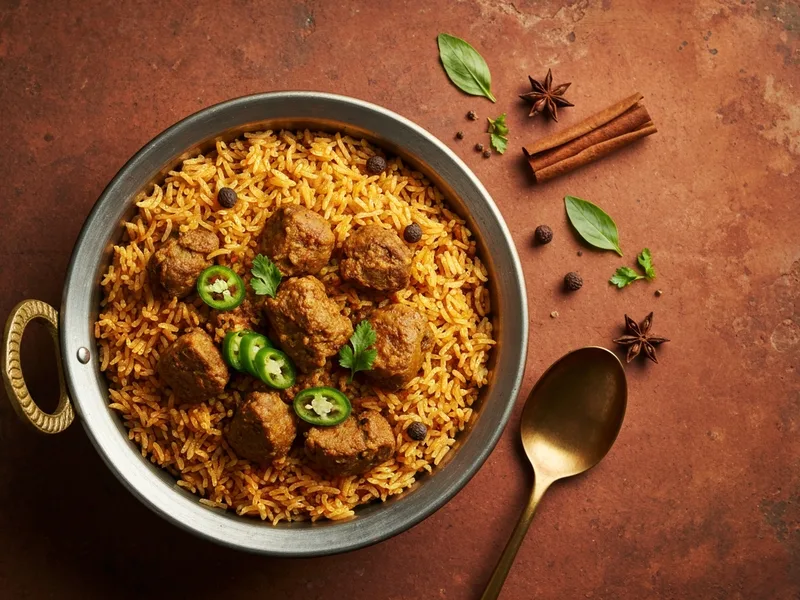
KP Rice with Gosht (Chawal Gosht)
KP Chawal Gosht is the provincial home-cooking classic — mutton cooked in aromatic yakhni that then becomes the cooking medium for fragrant basmati rice. Simple in approach, extraordinary in flavour, and deeply representative of how KP cooks think about food.
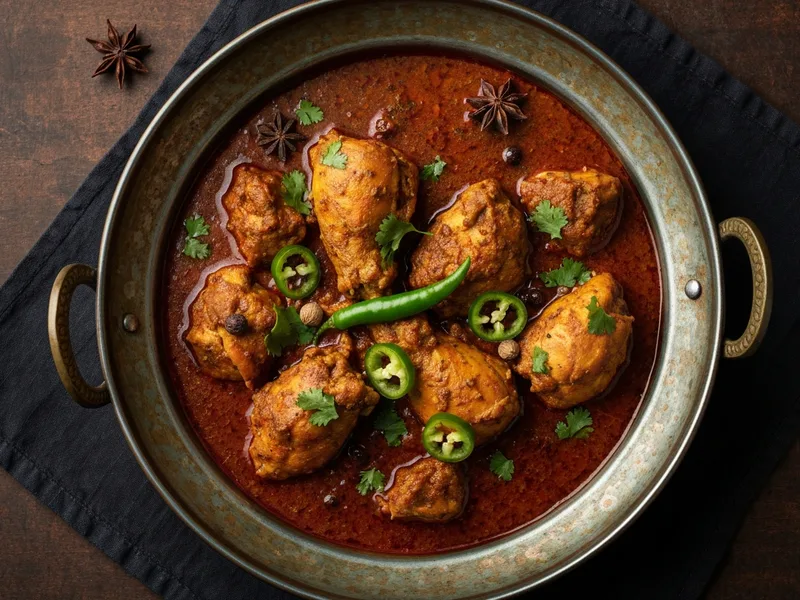
Karachi Chicken Karahi
Karachi-style Chicken Karahi is bold, tomato-forward, and cooked on high flame for that signature smoky dhaba (roadside eatery) flavour. This is the karahi that built Karachi's street food reputation — fast, fiery, and absolutely unforgettable.
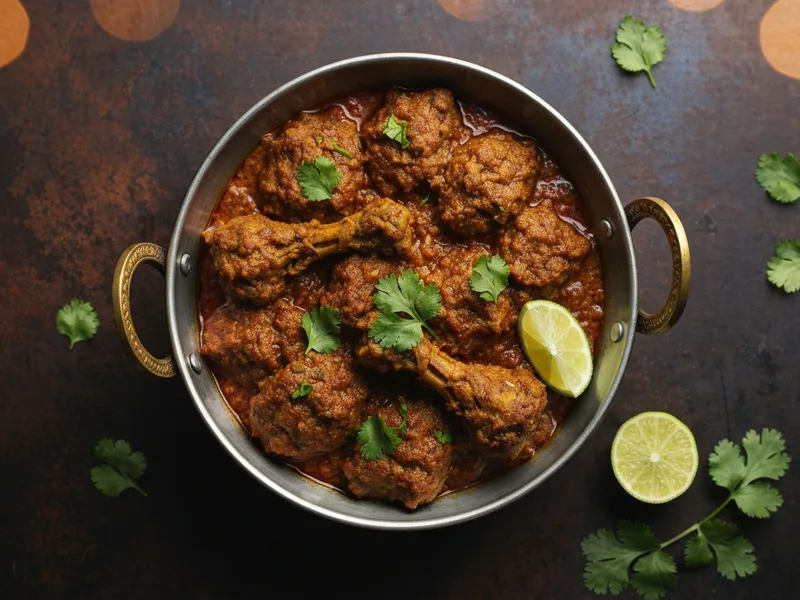
Sindhi Chicken Karahi
Sindhi Chicken Karahi brings the distinct flavours of interior Sindh — bold spicing, generous use of whole spices, and a rustic cooking style that turns simple ingredients into something deeply satisfying. This is home-cooked karahi with a Sindhi soul.
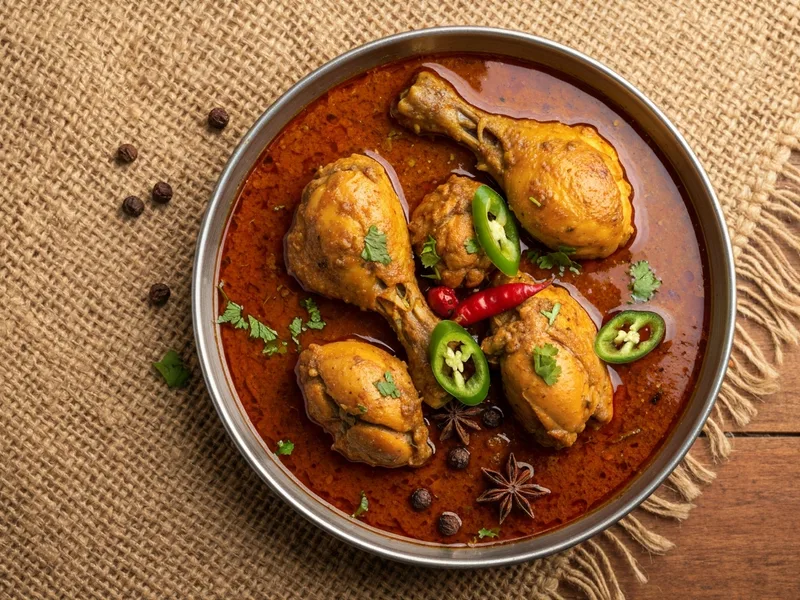
Balochi Chicken Karahi
Balochi Chicken Karahi is defined by its minimalist spicing and the incredible quality of the meat — less is more in Balochistan. With whole spices, fresh tomatoes, and clean flavours, this karahi lets the chicken speak for itself.
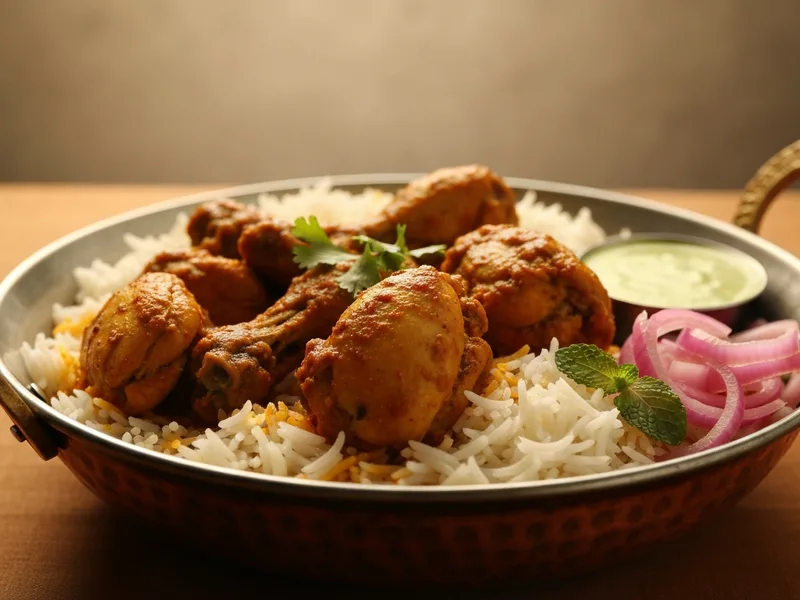
Dhaba Chicken Karahi
Dhaba Chicken Karahi replicates the smoky, robust flavours of Pakistan's legendary roadside dhabas — cooked fast on massive flames, loaded with butter, and served piping hot in the same karahi it was cooked in. This is highway food at its finest.
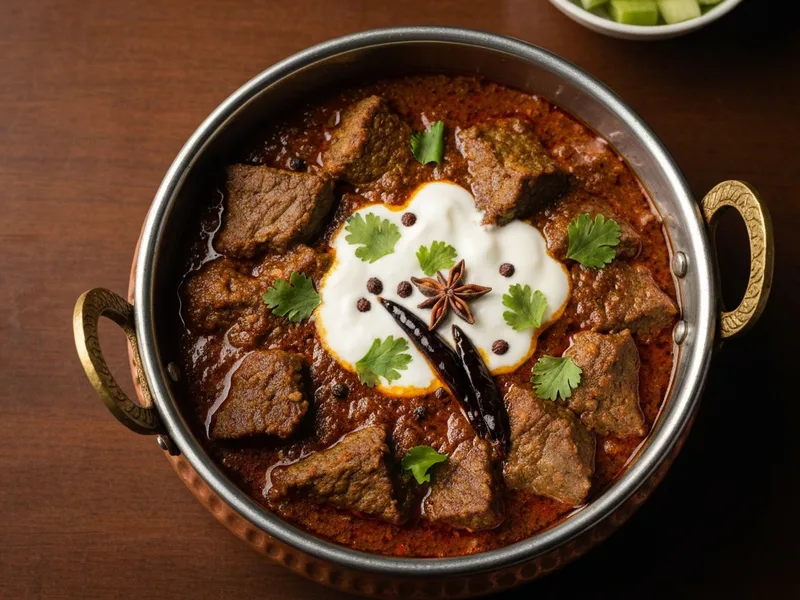
Beef Karahi Karachi Style
Karachi-style Beef Karahi is a bold, deeply flavoured dish that showcases the city's love for beef — slow-cooked gosht (meat) in a spiced tomato masala that's been bhunoed (stir-fried) to perfection. This is Karachi's beef obsession in one karahi.
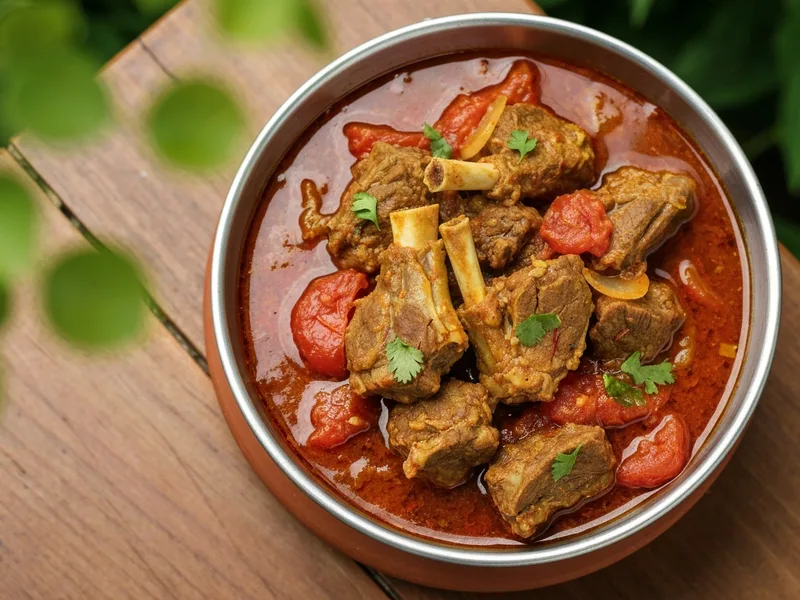
Mutton Karahi Karachi Style
Mutton Karahi Karachi Style is the festive showstopper of Sindh — tender mutton slow-cooked in a robust spiced tomato masala with the trademark Karachi flair: high heat, bold flavours, and a generous hand with fresh ginger.
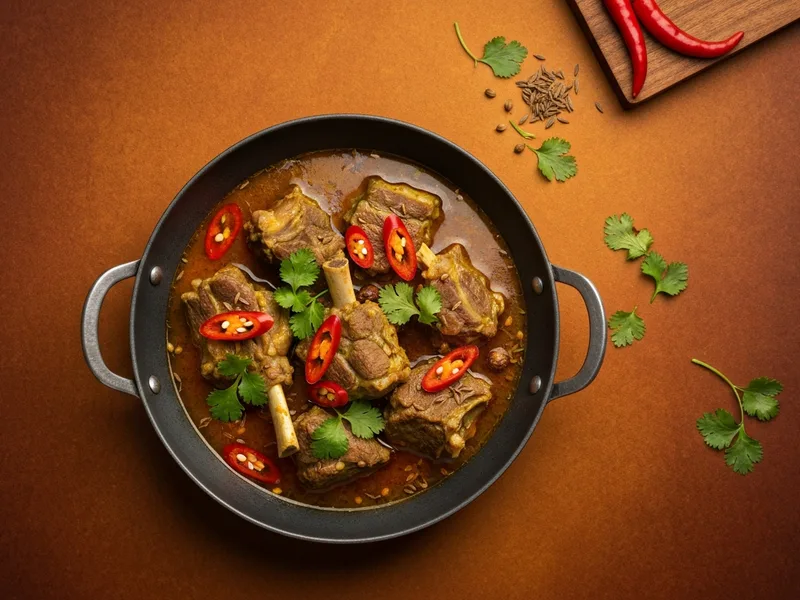
Balochi Mutton Karahi
Balochi Mutton Karahi is a celebration of restraint — young mutton cooked with minimal spices so the quality of the meat shines through. This ancient mountain cooking style produces a karahi unlike anything else in Pakistan: pure, clean, and profoundly satisfying.
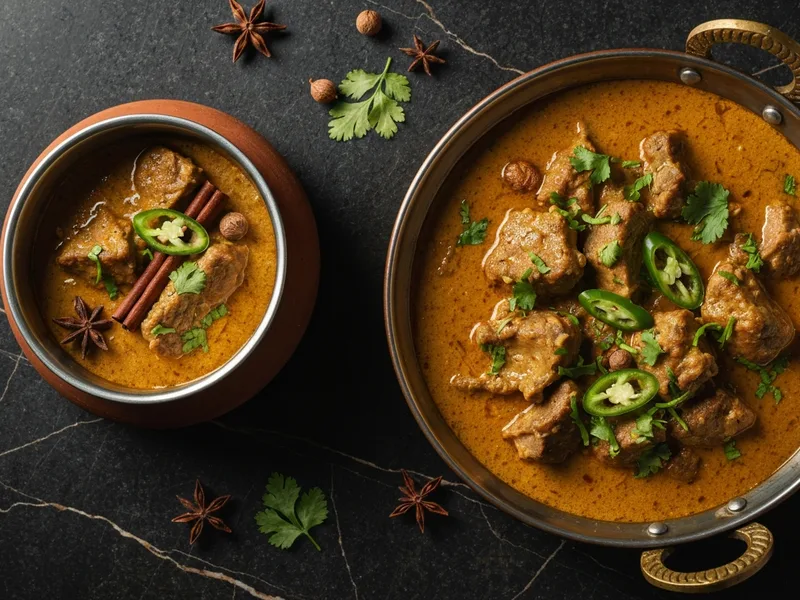
White Mutton Karahi (Safed Karahi)
White Mutton Karahi — known as Safed (white) Karahi — is KP's most elegant dish: no red chillies, no tomatoes, no turmeric. Just mutton, cream, yoghurt, green chillies, and whole spices producing a pale, aromatic karahi of extraordinary refinement.
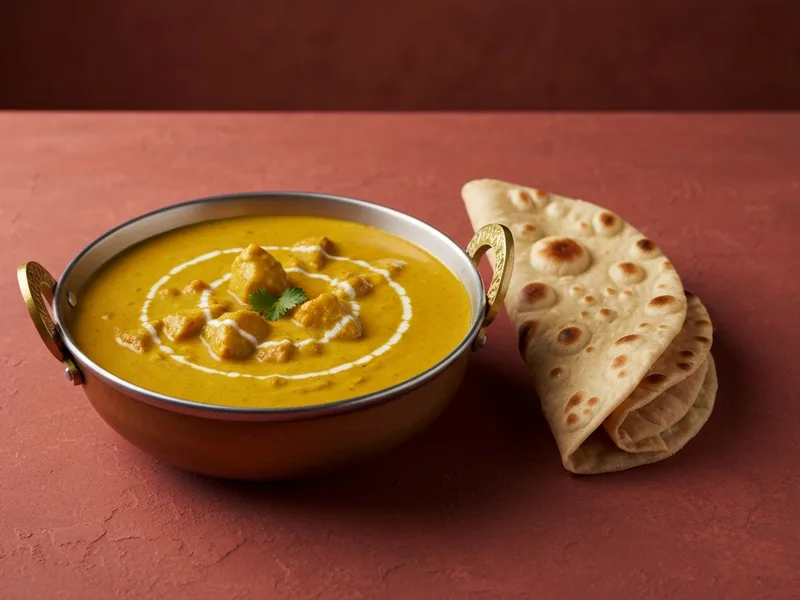
Sindhi Safed Karahi
Sindhi Safed Karahi brings the white karahi concept southward, adding Sindh's characteristic touch of whole spice complexity and a slightly more generous use of cream. Elegant, aromatic, and deeply comforting.
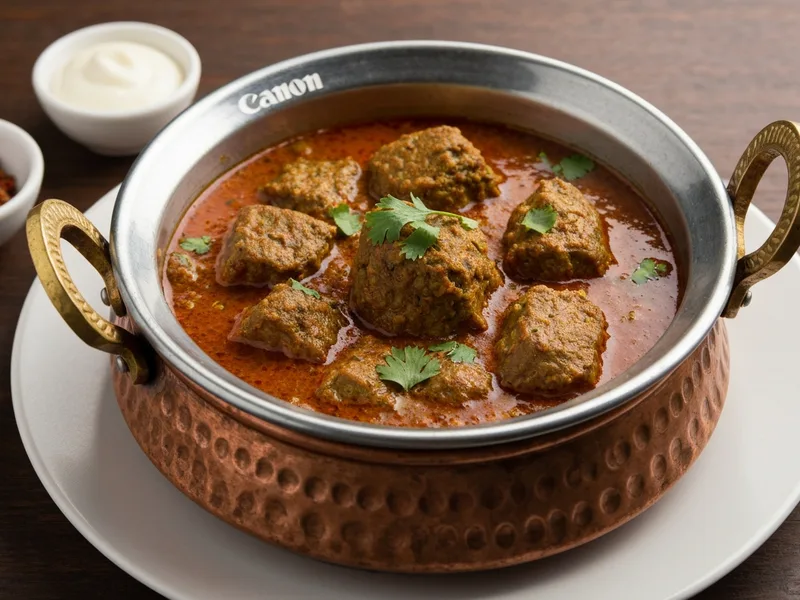
Shinwari Karahi Balochi Style
Shinwari Karahi, made Balochi style, blends the minimalist spicing of Balochistan with the signature fat-forward cooking technique of the Shinwari tribe — the result is a deeply satisfying, robustly flavoured karahi with extraordinary depth from minimal ingredients.
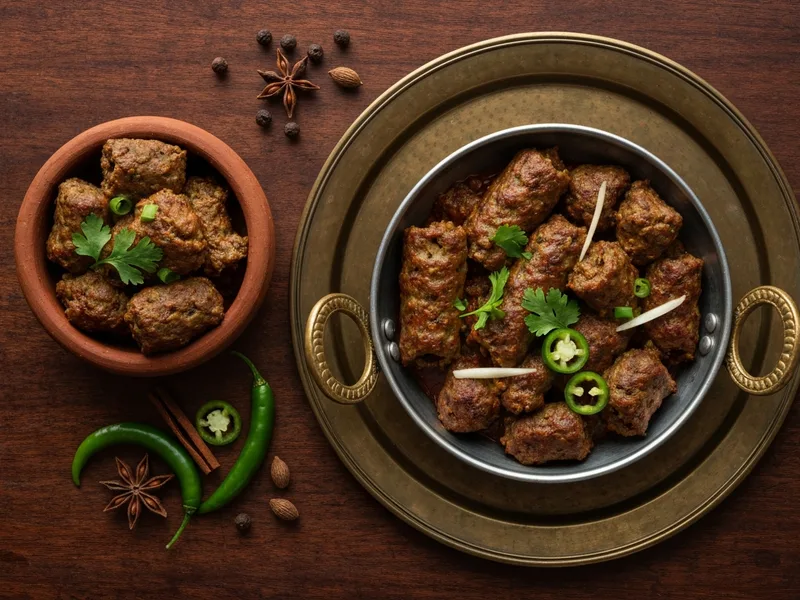
Beef Seekh Kebab Lahori
Lahori Beef Seekh Kebab is the street food king of the Punjab — minced beef packed with fresh herbs and spices, skewered and grilled over coal until charred outside and juicy within. This is the kebab that defines Lahori food culture.
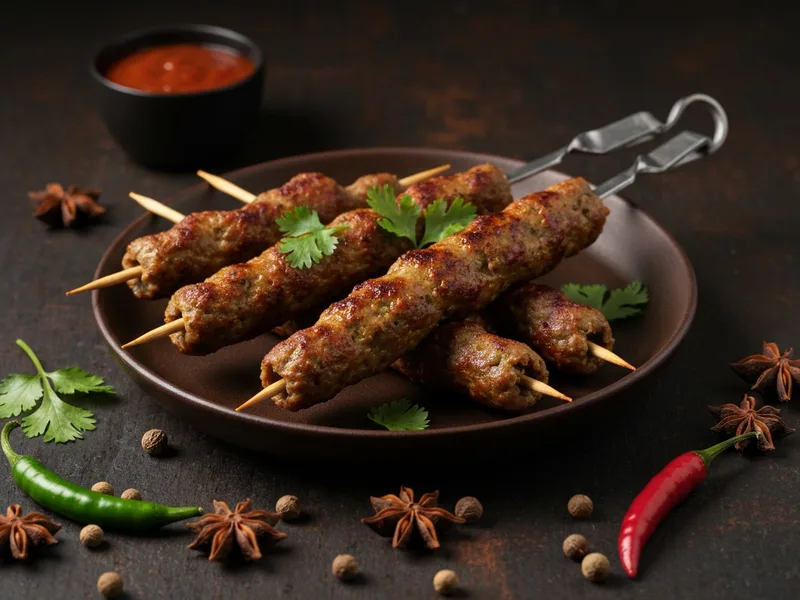
Chicken Seekh Kebab
Chicken Seekh Kebab is the lighter, equally delicious cousin of the beef original — minced chicken thigh meat seasoned with fresh herbs and subtle spices, grilled to juicy perfection. Perfect for those who prefer white meat without compromising on flavour.
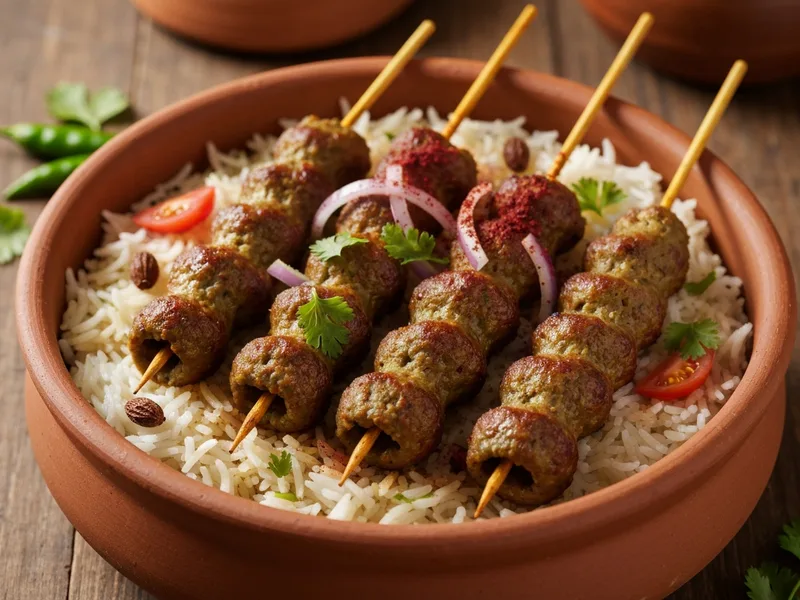
Mutton Seekh Kebab
KP Mutton Seekh Kebab is the finest expression of the seekh kebab form — minced mutton with mountain herbs and Peshawari spicing, cooked in a tandoor to a spectacular char. Rich, smoky, and unforgettable.
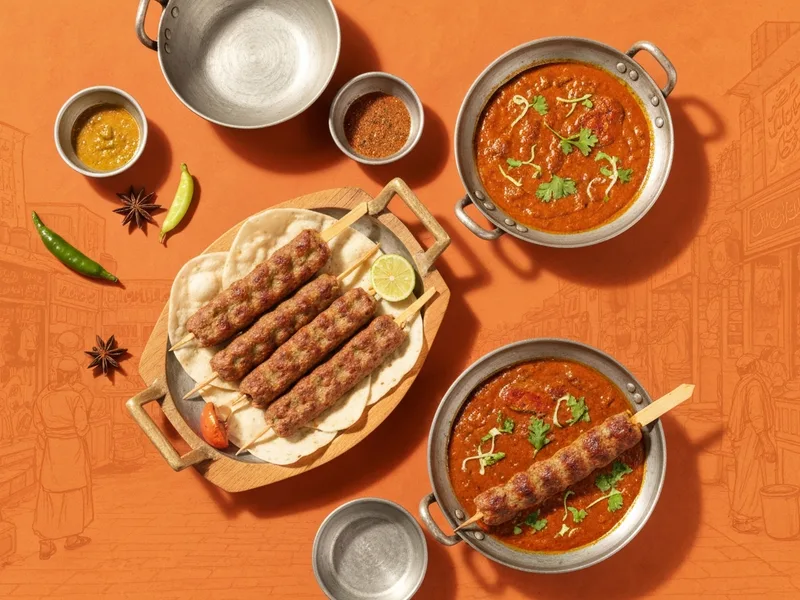
Malai Seekh Kebab
Malai Seekh Kebab is the luxurious white sibling of the classic seekh — mince marinated in cream, cheese, and mild spices, then grilled to a pale golden perfection. Mild, melt-in-your-mouth, and spectacularly good.
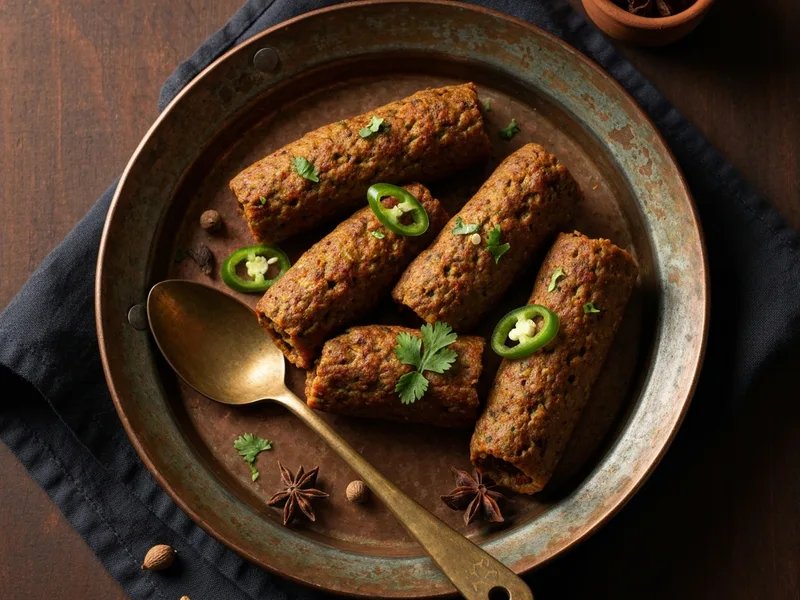
Sindhi Seekh Kebab
Sindhi Seekh Kebab brings the bold, spice-forward character of Sindhi cuisine to this classic form — with distinctive additions like dried mango powder (amchur) and extra green chilli that create a seekh unlike anything you've had before.
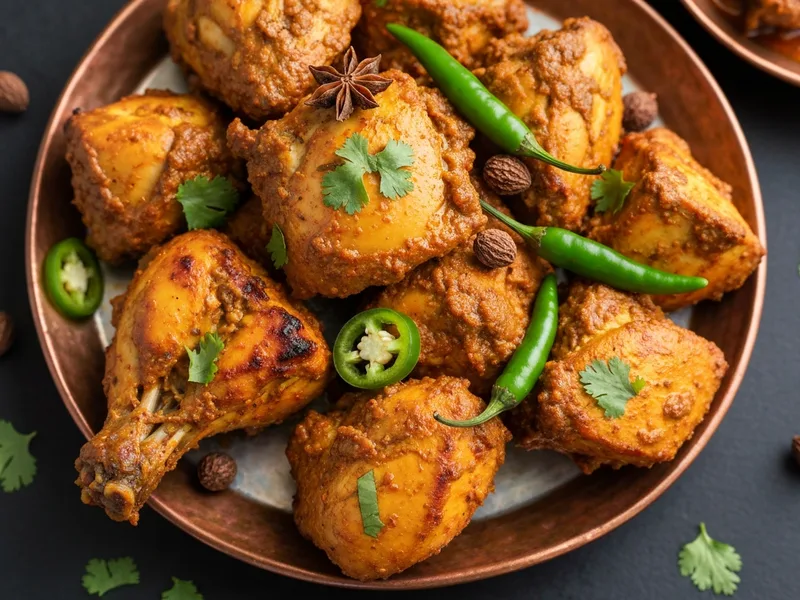
Karachi Chicken Tikka
Karachi Chicken Tikka is marinated overnight in a signature red-orange spiced yoghurt, then grilled over coal or broiled to achieve a charred exterior and impossibly juicy interior. This is the tikka that made Karachi's BBQ culture legendary.
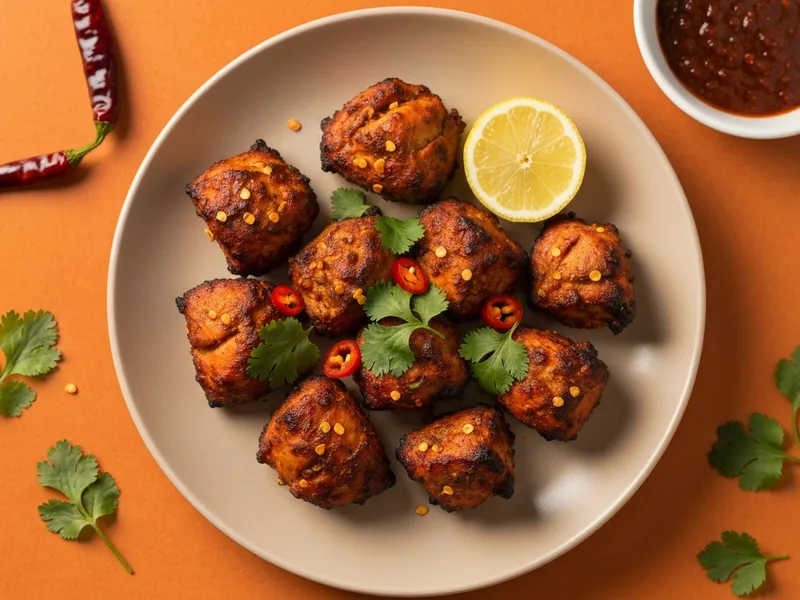
Punjabi Chicken Tikka
Punjabi Chicken Tikka is the template from which all tikka derives — generously spiced, boldly marinated with yoghurt and mustard oil, and cooked in a clay tandoor for a smoky char that defines Pakistani BBQ culture.
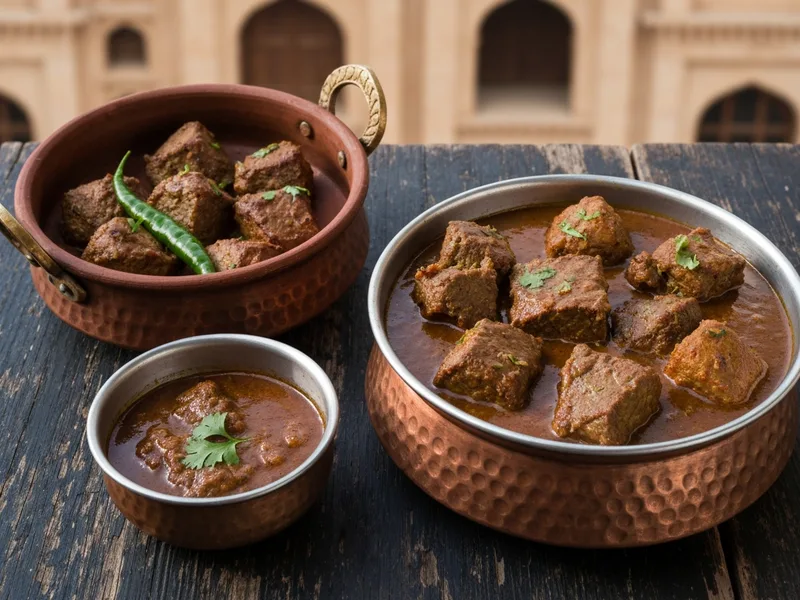
Beef Tikka Boti
Beef Tikka Boti is Punjab's rugged BBQ heavyweight — cubes of marinated beef char-grilled to a caramelised crust with a juicy, flavourful centre. For those who believe everything is better with beef, this is the definitive answer.
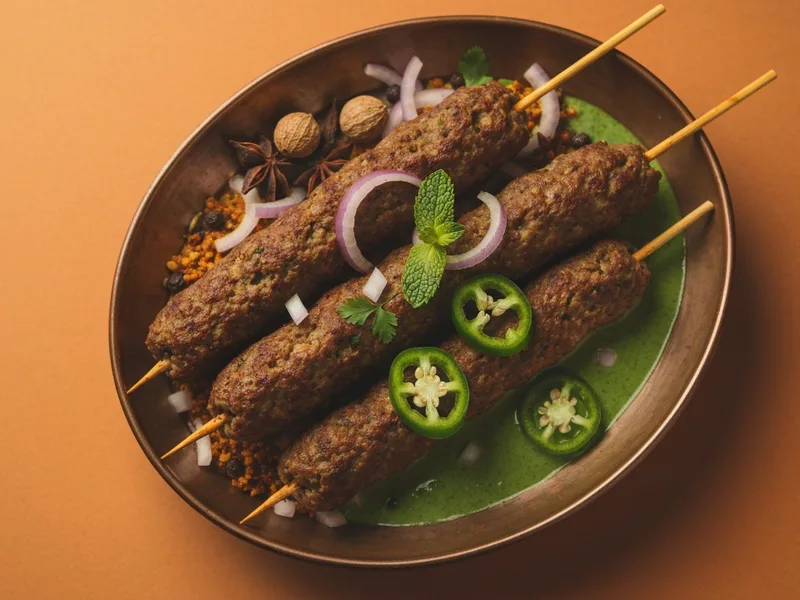
Gola Kebab Karachi
Karachi's Gola Kebab is the rotund, juicy cousin of seekh kebab — round mince patties cooked on a tawa (griddle) or grill with a distinctive jerk-and-spin technique that Karachi grill cooks have turned into performance art.
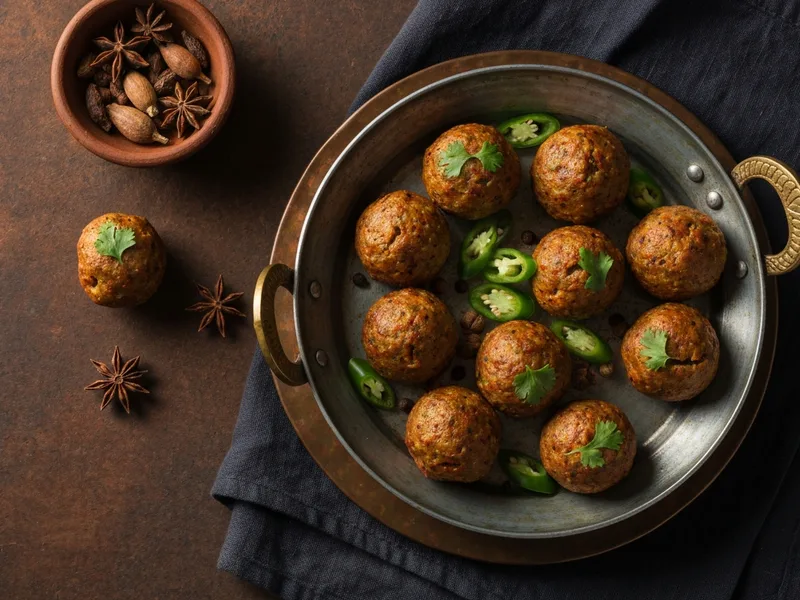
Punjabi Gola Kebab
Punjabi Gola Kebab has a distinctly Lahori spice profile — more garam masala, more ginger, and the characteristic Punjabi love of fresh mint — producing round, beautifully flavoured kebabs that are Lahore's favourite tawa snack.
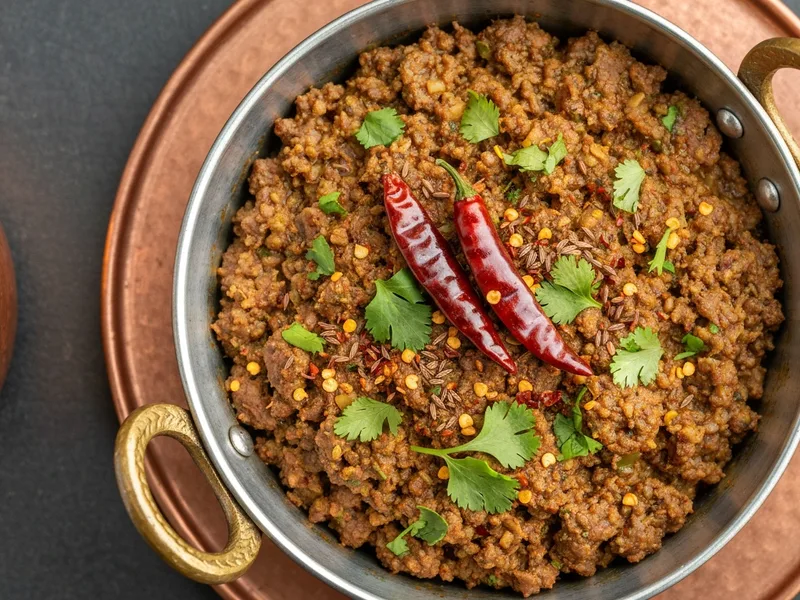
Beef Chapli Kebab
Beef Chapli Kebab is Peshawar's most famous export — a flat, disc-shaped kebab packed with beef, tomato, pomegranate seeds, and whole spices, shallow-fried in beef tallow to produce a crispy edge and juicy centre that is genuinely addictive.
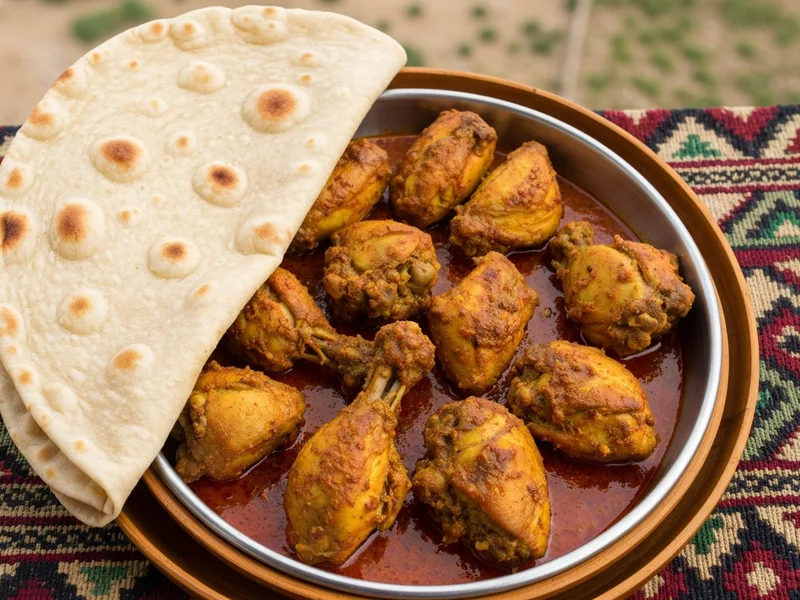
Chicken Chapli Kebab
Chicken Chapli Kebab brings the iconic Peshawari flat kebab tradition to white meat — all the pomegranate seeds, whole coriander, and aromatic complexity of the original, adapted for chicken with extra care for moisture and binding.
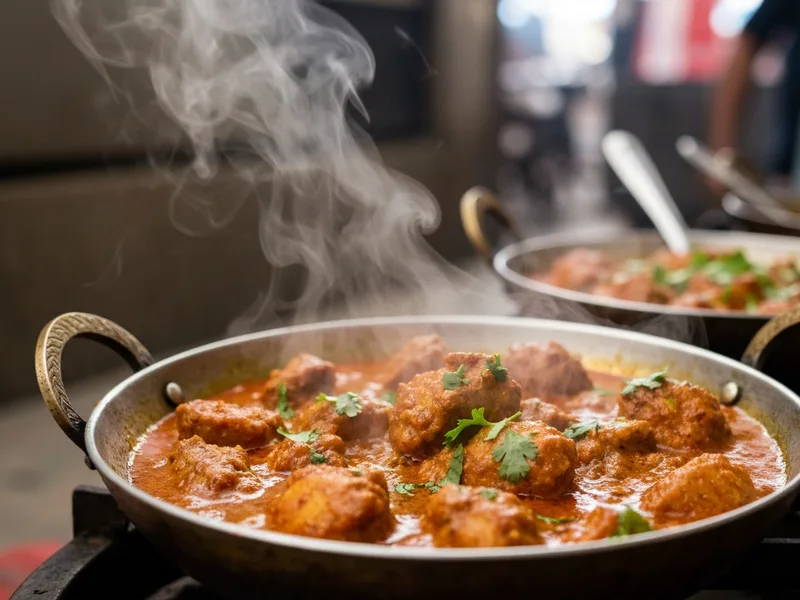
Lahori Tawa Chicken
Lahori Tawa Chicken is the sizzling, intensely spiced dish cooked on a concave iron tawa (griddle) — whole chicken pieces stir-fried with tomatoes, green chillies, and generous amounts of butter right at your table in the best restaurants.
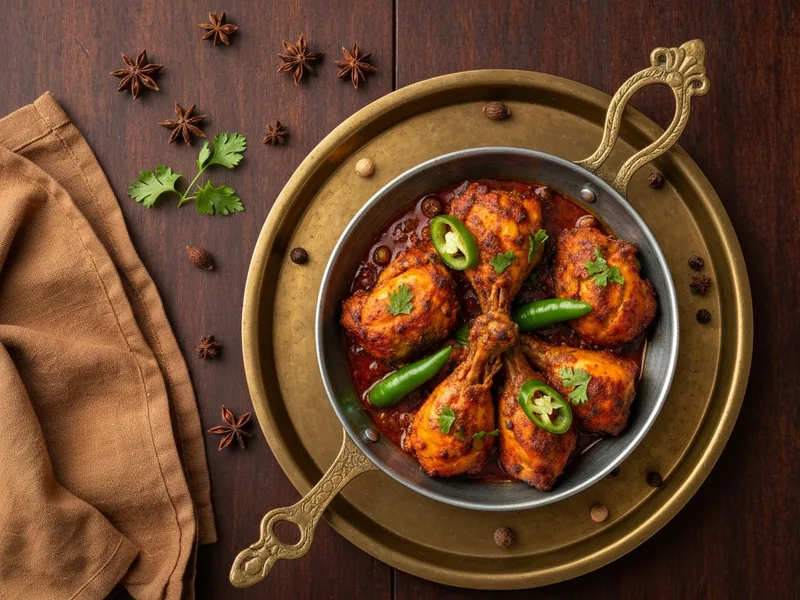
Karachi Tawa Chicken
Karachi Tawa Chicken brings Sindh's bold spicing and love of tomato to the tawa — cooked faster and more aggressively than Lahori style, with a saucier masala and distinctive Karachi additions that make it uniquely satisfying.
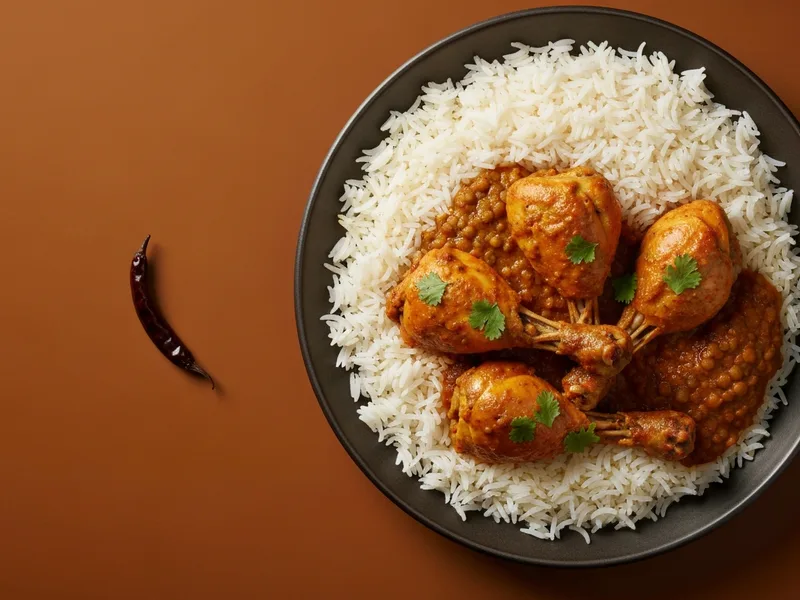
Dry Tawa Chicken
Dry Tawa Chicken is the masala-reduced, bhuno-intensive version of tawa chicken — where the masala is cooked almost completely away to leave behind intensely flavoured, almost dry chicken pieces with a sticky, caramelised spice coating.
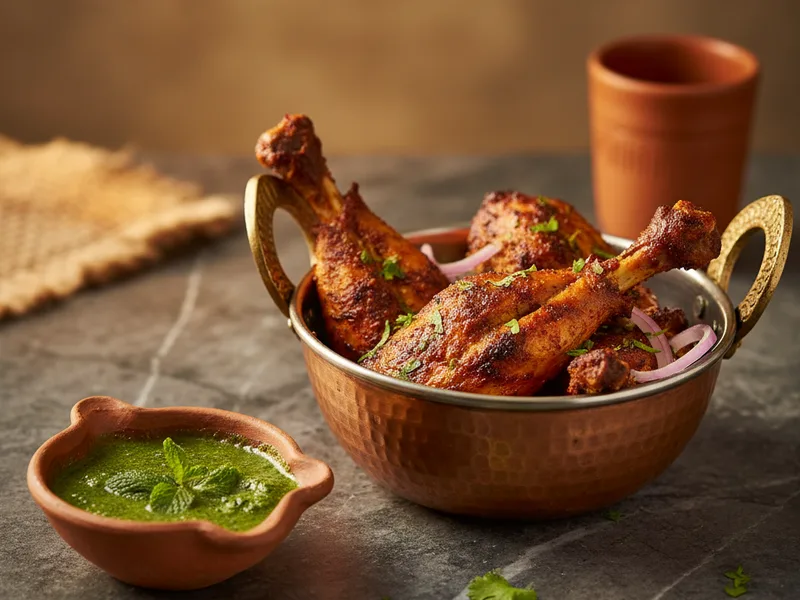
Afghani Chicken Tikka
Afghani Chicken Tikka from KP brings the cooking traditions of the Pak-Afghan frontier — whole spices, yoghurt, and aromatic herbs create a pale, fragrant tikka that's deeply flavourful without a single dried chilli powder in sight.
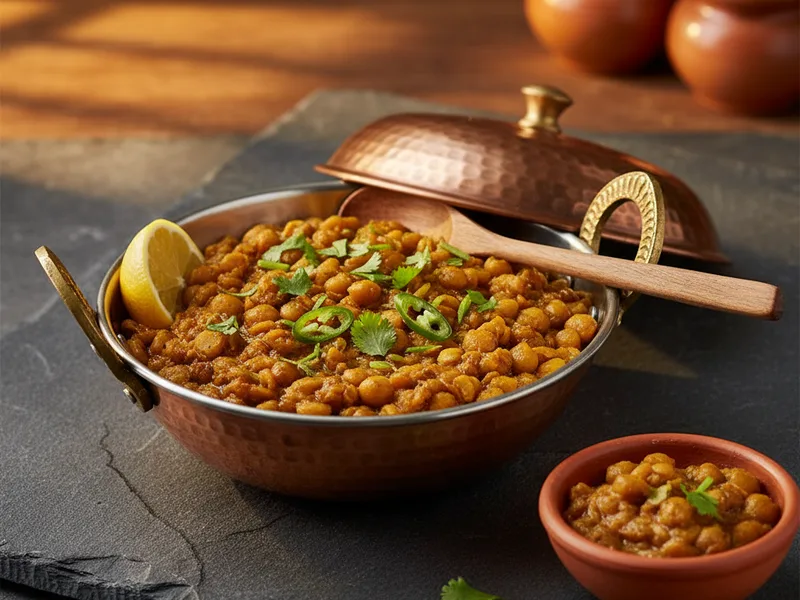
KP Chana Dal
KP Chana Dal is a hearty, robustly spiced split chickpea dal from Khyber Pakhtunkhwa, cooked with whole spices and a generous hand with ginger — warming and deeply aromatic.
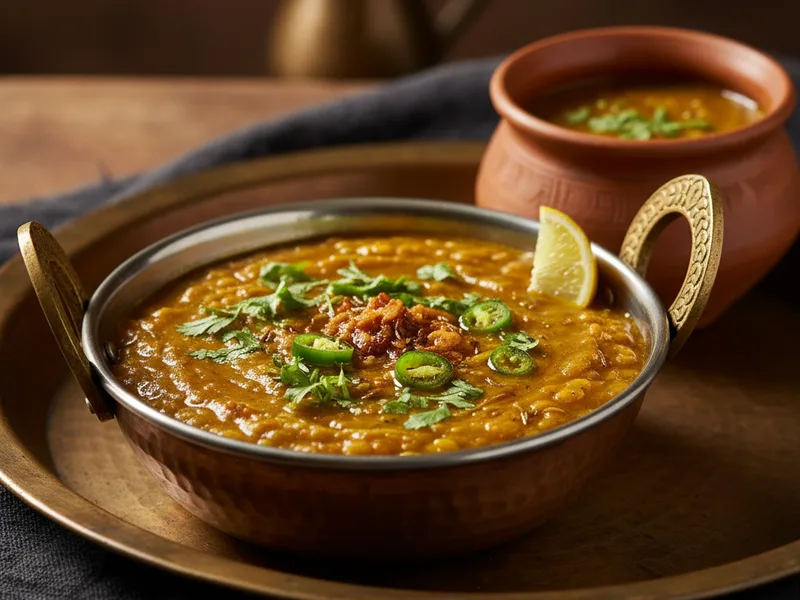
Dhaba Dal Tadka
Dhaba Dal Tadka is the legendary roadside restaurant dal — smoky, aromatic, and aggressively seasoned in the best way possible. This recipe cracks the secret of why dhaba food always tastes better.
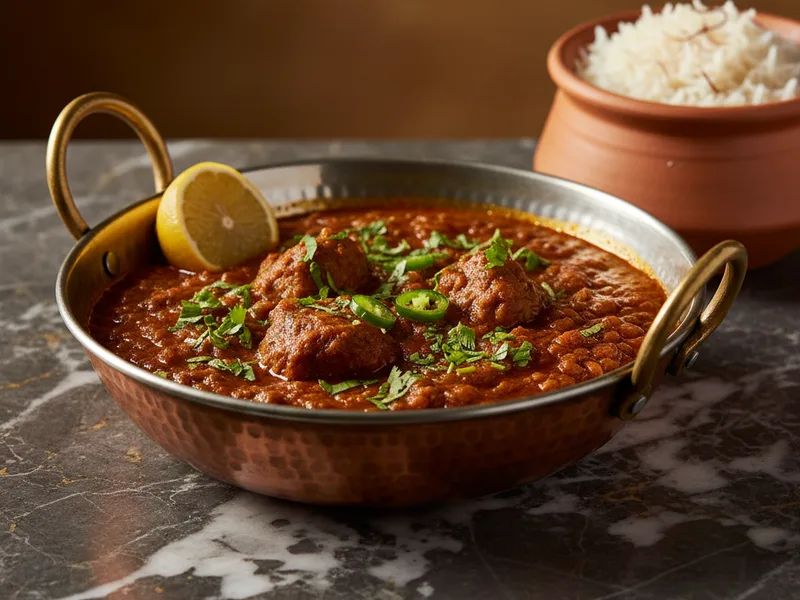
Dal Gosht Punjabi
Dal Gosht is a beloved Punjabi one-pot wonder where tender mutton and creamy lentils slow-cook together into a deeply satisfying, protein-packed dish that's greater than the sum of its parts.
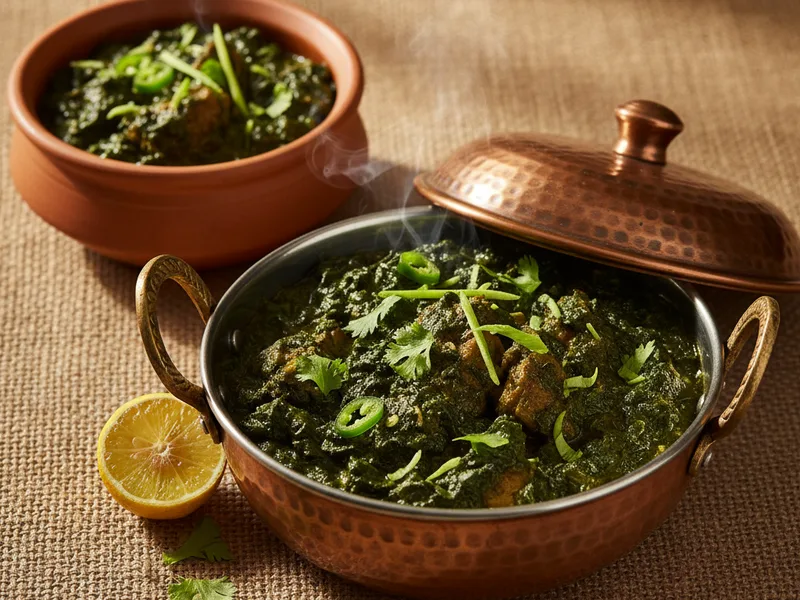
Paalak Gosht
Paalak Gosht is a luxurious Punjabi curry of tender mutton slow-cooked in a vibrant spinach gravy, fragrant with whole spices and enriched with cream. Nutritious never tasted this indulgent.
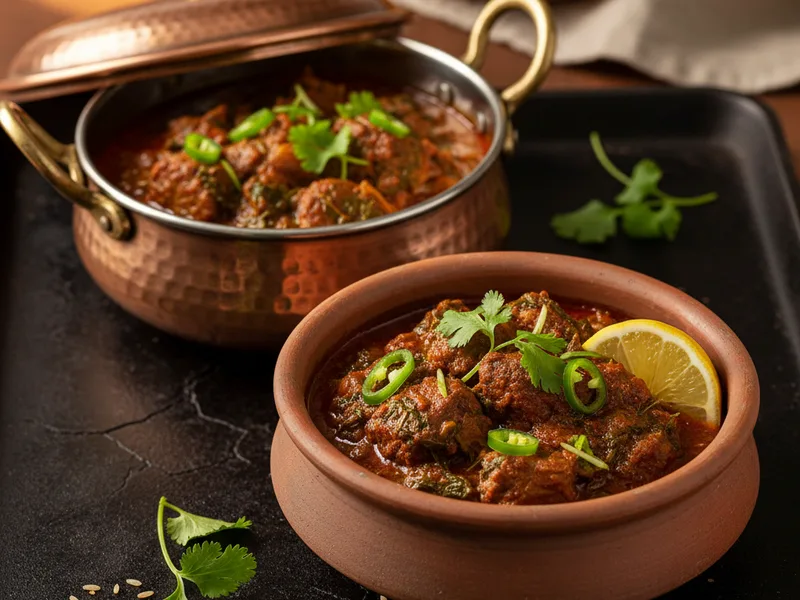
Methi Gosht
Methi Gosht is a distinctive Punjabi curry where the pleasantly bitter fenugreek leaves transform tender mutton into an aromatic, complex dish unlike any other. An acquired taste that becomes an obsession.
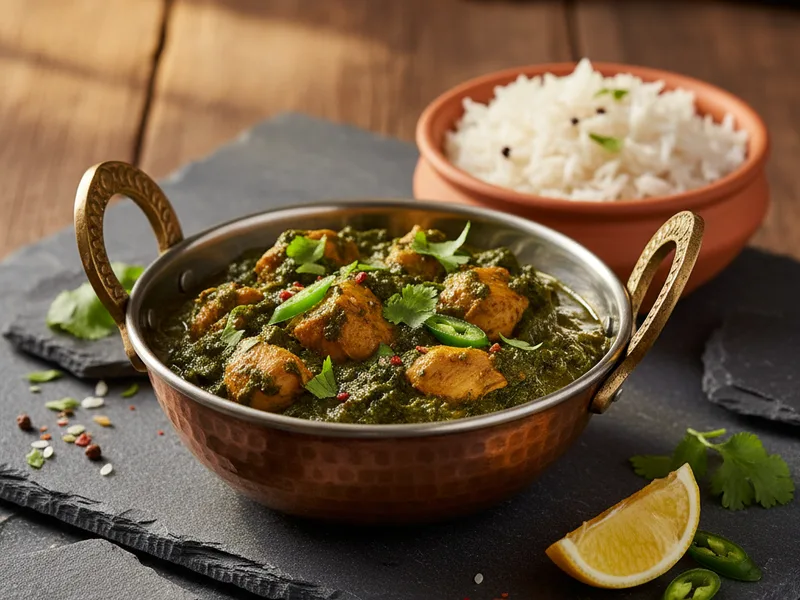
Chicken Saag
Chicken Saag combines succulent chicken pieces with a vibrant spinach curry base, creating a lighter but equally satisfying alternative to the traditional mutton version. Perfect for weeknight indulgence.
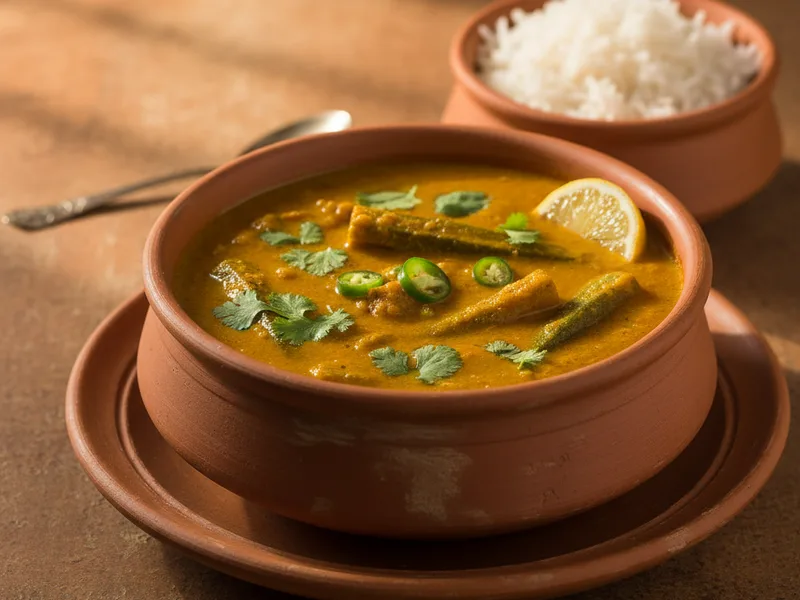
Karachi Sindhi Kadhi
Karachi Sindhi Kadhi is a uniquely tangy, gram flour-based curry loaded with vegetables — a nutritious one-pot wonder that is the very heart of Sindhi home cooking and Sunday lunch culture.
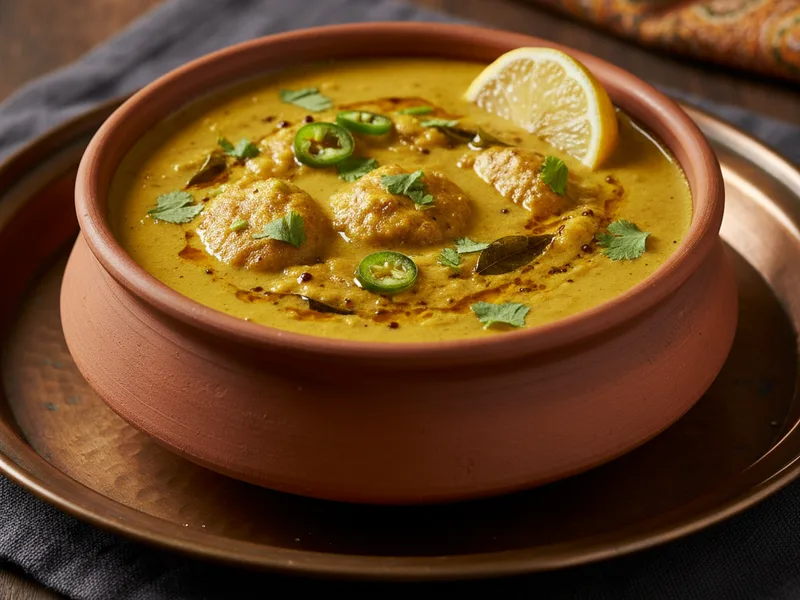
Hyderabadi Kadhi
Hyderabadi Kadhi from Sindh's historic city carries a distinctive character — slightly sweeter, heavier on dried fruit and nuts in its regional variations, with a unique spice balance that reflects the city's cosmopolitan culinary history.
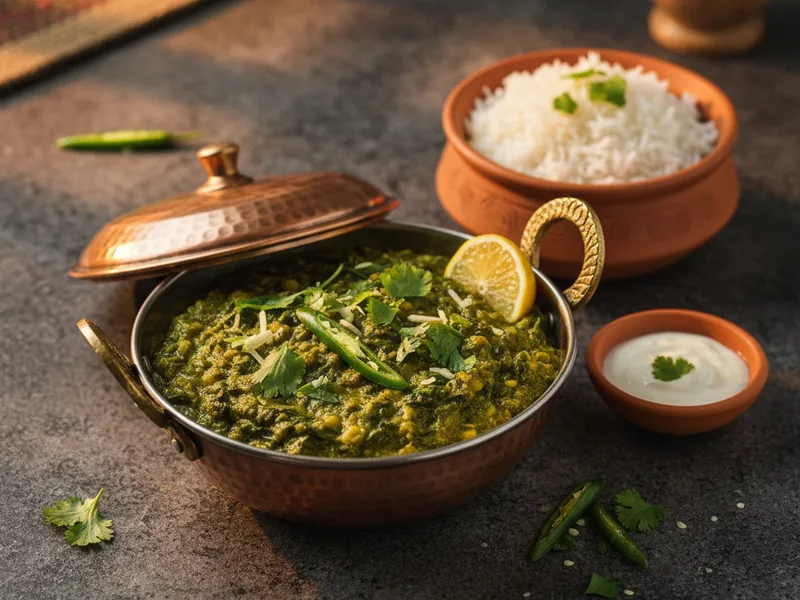
Sai Bhaji Karachi
Sai Bhaji is Sindh's legendary iron-rich mixed greens and dal dish — a nutritional powerhouse simmered until velvety, with a signature tempering of garlic and whole spices that makes it utterly irresistible.
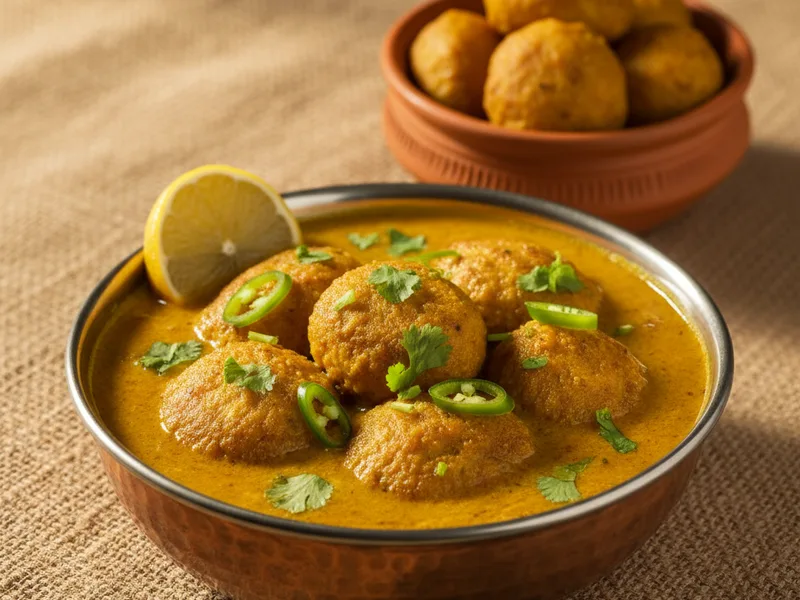
Punjabi Kadhi Pakora
Punjabi Kadhi Pakora is a tangy, yoghurt-based gram flour curry with crispy fried onion fritters floating within — a beloved weekend dish that fills Punjabi homes with the most incredible aroma.
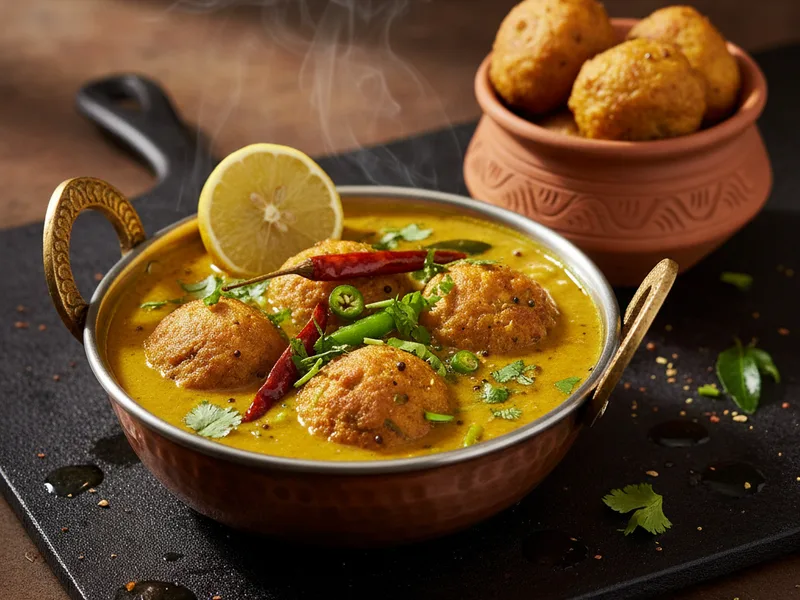
Sindhi Kadhi Pakora
Sindhi Kadhi Pakora takes the traditional gram flour curry in a unique direction — made without yoghurt and with tamarind tang instead, creating a thinner, more vegetable-forward kadhi with crispy fritters.
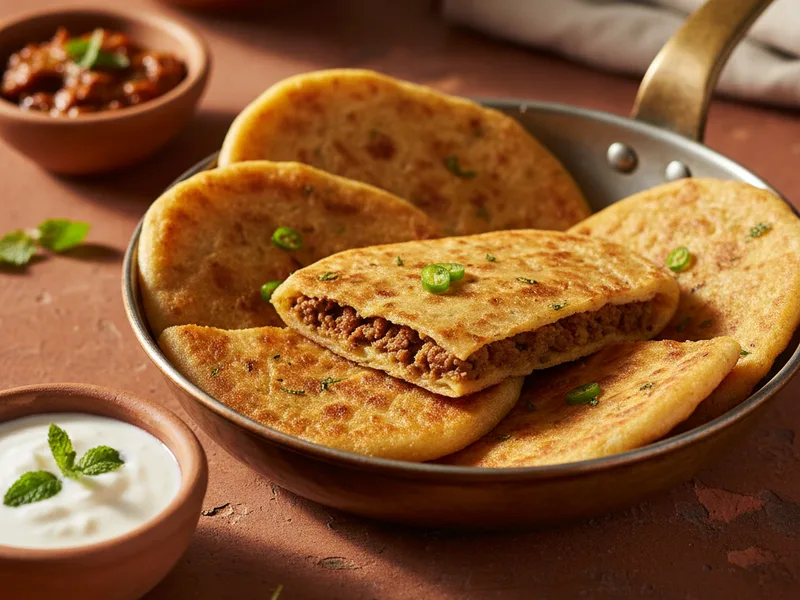
Keema Paratha Lahori
Lahori Keema Paratha is a masterclass in stuffed flatbread — whole wheat paratha packed with spiced minced meat, pan-fried in ghee until shattering-crispy on the outside, hearty and warming within.
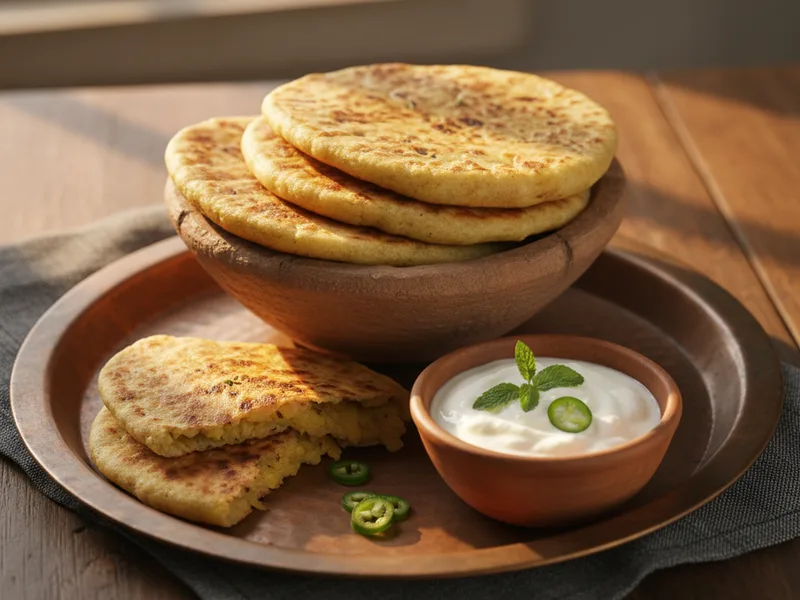
Aloo Paratha South Punjab
South Punjab Aloo Paratha is a rustic, generously spiced potato-stuffed flatbread with a more assertive spice profile than the Lahori version — reflecting the bold culinary personality of Multan and beyond.
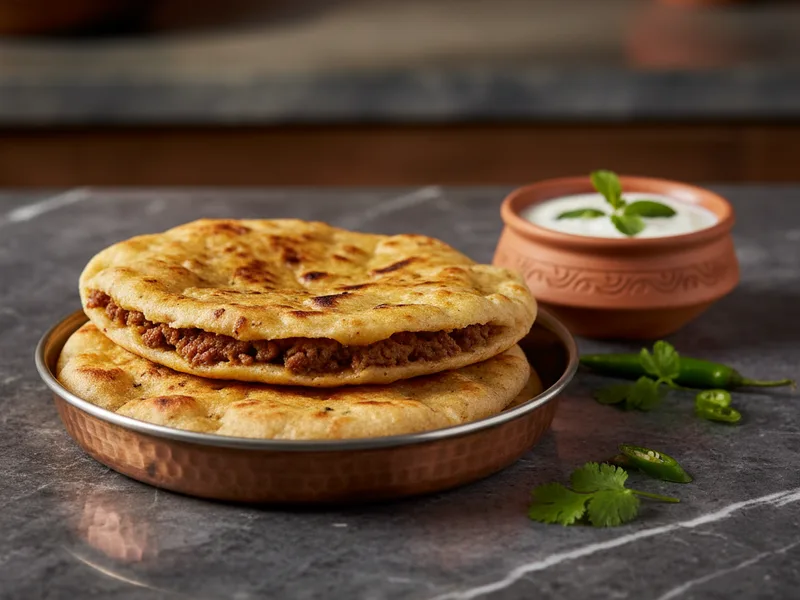
Peshawari Stuffed Chapati
Peshawari Stuffed Chapati is a thick, hearty KP-style flatbread filled with spiced potato and onion — cooked on a tawa with minimal fat for a wholesome, filling breakfast that fuels mountain people.
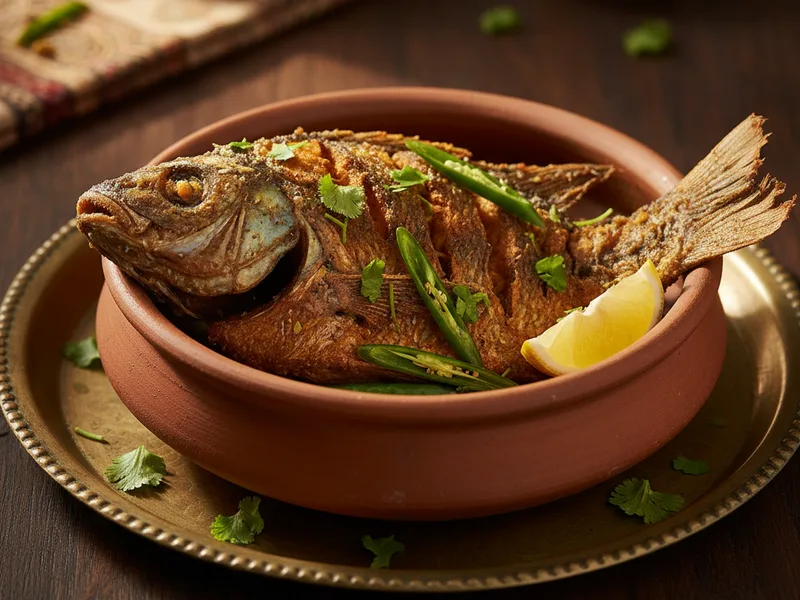
Sindhi Fried Pallo Fish
Sindhi Fried Pallo Machli is the celebration dish of the Indus — hilsa fish marinated in bold spices and deep-fried to a shattering, golden crisp. A seasonal treasure that Sindhis wait all year for.
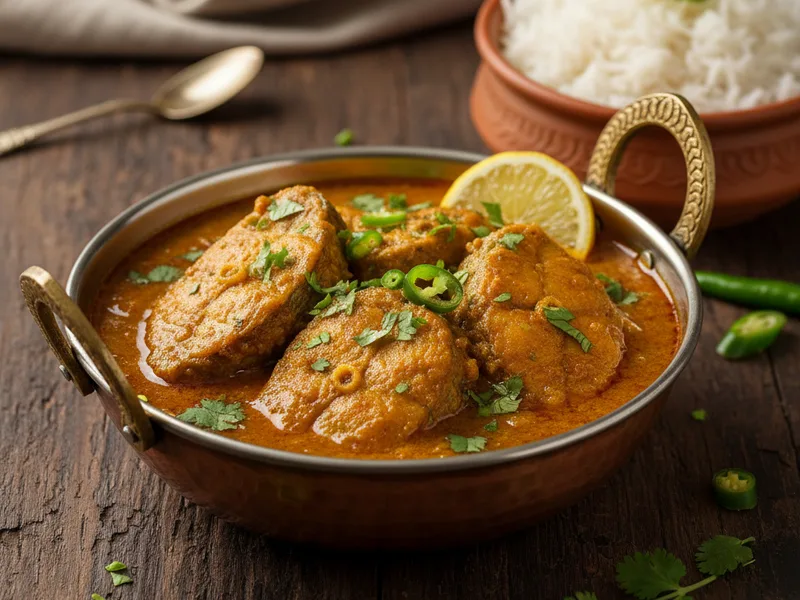
Pallo Fish Curry Sindhi
Sindhi Pallo Fish Curry is a rich, aromatic masala preparation of hilsa fish — the bold Sindhi spice profile complements pallo's natural richness, creating a curry worthy of the king of Indus fish.
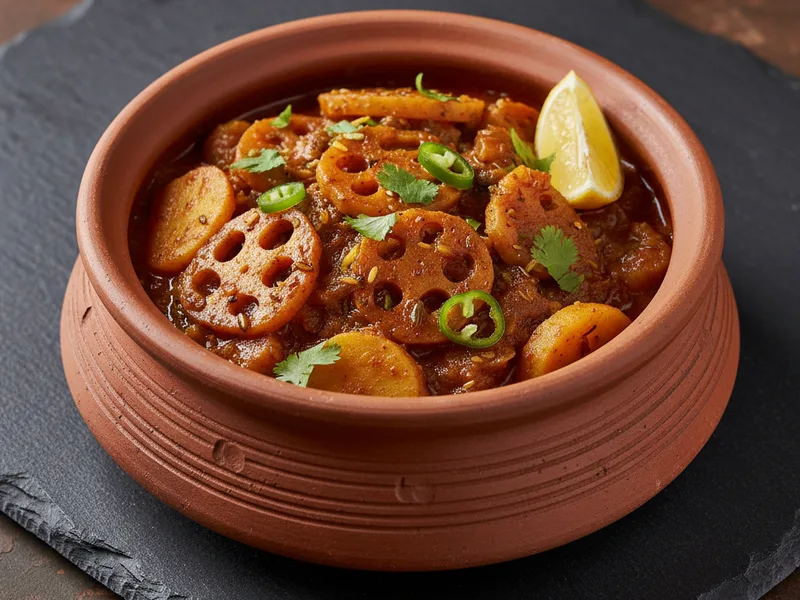
Bhee Aloo Sindhi
Bhee Aloo is Sindh's beloved lotus stem and potato curry — a uniquely textured, deeply flavoured dish that showcases one of Sindhi cuisine's most distinctive ingredients in a warming, aromatic gravy.
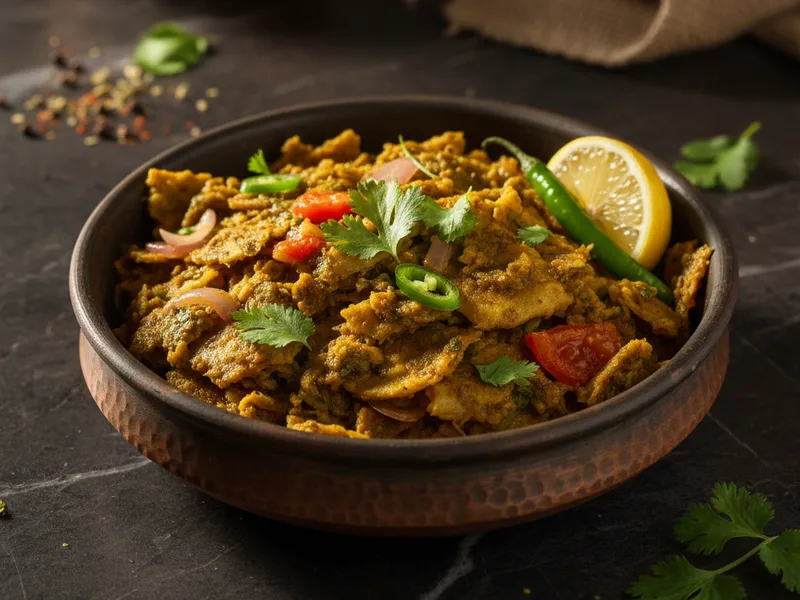
Seyal Maani Lahori
Seyal Maani is Sindh's brilliant solution to leftover bread — day-old roti or chapati braised in a richly spiced onion-tomato masala until it transforms into a deeply savoury, comforting one-pan meal.
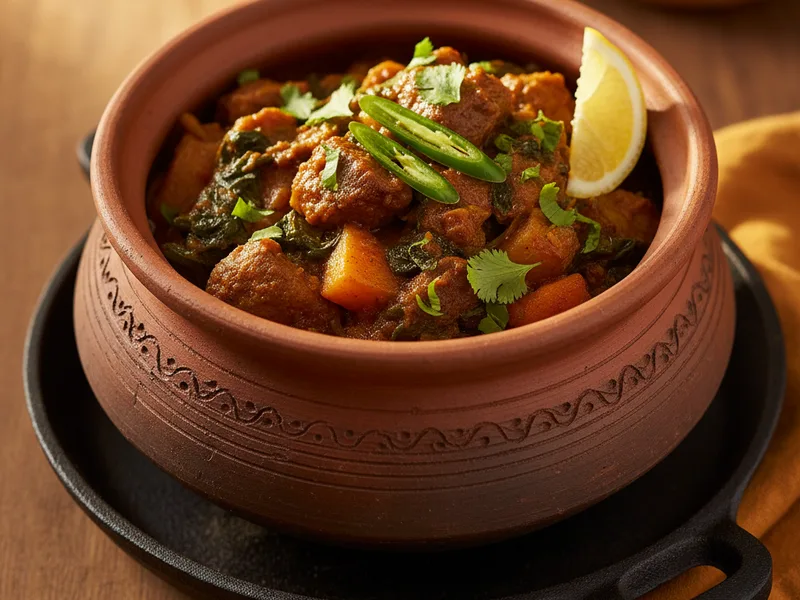
KP Sabzi Gosht
KP Sabzi Gosht is a hearty mountain-style meat and greens curry from Khyber Pakhtunkhwa — mutton slow-cooked with spinach and mixed local greens in a minimal but powerful spice base that lets the ingredients shine.
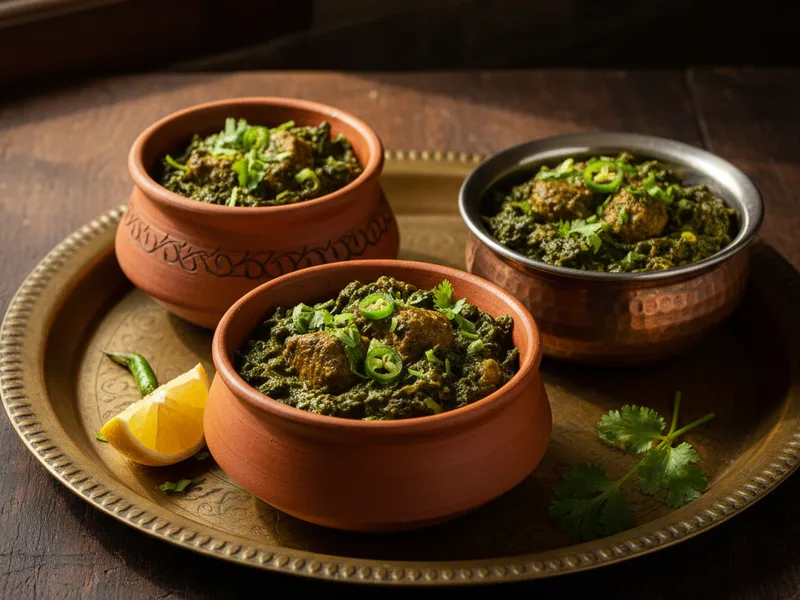
Balochi Saag Gosht
Balochi Saag Gosht is a bold, rustic combination of mutton and greens cooked in the direct, unfussy Balochi style — minimal water, maximum flavour, with the distinctive smoky char that comes from high-heat cooking.
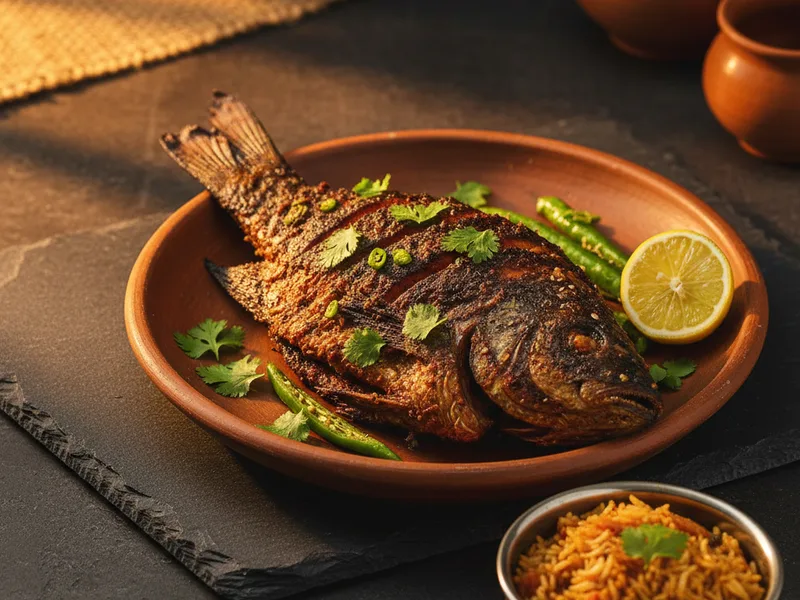
Fish Sajji — Makran Coast Style
From Balochistan's 760km Makran coastline comes this extraordinary whole-fish sajji — a coastal variation that the rest of Pakistan barely knows exists. Large sea fish skewered and roasted over driftwood coals with nothing but salt and lime.
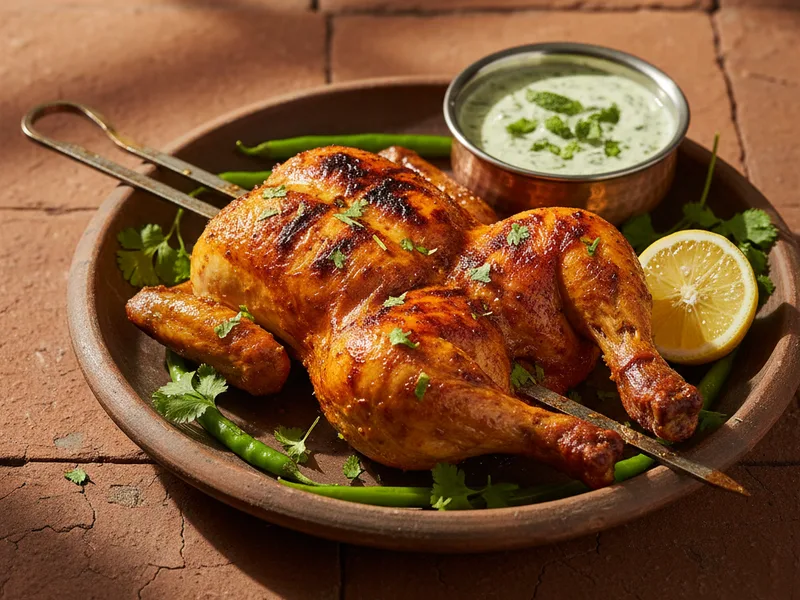
Sajji with Yogurt Chutney Sauce
Traditional Balochi lamb sajji served with the classic tangy yogurt-herb sauce that Quetta restaurants keep as their closely guarded secret. The sauce transforms sajji from great to legendary.
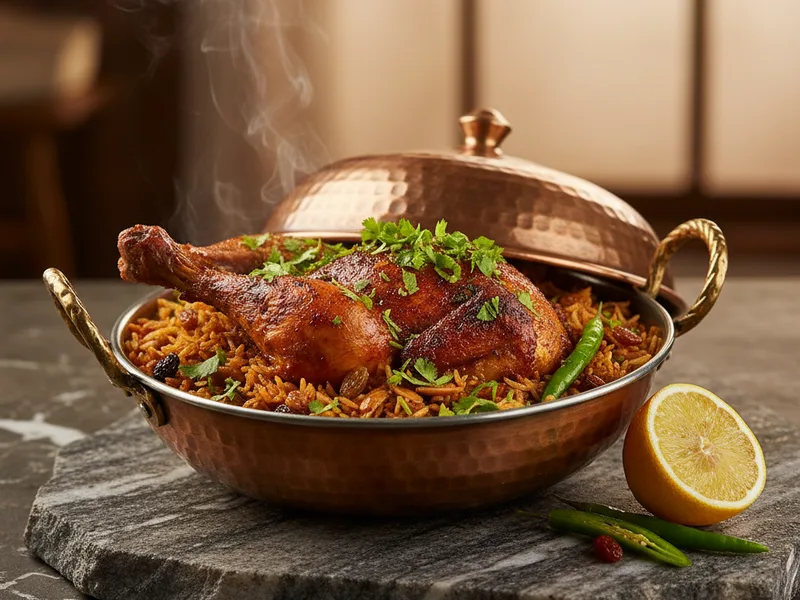
Balochi Dampukht Chicken
Balochistan's version of the dum-sealed cooking method, using whole chicken pieces with the Balochi preference for fat-tail sheep fat (or ghee) as the cooking medium. Simpler and faster than the lamb version, equally extraordinary.
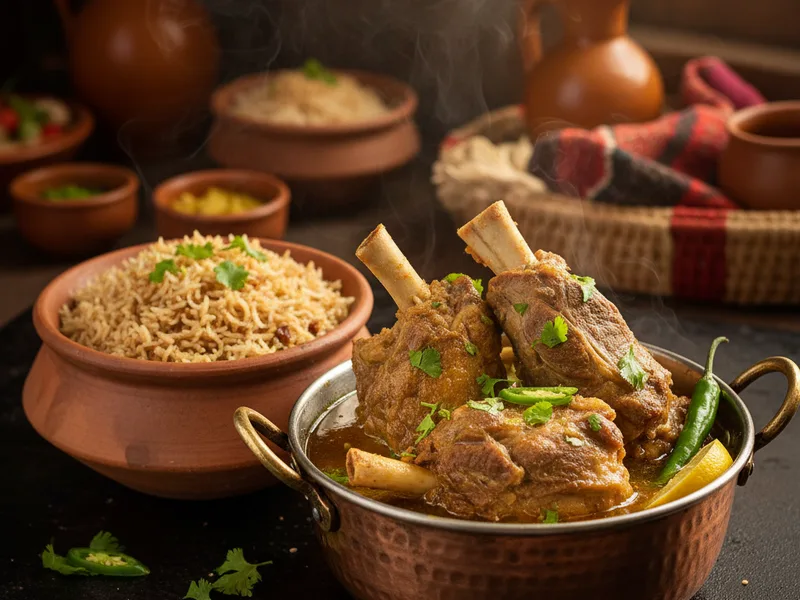
Mutton Rosh — Wedding Feast Style
The elevated wedding-feast version of Balochi Rosh — larger portions, richer with dumba fat, and finished with dried fruit and a touch of rose water in true Baloch celebratory tradition.
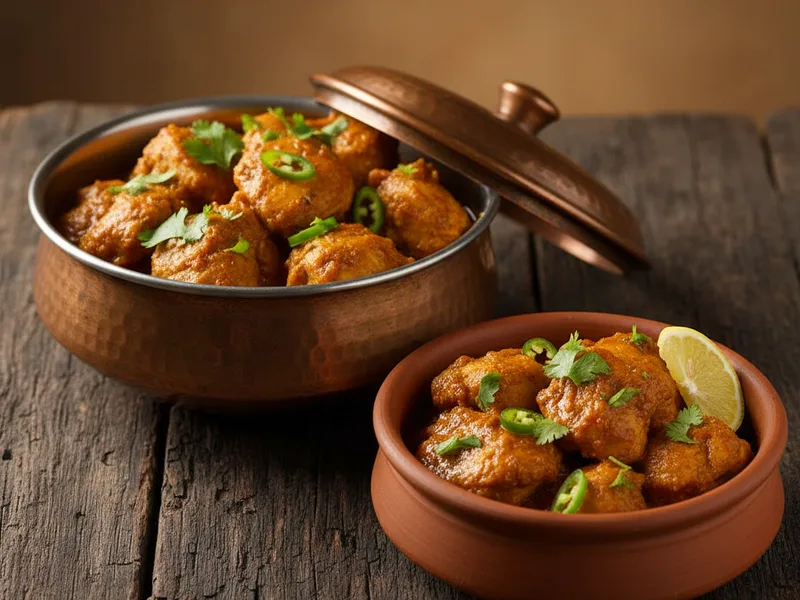
Chicken Khaddi — Home-Scale Pit-Style
A home-friendly adaptation of KP's underground khaddi cooking technique using whole chicken — marinated in robust Pashtun spices and slow-roasted in a sealed clay pot or dutch oven to capture that signature earth-oven tenderness.
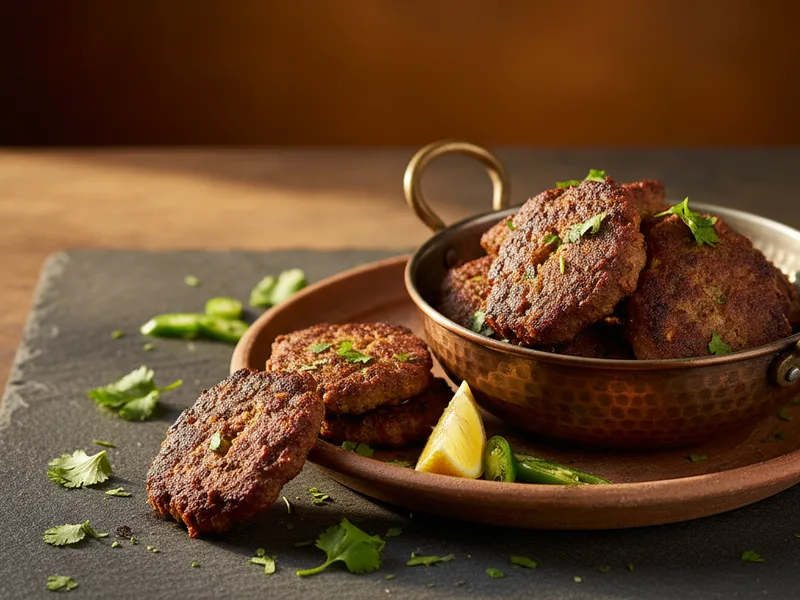
Bannu Chapli Kebab — The Original
Bannu is widely considered the birthplace of chapli kebab, and this recipe captures the original Bannu version — flatter, crispier, and more aggressively spiced than the Peshawar versions that became famous. A foundational Pakistani recipe.
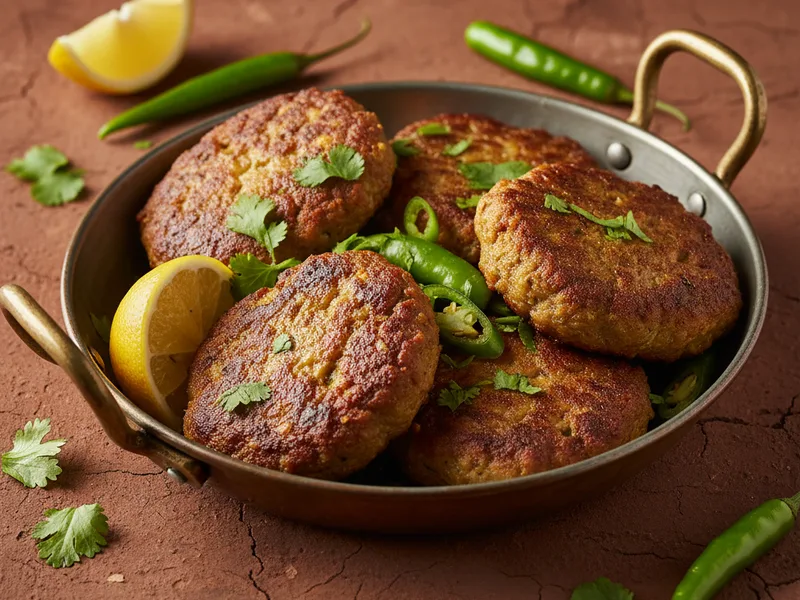
Swat Chapli Kebab — Valley Mountain Version
Swat Valley's distinctive take on chapli kebab — thicker than Bannu, with the addition of fresh mint and a touch of ajwain (carom seeds), reflecting the mountain valley's herb-forward cooking tradition.
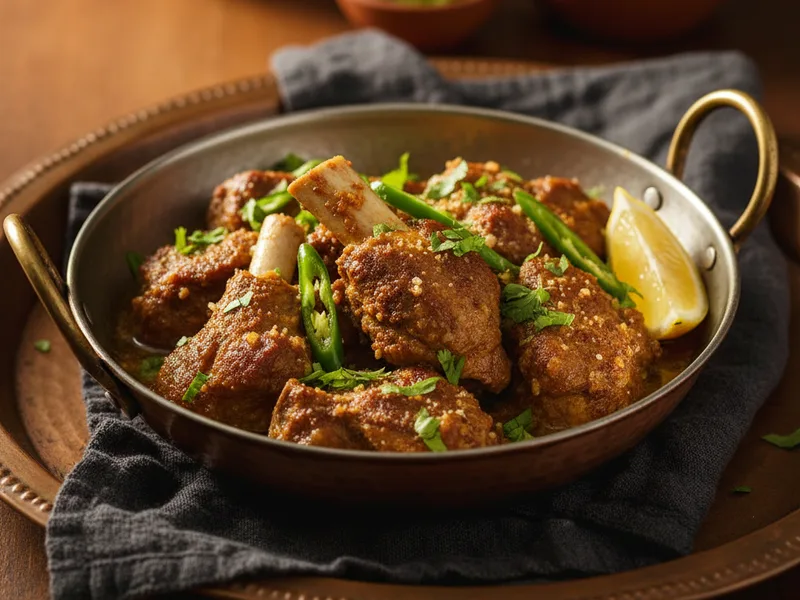
KP Namkeen Gosht Karahi
KP's famous 'salty meat' karahi — defiantly minimal in spicing, cooked in its own fat in a karahi until tender and gleaming. The Peshawar take on namkeen gosht is coarser, oilier, and more satisfying than any masala-heavy alternative.
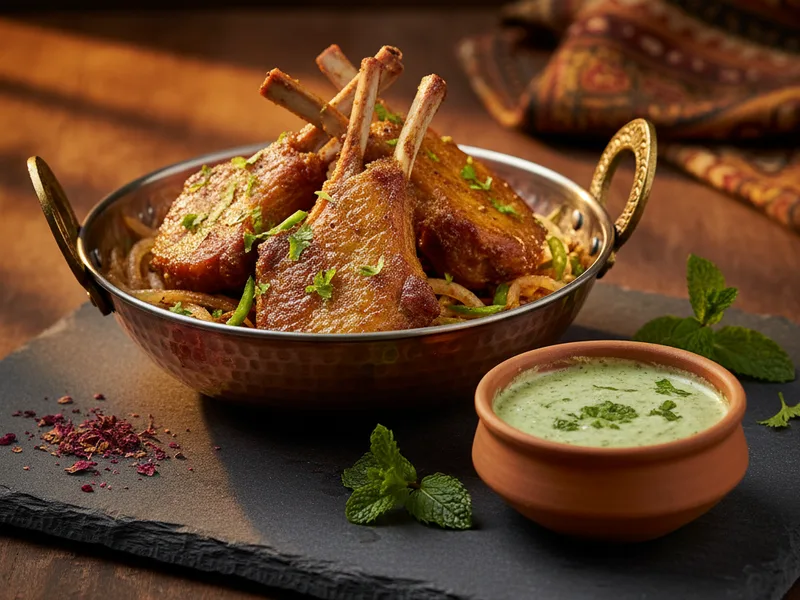
Tabak Maaz — Crispy Kashmiri Rib Chops
Kashmiri wazwan's beloved fried lamb ribs — par-boiled in a spiced milk broth until tender, then pan-fried in ghee until the exterior is caramelized and crackling. A dish of extraordinary textural contrast.
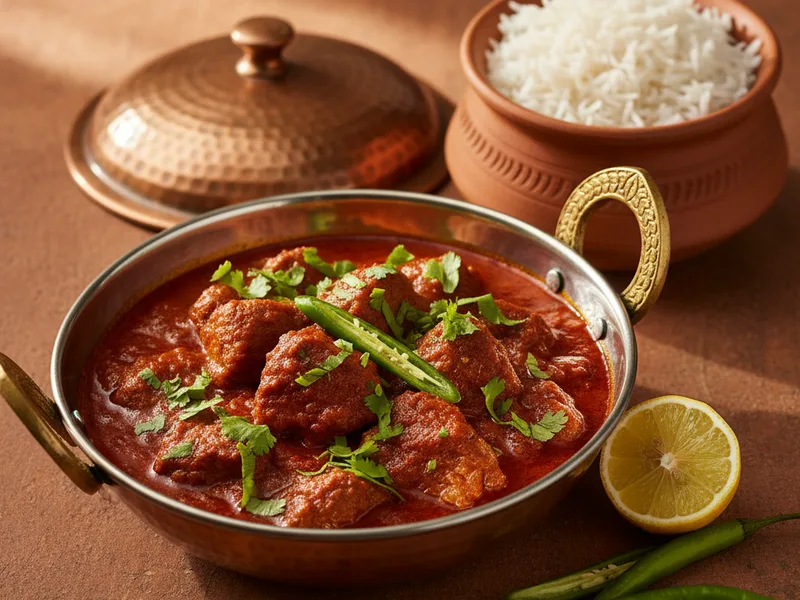
Kashmiri Rogan Josh — The Real Red Curry
Authentic Kashmiri rogan josh — its brilliant red color comes not from chili powder but from Kashmiri dried chilies (Kashmiri laal mirch) and dried cockscomb flowers (mawal), with no yogurt, no cream, and no tomatoes. This is the real thing.
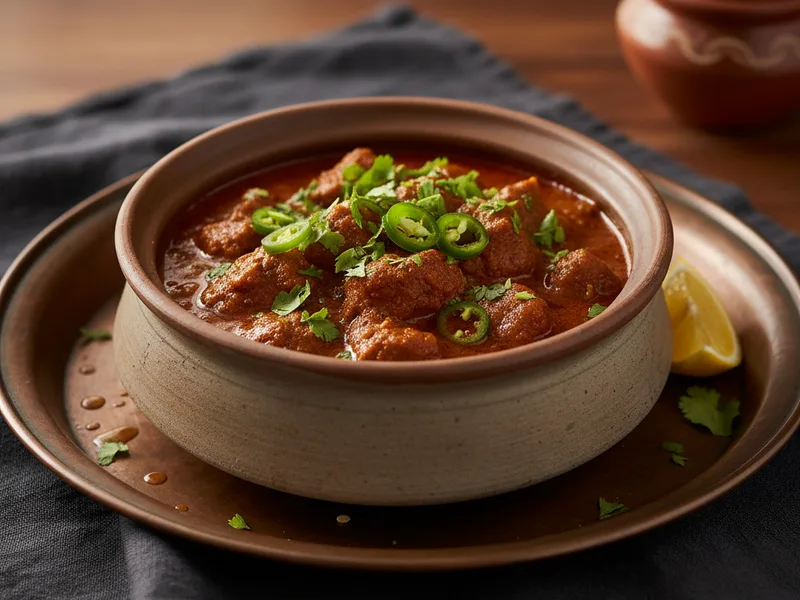
Lamb Rogan Josh — Home Cook Version
A home-friendly rogan josh that retains the authentic Kashmiri soul — Kashmiri chili paste, fennel, and dried ginger — while making a concession to accessibility with a small amount of yogurt for a richer, more forgiving gravy.
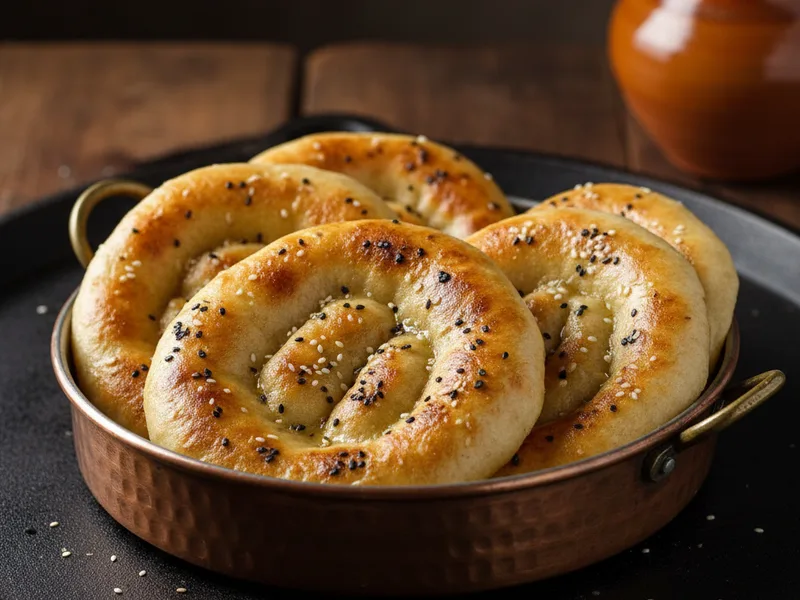
Hunza Chapshuro — Beef-Stuffed Mountain Bread
Hunza Valley's iconic stuffed flatbread — whole wheat dough filled with spiced minced beef and pan-cooked on a tawa. The mountain-traveler's complete meal in bread form, beloved from Gilgit-Baltistan to the surrounding KP regions.
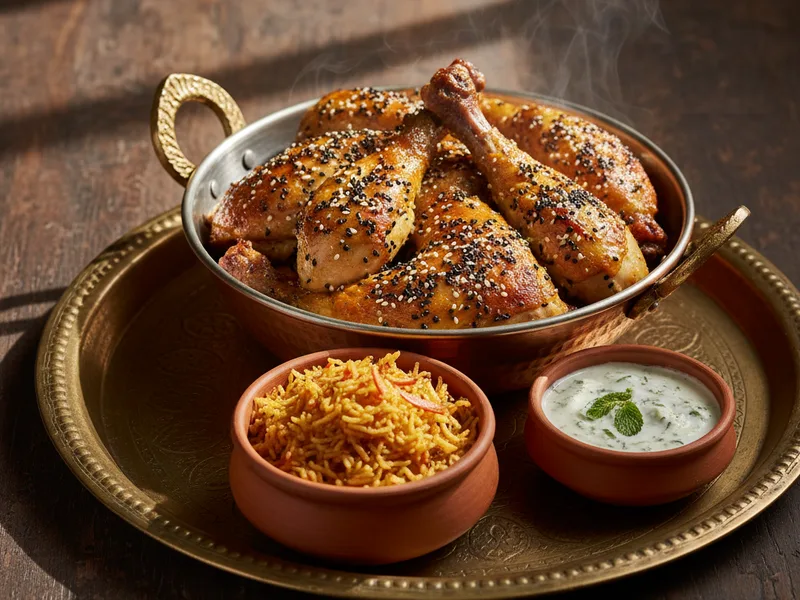
Chicken Chapshuro — Valley Variation
A lighter chicken-filled chapshuro — the minced chicken version popular in the tourist guesthouses of Hunza Valley, adapted for those who prefer poultry but still want the authentic stuffed mountain bread experience.
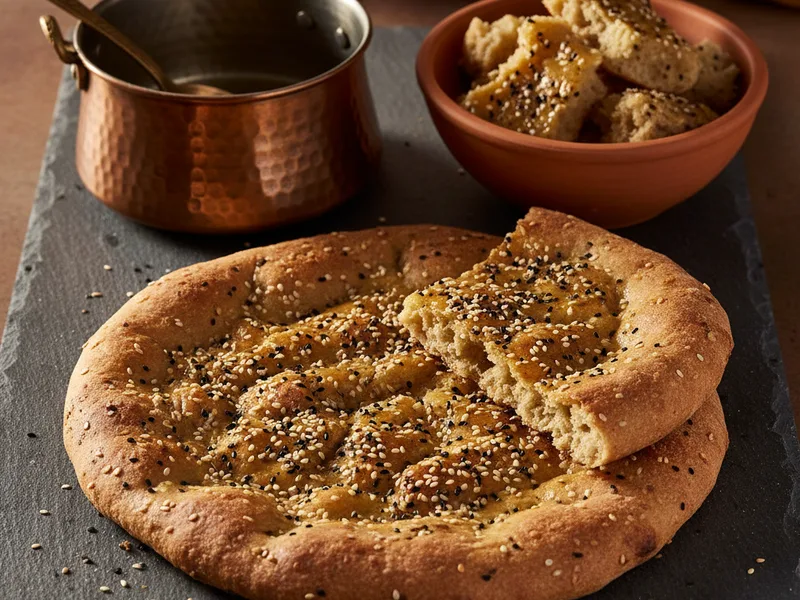
Balochi Kaak — The Desert Dry Bread
Balochistan's ancient hardtack-like dry bread — double-baked until completely moisture-free, it keeps for weeks without refrigeration and was the traditional bread of Baloch nomads, shepherds, and desert travelers.
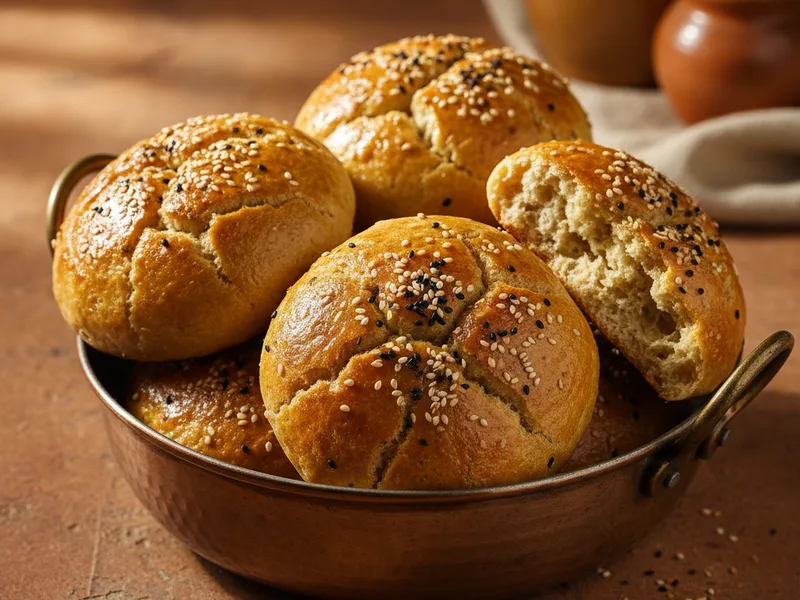
KP Kaak — Mountain Version
The KP mountain version of double-baked kaak — slightly richer with a touch of oil and sesame seeds, reflecting the different ingredients available to mountain communities compared to the desert Balochi version.
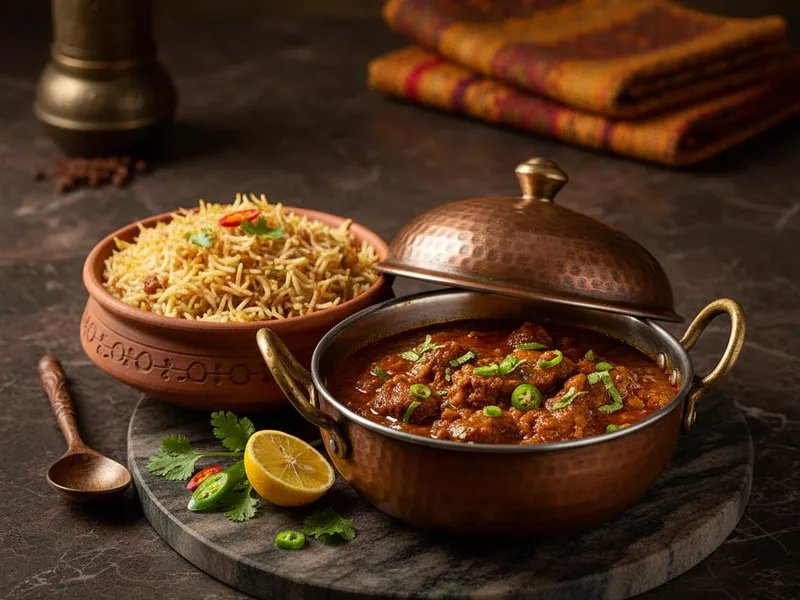
Landhi Karachi Style — Urban Revival
The Karachi urban interpretation of Balochi landhi — using commercially available dried mutton or quick-cure beef, cooked in a rich Sindhi-influenced masala that bridges the Balochi original with Karachi's cosmopolitan palate.
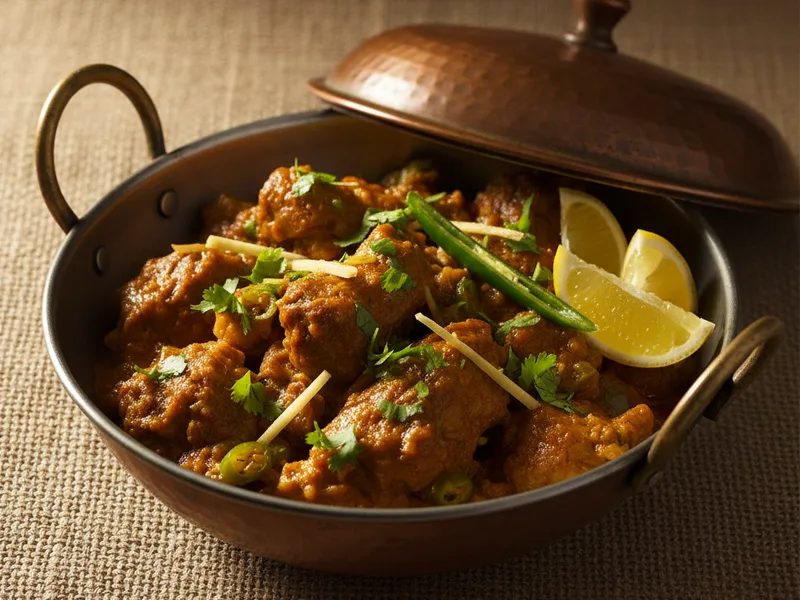
Shinwari Karahi — Peshawari Mountain Karahi
The legendary Shinwari karahi from Peshawar's Bara Road and Landi Kotal — made with fresh lamb in a karahi with only salt, ginger, green chilies, and tomatoes. No onion, no masala powder, no color. The purest karahi in Pakistan.
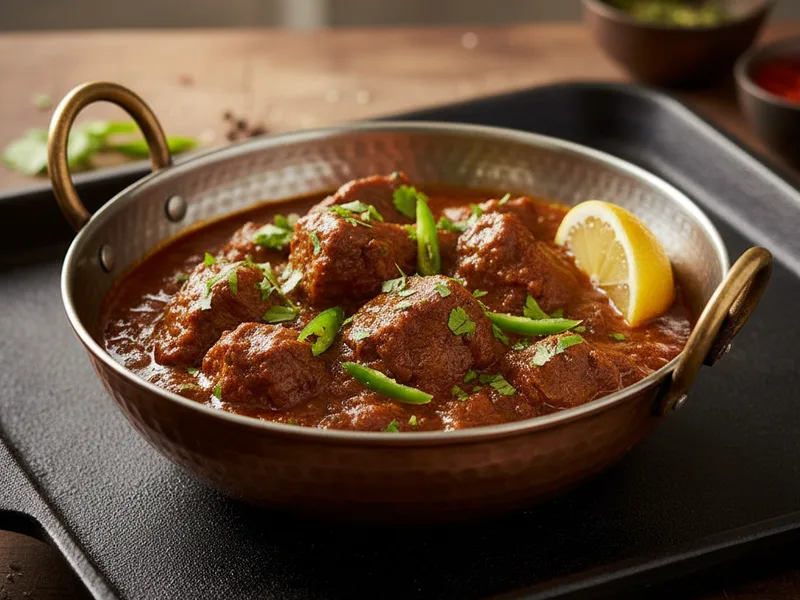
Pashtun Beef Karahi — Tribal Belt Style
The tribal belt beef karahi — made with fresh beef instead of the more common lamb, cooked over wood fire in a heavy iron karahi with the Pashtun spice philosophy of less-is-more.
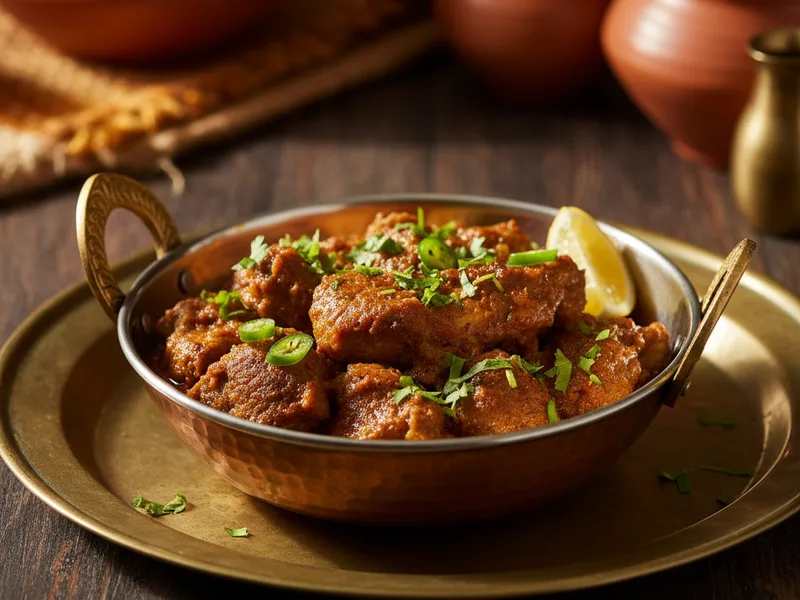
Balochi Gosht Karahi — Desert Style
Balochistan's version of gosht karahi — cooked with dumba (fat-tail sheep), finished with a distinct whole-spice profile and served with a drizzle of cold yogurt that cuts through the rich meat. Desert simplicity at its finest.
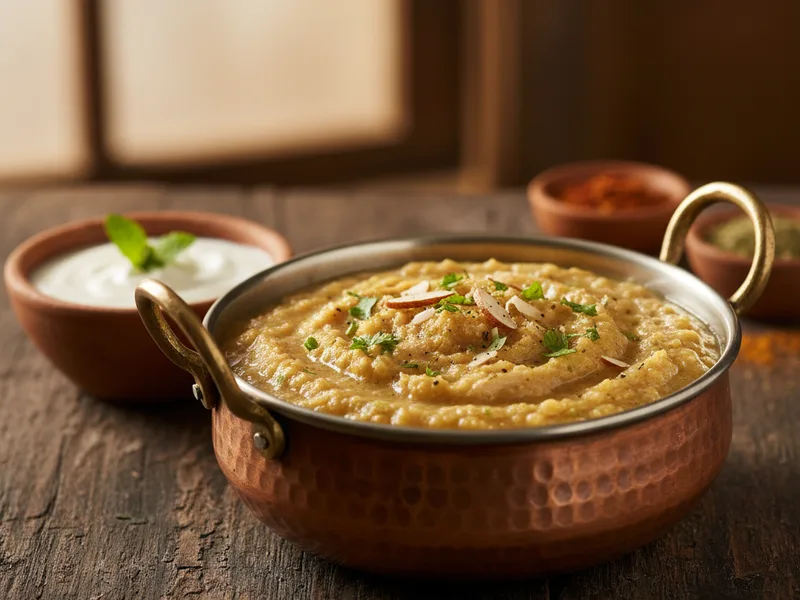
KP Chicken Hareesa — Lighter Version
A lighter, faster hareesa using chicken instead of mutton — delivering the same comforting wheat porridge in half the time, perfect for home cooks who want authentic KP breakfast flavors on a weekday morning.
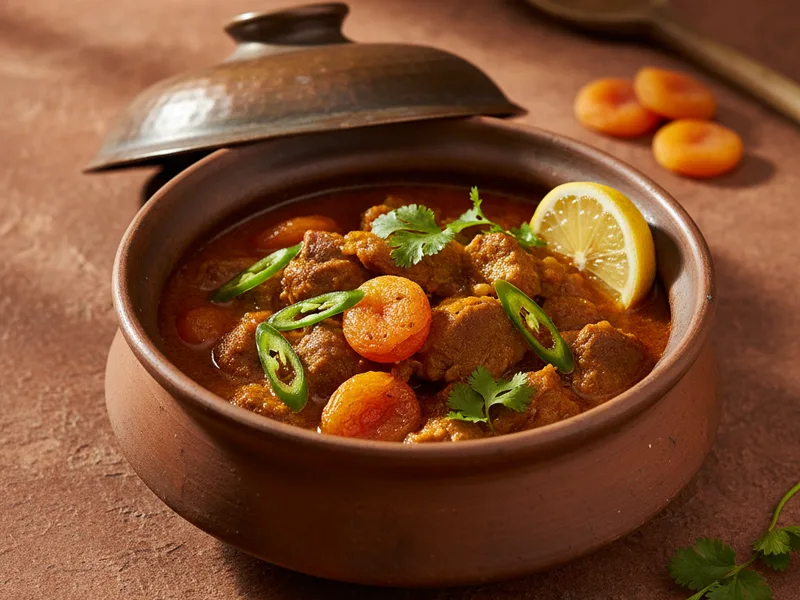
Gilgit Apricot Gosht — Mountain Fruit and Lamb
The extraordinary fruit-and-meat stew of Gilgit-Baltistan — lamb slow-cooked with dried apricots (khubani) until the fruit dissolves into a sweet-tart gravy that perfectly balances the rich meat. One of Pakistan's most unique and least-known dishes.
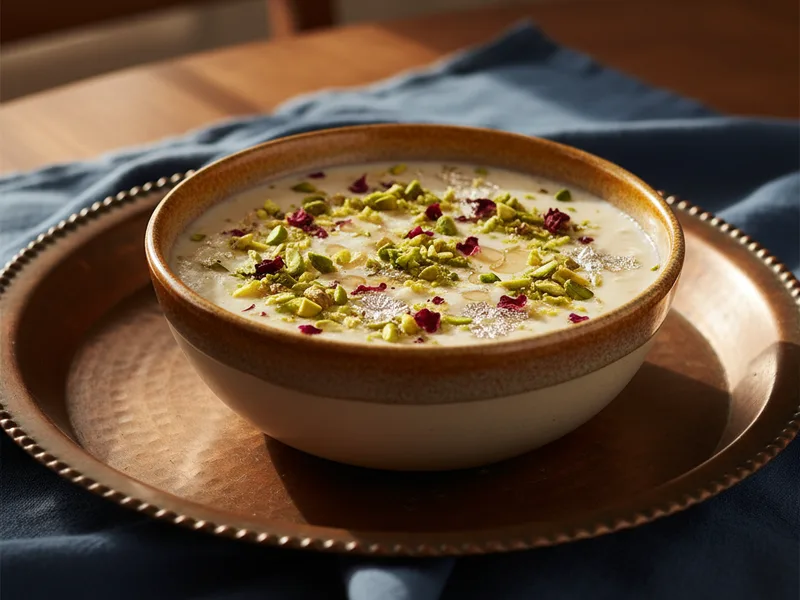
Badam Kheer (Almond Milk Pudding)
Luxurious badam kheer made with blanched almonds ground into a paste, simmered in full-fat milk with saffron and cardamom for a rich, nutty Pakistani dessert. Thicker than regular kheer and utterly indulgent, this is the dessert you serve when you want to impress.
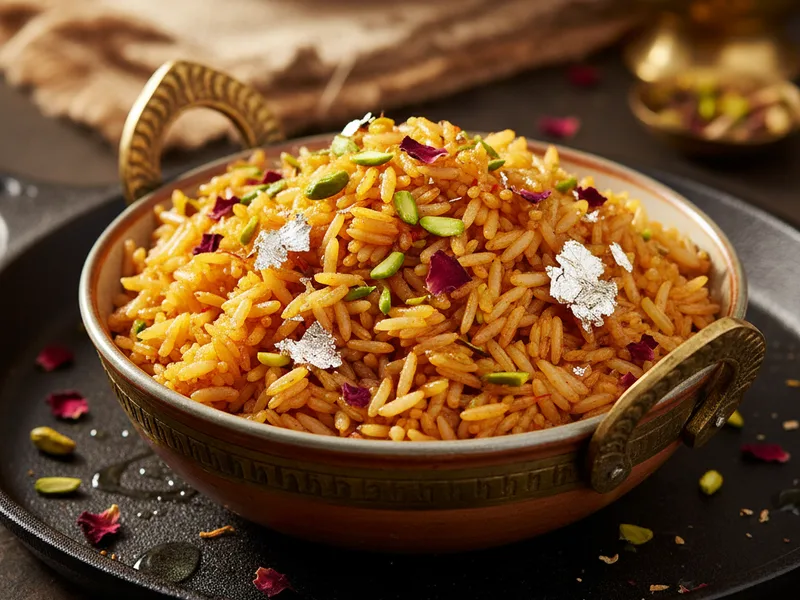
Zarda — Pakistani Wedding-Style Sweet Rice
Vibrant Punjabi wedding-style zarda made with fragrant basmati rice cooked in sugar syrup with saffron, fried in ghee and loaded with nuts, raisins and khoya for an indulgent celebration rice dessert. The showstopper at every Pakistani walima and mehndi.
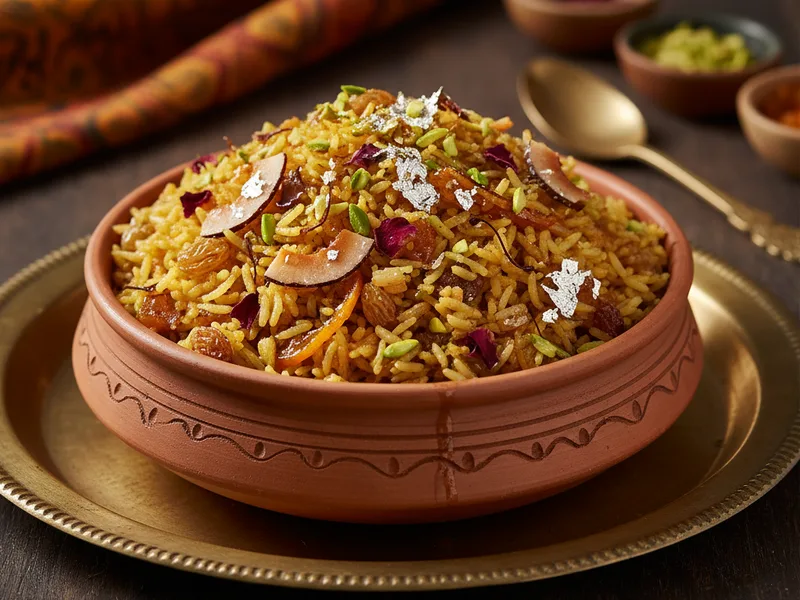
Sindhi Zarda — Fragrant Sweet Rice with Coconut
Sindhi-style zarda sets itself apart with the addition of fresh coconut and a heavier hand with rose water, creating a fragrant sweet rice dessert with a distinctly coastal character. Made for Sindhi celebrations and eid gatherings, this version is lighter on ghee but big on flavour.
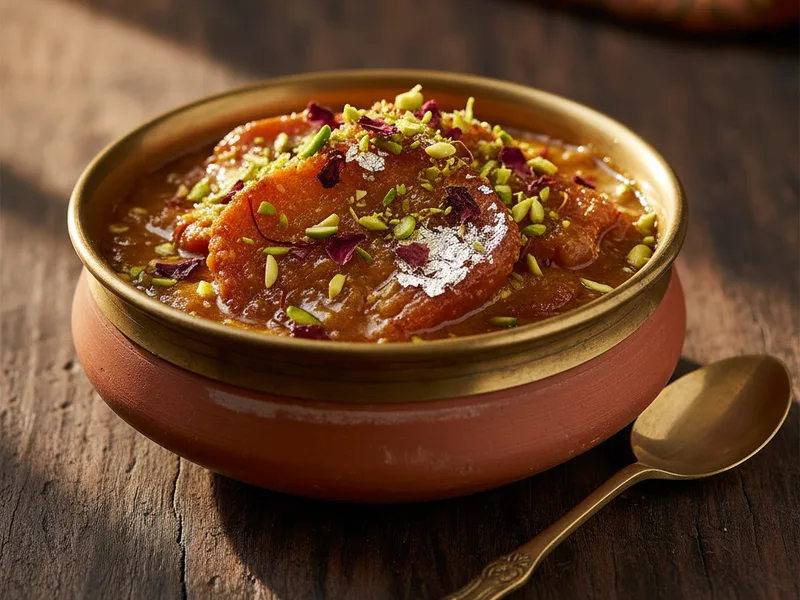
Shahi Tukda — Karachi Double Ka Meetha Style
Karachi's beloved shahi tukda features golden-fried bread soaked in saffron sugar syrup, then topped with thick condensed rabri and a crown of pistachios and silver leaf. Mogul-era luxury you can make at home in under an hour. Rich, sweet and completely unforgettable.
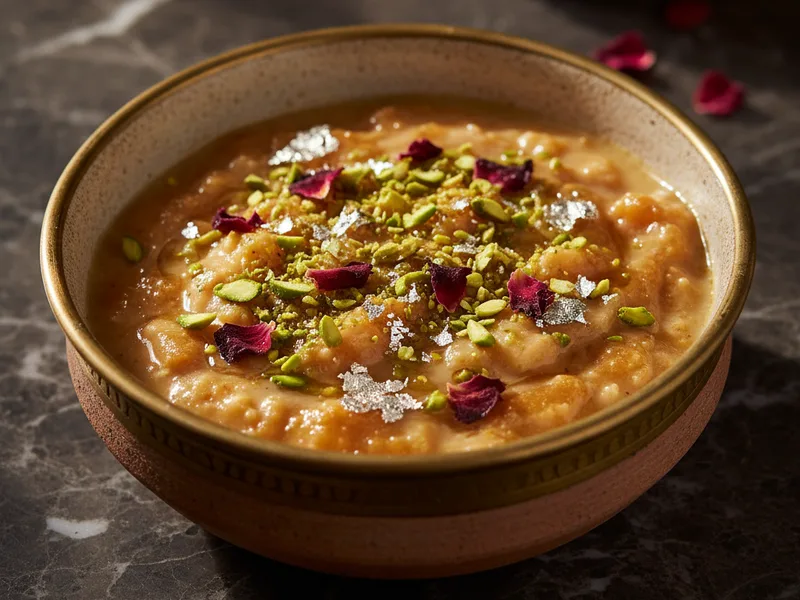
Creamy Rabri — Lahori Style
Lahori-style rabri made by slow-simmering full-fat milk for over an hour, constantly collecting the creamy skin layers to create a thick, textured, intensely flavourful condensed milk dessert. The base of countless Pakistani sweets and perfect eaten straight with a spoon.
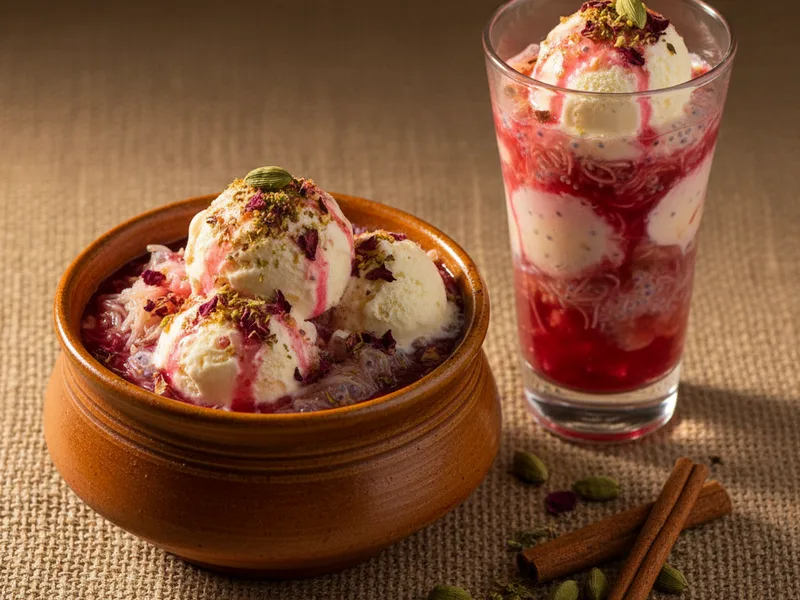
Karachi Falooda with Rose Syrup
Karachi's iconic falooda layered with rose syrup, chilled milk, basil seeds, vermicelli, and a crown of vanilla ice cream — the ultimate street food dessert drink. This layered glass of joy is what Karachi summers are made of, and now you can make it at home.
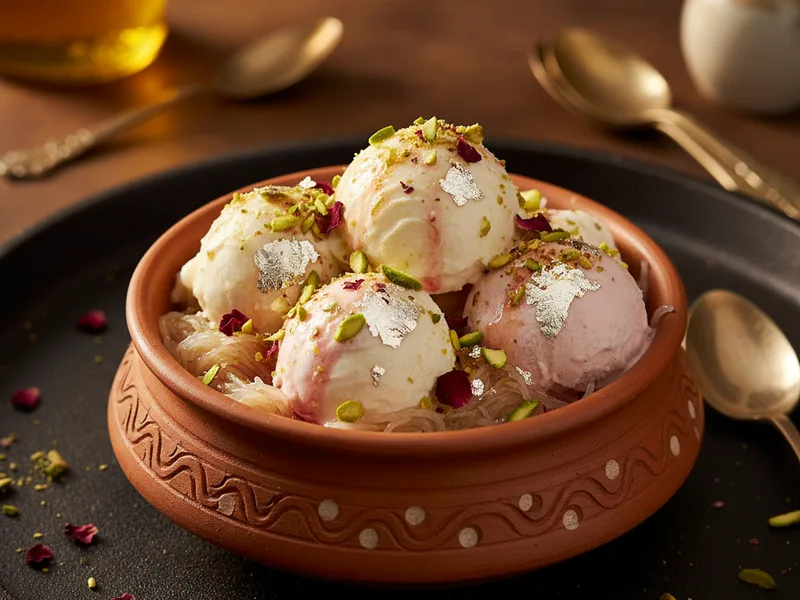
Kulfi Falooda — Classic Street Style
Street-style kulfi falooda with dense, creamy cardamom-saffron kulfi served alongside chilled falooda sev, rose syrup and soaked basil seeds in cold milk. The ultimate Pakistani frozen dessert experience — richer than ice cream, more complex than a sundae.
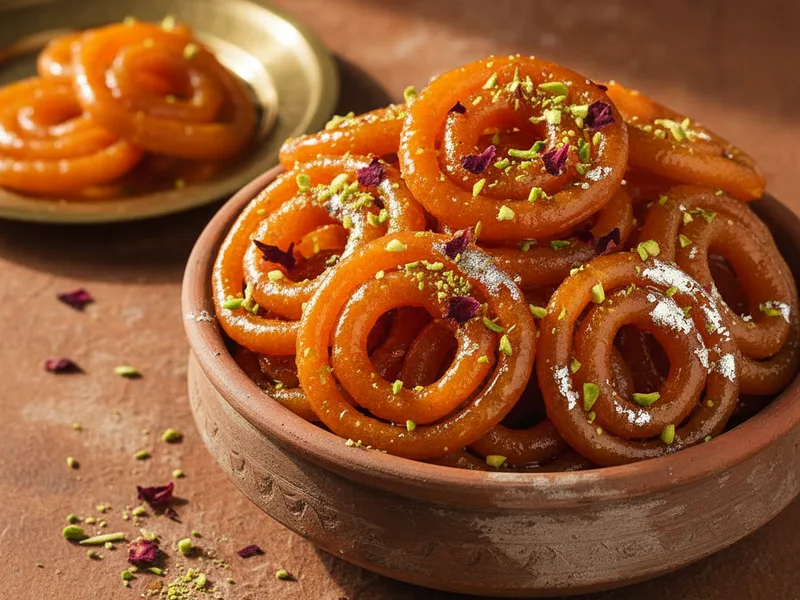
Instant Jalebi — Crispy Homemade in 30 Minutes
Crispy, bright orange instant jalebi made with a quick yeast-free batter that's ready in 15 minutes, piped into hot oil in concentric circles and soaked in saffron-cardamom sugar syrup. Breakfast, snack, or dessert — jalebi never asks for permission.
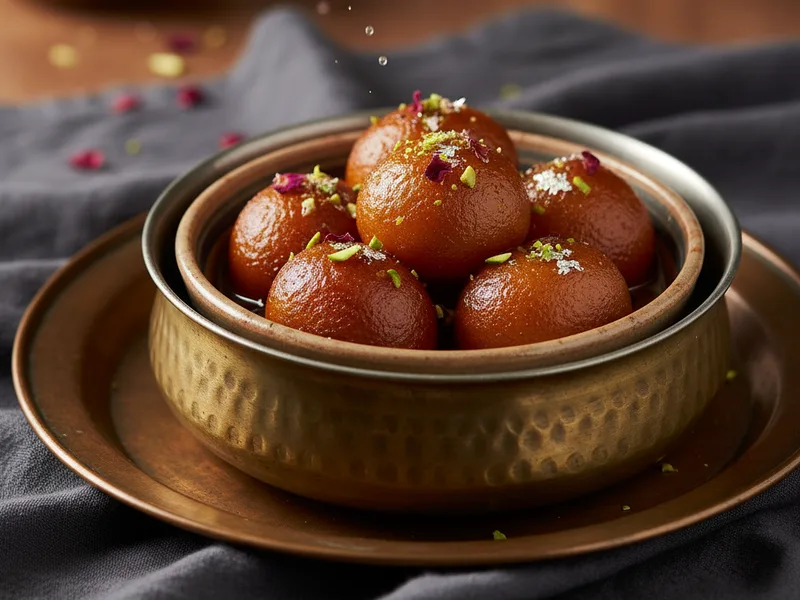
Soft Gulab Jamun — Perfect Every Time
Melt-in-your-mouth gulab jamun made from khoya and flour, deep-fried to a deep brown and soaked in saffron-rose sugar syrup until plump and syrup-soaked. The most universally loved Pakistani dessert — at every wedding, eid, and celebration table for a reason.
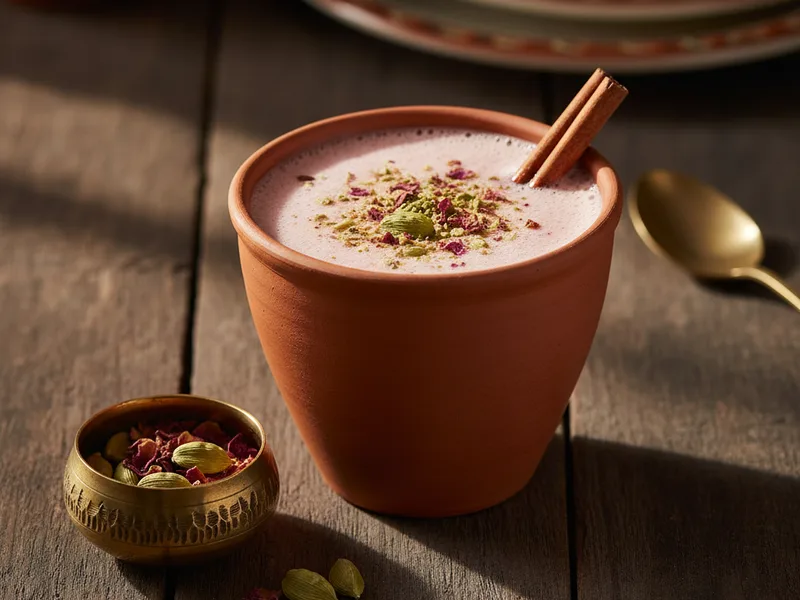
Kashmiri Pink Chai — Noon Chai
Authentic Kashmiri noon chai (pink tea) made by brewing Kashmiri gunpowder tea with baking soda until it turns deep red, then adding cold milk which magically transforms it into a beautiful rose-pink colour. Served salted and topped with cream and crushed pistachios.
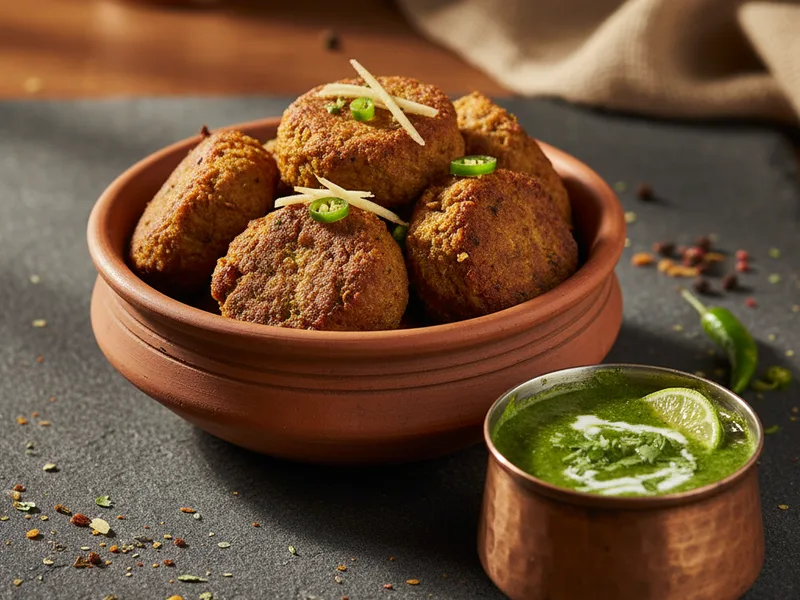
Lahori Shami Kebab — A Classic Variation
Classic Lahori-style shami kebab made with beef mince and chana dal slow-cooked with whole spices, ground and shaped into patties and fried to a golden crust. Served with green chutney and salad, this is Punjab's favourite kebab — at every dawat table from Lahore to Faisalabad.
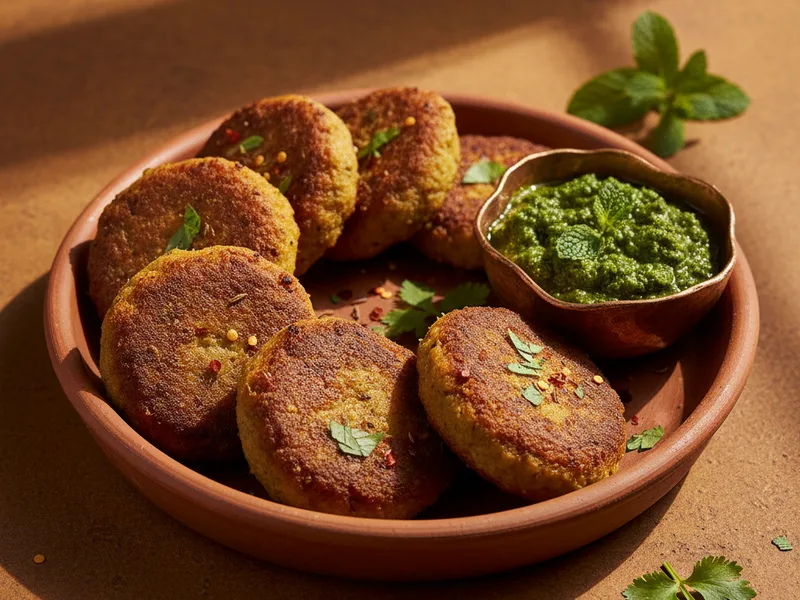
Sindhi Shami Kebab — with Potato
Sindhi-style shami kebab sets itself apart by incorporating boiled aloo (potato) into the mince mixture, making it softer, more economical, and distinctly texturally different from Punjabi versions. Cooked with a Sindhi spice profile and served with Sindhi-style green chutney.
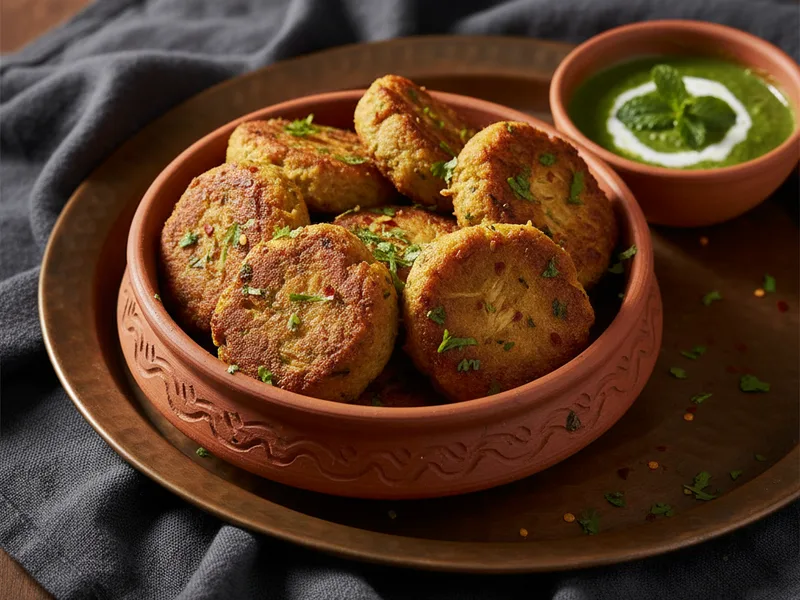
Chicken Shami Kebab
Light and flavourful chicken shami kebab made with chicken mince and chana dal, seasoned with fresh herbs and whole spices. A leaner alternative to the classic beef version that is quicker to cook, easier to shape, and just as delicious with green chutney.
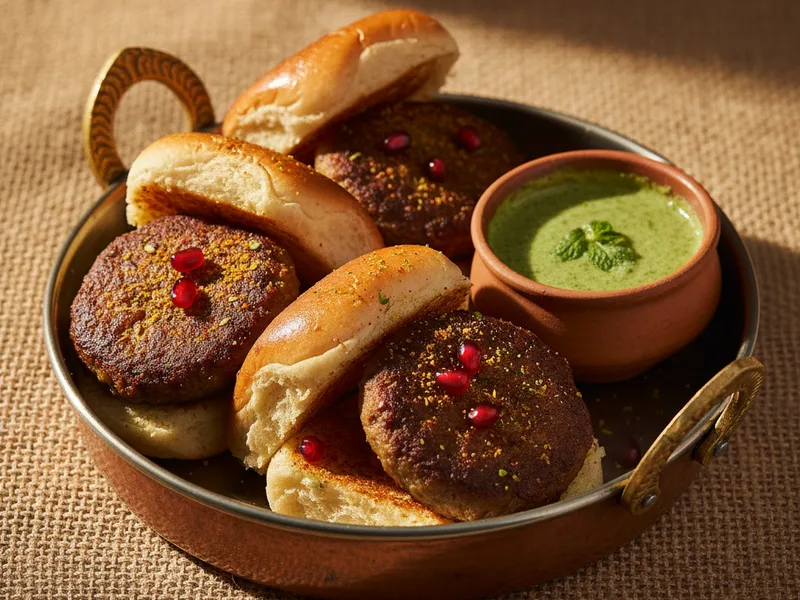
Bun Kebab Lahori Style
Lahori bun kebab featuring a spiced shami-style patty and an egg omelette tucked into a toasted bun with tamarind chutney, green chutney, pickled onions and chaat masala. Punjab's answer to the burger — messier, spicier, and infinitely more satisfying.
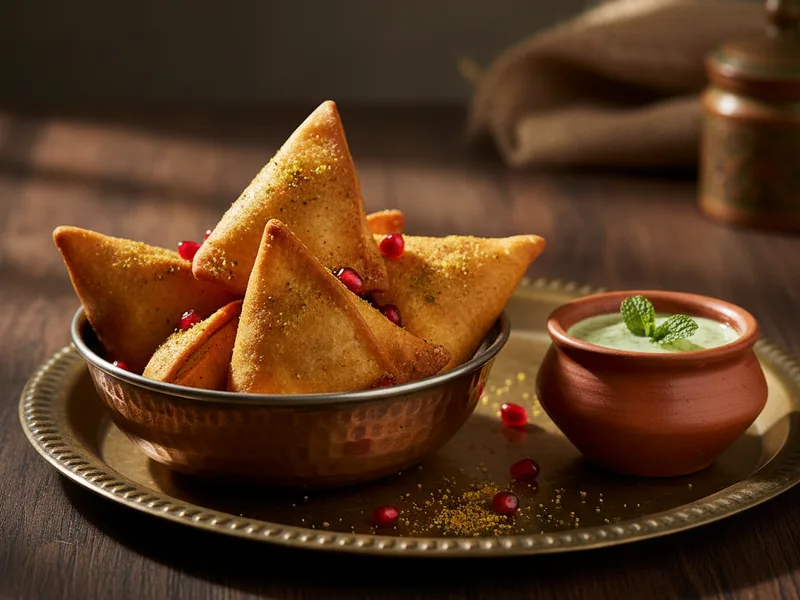
Keema Samosa — Lahori Street Style
Crispy Lahori keema samosa filled with spiced beef mince cooked with peas, green chilli and fresh coriander, wrapped in a flaky homemade pastry and deep-fried to golden perfection. The ultimate Ramadan iftaar snack and Pakistani party food that disappears in minutes.
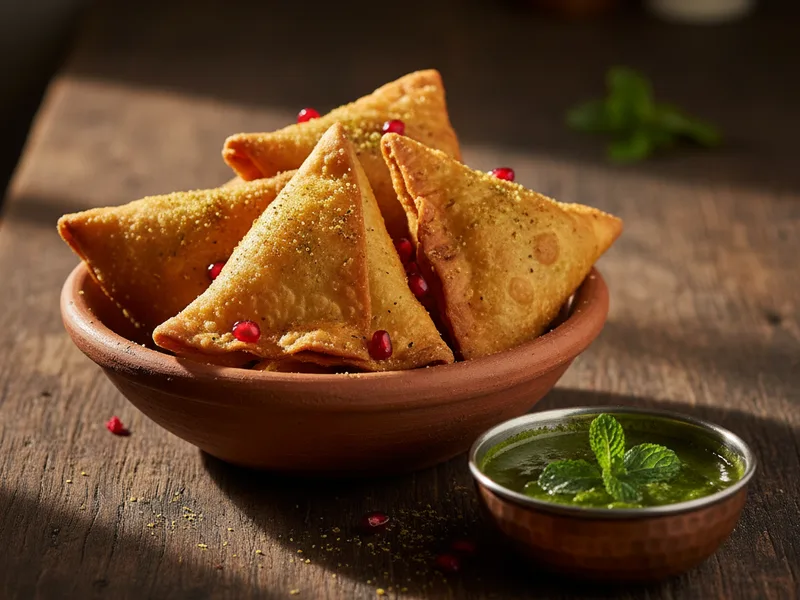
Aloo Samosa — Sindhi Style
Sindhi-style aloo samosa with a spiced potato and onion filling flavoured with amchur (dried mango powder), cumin and coriander seeds, wrapped in a thin crispy pastry. Slightly tangier and more cumin-forward than Punjabi versions — the Sindhi approach to a pan-Pakistani classic.
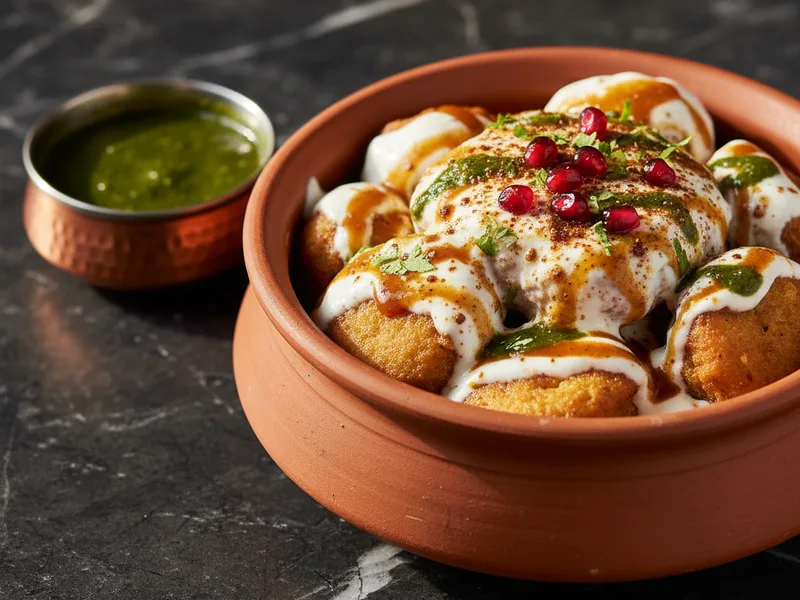
Lahori Dahi Bhalla — Classic White Style
Authentic Lahori dahi bhalla — fluffy urad dal dumplings soaked in water, pressed and nestled in thick sweet yoghurt, crowned with tamarind chutney, green chutney, roasted cumin and a dusting of red chilli. The iconic white yoghurt-based chaat that Lahori dawats are incomplete without.