
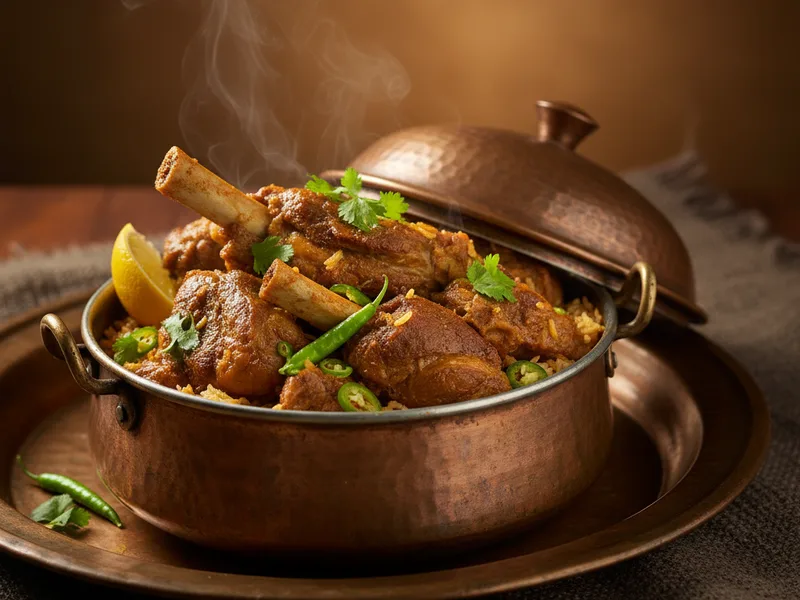
Balochistan cuisine
Balochi Dampukht Mutton
Balochi Dampukht Mutton is a traditional Balochistan Pakistani dish. The ancient Balochi slow-cooked sealed meat — dampukht means 'cooked in its own steam' and this dish delivers mutton of extraordinary tenderness with minimal spicing and maximum natural flavour.
Dampukht is Balochistan's greatest culinary contribution to Pakistan's food heritage.
The technique of sealing a pot and letting food cook in its own steam is one of the oldest cooking methods in the region, predating the Mughal era. The name is Persian — 'dam' (breath/steam) + 'pukht' (cooked) — and the technique is ancient: meat is sealed in a heavy pot with minimal ingredients and cooked in its own steam for hours until it becomes sublimely tender. No water is added. The meat's own moisture, fat, and the juices of the aromatics are sufficient. What emerges is meat that has been transformed by time and heat into something that barely needs chewing — it simply falls from the bone. Fun fact: dampukht-style cooking was likely the primary cooking method in Balochistan for thousands of years, developed by nomadic communities who needed to cook meat without abundant water or fuel. The sealed pot maximised efficiency by containing every drop of moisture and every unit of heat. This recipe carries a 'hard' rating not because the technique is complex — it isn't — but because the patience required is formidable. 4-6 hours of cooking with a sealed pot that you cannot open. Most people can manage the technique. Fewer can manage the patience.
Ingredients
Instructions
- MARINATE THE MEAT: Rub mutton pieces generously with salt and black pepper. Let rest for 30 minutes minimum — 2 hours in the fridge if time allows. HINT: This pre-salting is the only seasoning that penetrates the meat's interior. Don't rush it.
- LAYER IN THE POT: In a heavy, thick-walled pot (clay is traditional, Dutch oven is excellent), layer: first the ghee, then sliced onion, ginger, garlic, bay leaves, and black cardamom. Place the seasoned mutton pieces on top. No water. No additional liquid of any kind.
- SEAL COMPLETELY: Make a stiff dough from aata with minimal water. Roll into a rope and press firmly around the entire rim of the pot to create an airtight seal with the lid. The seal must be complete — test by looking for gaps and filling them with more dough. HINT: This seal is the entire technique. Dampukht without a proper seal is just regular boiling.
- VERY LOW HEAT — HOURS OF PATIENCE: Place sealed pot on the absolute lowest heat possible. Traditional Balochi dampukht uses dying embers or an extremely low fire. Optionally, place a tawa (flat griddle) between the flame and the pot for even more gentle heat. Cook for 4-6 hours. DO NOT OPEN. HINT: If you have an oven, preheat to 150°C (300°F) and place the sealed pot inside — this gives even gentler heat than most stovetops.
- TEST WITHOUT FULLY OPENING: After 4 hours, carefully crack the seal slightly and insert a knife through to feel the meat. If the knife meets zero resistance, the meat is done. If there's any firmness, re-seal with fresh dough and cook another 60-90 minutes.
- BREAK THE SEAL AT TABLE: The meal should be unveiled at the table. Break the seal dramatically — the aroma released is extraordinary. Adjust salt if needed (it won't need much). Garnish with hara dhania and serve with lemon wedges.
Chef's Secrets
- A Dutch oven or clay pot works better than thin metal — thicker walls distribute heat more evenly for the long cook.
- The oven method (150°C for 4-5 hours) is actually more reliable than stovetop for maintaining the right temperature.
- Every ounce of moisture in dampukht comes from the meat itself — the seal prevents any evaporation, so the pot should have significant liquid when opened.
- Balochi dampukht is traditionally eaten communally from the pot with bread as the scoop — no plates needed.
Common Questions
How long does Balochi Dampukht Mutton take to make?
Total time is 6h 20m — 20m prep and 6h cooking.
How many servings does this recipe make?
This recipe makes 6 servings, and is rated hard difficulty.
Which region of Pakistan is Balochi Dampukht Mutton from?
Balochi Dampukht Mutton is from Balochistan, Pakistan — one of the country's most distinctive culinary traditions.
What do you serve with Balochi Dampukht Mutton?
Serve from the pot directly, with thick naan or lavash bread as the eating utensil. No accompaniments needed — the natural jus and rendered fat from the meat is the sauce. Lemon wedges and raw sliced onion on the side.
Goes Well With
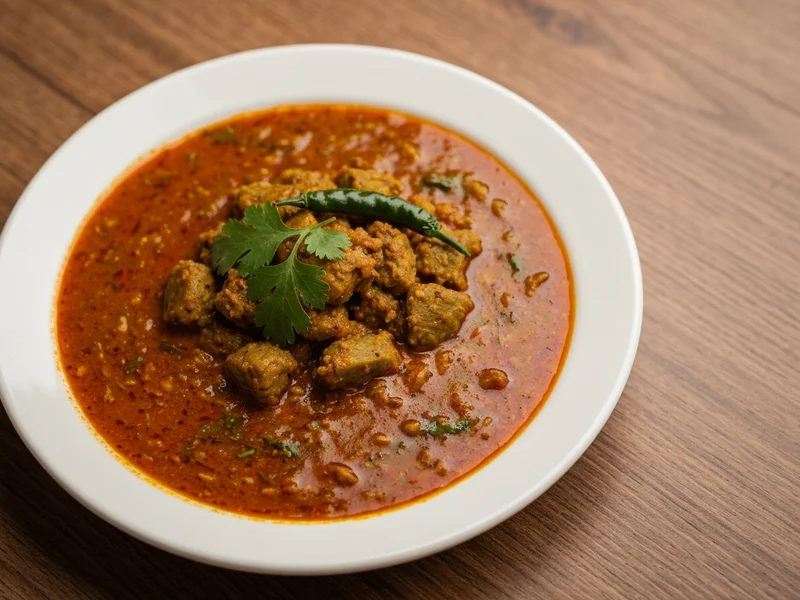
Balochi Dampukht
Balochistan's above-ground sealed-pot slow-cook — meat layered over charbi (sheep tail fat) with whole unpeeled vegetables, lid sealed with flour dough, cooked for 2-3 hours in its own steam with no added water. Salt and black pepper only. The charbi renders and bastes everything from below. NOT an underground dish — that is Khaddi Kabab.
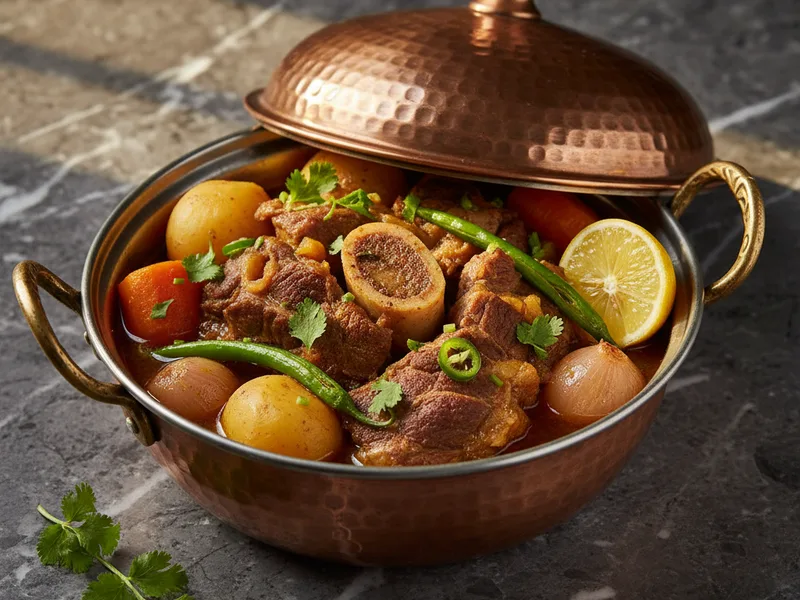
KP Dampukht Beef
KP's version of dampukht using beef — the Pashtun approach to sealed slow-cooked meat with slightly more whole spices than Balochistan, creating something with extra depth and warmth.
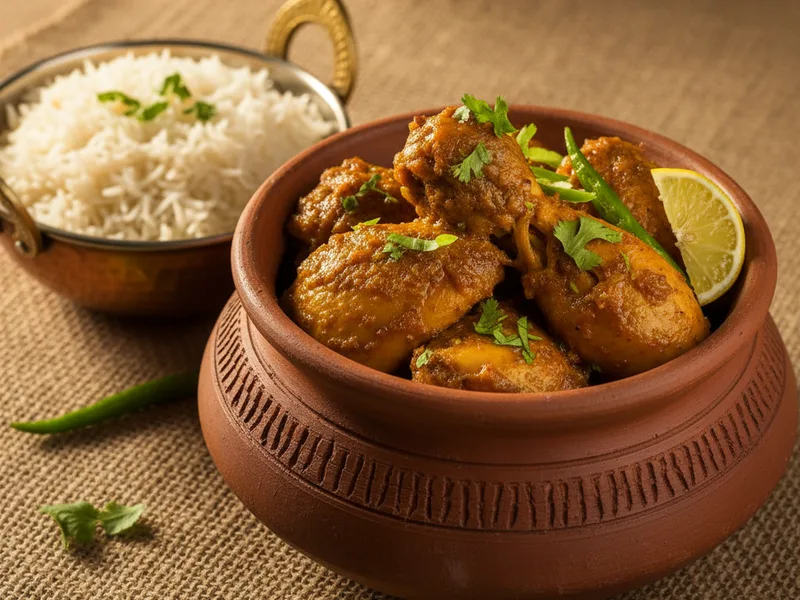
Slow Dum Chicken
Punjab's take on dum cooking applied to chicken — yogurt-marinated chicken sealed and slow-cooked so every piece is impossibly tender and infused with spiced aromatics. Restaurant quality at home.
What Cooks Are Saying
Made this last weekend and the whole family loved it. Will definitely make again.
Nice recipe. I substituted one ingredient and it still came out great.
Really good recipe. I reduced the chilli slightly for the kids and it worked perfectly.
Leave a Review
Tried this recipe? Share your experience — your review helps other cooks.