
Punjab cuisine
Punjabi Maash Ki Dal
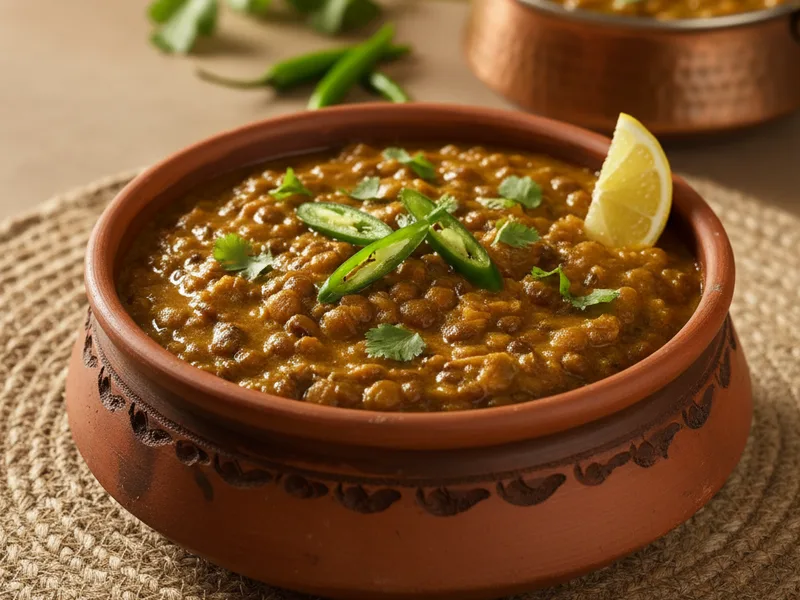
Punjabi Maash Ki Dal is a traditional Punjab Pakistani dish. Punjabi Maash Ki Dal is a creamy, protein-rich urad dal slow-cooked with aromatic spices and finished with a sizzling tarka. This beloved comfort dish is a staple of Punjabi households and dhaba culture alike.
If there's one dal that Punjabis will defend with their lives, it's maash ki dal.
In Punjabi culture, maash ki dal cooked in ghee was traditionally the first solid food fed to new mothers — the combination of protein, fat, and warming spices was considered medically restorative. Made from sabut maash (whole urad/black gram), this dal is thick, earthy, and deeply satisfying — the kind of thing your nani would make on a cold winter evening. Fun fact: urad dal is one of the oldest cultivated legumes in South Asia, used in Ayurvedic medicine for centuries. It's packed with protein, iron, and B-vitamins, so you're basically eating a multivitamin that tastes incredible. The trick to a great maash ki dal? Patience. Low and slow is the way — let those lentils get so soft they practically melt. Don't rush the tarka either; that sizzle of zeera (cumin) hitting hot ghee is the moment the magic happens. First-timers, don't be intimidated — this is a forgiving dal and you'll nail it.
Ingredients
Instructions
- SOAK AND BOIL: Drain soaked maash and add to a pot with 700ml water, haldi, and a pinch of salt. Bring to boil, then simmer covered for 40-50 minutes until very soft. HINT: Pressure cook for 2 whistles to save time.
- MAKE THE MASALA: In a karahi (wok), heat 2 tbsp ghee. Add sliced piyaz and cook on medium heat until golden brown, about 8-10 minutes. Add adrak lahsun paste and cook 2 minutes until raw smell disappears.
- ADD TAMATAR AND SPICES: Add chopped tamatar, laal mirch powder, and namak. Cook on medium-high heat, mashing the tomatoes, until oil separates from the masala — about 8 minutes. This step is crucial for flavour depth.
- COMBINE DAL AND MASALA: Add the boiled maash to the masala. Mix well and simmer together for 10-15 minutes, stirring occasionally. Add more water if it gets too thick.
- PREPARE THE TARKA: In a small tawa or ladle, heat remaining 1 tbsp ghee until very hot. Add zeera — it should sizzle immediately. Add slit hari mirch and cook 30 seconds.
- FINISH AND SERVE: Pour the sizzling tarka directly onto the dal. Top with chopped hara dhania. Serve immediately with roti or rice.
Chef's Secrets
- Soaking the dal overnight reduces cooking time by half and makes it easier to digest
- For a creamier texture, mash some of the cooked dal with the back of a spoon before combining with masala
- A squeeze of lemon juice at the end brightens all the flavours
- Leftover dal thickens overnight — add a splash of water when reheating
Common Questions
How long does Punjabi Maash Ki Dal take to make?
Total time is 1h 15m — 15m prep and 1h cooking.
How many servings does this recipe make?
This recipe makes 4 servings, and is rated easy difficulty.
Which region of Pakistan is Punjabi Maash Ki Dal from?
Punjabi Maash Ki Dal is from Punjab, Pakistan — one of the country's most distinctive culinary traditions.
What do you serve with Punjabi Maash Ki Dal?
Serve with fresh tandoori roti, a side of achaar (pickle), and sliced raw piyaz. A dollop of extra ghee on top is traditional and absolutely worth the calories.
Goes Well With
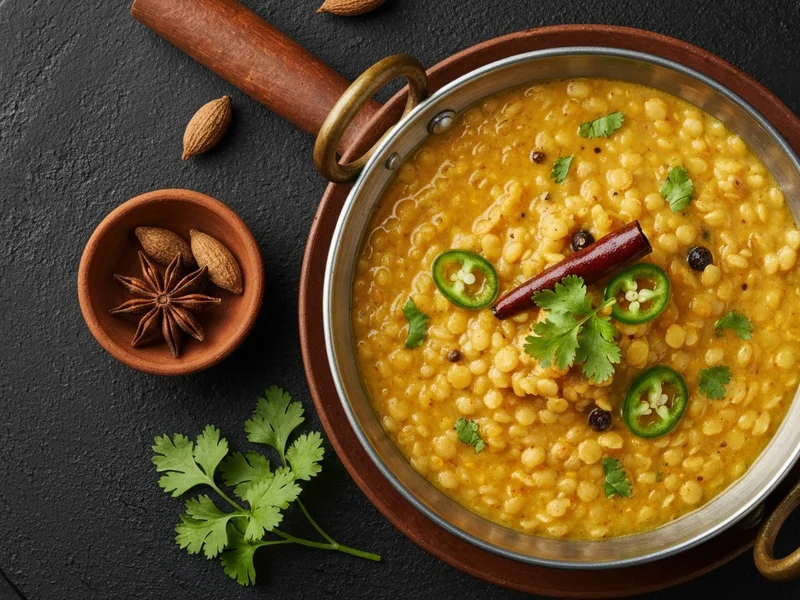
Daal Mash — White Lentil Dal with Tarka
Daal Mash is Pakistan's most beloved weeknight comfort food — creamy white lentils slow-cooked until silky smooth, finished with a sizzling tarka (tempering) of ghee, fried onion, garlic, and whole red chillies. Pair with plain chawal (rice) for the Pakistani meal that fixes everything.
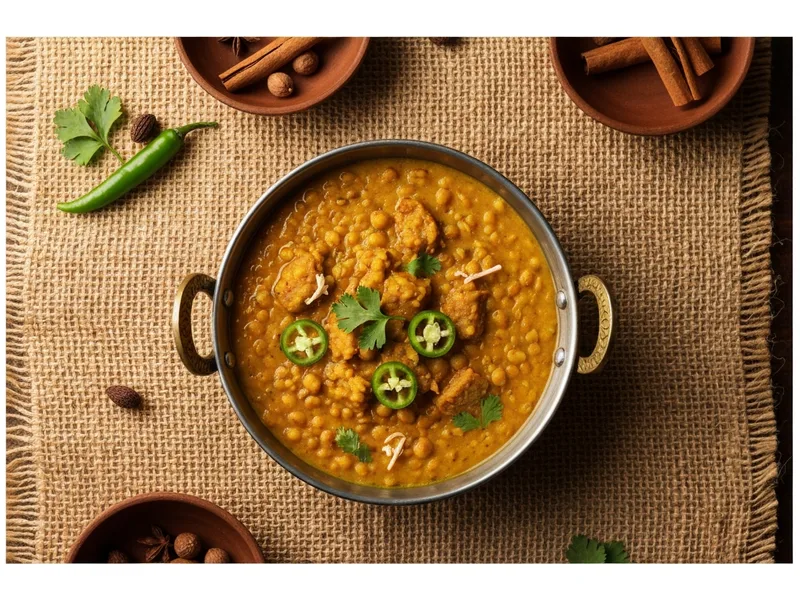
Daal Chana (Chanay Ki Daal)
Hearty, nutty split yellow chickpea daal — slow-cooked until thick, with optional lauki (bottle gourd) and a rich ghee tarka. Pakistan's most substantial everyday daal.
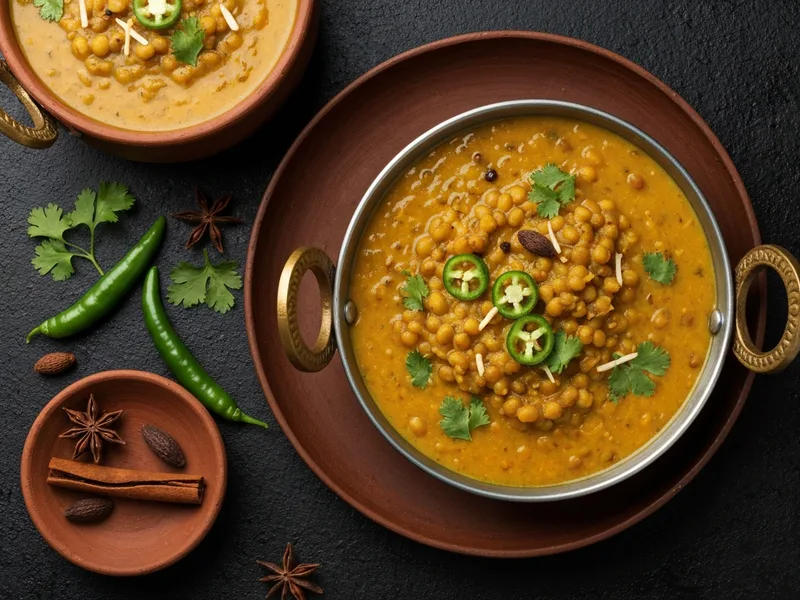
Daal Moong (Moong Ki Daal)
Light, mild, and deeply comforting split mung bean daal — the gentlest daal in the Pakistani kitchen, ready in 25 minutes with a simple cumin-garlic tarka. Perfect for children, the unwell, and anyone craving something uncomplicated.
What Cooks Are Saying
I've tried many recipes for this dish but this one is the best by far.
Nice recipe. I substituted one ingredient and it still came out great.
Leave a Review
Tried this recipe? Share your experience — your review helps other cooks.