
Punjab cuisine
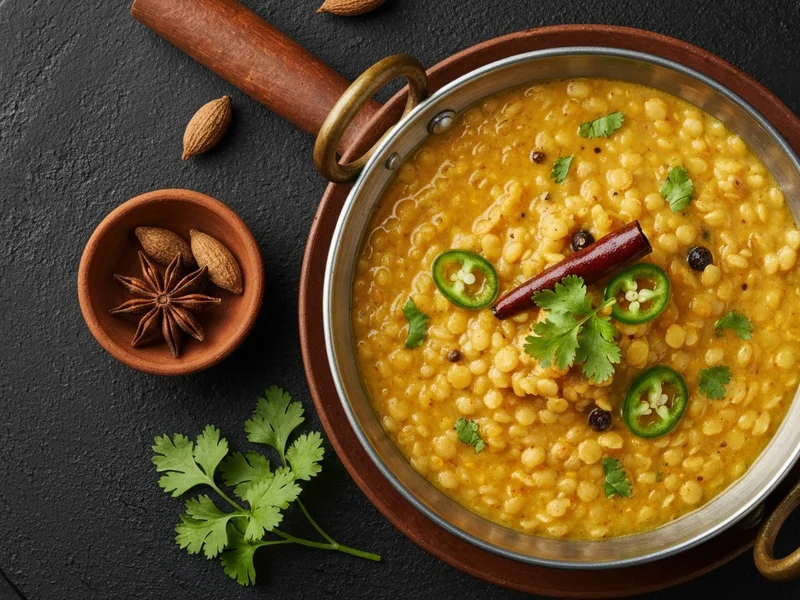
Daal Mash — White Lentil Dal with Tarka
Daal Mash — White Lentil Dal with Tarka is a traditional Punjab Pakistani dish. Daal Mash is Pakistan's most beloved weeknight comfort food — creamy white lentils slow-cooked until silky smooth, finished with a sizzling tarka (tempering) of ghee, fried onion, garlic, and whole red chillies. Pair with plain chawal (rice) for the Pakistani meal that fixes everything.
Ask any Pakistani what their ammi (mother) made on a quiet Tuesday and the answer is almost always daal chawal.
It's humble food that refuses to be embarrassed about it. Daal Mash is richer and creamier than yellow lentils because urad dal has a higher natural starch content — it becomes almost velvety when cooked slowly. The magic, though, is all in the tarka: hot ghee crackling with fried garlic, onion, and dried red chillies poured over the finished dal with a theatrical sizzle. That sizzle is the sound of Pakistani cooking at its most honest.
Ingredients
Instructions
- SOAK AND PREP THE DAAL: Measure the daal mash into a bartan (bowl) and rinse under cold water, stirring with your hand, until the water runs mostly clear — this removes excess starch and any dust. Cover with fresh cold water and soak for 30 minutes. WHY: Soaking reduces cooking time significantly and helps the lentils cook evenly so you don't get a mix of mushy outer lentils and hard centres. Drain before cooking. HINT: If you forgot to soak, you can cook unsoaked lentils — just add 15-20 extra minutes and a bit more water.
- COOK THE LENTILS: Add the soaked, drained daal mash to a pateela (saucepan) with 600ml of cold water, half a teaspoon of haldi (turmeric), and half a teaspoon of namak. Bring to a boil over high heat — you'll see foam rise to the top. Skim it off with a chamcha (ladle). WHY: That foam is coagulated protein from the lentils — removing it makes the final daal cleaner and less bitter. Once skimmed, reduce heat to low, cover partially, and simmer for 25-30 minutes until the lentils are completely soft and beginning to break down.
- FRY THE BASE MASALA: While the daal simmers, heat 2 tablespoons of ghee in a separate karahi (wok) or heavy pan over medium-high heat. Add the finely chopped pyaz (onion) and fry, stirring regularly, for 10-12 minutes until deep golden brown. HINT: Don't rush this step — pale fried onion gives your daal a raw, bitter taste. The onions should smell sweet and nutty, not sharp. Add the adrak lehsan paste and fry for another 2 minutes until the raw smell disappears. Add the chopped tamatar (tomatoes) and cook for 5-6 minutes, stirring often, until they completely break down into a thick masala. Add the lal mirch powder and cook for 1 minute more.
- COMBINE: Pour the cooked, soft daal into the masala karahi and stir well to combine. Add 100-150ml of hot water to reach your preferred consistency — Pakistanis generally like their daal mash quite thick, almost scoopable. Taste and adjust salt. Simmer together on low heat for 8-10 minutes so the lentils absorb the masala flavour. The daal should look creamy and cohesive, with the lentils mostly broken down but with some texture remaining. FUN FACT: This combining step — cooking the masala and lentils together — is what makes Pakistani daal different from many Indian versions where they're kept separate.
- MAKE THE TARKA — THE MAIN EVENT: Heat the remaining 2 tablespoons of ghee in a small tawa (flat griddle) or small pan over medium-high heat until it shimmers and begins to smoke very slightly. Add the thinly sliced lehsan (garlic) — it should sizzle loudly and immediately. Stir quickly and watch it — it goes from raw to golden to burnt in about 60 seconds. The moment it turns golden, add the sliced pyaz (onion) and fry, stirring constantly, for 3-4 minutes until crisp and brown. Add the whole sabut lal mirch (dried red chillies) — they will blister and darken in 30 seconds. HINT: Stay close and don't multitask during tarka. Burnt garlic is acrid and cannot be rescued.
- POUR AND SERVE: Transfer the daal to your serving bartan. Pour the hot tarka — ghee, crisp garlic, fried onion, and whole chillies — directly over the top. It will sizzle and splutter dramatically when it hits the daal — this is correct and delightful. Do not stir the tarka in — leave it sitting on top so guests can see it. Squeeze a tablespoon of nimbu (lemon) juice over, scatter with hara dhania (fresh coriander), and serve immediately. WHY: The sizzle of the hot tarka hitting the cooler daal is also doing actual cooking — the steam and heat briefly wilt the coriander and warm the surface, releasing more aroma.
Chef's Secrets
- The daal should be thick enough that it slowly slides off a spoon rather than dripping freely. If too runny, simmer uncovered for 5-10 more minutes. If too thick, add a splash of hot water.
- For restaurant-style creaminess, use a hand blender to blend about one-third of the cooked daal before adding the masala. The blended portion acts as a natural thickener.
- Always make the tarka in a separate small pan — never in the same pot as the daal. A dedicated tarka pan (any small pan) gets hot enough to properly fry the garlic and chillies.
- Leftover daal thickens dramatically in the fridge overnight. Reheat with a splash of water, stirring over low heat. It tastes even better the next day.
- This daal pairs perfectly with Guard Sella Basmati rice cooked plain. The ratio of daal to rice on the plate should be roughly equal — don't be shy with the dal.
Common Questions
How long does Daal Mash — White Lentil Dal with Tarka take to make?
Total time is 1h 15m — 35m prep and 40m cooking.
How many servings does this recipe make?
This recipe makes 4 servings, and is rated easy difficulty.
Which region of Pakistan is Daal Mash — White Lentil Dal with Tarka from?
Daal Mash — White Lentil Dal with Tarka is from Punjab, Pakistan — one of the country's most distinctive culinary traditions.
What do you serve with Daal Mash — White Lentil Dal with Tarka?
Serve over plain steamed chawal (rice) with a side of achar (pickle) and a glass of lassi. Also excellent with plain naan or roti. A fried egg on top is a popular Lahori addition for breakfast.
Goes Well With
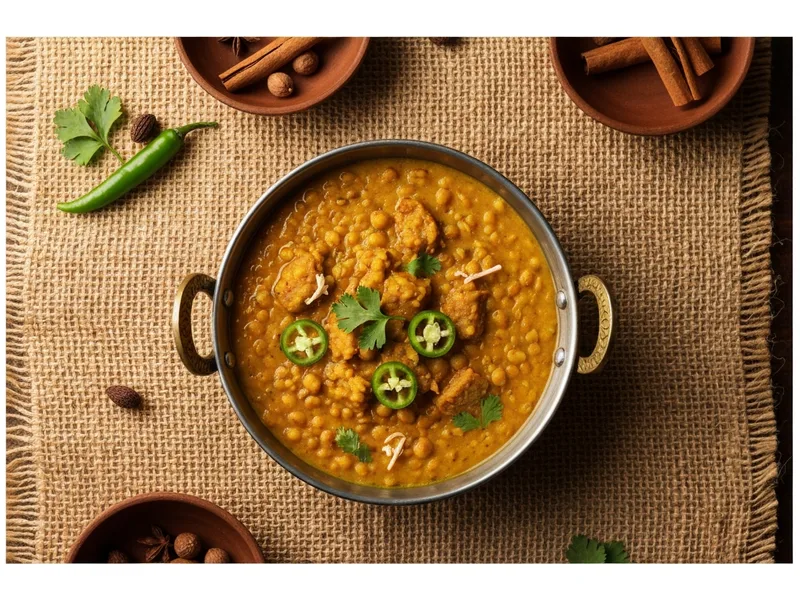
Daal Chana (Chanay Ki Daal)
Hearty, nutty split yellow chickpea daal — slow-cooked until thick, with optional lauki (bottle gourd) and a rich ghee tarka. Pakistan's most substantial everyday daal.
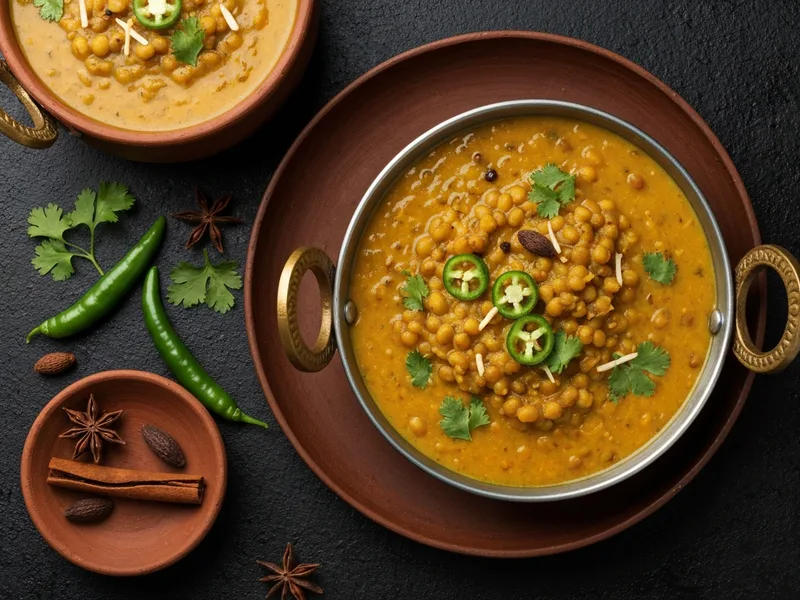
Daal Moong (Moong Ki Daal)
Light, mild, and deeply comforting split mung bean daal — the gentlest daal in the Pakistani kitchen, ready in 25 minutes with a simple cumin-garlic tarka. Perfect for children, the unwell, and anyone craving something uncomplicated.
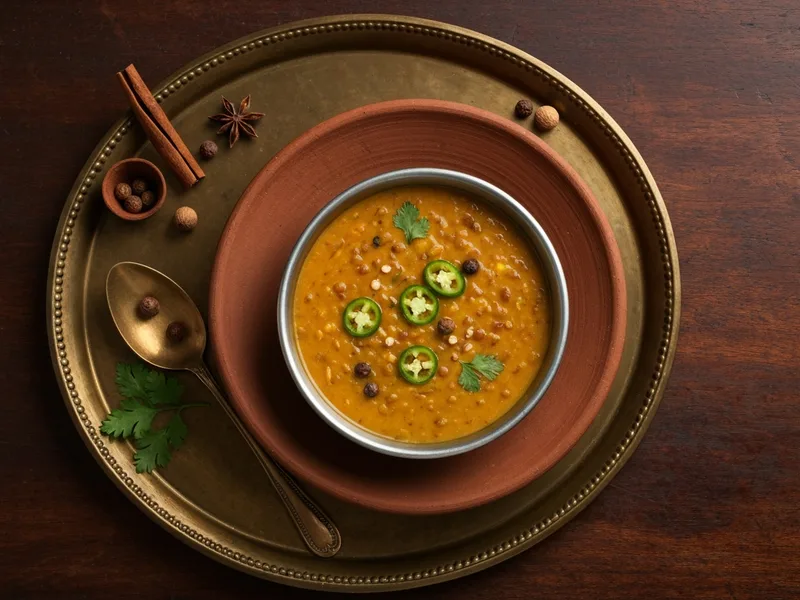
Daal Masoor (Masoor Ki Daal)
Pakistan's most-cooked everyday daal — red split lentils with a cumin-onion-garlic tarka, on the table in 30 minutes. Plus the kali masoor (whole black/brown lentil) variant for a heartier, earthier alternative.
What Cooks Are Saying
Better than the restaurant version. The tips in the recipe really make a difference.
Absolutely delicious! The flavours are spot on — tastes just like what I grew up eating.
Leave a Review
Tried this recipe? Share your experience — your review helps other cooks.