
Punjab cuisine
Lahori Channay
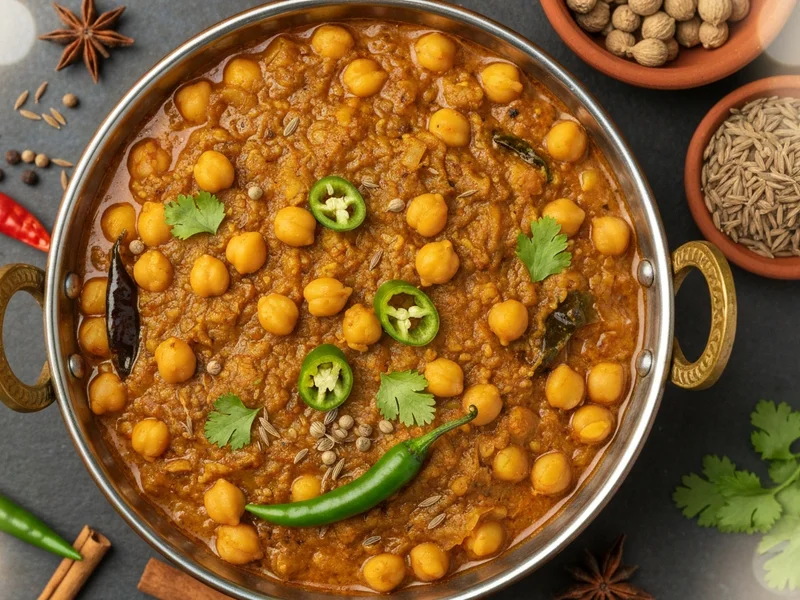
Lahori Channay is a traditional Punjab Pakistani dish. Lahore's famous spiced chickpea curry — dark, tangy, and loaded with whole spices. The inseparable partner of halwa puri Sunday breakfast.
In Lahore, itwaar (Sunday) morning means one thing and one thing only: halwa puri naashta (breakfast). And the undisputed star of that spread? Channay.
Khalifa Bakers and Waris Nihari have been serving this exact breakfast for decades — long before brunch became a personality trait. What makes Lahori channay different from every other chickpea curry on the planet? Three things: the dark, almost mahogany colour (from chai ki patti — black tea — added to the boiling water), the complex saabut masala (whole spice) profile, and the unmistakable khatti (tangy) finish from anardana (dried pomegranate). The channay should be naram (soft) enough to crush between your fingers, but still hold their shape — not gal ke (mushy). That balance is the mark of a skilled channay wala, and today you're going to become one.
Ingredients
Instructions
- Drain your overnight-soaked chanay (chickpeas) and put them in a bari degh (large pot) with 6 cups of fresh water. Drop in the 2 chai ki patti (tea bags). Bring to a boil over high heat, then reduce to medium and let them cook until tender — about 40-45 minutes in a regular pot, or 4-5 seeti (whistles) in a pressure cooker. The tea bags will turn the water a deep brown. HINT: To test if they're done, take one out and press it between your fingers — it should crush easily but not be falling apart. That's the naram-but-not-mushy sweet spot.
- Once the chanay are cooked, fish out the chai bags with a chamcha (spoon) and toss them — they've done their job. Keep the chanay in their dark cooking water. Do NOT drain them — you'll need about 1 cup of that gorgeous brown pani (water) for the gravy later.
- In a separate pateela (cooking pot), heat the tel (oil) over medium heat until it shimmers. Add the saabut zeera (whole cumin seeds). Watch and listen — within 10-15 seconds, they'll start to crackle and pop, releasing a warm, earthy aroma. That crackling sound means the zeera is releasing its essential oils into the tel. HINT: If the zeera turns black instantly, your oil is too hot. Start over — burnt zeera tastes bitter and ruins everything.
- Immediately add the chopped pyaz (onions) to the crackling zeera. Stir well to coat in the oil. Bhunno (fry) the pyaz on medium heat, stirring every minute or so, until they turn golden brown — about 7-8 minutes. You want them soft and deeply golden, not pale and crunchy. The pyaz forms the body of your gravy. HINT: If the pyaz are browning unevenly, your heat is too high or you're not stirring enough.
- Add the adrak-lehsan (ginger-garlic) paste to the browned pyaz. Bhunno (stir-fry) for about 1 minute — you'll know it's ready when the raw smell disappears and a rich, cooked garlic aroma hits you. Now add the chopped tamatar (tomatoes), lal mirch (red chilli powder), haldi (turmeric), dhaniya (coriander) powder, and namak (salt). Mix everything together well.
- Now begins the bhunna (stir-frying) — the most important technique in Pakistani cooking. Cook this masala on medium heat, stirring every minute, until the tamatar completely break down, the oil separates from the masala (you'll see little pools of oil floating on the surface), and the whole thing looks like a thick, dark paste. This takes 8-10 minutes. Do not rush this step. HINT: If the masala sticks to the bottom, add a splash of water and scrape it up — those caramelised bits are flavour gold.
- Add the boiled chanay to the masala, along with about 1 cup of their dark chai-infused cooking water. Stir well so every chickpea gets coated in that gorgeous masala. The gravy should be loose at this point — it will thicken as it simmers.
- Add the chana masala and ground anardana (dried pomegranate). Stir to distribute evenly. Now here's the channay wala's technique: take the back of your chamcha (spoon) and press a few chanay against the side of the pateela, crushing them. Do this to about 10-15 chickpeas. Why? The crushed chanay release starch into the gravy, thickening it naturally without any flour or cream. This is the traditional way.
- Reduce heat to low and let the channay simmer on dum (gentle steam) for 20-25 minutes, stirring every 5 minutes or so. The gravy should reduce and thicken until it clings to each chickpea like a thick coating. If it gets too thick, add a splash of water. If it's too thin, crush a few more chanay and cook a bit longer.
- Turn off the heat. Sprinkle garam masala over the top and stir gently — adding it off the heat preserves its aromatic punch. Garnish with julienned adrak (ginger), slit hari mirch (green chillies), and a generous handful of hara dhaniya (fresh coriander). Serve piping hot with puri.
Chef's Secrets
- The chai bag trick is NOT optional for Lahori channay — it gives the signature dark mahogany colour that no amount of masala can replicate. Without it, you'll have perfectly tasty chickpeas, but they won't look like Lahori channay. Appearance matters.
- Mashing some chanay against the pot wall with the back of a chamcha is the traditional thickening technique used by every channay wala in Lahore. Never use flour, cornstarch, or cream — that's not how this works.
- Anardana (dried pomegranate) provides the characteristic khatti (tangy) finish that defines Lahori channay. If unavailable, amchur (dried mango powder) is the closest substitute. Lemon juice is a distant third — it adds sourness but not the fruity complexity.
- Cook the channay a day ahead if possible — like most legume dishes, they taste dramatically better after a night in the fridge. The masala penetrates deeper, the flavours marry, and the gravy becomes silkier. Just reheat on low with a splash of water.
- The chanay should be naram (soft) but still hold their shape. If they're falling apart into mush, you've overcooked them. Next time, check them 5 minutes earlier. The texture should be: yields to gentle pressure, but doesn't collapse.
- The tel (oil) separation in step 6 is your most important visual cue. When you see little pools of oil floating on top of the masala, the masala is properly cooked. If you add the chanay before this happens, your gravy will taste raw and harsh.
Common Questions
How long does Lahori Channay take to make?
Total time is 1h 35m — 15m prep and 1h 20m cooking.
How many servings does this recipe make?
This recipe makes 6 servings, and is rated easy difficulty.
Which region of Pakistan is Lahori Channay from?
Lahori Channay is from Punjab, Pakistan — one of the country's most distinctive culinary traditions.
What do you serve with Lahori Channay?
Serve as the centrepiece of the halwa puri naashta (breakfast) spread — deep-fried purian, suji ka halwa, and a steaming bowl of channay. Squeeze fresh nimbu (lemon) over the channay and pile kachay pyaz (raw onion slices) on top. Some families add a fried anda (egg) on the side — controversial but delicious. Wrap it all in a puri and eat with your hands. This is Lahore on a plate.
Goes Well With
Classic Lahori Nihari
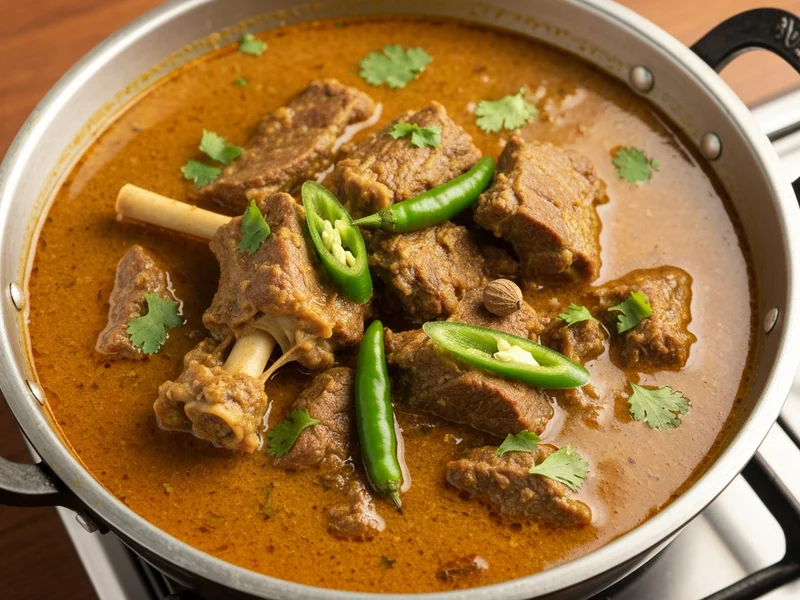
The ultimate slow-cooked breakfast stew — beef shank and bone marrow simmered overnight in a dozen spices. Old Lahore's most legendary dish.
Lahori Chicken Karahi
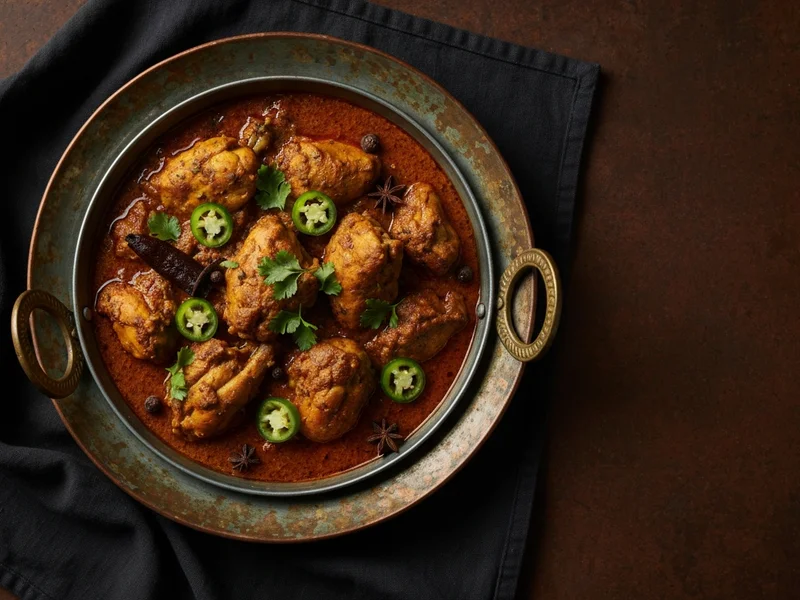
The quintessential Lahori karahi — chicken pounded with tomatoes, ginger, and green chillies in a wok over roaring heat. No onions, no yoghurt, no shortcuts.
Punjabi Haleem
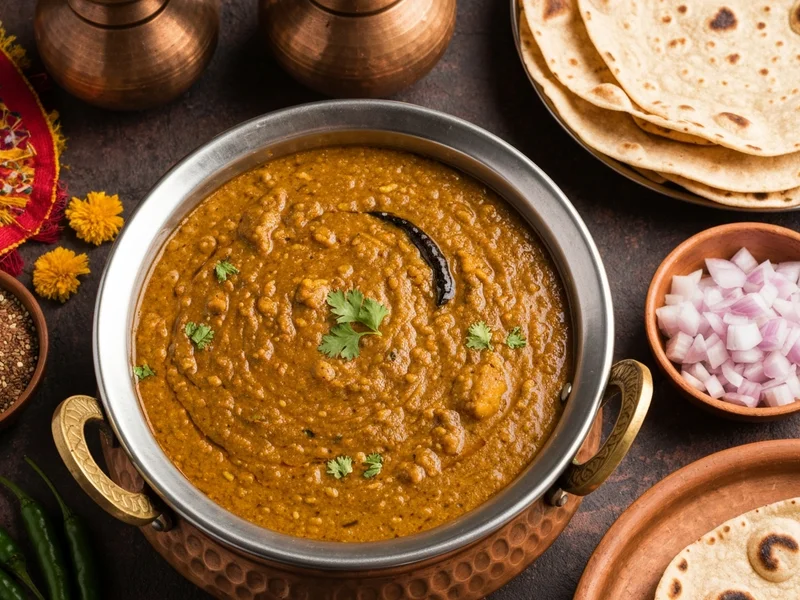
The Ramadan staple — shredded beef slow-cooked with wheat, barley, and lentils into a thick, silky stew, crowned with fried onions, ginger, lemon, and a drizzle of hot oil.
What Cooks Are Saying
The instructions are so clear and easy to follow. Came out perfectly first try.
Really good recipe. I reduced the chilli slightly for the kids and it worked perfectly.
Leave a Review
Tried this recipe? Share your experience — your review helps other cooks.