
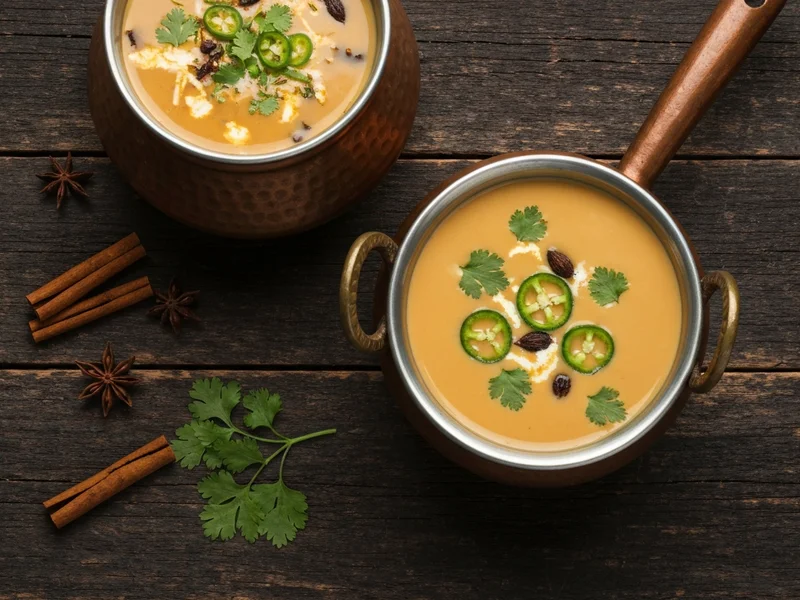
Punjab cuisine
Doodh Pati Chai — Pakistani Milk Tea
Doodh Pati Chai — Pakistani Milk Tea is a traditional Punjab Pakistani dish. Doodh pati chai is Pakistan's national drink — tea brewed entirely in full-fat milk with no water, producing an intensely creamy, deeply rich cup that bears little resemblance to the tea served anywhere else on earth. Strong, sweet, and non-negotiable.
In Pakistan, chai is not a drink. Chai is a meeting, an apology, a welcome, a negotiation, a condolence, a celebration, and a daily act of survival. The specific variety known as doodh pati — 'doodh' meaning milk and 'pati' meaning tea leaves — is the purest expression of Pakistani chai culture: no water added, just milk and tea leaves simmered together until the chai becomes a deep reddish-brown, intensely flavoured brew that coats the inside of your cup.
Tapal and Lipton are the two dominant brands, and which one you use is a matter of family loyalty not unlike choosing a cricket team. Doodh pati is the everyday morning chai for millions of Pakistani households, made identically from Karachi to Peshawar with variations only in how much sugar and whether cardamom is added.
Ingredients
Instructions
- POUR MILK INTO PATEELA: In a small pateela (saucepan), add 2 cups of full-fat doodh (milk). Place on medium heat. HINT: Use a pan larger than you think you need — milk boils up dramatically and will overflow a small pot without warning, making a scorched mess that smells terrible and stains white stoves forever. If using adrak (ginger), add it now so it infuses as the milk heats up.
- ADD TEA LEAVES: When the milk is warm — not yet boiling, around 60-70°C — add the chai pati (loose leaf tea). Do not add tea to cold milk; the tea needs heat to release its tannins and colour properly. HINT: If you add tea after the milk is boiling, the rapid heat causes the tannins to release too suddenly and can make the chai bitter. Warm milk = controlled extraction. If using elaichi (cardamom), add the crushed pods now.
- SIMMER AND WATCH: Bring the milk-tea mixture slowly to a boil on medium heat, stirring frequently. The chai will turn from white to cream to a beautiful deep reddish-brown as the tea releases its colour and flavour into the milk. FUN FACT: The colour of doodh pati chai comes from the oxidised tannins in tea reacting with the proteins in milk — essentially the same chemistry behind why milk tea looks different from black tea. Reduce heat to low once it reaches a boil and simmer for 2-3 minutes. HINT: Simmering — not boiling — is key. A rolling boil makes chai bitter and breaks down the milk proteins unpleasantly.
- THE LAHORI PULL: For extra flavour and froth, experienced chai makers 'pull' the chai: use a ladle to scoop chai from the pot and pour it back in from a height of 20-30cm. Do this 3-4 times. The aeration lightens the texture and develops a slight froth. HINT: Do this slowly and deliberately — fast pouring spatters and burns. This step is optional but takes your chai from good to exceptional. You can also simply stir vigorously for 30 seconds with a chamcha (spoon) to aerate it.
- SWEETEN AND STRAIN: Add cheeni (sugar) and stir until dissolved. Taste — adjust sugar to your preference. Doodh pati chai should be noticeably sweet but not dessert-level. Strain through a fine mesh chalni (sieve) directly into cups. HINT: Straining while the chai is still hot is easier — tea leaves compact and block sieves when cold. Serve immediately — chai that sits develops a skin on the surface (totally harmless but aesthetically unwelcome). The perfectly brewed doodh pati should be deep caramel-brown, coat the inside of the cup, and smell of warm milk, tea, and the faintest ghost of cardamom.
Chef's Secrets
- Tapal Danedar is the gold standard for doodh pati — its coarse grain releases slowly and evenly in milk without going bitter. Second choice: Lipton Yellow Label.
- The ratio is the whole game: 2 cups milk to 2 tsp tea leaves. More tea = bitter. Less tea = weak and pointless.
- Never boil chai at a rolling boil — simmer only. Aggressive boiling destroys the flavour compounds and makes the chai taste flat and bitter.
- If your chai is too pale, you either added tea too late or didn't simmer long enough. If it's bitter, you simmered too long or used too much tea.
- For dhaaba-style chai (roadside restaurant style), add a small pinch of salt — just a few grains. It's a professional trick that rounds out the flavour and reduces bitterness without making the chai taste salty.
Common Questions
How long does Doodh Pati Chai — Pakistani Milk Tea take to make?
Total time is 10m — 2m prep and 8m cooking.
How many servings does this recipe make?
This recipe makes 2 servings, and is rated easy difficulty.
Which region of Pakistan is Doodh Pati Chai — Pakistani Milk Tea from?
Doodh Pati Chai — Pakistani Milk Tea is from Punjab, Pakistan — one of the country's most distinctive culinary traditions.
What do you serve with Doodh Pati Chai — Pakistani Milk Tea?
Serve in traditional chai cups or small glasses — Pakistanis rarely use mugs. Pair with paratha, rusk (dry toast), or biscuits for dipping. Equally essential alongside halwa puri at breakfast, after biryani, or during any conversation that needs to happen.
Goes Well With
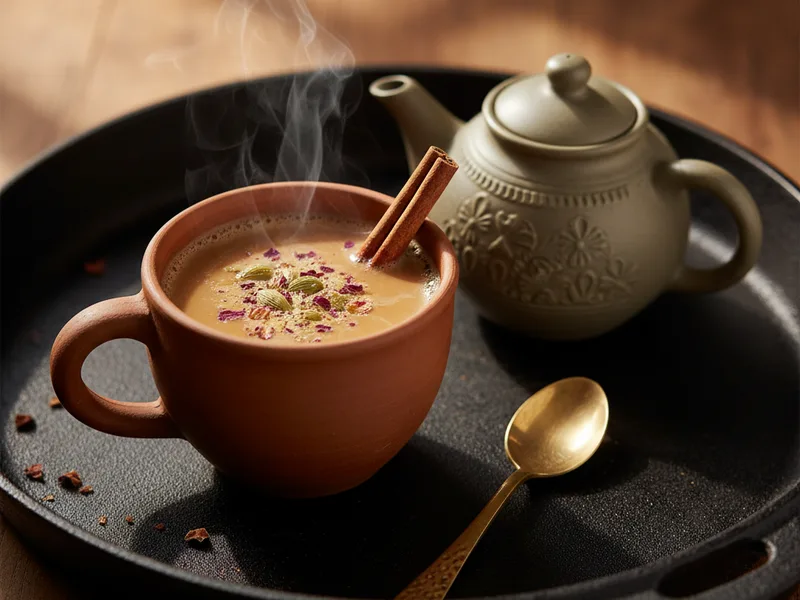
Karak Chai — KP Street Tea
Bold, brassy KP-style karak chai made by simmering loose tea leaves hard in water before adding full-fat milk, simmering again, and serving strong enough to wake up a whole baithak. The Pashtun chai standard — dark, punchy, barely sweetened, deeply satisfying.
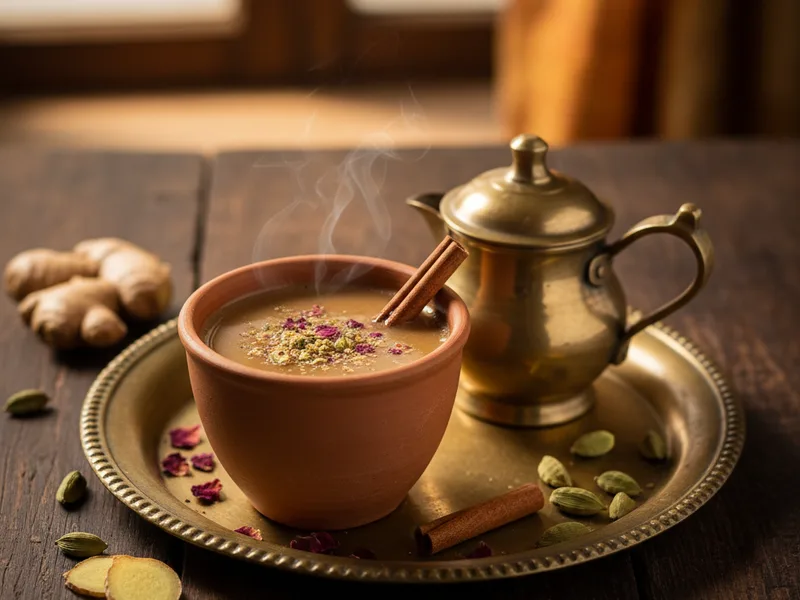
Adrak Wali Chai — Ginger Tea
Warming Punjabi adrak wali chai (ginger tea) made by simmering crushed fresh ginger with tea leaves, milk and cardamom into a fragrant, throat-soothing cup. The go-to chai for cold days, monsoon mornings, and any time your body is asking for something comforting.
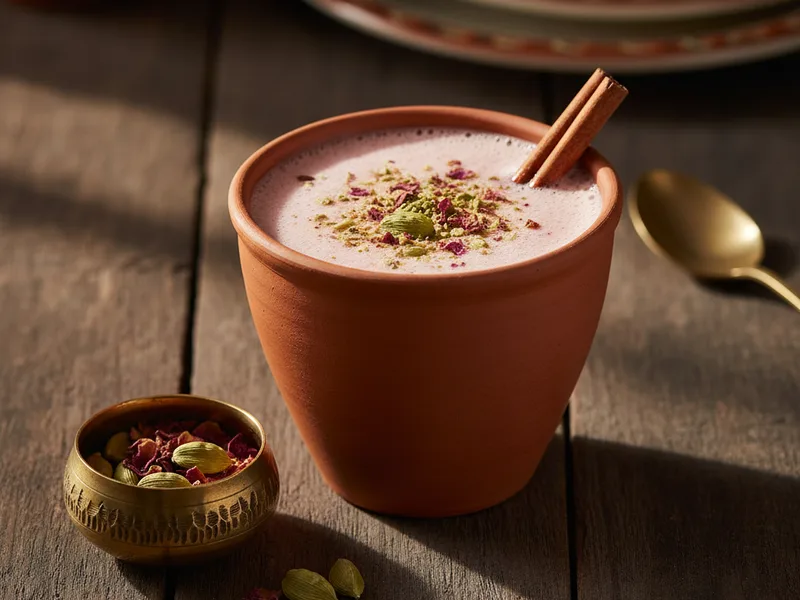
Kashmiri Pink Chai — Noon Chai
Authentic Kashmiri noon chai (pink tea) made by brewing Kashmiri gunpowder tea with baking soda until it turns deep red, then adding cold milk which magically transforms it into a beautiful rose-pink colour. Served salted and topped with cream and crushed pistachios.
What Cooks Are Saying
This recipe is a keeper. Followed it exactly and it turned out perfect.
Better than the restaurant version. The tips in the recipe really make a difference.
Leave a Review
Tried this recipe? Share your experience — your review helps other cooks.