
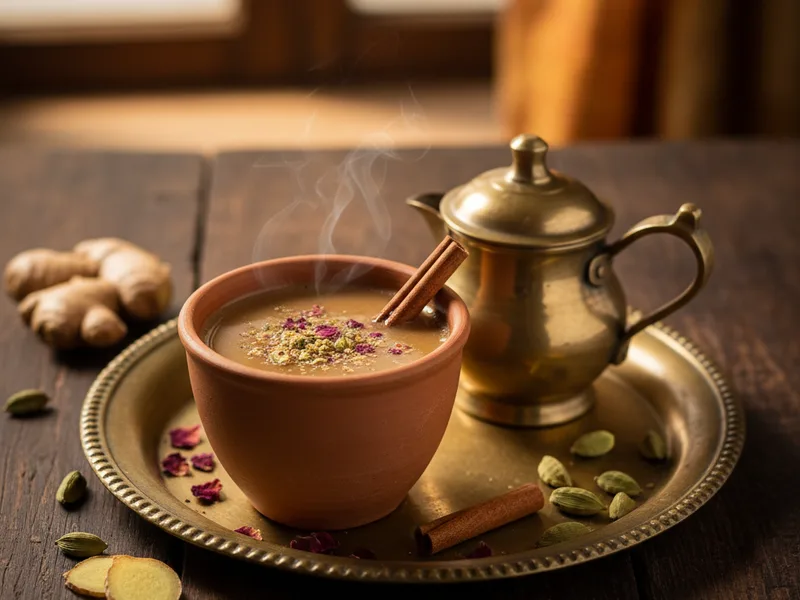
Punjab cuisine
Adrak Wali Chai — Ginger Tea
Adrak Wali Chai — Ginger Tea is a traditional Punjab Pakistani dish. Warming Punjabi adrak wali chai (ginger tea) made by simmering crushed fresh ginger with tea leaves, milk and cardamom into a fragrant, throat-soothing cup. The go-to chai for cold days, monsoon mornings, and any time your body is asking for something comforting.
Adrak wali chai is what Pakistan makes when it's raining, when someone's unwell, when a guest arrives unexpectedly, or when the day just calls for something warm and honest.
The incorporation of ginger into daily chai is not just a flavour choice — it reflects the traditional integration of medicinal herbs into everyday food and drink. The fresh ginger (adrak) does real work here — it's anti-inflammatory, warming, and gives the chai that distinctive spicy edge that cardamom alone can't deliver. Fun fact: ginger has been used medicinally in South Asia for over 5,000 years. Your adrak wali chai is not just delicious — it's practically ancient medicine. The Punjabi version leans on a lot of ginger and thick milk, resulting in something that's both a drink and a warm hug from the inside. The technique is simple: don't rush the ginger into the water, let it simmer long enough to actually transfer its flavour and heat compounds into the liquid. Crush it hard — bruised ginger releases far more flavour than sliced.
Ingredients
Instructions
- CRUSH THE GINGER: Place the ginger piece in a mortar and pestle and pound firmly until it breaks apart and releases its juice and fibres. Don't finely mince — rough crushing is what you want. HINT: Peel the ginger before crushing for a cleaner flavour, though many home cooks don't bother.
- BREW WITH GINGER: In a small patila, combine water, crushed ginger, cardamom and black pepper (if using). Bring to a boil and simmer for 3 minutes to let the ginger's flavour fully infuse. Add tea leaves and simmer for another 2 minutes.
- ADD MILK AND FINISH: Pour in the milk. Bring to a near-boil over medium heat — watch it carefully so it doesn't boil over. Simmer for 2-3 minutes. Add sugar and stir. Strain through a fine sieve into cups and serve immediately.
- COLD AND FLU VARIATION: For a medicinal healing version, add 1/2 tsp honey (shehed) to each cup after straining, a squeeze of lemon juice, and a small piece of cinnamon stick to the brew. This combination has been used as a home remedy in Punjab for generations and genuinely soothes a sore throat.
- SERVING RITUAL: Adrak wali chai is best poured in stages — fill each cup halfway, let it cool slightly, then top up. This slightly aerated pour creates a small natural foam on the surface. Serve with digestive biscuits (marie biscuits) for dunking — a Pakistani ritual of quiet comfort.
Chef's Secrets
- Fresh ginger is non-negotiable — powdered ginger makes a flat, one-dimensional chai.
- For a cold or flu cure, double the ginger, add a small stick of cinnamon, and a few tulsi (holy basil) leaves.
- The chai should taste distinctly gingery — if it doesn't, you need either more ginger or a longer simmer.
- Squeeze a drop of lemon juice into each cup after straining for a bright, fresh note that enhances the ginger.
Common Questions
How long does Adrak Wali Chai — Ginger Tea take to make?
Total time is 15m — 5m prep and 10m cooking.
How many servings does this recipe make?
This recipe makes 2 servings, and is rated easy difficulty.
Which region of Pakistan is Adrak Wali Chai — Ginger Tea from?
Adrak Wali Chai — Ginger Tea is from Punjab, Pakistan — one of the country's most distinctive culinary traditions.
What do you serve with Adrak Wali Chai — Ginger Tea?
Serve in mugs on cold mornings or rainy evenings. Perfect with biscuits, paratha, or just on its own when you need warmth. On sick days, pair with dry toast or khichri.
Goes Well With
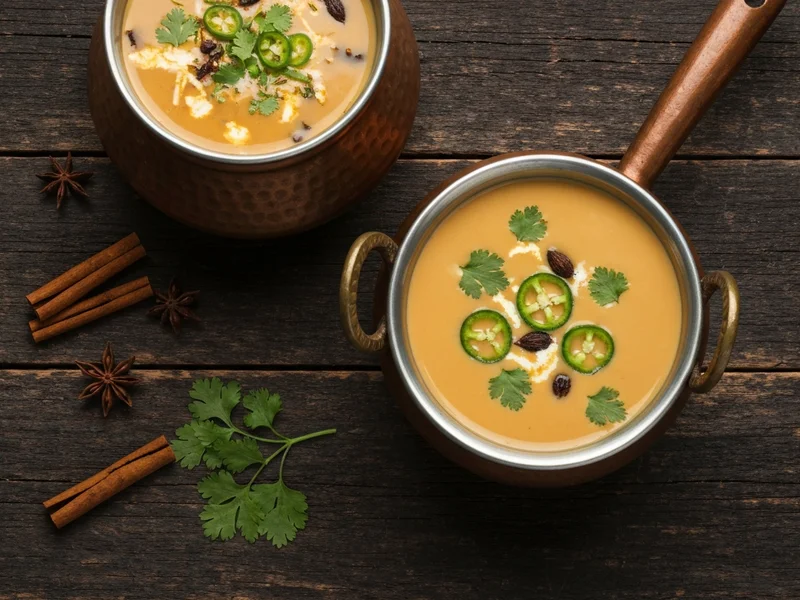
Doodh Pati Chai — Pakistani Milk Tea
Doodh pati chai is Pakistan's national drink — tea brewed entirely in full-fat milk with no water, producing an intensely creamy, deeply rich cup that bears little resemblance to the tea served anywhere else on earth. Strong, sweet, and non-negotiable.
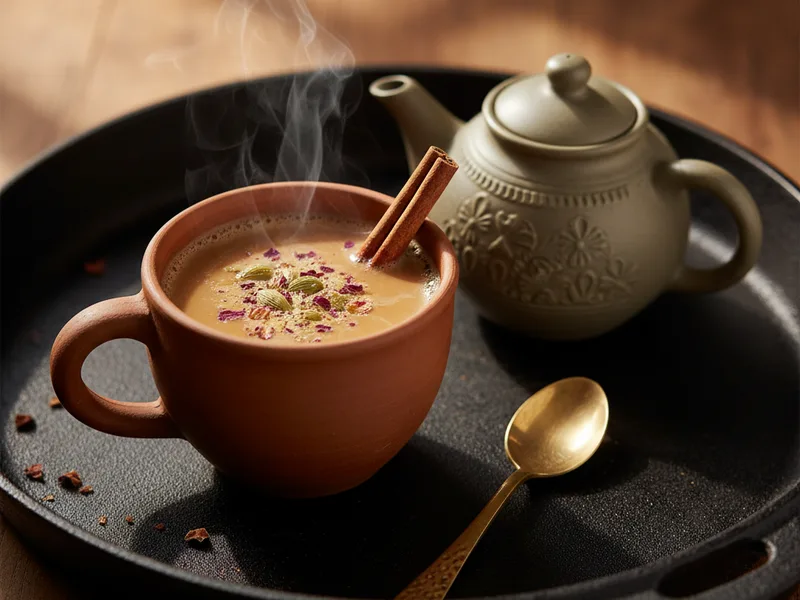
Karak Chai — KP Street Tea
Bold, brassy KP-style karak chai made by simmering loose tea leaves hard in water before adding full-fat milk, simmering again, and serving strong enough to wake up a whole baithak. The Pashtun chai standard — dark, punchy, barely sweetened, deeply satisfying.
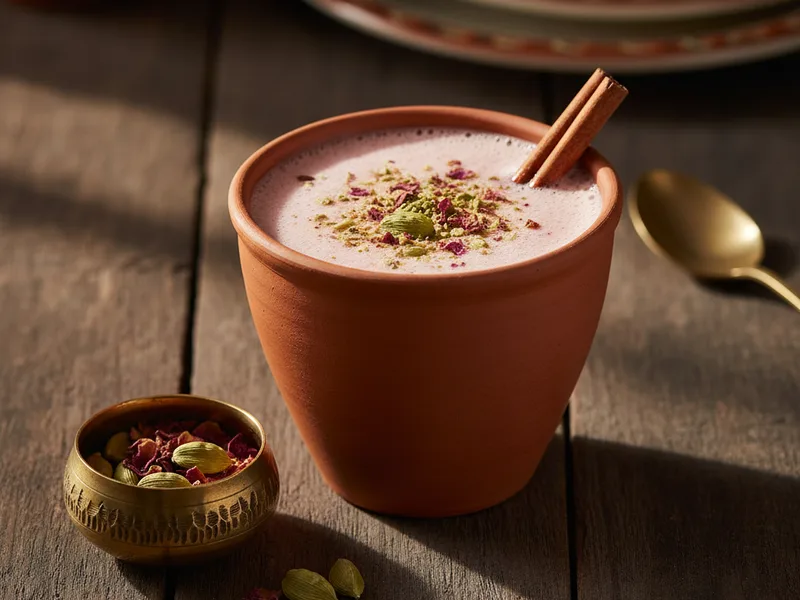
Kashmiri Pink Chai — Noon Chai
Authentic Kashmiri noon chai (pink tea) made by brewing Kashmiri gunpowder tea with baking soda until it turns deep red, then adding cold milk which magically transforms it into a beautiful rose-pink colour. Served salted and topped with cream and crushed pistachios.
What Cooks Are Saying
This recipe is a keeper. Followed it exactly and it turned out perfect.
Better than the restaurant version. The tips in the recipe really make a difference.
Leave a Review
Tried this recipe? Share your experience — your review helps other cooks.