
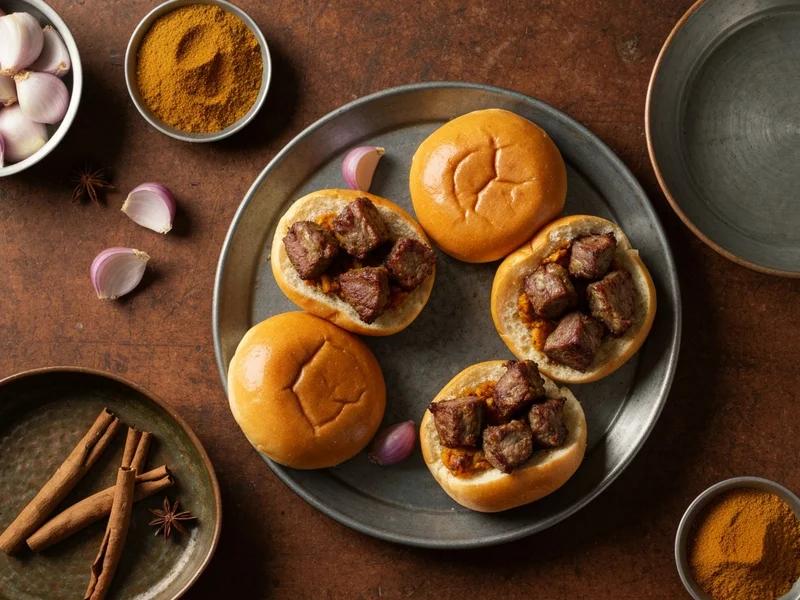
Sindh cuisine
Bun Kebab Karachi Style
Bun Kebab Karachi Style is a traditional Sindh Pakistani dish. Karachi's original street burger — a spiced lentil patty tucked in a bun with sweet-tangy chutney, egg wash, and raw onions. The 50-rupee meal that punches above its weight.
Bun kebab is Karachi's answer to the hamburger, except it arrived first and costs about the same as a bus ticket.
The bun kebab walas of Burns Garden, Empress Market, and Bahadurabad are institutions — some have been flipping patties on the same tawa (flat griddle) for three generations. Watch them work and you'll see a machine: patty on the tawa, crack an anda (egg) over it, flip, stuff into a bun with three chutneys, wrap in newspaper, hand it over. The entire transaction takes 90 seconds. The anda wash on the patty is distinctly Karachi — other cities skip it and are worse off for it. The hari chutney (green coriander-mint sauce) will stain your fingers for hours, and honestly, that's a badge of honour. If you've never made bun kebab at home, prepare for your kitchen to smell like a Karachi street corner. That's not a warning — that's a promise.
Ingredients
Instructions
- Drain your boiled chana dal THOROUGHLY — this is the most common mistake and the reason homemade bun kebabs fall apart. Seriously, excess moisture is the enemy. Drain in a colander, shake it well, then spread the dal on a clean kitchen towel or plate for a full 10 minutes to air-dry. You want it dry enough that no water pools when you press it. Now mash it roughly with a fork or aloo masher (potato masher). Keep some texture — you want a chunky mash, not a smooth paste. Some visible dal pieces should remain. HINT: If you use a blender, you'll get a smooth paste that makes rubbery patties. Use a fork or masher only.
- In a large bowl, combine the mashed chana dal with the mashed aloo (potatoes), chopped pyaz (onion), chopped hari mirch (green chillies), lal mirch (red chilli powder), zeera powder (cumin), chaat masala, namak (salt), and half the hara dhaniya (coriander). Mix everything together with your hands — squeeze and knead until everything is well combined. The mixture should hold together when you press it into a ball. If it feels too wet, add 1 tbsp of besan (chickpea flour) or breadcrumbs to absorb the moisture. If it feels too dry, add a tiny splash of water. HINT: Taste the raw mixture — it's safe and the best way to check seasoning before you commit to frying 6 patties.
- Form the patties. Wet your hands (this prevents sticking) and take a tennis ball-sized portion of the mixture. Flatten it between your palms into a round patty about 1.5cm thick and slightly LARGER than your bun — they shrink while cooking. Place each formed patty on a plate. You should get about 6 patties. If the edges crack while shaping, the mixture is too dry — wet your hands more or add a tiny splash of water. HINT: Make all your patties before you start frying. Once the tawa is hot, you want to work efficiently.
- Heat the tel (oil) on a flat tawa (griddle) or heavy frying pan over medium heat. Test the temperature: flick a tiny bit of the mixture onto the tawa — it should sizzle immediately but not smoke. Gently place the patties on the tawa. Don't press them down — let them cook undisturbed for 3-4 minutes. After 3 minutes, check the underside by lifting an edge with a spatula — it should be deeply golden and crispy, with a satisfying crust. If it's still pale, give it another minute. If it's burning, your heat is too high. HINT: Don't crowd the tawa. Cook 2-3 patties at a time with space between them, otherwise the temperature drops and you get soggy patties instead of crispy ones.
- The Karachi signature: the anda (egg) wash. Flip the patty carefully with a flat spatula. Now pour about 2 tablespoons of beaten anda (egg) directly OVER the flipped patty. The egg should flow over and around the patty, spreading out to form a thin, lacy skirt on the tawa. Let it set for about 30 seconds, then gently press the patty down into the egg so they bond together. Cook for another 2-3 minutes until the egg side is golden and crispy, and the new bottom is cooked through. The patty should now be wearing a beautiful, crispy egg coat on one side. FUN FACT: This egg wash technique is unique to Karachi — bun kebab in Lahore or Islamabad skips it entirely, and they're lesser for it.
- While your patties are frying, toast the bun halves. Place them cut-side down on the tawa (move the patties to one side or use a second pan). Press gently and toast for about 1 minute until the cut surface is golden and slightly crispy. This creates a barrier that prevents the chutneys from making the bun soggy. HINT: A toasted bun is the difference between a bun kebab that holds together until the last bite and one that disintegrates in your hands after the first.
- Assembly time — work fast, the patty should still be hot. Spread a generous layer of hari chutney (green coriander-mint sauce) on the bottom bun. Place the patty on top, egg-side up so it's visible. Drizzle imli ki chutney (tamarind sauce) generously over the patty — don't be timid, this is where the sweet-sour magic lives. Add sliced raw pyaz (onion) rings and the remaining hara dhaniya (coriander). Close with the top bun and press down gently. Wrap in paper if you want the authentic experience. Serve immediately — bun kebab waits for no one. HINT: BOTH chutneys are mandatory. The sweet-sour imli and the sharp hari chutney together create the flavour profile that makes bun kebab bun kebab. Skipping either is like watching a movie on mute.
Chef's Secrets
- The anda (egg) wash is the Karachi signature move. Pour beaten egg OVER the patty while it's on the tawa — it should flow out and form a thin crispy skirt around the patty. This technique takes 2-3 tries to master, but once you get it, you'll feel like a proper bun kebab wala.
- BOTH chutneys are mandatory and non-negotiable. The sweet-sour imli ki chutney and the sharp hari chutney work as a pair — one without the other is incomplete. Together they create a flavour that's tangy, spicy, sweet, and fresh all at once.
- The chana dal must be bone-dry before mashing. Wet dal = patties that crumble on the tawa and leave you fishing pieces out of the oil while questioning your life choices. Spread the boiled dal on a plate for a full 10 minutes. Your patience will be rewarded.
- Use a flat tawa (griddle), not a deep frying pan. The flat surface gives maximum contact between patty and hot metal, which means a better, more even crust. A frying pan has curved sides that don't help you here.
- Street vendors use significantly more tel (oil) than home cooks expect — the patties are shallow-fried, not dry-griddled. Don't be shy with the oil. A thin film won't give you that golden, shattering crust. You need enough that the edges of the patty are sitting in oil.
Common Questions
How long does Bun Kebab Karachi Style take to make?
Total time is 45m — 25m prep and 20m cooking.
How many servings does this recipe make?
This recipe makes 6 servings, and is rated easy difficulty.
Which region of Pakistan is Bun Kebab Karachi Style from?
Bun Kebab Karachi Style is from Sindh, Pakistan — one of the country's most distinctive culinary traditions.
What do you serve with Bun Kebab Karachi Style?
Serve wrapped in newspaper or parchment paper like the bun kebab walas do — the wrapping steams the bun slightly and holds everything together. Pair with a chilled Pakola (Pakistan's green cream soda) or a glass of fresh gannay ka ras (sugarcane juice) for the authentic Karachi street corner experience. Extra hari chutney on the side for dipping is not optional — it's a requirement.
Goes Well With
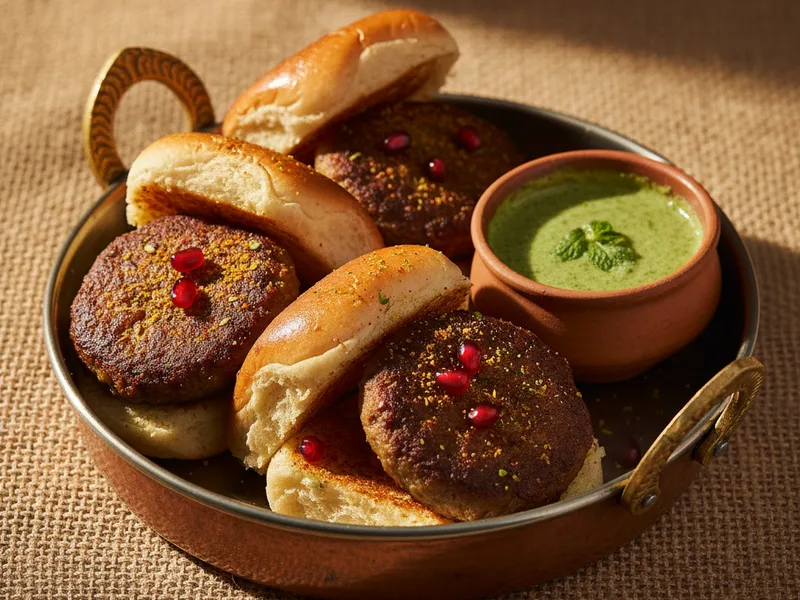
Bun Kebab Lahori Style
Lahori bun kebab featuring a spiced shami-style patty and an egg omelette tucked into a toasted bun with tamarind chutney, green chutney, pickled onions and chaat masala. Punjab's answer to the burger — messier, spicier, and infinitely more satisfying.
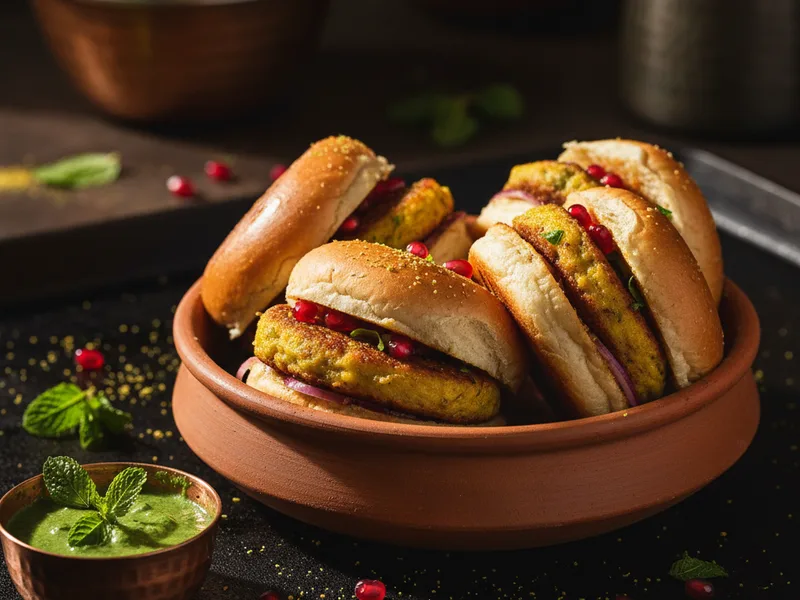
Egg Bun Kebab — Karachi Street Style
Karachi's beloved egg bun kebab — a spiced scrambled egg filling with fried potato, onions and chillies piled into a toasted bun with both chutneys. The vegetarian soul of Karachi street food that satisfies any hunger in under 15 minutes.
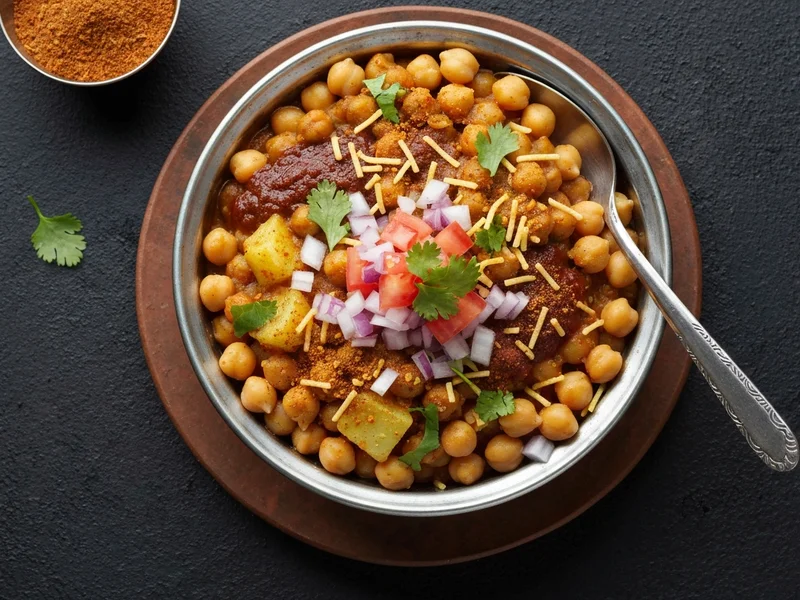
Karachi Chana Chaat
Karachi Chana Chaat is the city's most beloved street snack — spiced boiled chickpeas tossed with crunchy onions, tangy tomatoes, tart imli (tamarind) chutney, cool dahi (yoghurt), and a snowfall of masalas. Every bite is simultaneously sweet, sour, spicy, and salty — a flavour explosion that Karachi has made its own.
What Cooks Are Saying
This recipe is a keeper. Followed it exactly and it turned out perfect.
Solid recipe. Added a bit more ginger than suggested and it was excellent.
Leave a Review
Tried this recipe? Share your experience — your review helps other cooks.