
Sindh cuisine
Sindhi Biryani
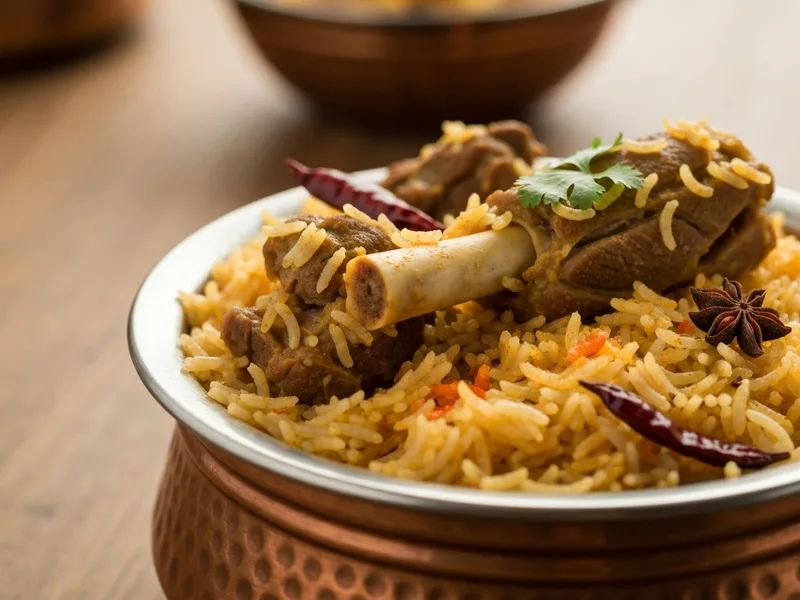
Sindhi Biryani is a traditional Sindh Pakistani dish. Sindh's distinct, masala-forward biryani — a looser, spicier curry base with prominent aloo bukhara (dried plums), large half-potatoes, and natural colour from spices rather than food dye. Distinct from Karachi biryani; the version from Hyderabad and Sukkur's interior.
Let's settle something: Sindhi biryani and Karachi biryani are related but not the same. They both come from Sindh, they both use potatoes, and they both use aloo bukhara (dried plums) — but that's where the similarities end.
The five things that make Sindhi biryani distinct: (1) the curry base is LOOSER — more liquid masala that pools around the rice rather than the thick, clingy gravy of Karachi biryani; (2) aloo bukhara (dried plums) are not just an accent, they're a central character — you should get one in every few bites; (3) potatoes are LARGER — half-potatoes, not chunks, visible and prominent in the serving; (4) colour comes from spices and natural sources, not food colouring — Sindhi biryani is less orange and more of a deep natural red-brown; (5) a Sindhi spice blend that includes more kali mirch (black pepper) and less sweet spices than the Karachi version. Interior Sindh versions are also often spicier overall — the heat in Sindh runs deep.
Ingredients
Instructions
- MARINATE THE MEAT: Combine meat pieces with dahi (yoghurt), half the barista pyaz (fried onions), adrak lehsan paste (ginger-garlic paste), Sindhi biryani masala, and salt. Massage into the meat thoroughly. Marinate for minimum 3 hours — overnight in the fridge is ideal. The longer marination gives Sindhi biryani its deeper, more permeated spice flavour. HINT: If marinating overnight, the dahi's acid tenderises the meat significantly — this is why Sindhi biryani meat is often more tender than Karachi biryani meat.
- FRY THE POTATOES: Heat 3 tbsp tel (oil) in a heavy degh (pot) on high heat. Fry the halved aloo (potatoes) on both cut sides until golden — about 3-4 minutes per side. The large flat surface of the halved potato should develop a proper golden crust. This crust prevents them from breaking apart during the slow cook in the masala. Set aside on kitchen paper and season lightly with salt.
- COOK THE LOOSE MASALA BASE: In the same degh, add the marinated meat with all its marinade. Turn heat to high. Add the chopped tamatar (tomatoes) and all the hari mirch (green chillies). Bhunno (stir-fry) on high heat for 10-12 minutes — the tomatoes should break down completely, and the masala should be saucy rather than thick. This is the KEY difference: Sindhi biryani masala is intentionally looser and more liquid than Karachi biryani masala. Add a splash of water if it's getting too dry. Reduce heat to medium-low, cover, and cook for 40 minutes until the meat is tender. WHY keep the masala looser? It creates steam during dum and seeps upward through the rice layers, perfuming the whole pot from the bottom.
- PARBOIL THE CHAWAL (RICE): Bring a large degh of water to a rolling boil with kharay masalay (whole spices) and enough salt that the water tastes sea-salty. Add the soaked, drained basmati. Parboil to 70% — the grain should feel soft on the outside with a chalky, firm core when pressed between your fingers. Drain immediately. This takes 5-7 minutes.
- LAYER THE BIRYANI: Spread the meat and loose masala evenly across the bottom of the degh. Arrange the fried aloo halves prominently over the meat — they should be visible and numerous. Scatter the soaked aloo bukhara (dried plums) generously across the potatoes — more than you think looks right. Add a generous layer of pudina (mint) and hara dhaniya (coriander) — more than in Karachi biryani. Now spoon the parboiled rice over the top in a thick, even layer. Scatter the remaining barista pyaz on top of the rice. FUN FACT: No artificial food colour is added to authentic interior-Sindh biryani — the golden colour at the base comes from the natural spice masala seeping up through the rice during dum.
- DUM (STEAM COOK): Seal the degh with foil pressed tight against the rim, then place the lid on top. Weight the lid if possible. Cook on the lowest possible heat for 25-30 minutes. The loose masala from step 3 will produce plenty of steam — you should hear very gentle bubbling. The steam carries the masala fragrance all the way up through the rice. Rest off heat, still sealed, for 10 minutes.
- SERVE: Open the lid and inhale — Sindhi biryani has a distinct fragrance from Karachi biryani: more peppery, more herby, with the sweet-sour note of the aloo bukhara (dried plums) prominent in the steam. Fold gently from the bottom with a wide chamcha (ladle), bringing the masala and meat up through the rice. Serve on a wide platter. The half-potatoes should be intact and visible; the aloo bukhara should be scattered throughout. Serve immediately — biryani waits for no one.
Chef's Secrets
- The looser masala is a feature, not a bug. Don't be tempted to cook it down until thick like Karachi biryani. The liquid masala is what makes Sindhi biryani steam from the inside during dum and what gives it its distinctive, moister character.
- More aloo bukhara (dried plums) than you think. In authentic interior Sindh versions, you encounter a plum in every few bites — they're not a subtle accent, they're a co-star. Don't be shy.
- The half-potatoes must be fried with a proper crust before layering — soft unfried potatoes disintegrate into the masala and lose their identity. The crust keeps them intact through the whole dum process.
- Sindhi biryani masala has a specific spice balance — more black pepper, less sweet spices than the North Indian-influenced Karachi versions. Using regular biryani masala will produce a slightly different (but still delicious) result.
- This biryani is spicier than Karachi biryani — that's intentional. Interior Sindh cuisine runs hotter than coastal Karachi. If serving guests with different heat tolerances, keep some slit hari mirch on the side rather than reducing chillies in the pot.
Common Questions
How long does Sindhi Biryani take to make?
Total time is 2h 30m — 45m prep and 1h 45m cooking.
How many servings does this recipe make?
This recipe makes 8 servings, and is rated hard difficulty.
Which region of Pakistan is Sindhi Biryani from?
Sindhi Biryani is from Sindh, Pakistan — one of the country's most distinctive culinary traditions.
What do you serve with Sindhi Biryani?
Serve with thick dahi (plain yoghurt) — not raita, just plain dahi. The tanginess cuts through the spice and complements the aloo bukhara's sourness. A salad of sliced pyaz (onion) dressed with salt and nimbu (lemon) is traditional. Sindhi biryani is spicy enough that a cold lassi (yoghurt drink) alongside is not just enjoyable but genuinely necessary.
Goes Well With
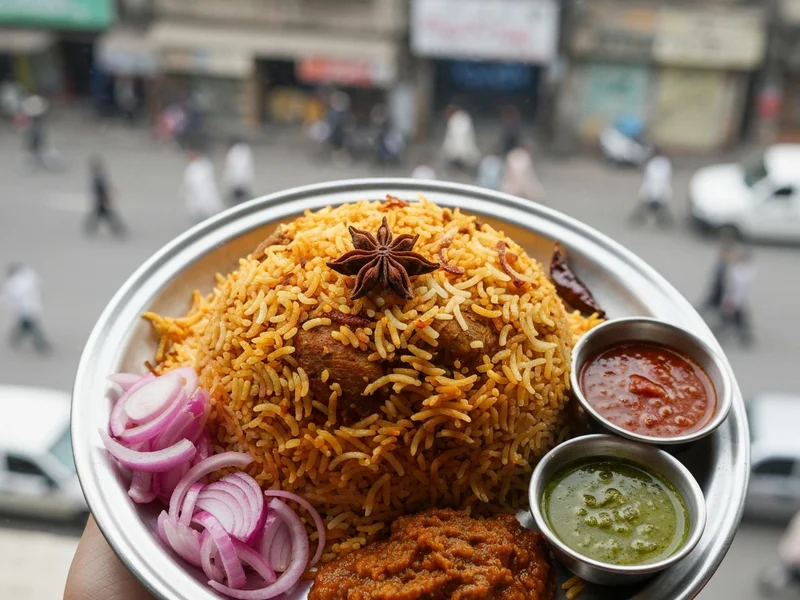
Authentic Karachi Biryani
The iconic Karachi-style biryani — fiery, tangy, loaded with potatoes and prunes. Born in the streets of Karachi, perfected by generations of Muhajir cooks.
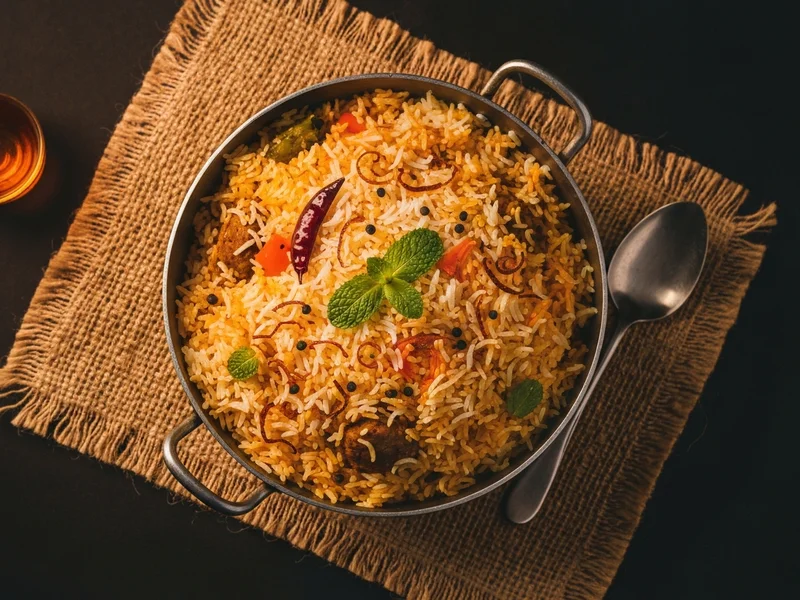
Hyderabadi Biryani
The kacchi biryani of Hyderabad, Sindh — raw marinated meat layered with parboiled rice, sealed, and slow-cooked until every grain absorbs the masala. No pre-cooking the meat.
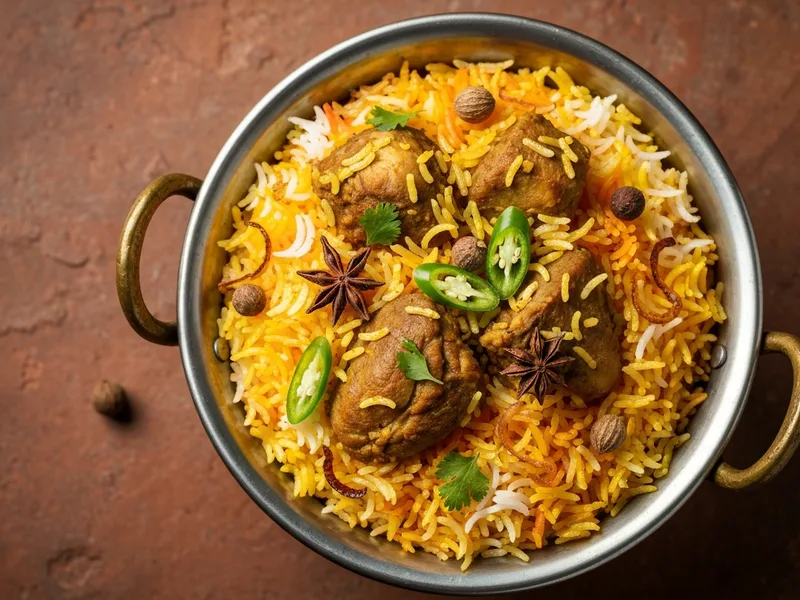
Bombay Biryani (Pakistani Style)
The Muhajir community's answer to Karachi biryani — more fragrant, more Nawabi, with fried potatoes, aloo bukhara (dried plums), kewra water, and a sweeter, more layered aromatic profile. Born in Bombay, perfected in Karachi.
What Cooks Are Saying
My husband said it's the best he's ever had. Coming from him that means everything!
Came out beautifully. Would have given 5 stars but I found the sauce a bit thin — easy fix though.
Leave a Review
Tried this recipe? Share your experience — your review helps other cooks.