
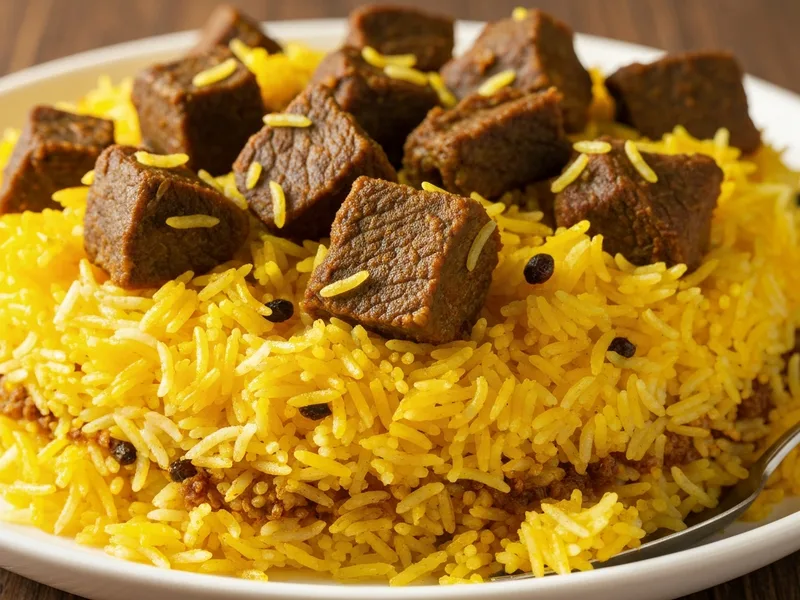
KP cuisine
Traditional Bannu Beef Pulao
Traditional Bannu Beef Pulao is a traditional KP Pakistani dish. Traditional Bannu Beef Pulao is KP's most celebrated rice dish — slow-cooked beef in a deeply aromatic yakhni, finished with fragrant basmati and a generous hand with ghee. This is the pulao that made the small city of Bannu famous across all of Pakistan.
Bannu is a small city in southern KP that punches far above its weight in Pakistan's food culture, and the reason is this dish.
Bannu, a city in KP, is so famous for this dish that it has become part of the city's identity — visitors often make the trip specifically to eat it. Bannu Beef Pulao has travelled to every corner of the country — you'll find Bannu Pulao restaurants in Karachi, Lahore, Islamabad, and everywhere in between. The dish follows the chef wherever he goes because people follow the dish. What makes it legendary? The yakhni, above all else. A proper Bannu yakhni is made with beef, whole spices, and yogurt, slow-cooked until it becomes a rich, fragrant, deeply complex stock. The rice then cooks in that stock and absorbs every dimension of its flavour. Fun fact: The beef used in authentic Bannu pulao is specifically from cows grazed in the Bannu district, known for its rich, red meat with excellent marbling. The local cooks insist the quality of the beef is inseparable from the quality of the pulao. Use the best beef you can find.
Ingredients
Instructions
- BUILD THE AUTHENTIC YAKHNI: In a large heavy pot, add beef with quartered onions, ginger slices, garlic cloves, badi elaichi (all 6 pods), green cardamom, cinnamon, cloves, bay leaves, kali mirch, and generous salt. Add 2 litres water and yogurt. Mix well. Bring to boil, then simmer on low heat for 90 minutes until the beef is completely tender and the stock is dark, rich, and deeply aromatic. HINT: The yogurt in the yakhni is the most distinctly Bannu element — it creates a slightly tangy, creamy undertone in the stock that you won't find in other regional pulaos. Don't skip it.
- REST THE YAKHNI: After 90 minutes, turn off heat and let the beef sit in the yakhni for 30 more minutes off the heat. This continued steeping deepens the flavour without overcooking the beef. HINT: This resting stage is a traditional Bannu technique — the stock develops more complexity as it cools slightly and the spices continue to release their flavour in the residual heat.
- STRAIN AND MEASURE: Remove beef pieces carefully. Strain stock through a fine sieve. Measure exactly 1.2 litres for 800g rice. Taste the stock — it should be deeply meaty, aromatic, and well-salted. Simmer uncovered to reduce if needed. HINT: After 90 minutes of cooking, the stock should be beautifully concentrated. If it tastes flat, it needs more salt and possibly more reduction time.
- MAKE THE BANNU TARKA: In a large, heavy pot, heat all the ghee. Add zeera and remaining sabut garam masala. They should sizzle dramatically in the hot ghee. Add thinly sliced onions and cook slowly, stirring regularly, until deep golden — 18-20 minutes. HINT: The ghee quantity is intentional. Bannu pulao has a distinctive richness that comes from this generous ghee tarka. Don't reduce it.
- COOK THE RICE IN YAKHNI: Add strained yakhni to the tarka pot. Return beef pieces. Bring to a rolling boil. Taste — adjust salt. Add soaked basmati rice. Stir once gently. Bring back to boil, then immediately reduce to lowest heat. Cover tightly. Cook 22-25 minutes. Rest 15 minutes before opening. HINT: The rice should be on absolute minimum heat — Bannu pulao is slow-cooked, not rushed.
- THE BANNU FOLD AND SERVE: Open the pot carefully. Fold from the bottom in large, confident strokes. Each grain of rice should be long, separate, and glistening with the ghee and yakhni. The beef pieces should be tender enough to pull apart with a fork. Serve in a large platter — Bannu pulao is always served communally.
Chef's Secrets
- The yogurt in the yakhni is the defining Bannu technique — always include it, never substitute
- Six pods of black cardamom is not a typo — Bannu pulao has a pronounced, smoky cardamom character
- Allow 90 minutes for the yakhni minimum — the quality of the final dish is entirely dependent on this
- The 30-minute resting period off the heat is a traditional Bannu technique worth following
- Serve immediately after the fold — Bannu pulao is at its absolute peak in the first 15 minutes
Common Questions
How long does Traditional Bannu Beef Pulao take to make?
Total time is 3h — 30m prep and 2h 30m cooking.
How many servings does this recipe make?
This recipe makes 6 servings, and is rated hard difficulty.
Which region of Pakistan is Traditional Bannu Beef Pulao from?
Traditional Bannu Beef Pulao is from KP, Pakistan — one of the country's most distinctive culinary traditions.
What do you serve with Traditional Bannu Beef Pulao?
Serve with plain dahi, sliced raw pyaz, nimbu wedges, and green chillies. In Bannu style, the accompaniments are deliberately simple so nothing competes with the pulao's flavour.
Goes Well With
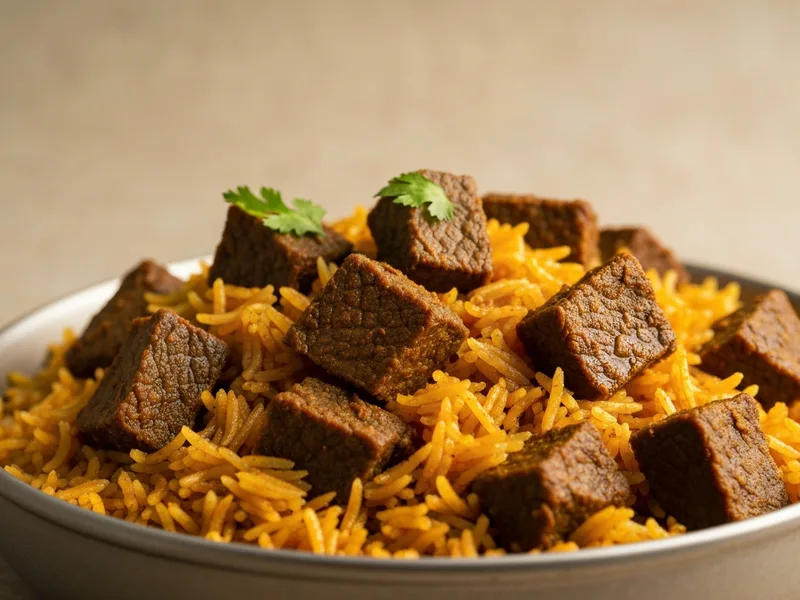
Bannu Beef Pulao
Bannu Beef Pulao is the purist's answer to rice — no colour, no masala packets, just beef, rice, and whole spices doing exactly what they're supposed to. The magic is in the yakhni (broth) that the rice cooks in, absorbing every ounce of beefy, aromatic goodness. This is KP cooking at its most majestic: simple, honest, and absolutely unforgettable.
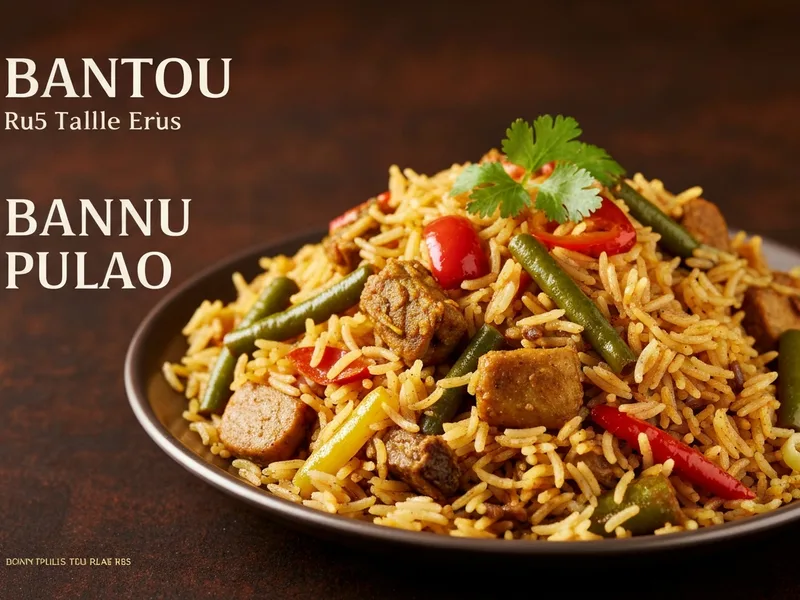
Bannu Pulao Wedding Style
Bannu Pulao Wedding Style is the full-scale celebration version of KP's most iconic dish — scaled for a feast, cooked in a large deg, and carrying the unmistakable flavour of a dish that has made wedding guests in KP very, very happy for generations.
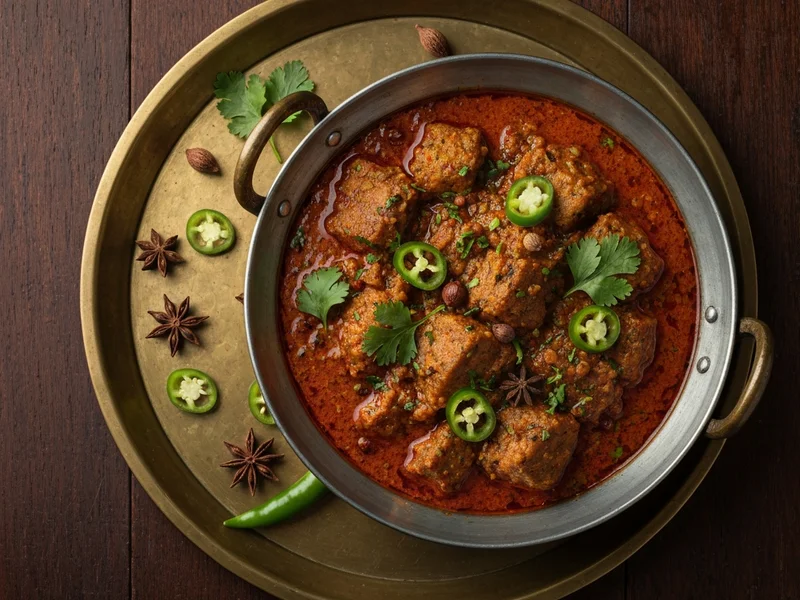
Peshawari Namkeen Gosht
Peshawari salt meat — lamb or mutton cooked with just salt, pepper, and fat until it surrenders all its flavour. Pashtun simplicity at its most profound.
What Cooks Are Saying
Turned out well. I used boneless meat which changed the cook time slightly but flavour was great.
Average result for me. The technique is good but the proportions needed tweaking.
I've tried many recipes for this dish but this one is the best by far.
Leave a Review
Tried this recipe? Share your experience — your review helps other cooks.