
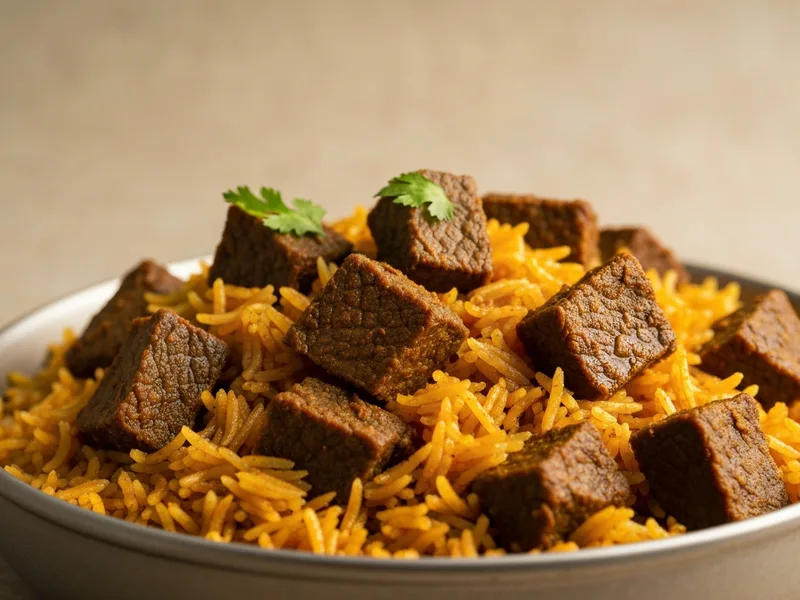
KP cuisine
Bannu Beef Pulao
Bannu Beef Pulao is a traditional KP Pakistani dish. Bannu Beef Pulao is the purist's answer to rice — no colour, no masala packets, just beef, rice, and whole spices doing exactly what they're supposed to. The magic is in the yakhni (broth) that the rice cooks in, absorbing every ounce of beefy, aromatic goodness. This is KP cooking at its most majestic: simple, honest, and absolutely unforgettable.
Bannu, a city in the south of Khyber Pakhtunkhwa, is quietly legendary among pulao lovers — and if you haven't heard of Bannu Pulao yet, consider yourself about to be converted. Unlike biryani, which layers and steams, Bannu Pulao cooks the rice directly in the beef broth, letting every grain drink up the savoury, spice-kissed yakhni. There's no food colouring, no biryani masala, no shortcuts — just whole spices, patient simmering, and a pot that smells like the best thing you've ever cooked.
That's a rice dish worth making.
Ingredients
Instructions
- MAKE THE YAKHNI (BROTH): Place the beef pieces into a large degh (heavy-bottomed pot) or pateela (saucepan). Add 2 litres of cold water, the black cardamom, cloves, cinnamon sticks, bay leaves, black peppercorns, ginger, and garlic. Do NOT add the onions or salt yet. Bring to a boil over high heat. WHY: Starting in cold water and adding whole spices from the beginning draws the maximum flavour out of the bones and meat into the broth, creating a deeply aromatic yakhni. You should see the water begin to turn a warm golden-brown colour within 10 minutes.
- SKIM AND SIMMER: As the water comes to a boil, a grey foam will appear on the surface — this is impurities from the meat. Use a chamcha (ladle) or a spoon to scoop out and discard all of this foam. HINT: Don't skip this step! If you leave the foam in, your broth will be cloudy and the pulao will taste slightly bitter. Once the foam is cleared, reduce the heat to medium-low, cover the pot, and let it simmer gently for 1.5 to 2 hours, until the beef is completely tender and falling off the bone.
- FRY THE ONIONS: While the beef simmers, heat the oil or Raha ghee in a separate small karahi (wok) or frying pan over medium-high heat. Add the sliced onions and fry, stirring often, for 15-20 minutes until they are deep golden brown — think the colour of dark honey. Don't rush this step. The onions should smell sweet and nutty. WHY: The fried onions add sweetness, colour, and body to the pulao. This is the only colour you'll get — and it's natural and gorgeous.
- COMBINE BROTH AND ONIONS: When the beef is tender, use a chimta (tongs) to remove the beef pieces and set them aside on a plate. Strain the broth through a fine sieve or colander into a bowl to remove all the whole spices. Now pour the strained broth back into the large degh. Add the fried onions to the broth, along with 2.5 tsp of salt. Taste the broth — it should be well-seasoned, savoury, and fragrant. This is your pulao base.
- COOK THE RICE IN THE BROTH: Bring the seasoned broth to a rolling boil over high heat. Add the drained soaked basmati rice directly into the boiling broth. Stir once gently with a chamcha (ladle). HINT: Do not stir repeatedly — basmati grains are delicate and over-stirring will break them. The liquid level should be about 1 inch above the rice. If it seems low, add a little hot water. Cook uncovered on high heat until the broth has reduced to the level of the rice and you can see small holes forming on the surface — about 10-12 minutes.
- ADD THE BEEF AND DUM (STEAM): Place the reserved beef pieces gently on top of the rice. Reduce the heat to the absolute lowest setting. Cover the degh with a tight-fitting lid. Place a heavy object (like a pan filled with water) on top to seal the lid, or wrap the lid in a clean kitchen towel to trap steam. Cook on this very low heat for 20 minutes. WHY: This final low-heat steaming (dum) lets the rice finish cooking in the trapped steam while absorbing the last of the aromatic broth flavours. The result is fluffy, separate grains.
- REST AND SERVE: After 20 minutes, turn off the heat and let the pot rest undisturbed for 10 minutes. Then open the lid carefully — the steam will rush out, so stand back a little. Use a fork or a large flat spoon to gently fluff the rice from the edges inward. The rice should be perfectly cooked, each grain separate, and beautifully golden from the onions and broth. Arrange the beef pieces on top and serve immediately.
Chef's Secrets
- Bone-in beef cuts (shanks, short ribs, knuckle) are non-negotiable — they release collagen into the broth, giving it that silky, slightly thick texture that makes Bannu Pulao distinctive.
- The rice-to-broth ratio is the make-or-break step: you want about 1.5 cups of broth for every 1 cup of soaked rice. Measure your broth before adding the rice if you're unsure.
- Lightly crushing the black cardamom pods before adding them releases more aroma. Don't grind them — you want infusion, not powder.
- If your broth reduces too much during beef cooking, top up with hot water to maintain at least 1.2 litres of liquid before adding the rice.
- Leftovers reheat beautifully with a tablespoon of water and a tight cover — the steam revives the texture.
Common Questions
How long does Bannu Beef Pulao take to make?
Total time is 3h 20m — 50m prep and 2h 30m cooking.
How many servings does this recipe make?
This recipe makes 6 servings, and is rated medium difficulty.
Which region of Pakistan is Bannu Beef Pulao from?
Bannu Beef Pulao is from KP, Pakistan — one of the country's most distinctive culinary traditions.
What do you serve with Bannu Beef Pulao?
Serve with a simple raita (yoghurt), sliced raw onions scattered with a pinch of salt, and a wedge of lemon. A coriander-mint chutney on the side is traditional. This pulao stands entirely on its own — it needs nothing more.
Goes Well With
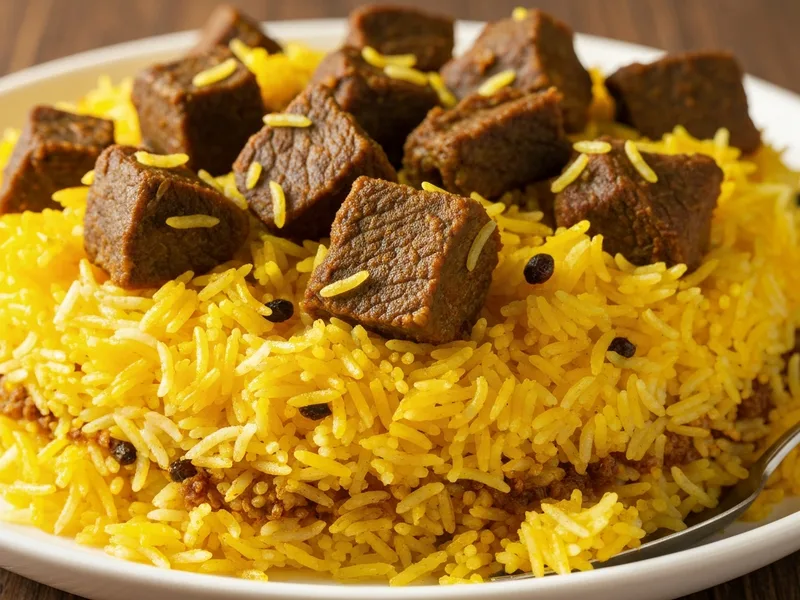
Traditional Bannu Beef Pulao
Traditional Bannu Beef Pulao is KP's most celebrated rice dish — slow-cooked beef in a deeply aromatic yakhni, finished with fragrant basmati and a generous hand with ghee. This is the pulao that made the small city of Bannu famous across all of Pakistan.
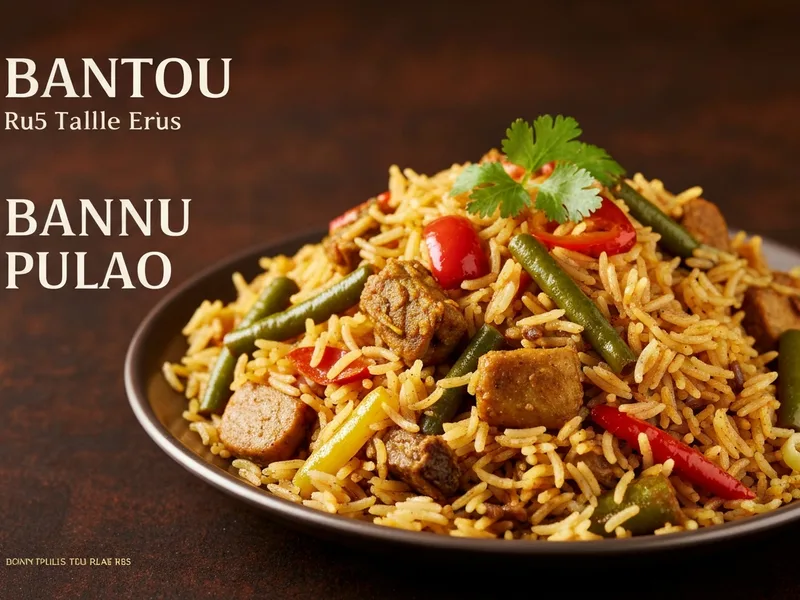
Bannu Pulao Wedding Style
Bannu Pulao Wedding Style is the full-scale celebration version of KP's most iconic dish — scaled for a feast, cooked in a large deg, and carrying the unmistakable flavour of a dish that has made wedding guests in KP very, very happy for generations.
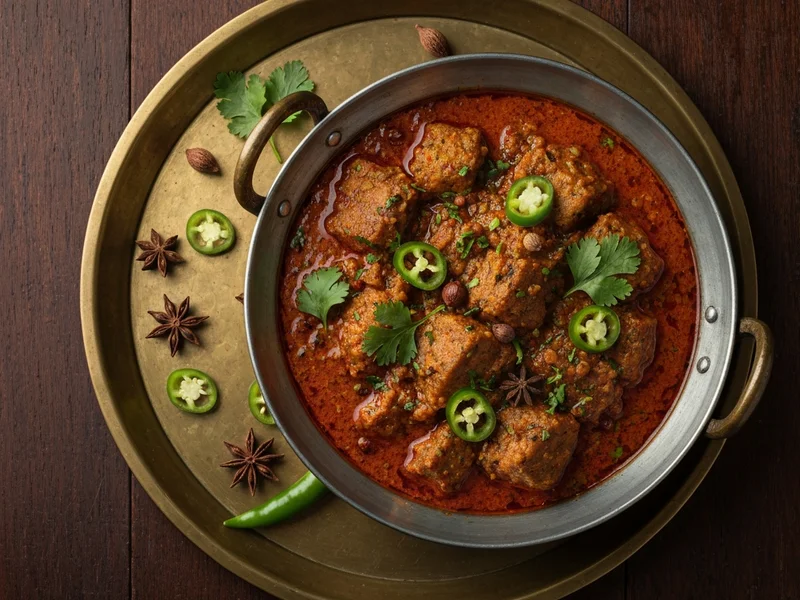
Peshawari Namkeen Gosht
Peshawari salt meat — lamb or mutton cooked with just salt, pepper, and fat until it surrenders all its flavour. Pashtun simplicity at its most profound.
What Cooks Are Saying
Turned out well. I used boneless meat which changed the cook time slightly but flavour was great.
Average result for me. The technique is good but the proportions needed tweaking.
I've tried many recipes for this dish but this one is the best by far.
Leave a Review
Tried this recipe? Share your experience — your review helps other cooks.