
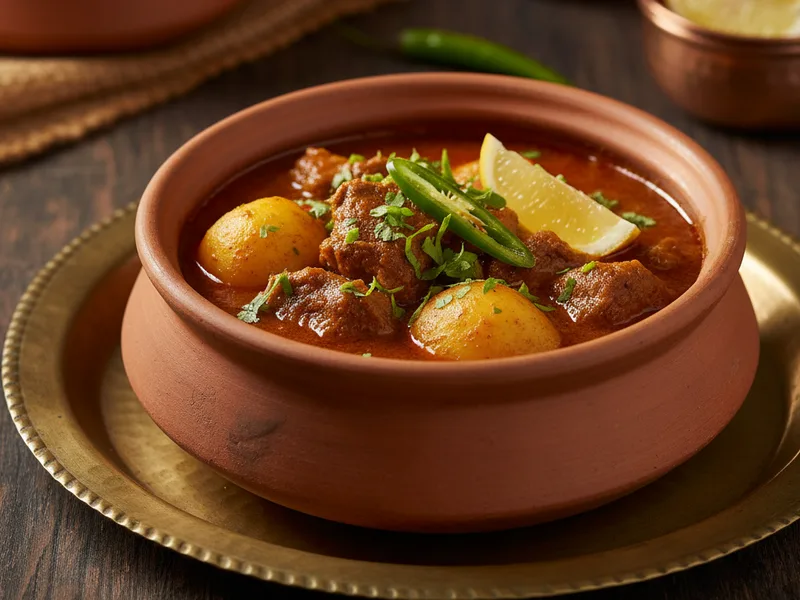
Punjab cuisine
Lahori Aloo Gosht Variation
Lahori Aloo Gosht Variation is a traditional Punjab Pakistani dish. A classic Lahori aloo gosht with a few authentic upgrades — extra dhania seeds for texture, a proper bhunai technique, and the finishing touch of fresh garam masala that elevates a household staple into something special.
Every Lahori household has their version of aloo gosht, and everyone believes theirs is the correct one.
The potato arrived in South Asia via Portuguese traders in the 16th century and was adopted so rapidly that within a century it appeared in Mughal court records as a standard ingredient. This recipe doesn't claim to be the definitive version — no recipe should make that claim for a dish this personal. What it does is incorporate the specific Lahori techniques that separate great aloo gosht from merely good aloo gosht: the rough-ground dhania and zeera added alongside ground masalas, the insistence on bhunai until oil properly separates before adding water, and the fresh garam masala stirred in at the very end, off heat, so its volatile aromatics don't cook away. Fun fact: Lahore's famous Food Street on Gawalmandi has been serving variations of aloo gosht alongside the more celebrated dishes for generations. While tourists seek out the nihari and paye (trotters), locals often order aloo gosht because it's the dish that measures how well a cook really knows their craft — there's nowhere to hide in a simple curry. This recipe is your guide to aloo gosht that makes people ask 'what did you do differently?'
Ingredients
Instructions
- ROUGH-GRIND THE WHOLE SPICES: In a mortar and pestle (okhli-mushti), roughly crack the sabut dhania and sabut zeera — not to fine powder, just break them open. You should see both rough pieces and some powder. Set aside. HINT: This two-layer coriander and cumin (whole rough-ground + ground powder) creates a more complex, textured flavour than using only ground spice. It's the Lahori technique difference.
- FRY ONIONS TO PROPER GOLDEN: Heat ghee in a heavy pot. Fry sliced pyaaz on medium-high for 12-14 minutes, stirring regularly, until they're properly golden — not pale, not dark brown. The colour should be like strong honey. HINT: Proper golden onions are the backbone of Lahori curry. Under-fry and the dish tastes raw; over-fry and it tastes bitter.
- BUILD MASALA — BHUNAI UNTIL OIL SEPARATES: Add adrak-lehsan paste, bhuno 2 minutes. Add rough-ground dhania and zeera, the ground powder versions, lal mirch, haldi. Stir well. Add chopped tamatar. Now cook, stirring frequently, until the tomatoes completely dissolve and oil clearly separates around the edges of the masala. This will take 10-12 minutes. HINT: Don't rush past this step — the oil-separation indicator is Lahori cooking's test that masala is ready. Under-bhunoed masala creates a raw-tasting curry regardless of cooking time.
- ADD MEAT AND BHUNO: Add gosht to the ready masala. Turn heat to high. Bhuno for 7-8 minutes, stirring and coating every piece. Salt now. This meat-bhunai step creates a layer of flavour that slow cooking alone cannot produce.
- COOK UNTIL TENDER: Add 1-1.5 cups water. Bring to boil, skim, reduce heat. Cook covered 60-70 minutes until gosht is very tender. Check every 20 minutes and add water if needed. Pressure cooker: 25 minutes high pressure.
- ADD POTATOES — TIMING IS EVERYTHING: Once gosht is tender, add potato pieces. Add hot water if needed. Cook on medium heat 20-22 minutes until potatoes are just tender. The potatoes should hold their shape — not mushy, not hard.
- THE LAHORI FINISHING TOUCH — FRESH GARAM MASALA OFF HEAT: Take the pot off the heat. Add fresh garam masala (freshly ground is best), slit hari mirch, and most of the hara dhania. Stir gently. Cover and let rest 5 minutes. HINT: Adding garam masala off-heat preserves its volatile aromatics — this is the step that makes guests ask what your secret is. The aromatics from the garam masala don't evaporate but infuse the dish as it rests. Top with remaining hara dhania and optional ginger strips. Serve immediately.
Chef's Secrets
- The rough-ground whole spice technique alongside ground powder creates complexity impossible with ground-only masala.
- Oil separation during bhunai is the single most reliable indicator in Lahori cooking that the masala is ready.
- Garam masala added off-heat (not during cooking) is the finishing technique that makes experienced cooks' food smell different from beginners'.
- If potatoes start to disintegrate before gosht is tender, remove them, finish cooking the gosht, then add potatoes back for just the last 15-20 minutes.
Common Questions
How long does Lahori Aloo Gosht Variation take to make?
Total time is 1h 55m — 20m prep and 1h 35m cooking.
How many servings does this recipe make?
This recipe makes 5 servings, and is rated easy difficulty.
Which region of Pakistan is Lahori Aloo Gosht Variation from?
Lahori Aloo Gosht Variation is from Punjab, Pakistan — one of the country's most distinctive culinary traditions.
What do you serve with Lahori Aloo Gosht Variation?
Serve with freshly made chapati. Lahori tradition is a small side salad of sliced onions, tomatoes, and cucumber with a squeeze of lemon. A bowl of yogurt on the table is non-negotiable. Leftover aloo gosht makes excellent keema-style paratha filling the next morning.
Goes Well With
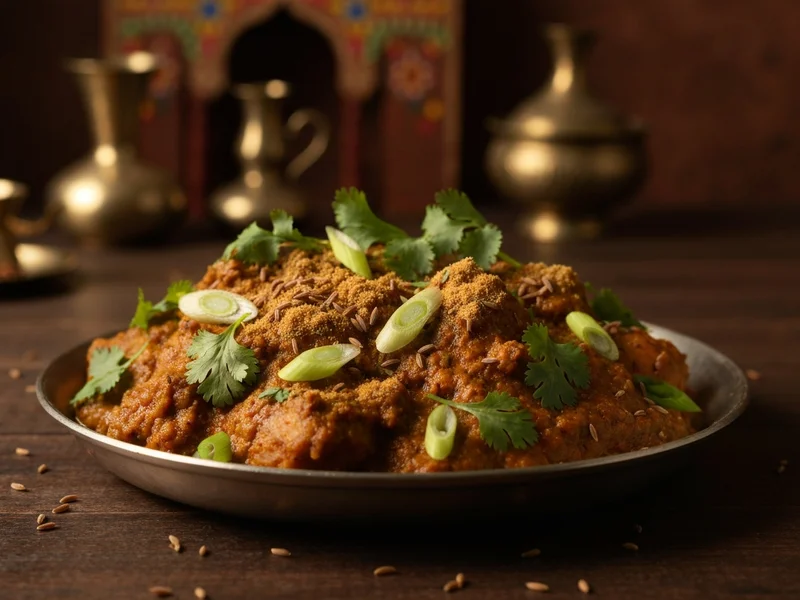
Classic Aloo Gosht
Pakistan's everyday comfort curry — tender mutton and golden potatoes simmered in a tomato-onion masala. The dish every Pakistani mother makes differently, and every version is correct.
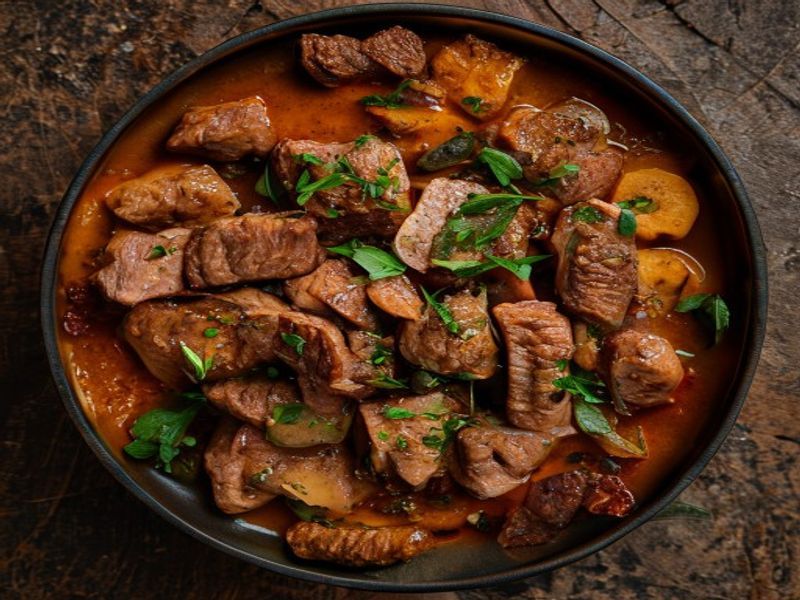
Beef Aloo Gosht
The beloved Punjabi household staple — beef cooked with potatoes in a spiced tomato-onion gravy that's been feeding Pakistani families for generations. Simple, reliable, and deeply satisfying.
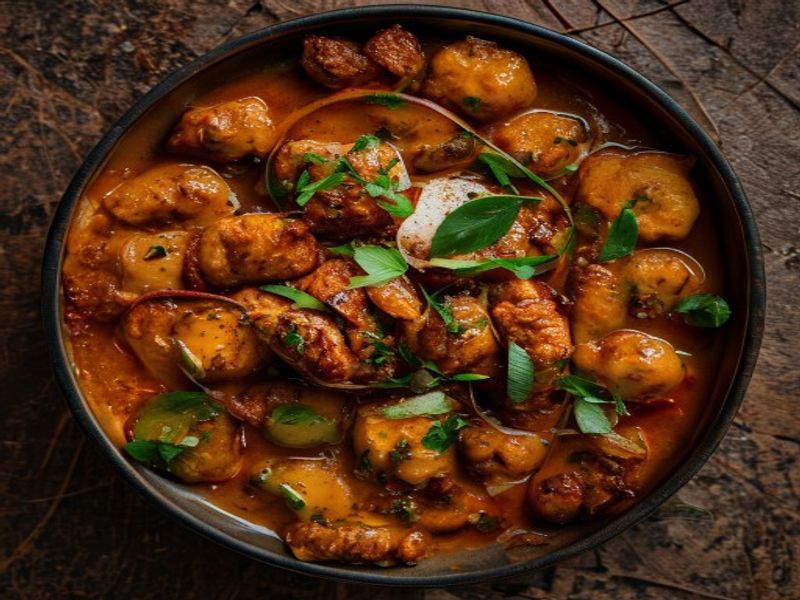
Sindhi Aloo Gosht
Sindh's take on the classic potato-meat curry — with more tomatoes, a brighter red colour, and the warmth of whole spices that define Sindhi cooking. A comforting everyday curry with personality.
What Cooks Are Saying
Absolutely delicious! The flavours are spot on — tastes just like what I grew up eating.
Came out beautifully. Would have given 5 stars but I found the sauce a bit thin — easy fix though.
Better than the restaurant version. The tips in the recipe really make a difference.
Leave a Review
Tried this recipe? Share your experience — your review helps other cooks.