
Punjab cuisine
Punjabi Achar Gosht
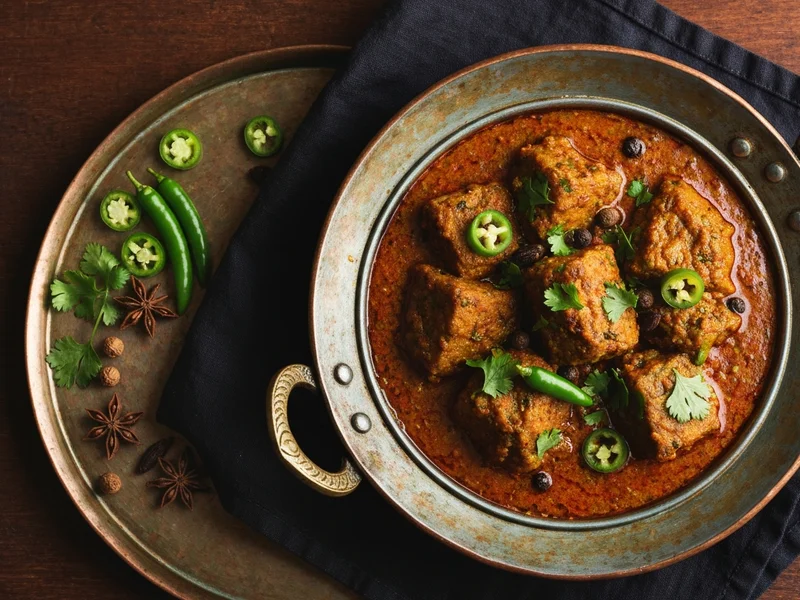
Punjabi Achar Gosht is a traditional Punjab Pakistani dish. Achar Gosht is a bold Punjabi meat curry spiked with achari masala (pickle spices) — tangy, aromatic, and unapologetically punchy. Whole mustard seeds, fennel, and nigella seeds give this curry its unmistakable pickled flavour that sets it apart from every other gosht (meat) dish.
Achar Gosht is what happens when someone looks at a jar of achar (pickle) and thinks: what if I made a curry out of this? That person was a genius.
Using them whole and bloomed in hot oil is what gives this curry its distinctive sharp, tangy aroma that you'll smell from the next street. This is quintessential Punjabi home cooking — bold, unfussy, built on technique rather than a long ingredient list. Every Punjabi nani (grandmother) has her version, and she'll tell you everyone else's is wrong.
Ingredients
Instructions
- BLOOM THE ACHARI SPICES: Heat the tel (oil) in a handi (pot) or degh (heavy pot) on high until it's smoking-hot — test by dropping in one mustard seed; it should pop immediately. Add all five achari spices: zeera, raie, saunf, kalonji, and methi dana. HINT: Stand back slightly and have your lid ready — raie (mustard seeds) will pop and jump out of the pan. Cover loosely for 10 seconds, then uncover. The spices should be sizzling, aromatic, and just starting to darken. This takes only 30-45 seconds. FUN FACT: Blooming whole spices in hot oil is called 'tarka' or 'baghar' in Urdu — this ancient technique extracts fat-soluble flavour compounds that would otherwise stay locked in the seeds.
- FRY THE PYAZ: Add the sliced pyaz (onions) to the spiced oil. Spread them out and cook on medium-high heat, stirring every few minutes. You want them deep golden-brown — the colour of a digestive biscuit. This takes 15-18 minutes. HINT: Don't put the lid on at this stage — steam will make the onions soft instead of properly fried, and you'll lose the colour. The kitchen should fill with a sweet, nutty smell as the natural sugars in the onions caramelise. If they start catching on the bottom, reduce heat and add a tiny splash of paani (water).
- ADD PASTE AND DRY SPICES: Add the adrak lahsun paste (ginger-garlic paste) and stir constantly for 90 seconds on high heat until the raw smell disappears and it turns a slightly darker colour. Now add lal mirch powder and dhaniya powder. Stir for another 30 seconds — the dry spices will clump and start to stick; that's normal. WHY: Dry-frying the spice powders in hot oil for a short burst before adding liquid cooks them properly and prevents that raw, powdery taste that plagues underdone curries.
- COOK THE TOMATOES DOWN: Add the chopped tamatar (tomatoes) and turn heat to medium-high. Stir everything together and cook uncovered for 15-20 minutes, crushing the tomatoes with your chamcha (ladle) as they soften. Cook until the tomatoes have completely disintegrated into the masala and the tel (oil) has separated and is floating on top — this is your oil-release signal. The masala should look deep red, thick, and glossy. Taste a tiny bit — it should be intensely flavoured, slightly sharp. If it tastes flat, cook another 5 minutes.
- ADD GOSHT: Add the gosht (meat) pieces to the masala. Turn heat to high and bhuno (stir-fry) the meat for 5-6 minutes, turning each piece so every surface gets coated in masala and seared. You'll hear a loud sizzling and the meat will change colour from red to a pale grey-brown. HINT: This bhuno step is critical — it seals the outside of the meat and develops those deep, browned flavours that make a curry taste complex rather than boiled. Don't skip it by adding water too soon. Season with namak (salt) — about 1.5 teaspoons.
- ADD DAHI AND SIMMER: Reduce heat to medium-low. Add the dahi (yoghurt) in a slow stream, stirring constantly as you pour. Once it's incorporated, add half a cup of paani (water). Stir everything together, cover the degh, and cook on low heat for 40-50 minutes for mutton (25-30 minutes for beef brisket). HINT: The gosht is done when a piece pulls apart easily with two forks — or when a bone slides out cleanly when you tug it. Check every 20 minutes and add a splash of water if the gravy is too thick.
- FINAL BHUNO: Once the gosht is tender, remove the lid, turn heat to medium-high, and stir-cook the curry for another 5-8 minutes to evaporate excess liquid and concentrate the flavours. The gravy should be thick — almost coating the back of your chamcha (ladle). This final bhuno also crisps up the edges of the meat pieces slightly, adding texture. Taste and adjust namak. The flavour should be sharp, tangy from the achari spices and tomatoes, with heat from the mirch.
- GARNISH AND SERVE: Scatter a generous handful of chopped hara dhaniya (fresh coriander) and a few slit hari mirchein (green chillies) over the top. Squeeze half a nimboo (lemon) over the curry just before serving — the fresh acid lifts all the flavours and reinforces the pickled character. HINT: Achar gosht gets better as it sits. If you have time, take it off the heat, cover it, and let it rest for 10-15 minutes before serving. The spices keep working, the flavours meld, and the gosht absorbs the masala more deeply.
Chef's Secrets
- The five achari spices — zeera, raie, saunf, kalonji, methi dana — must all go in together in the hot oil. Adding them at different times changes the balance of flavour.
- Achar gosht is meant to have a visible pool of tel (oil) on top when done. This isn't a mistake — the oil carries the volatile flavour compounds of the whole spices. Skim it off if you're health-conscious, but you'll sacrifice some flavour.
- Want a more intense pickle flavour? Add 1 tablespoon of store-bought lemon or mango achar (pickle) to the masala when you add the dahi. This is a home cook's shortcut but it works beautifully.
- Pressure cooker shortcut: after the bhuno step, transfer to a pressure cooker with dahi and a cup of water. Cook on high pressure for 20 minutes (mutton) or 15 minutes (beef). Then finish the bhuno step in the open pot.
- Achar gosht freezes well for up to 3 months. Freeze in portions, reheat gently with a splash of water.
Common Questions
How long does Punjabi Achar Gosht take to make?
Total time is 1h 35m — 20m prep and 1h 15m cooking.
How many servings does this recipe make?
This recipe makes 4 servings, and is rated medium difficulty.
Which region of Pakistan is Punjabi Achar Gosht from?
Punjabi Achar Gosht is from Punjab, Pakistan — one of the country's most distinctive culinary traditions.
What do you serve with Punjabi Achar Gosht?
Serve with tandoori naan or plain paratha. A side of sliced raw pyaz (onion) with lemon juice and kachri (dry mango) is traditional and cuts through the richness. Works equally well with chawal (steamed rice) — the tangy gravy soaks into the rice beautifully.
Goes Well With
Sindhi Achar Gosht
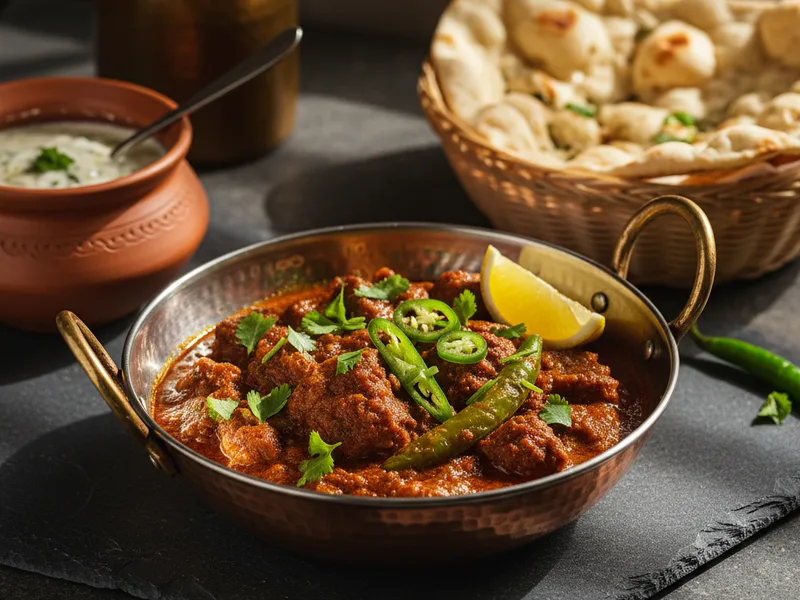
Sindh's version of achar gosht with more tomatoes, extra heat, and that characteristic Sindhi boldness in every bite. The tangy pickle spices meet Sindhi assertiveness — a combination worth knowing.
Dum Achar Gosht
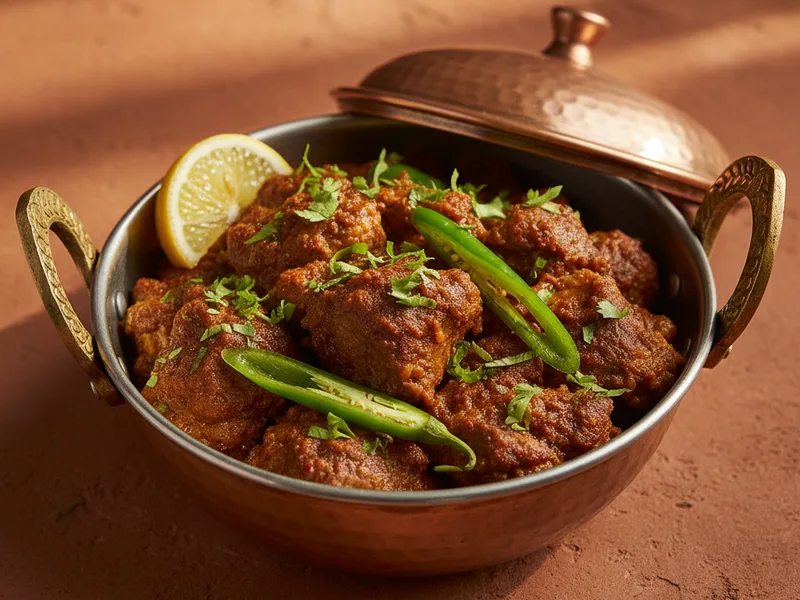
Achar gosht cooked dum-style — sealed with dough and slow-cooked so the pickle spices fully permeate the meat. The sealed pot creates a flavour depth that open-pot cooking simply cannot match.
Classic Lahori Nihari
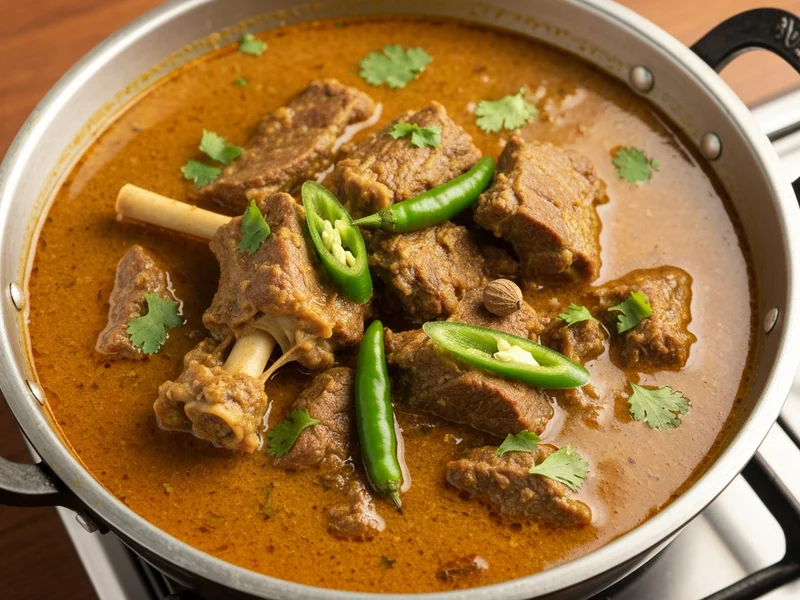
The ultimate slow-cooked breakfast stew — beef shank and bone marrow simmered overnight in a dozen spices. Old Lahore's most legendary dish.
What Cooks Are Saying
This recipe is a keeper. Followed it exactly and it turned out perfect.
Delicious and fairly straightforward. A few steps took longer than expected but the result was worth it.
Leave a Review
Tried this recipe? Share your experience — your review helps other cooks.