
Patience Rewarded — Pakistan's Greatest Slow-Cooked Dishes
The best things in Pakistani cooking cannot be rushed. Nihari simmers through the night, haleem takes hours of stirring, paya cooks until the collagen surrenders to silk. These slow-cooked dishes are a commitment — but they are also the pinnacle of Pakistani culinary tradition.
10 recipes in this collection
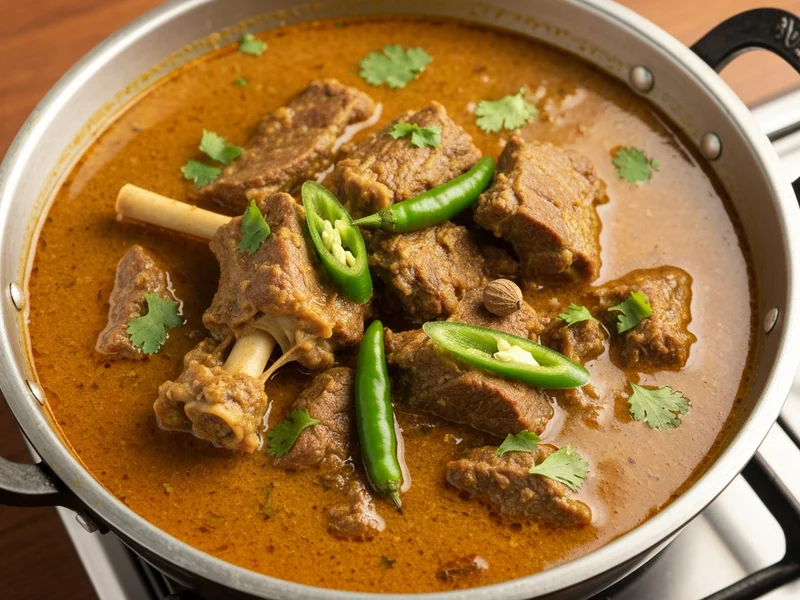
Classic Lahori Nihari
The ultimate slow-cooked breakfast stew — beef shank and bone marrow simmered overnight in a dozen spices. Old Lahore's most legendary dish.
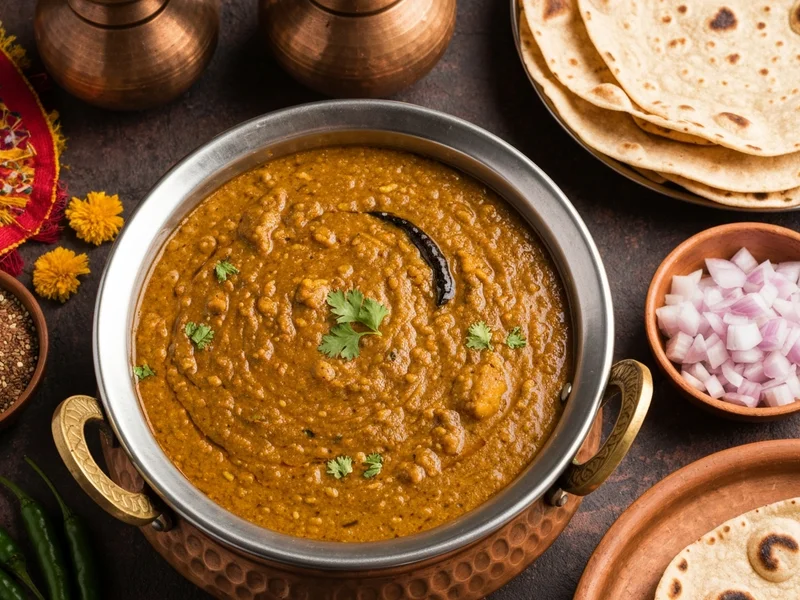
Punjabi Haleem
The Ramadan staple — shredded beef slow-cooked with wheat, barley, and lentils into a thick, silky stew, crowned with fried onions, ginger, lemon, and a drizzle of hot oil.
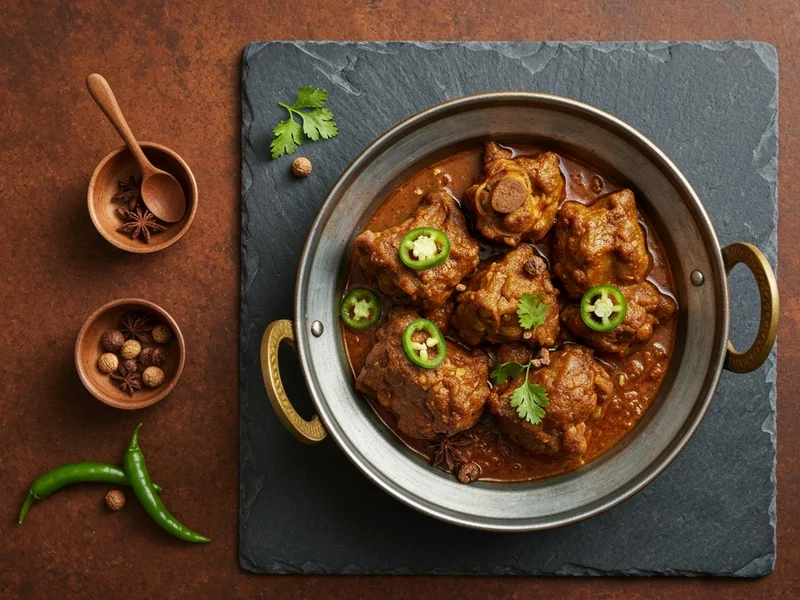
Lahori Paya — Slow-Cooked Trotters
Lahori Paya is a slow-cooked dish of goat or beef trotters simmered for 6-8 hours until the collagen melts into a rich, gelatinous, deeply spiced gravy. It is traditionally eaten for breakfast (yes, breakfast) in Lahore's old city, served with naan from the tandoor, and considered the ultimate cold-weather restorative.
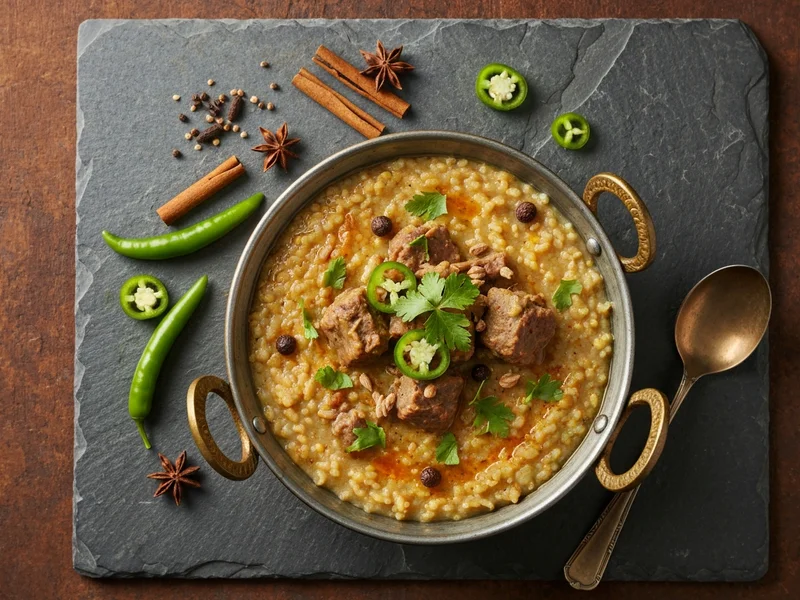
Hareesa — KP Slow-Cooked Wheat and Mutton Porridge
Hareesa is haleem's ancient ancestor — whole wheat berries and mutton slow-cooked together for 4-6 hours until they completely dissolve into a thick, silky, porridge-like dish that is simultaneously humble and extraordinary. Finished with a sizzling ghee tarka poured dramatically over the top, this is the dish that sustained armies, fed pilgrims, and defines winter mornings in KP.
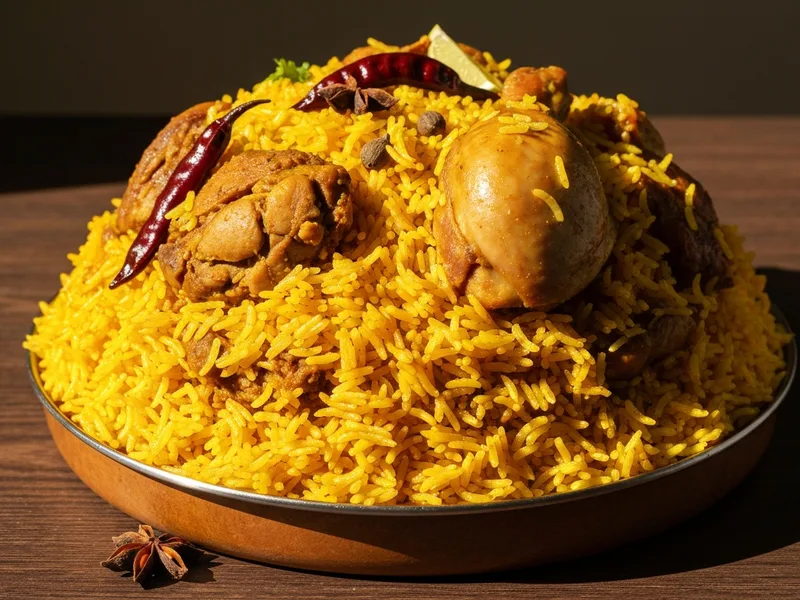
Lahori Biryani
The Punjabi biryani — more aromatic, less fiery, more balanced than its Karachi cousin. Built on overnight-marinated meat, a bouquet of whole aromatic spices, and a dum layer fragrant with saffron, kewra, and rose water. Lahori confidence in every grain.
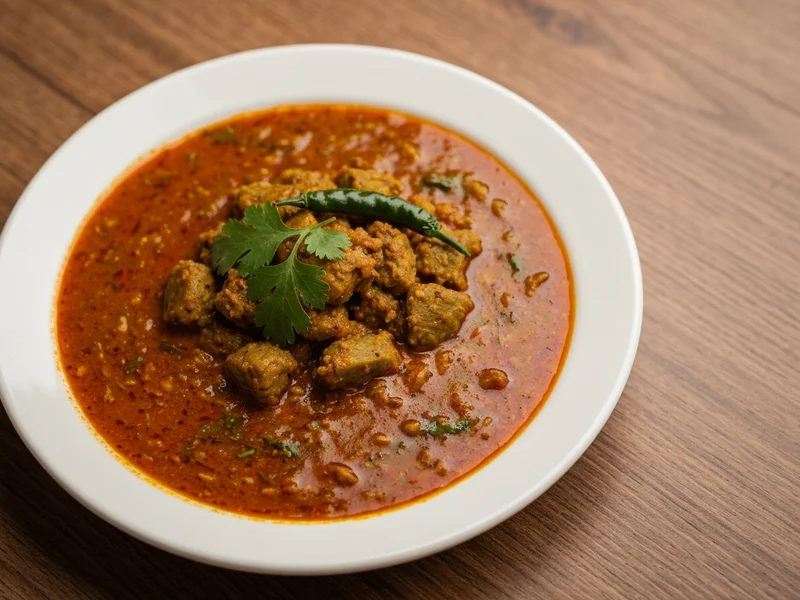
Balochi Dampukht
Balochistan's above-ground sealed-pot slow-cook — meat layered over charbi (sheep tail fat) with whole unpeeled vegetables, lid sealed with flour dough, cooked for 2-3 hours in its own steam with no added water. Salt and black pepper only. The charbi renders and bastes everything from below. NOT an underground dish — that is Khaddi Kabab.
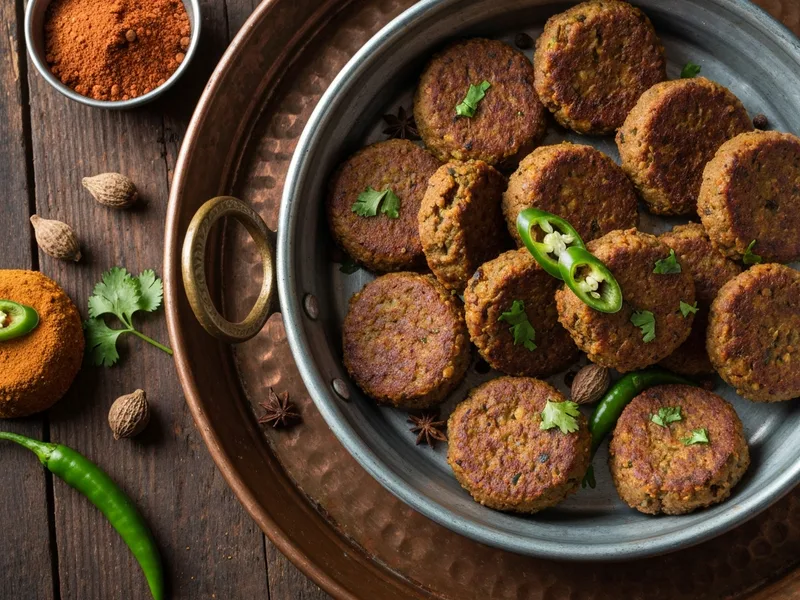
Khaddi Kabab
Balochistan's most spectacular dish — a whole lamb heavily marinated in a yoghurt-spice paste, then slow-roasted in a sealed earthen pit with hot coals. The animal is suspended ABOVE the coals on a spit, the pit is covered, and 4-6 hours of indirect heat bastes the meat. The belly stuffing of rice, dried fruits, and nuts is authentic tradition, not an embellishment.
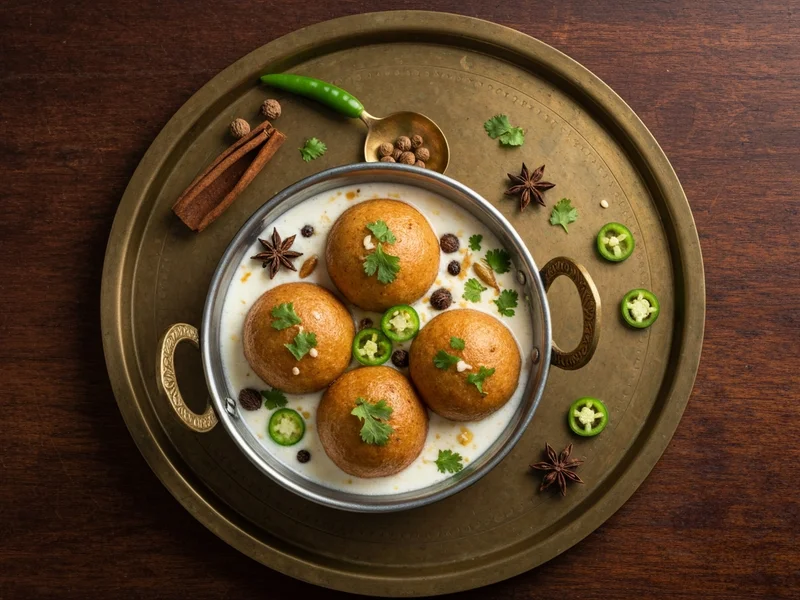
Lahori Dahi Bhalla
Dahi Bhalla is the crown jewel of Pakistani street snacks — soft, spongy lentil dumplings soaked in tangy dahi (yoghurt), crowned with imli (tamarind) chutney, fresh mint chutney, and a generous sprinkle of chaat masala. Sweet, sour, spicy, creamy, and pillowy all at once.
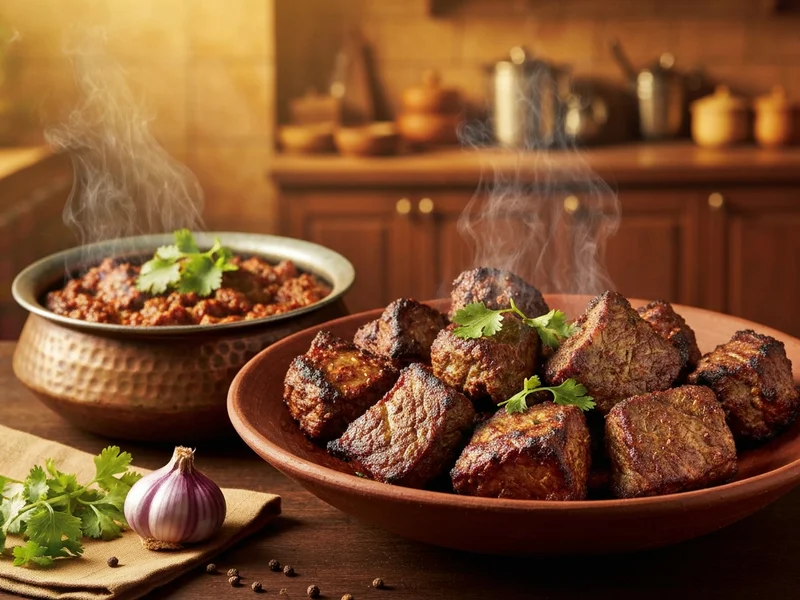
Charcoal Beef Boti
Beef Boti is the cornerstone of Pakistani BBQ — spiced cubes of beef threaded onto seekhs (skewers) and grilled over live charcoal until smoky, charred, and deeply flavoured. This is street-food BBQ at its most honest: bold spices, high heat, and that irreplaceable smell of meat over coal.
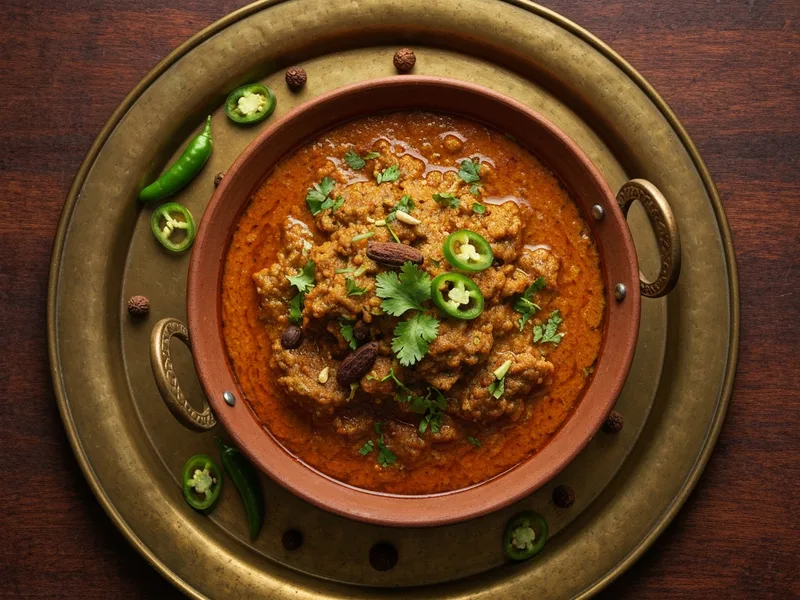
Peshawari Siri Paye
Peshawari Siri Paye is the pre-dawn breakfast of champions — beef or goat head and trotters slow-cooked for 6-8 hours in a broth so rich and gelatinous it sets like jelly when cold. In Peshawar, this is the meal that starts the day before fajr prayer, eaten with Peshawari naan in the amber light of old city shops. The broth IS the dish.